Why Is My Hallway So Cold? Find the Draft and Stop It Cheaply
A cold hallway is usually a leaky front door and no heat source. Find the draft with a flashlight, block it for free, then fit a door draft stopper.
By Jamilur Rahman Updated November 5, 2026 · 6 min read
- Time
- 20 min
- Cost
- Under $20
- Difficulty
- Easy
In this guide
Quick answer
Why is my hallway so cold? Usually cold air leaks in around the front door, and the hallway has no vent or radiator to push heat back. Find the leak with a flashlight, plug the gap under the door with a rolled towel, then replace it with a door draft stopper or sweep that stays in place. If it is still cold, look at the walls, the floor and the mail slot.
Free fix vs. permanent fix
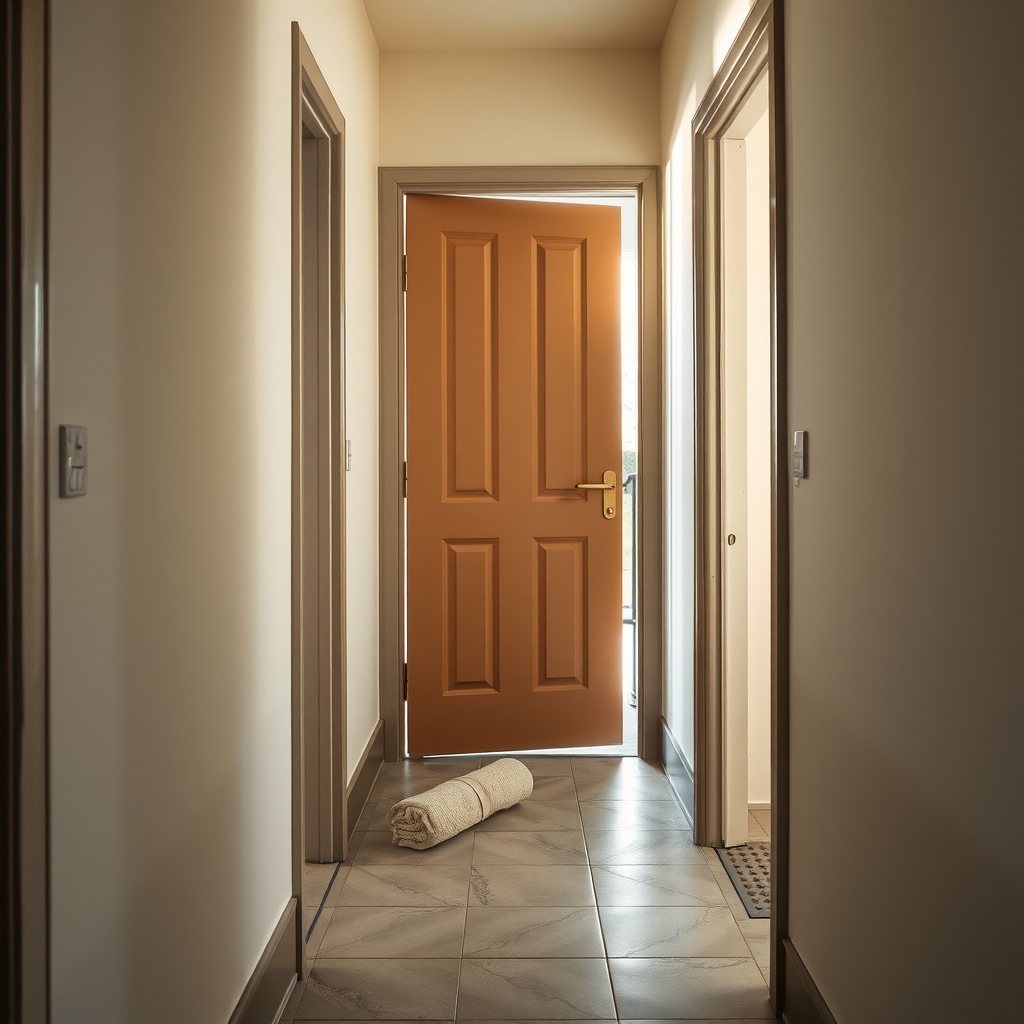
Flashlight check and a rolled towel
- Look for light under and around the door
- Roll a towel or blanket along the bottom of the door
- Hang a heavy curtain over the door at night
- Open doors to heated rooms so warm air reaches the hall
How long it lasts: A few days at a time. The towel slides, gets kicked aside and has to be put back whenever the door opens.
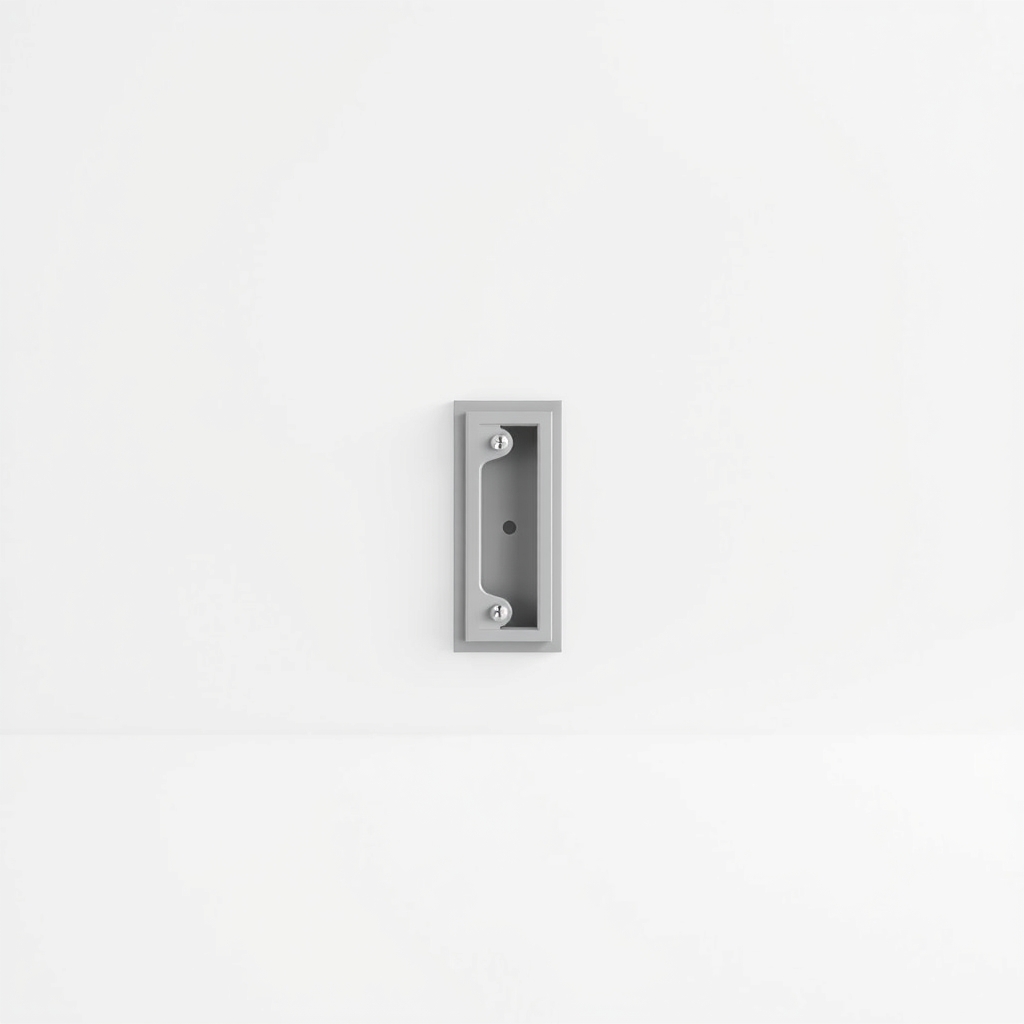
A door draft stopper that stays on the door
A towel moves and the gap reopens. A draft stopper that slides onto the bottom of the door, or a sweep that fixes to it, seals the same gap every time and cannot be kicked out of place.
What to get: Door draft stopper
How long it lasts: Months to years. It is attached to the door, so it seals every time the door closes.
As an Amazon Associate I earn from qualifying purchases.
What you'll need
-
Flashlight
A phone flashlight works
You have it -
Rolled towel or blanket
A stopgap for the gap under the door
Free -
Incense stick
Shows where air moves; keep it away from curtains
You have it - Our pick Illustration
Door draft stopper
Slides onto the bottom of the door and seals the gap
- Illustration
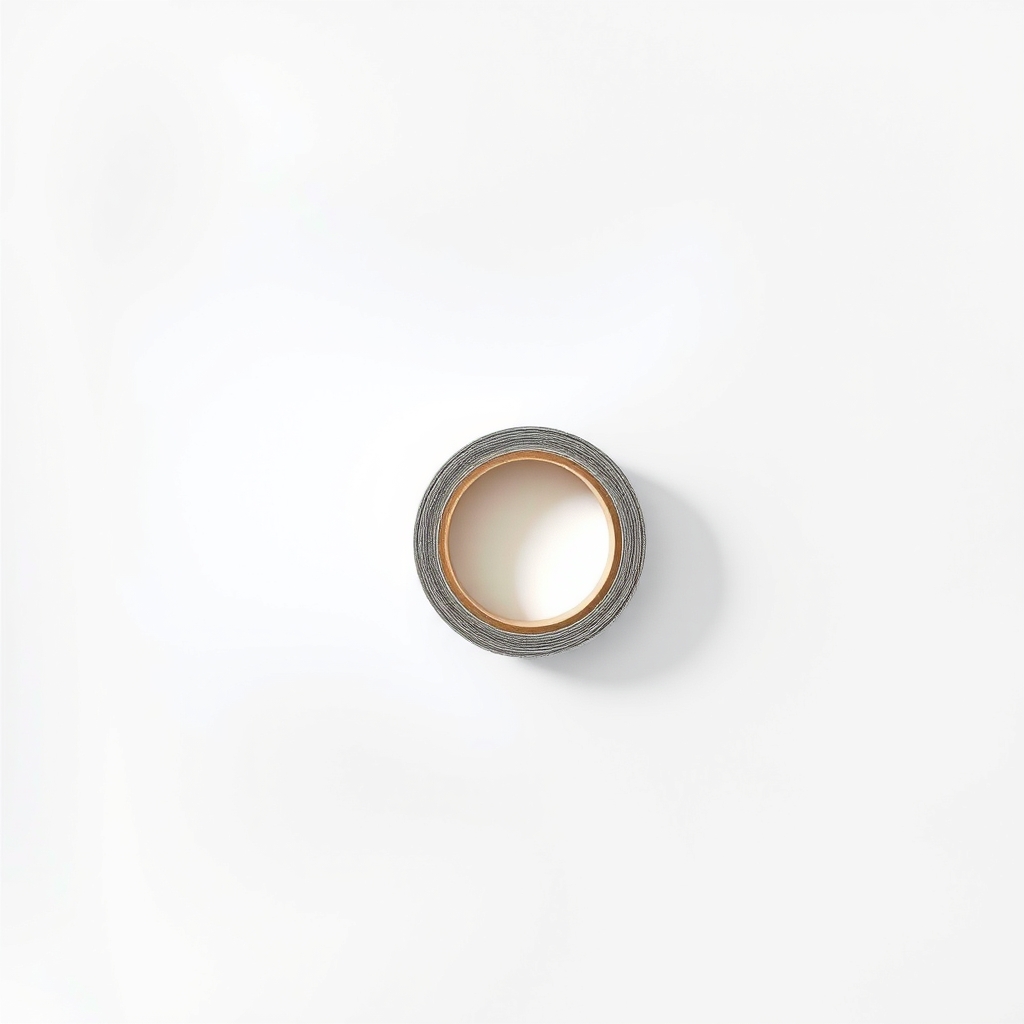
Weatherstripping tape
Foam strip for gaps along the door frame
- Illustration
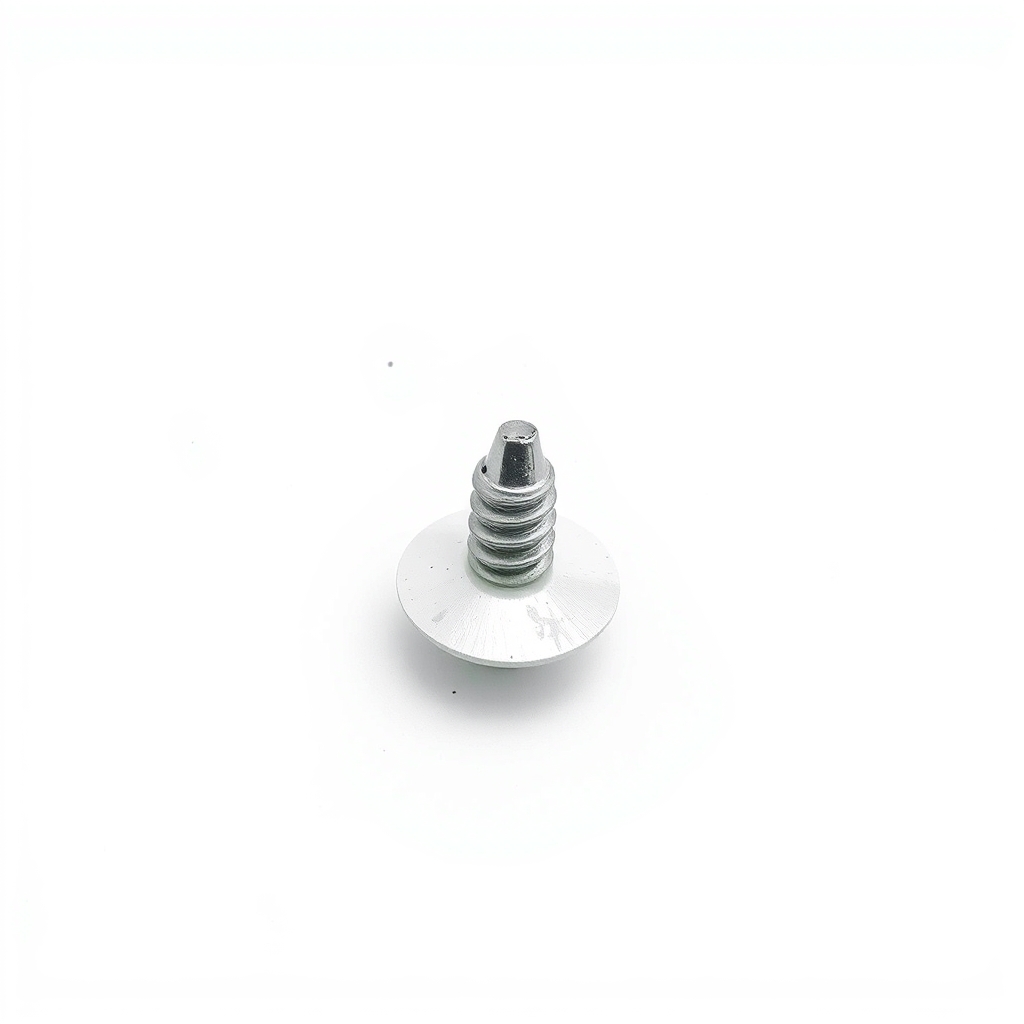
Screw-on door sweep
For wide gaps under exterior doors
Why it happens
A gap under or around the front door
A quarter inch under a door lets in a steady stream of cold air. Worn weatherstripping or a sagging door makes it worse.
No heat in the hallway
Hallways and foyers often have no vent or radiator, and the doors to heated rooms stay shut. The hall only gets warmth by leakage.
Warm air escaping upward
Warm air rises and leaks out at the top of the house. That pulls cold air in at the lowest point, which is often the front door.
Cold floors, walls and the mail slot
Tile or stone floors, thin outside walls and a mail slot all make a hallway feel colder than the rooms around it.
Try this first (free)
Do these in order, starting with the simplest.
-
Find the draft
Tool used: FlashlightOn a cold, windy day, turn off the hall lights and shine a flashlight along the door edges from outside. Light you can see inside is a gap. Or hold a lit incense stick near the edges, and watch the smoke lean where air moves.
-
Plug the bottom of the door
Tool used: Rolled towel or blanketRoll a towel or blanket tightly and lay it along the foot of the door on the inside. This tells you whether the door is the main leak.
-
Seal the frame
Tool used: Weatherstripping tapePress self-adhesive foam tape along the door jamb wherever you saw light. Clean and dry the surface first so it sticks.
IllustrationCheck price on AmazonTool for this step
Weatherstripping tape · Foam strip for gaps along the door frame
-
Cover the mail slot and keyhole
Tape cardboard behind a mail slot for the winter, or fit a slot cover with a brush. Cover any keyhole that lets air through.
-
Let heat in
Open the doors to heated rooms for a few hours so warm air reaches the hallway. Lay a rug on cold tile or stone floors.
-
Swap the towel for a draft stopper
Tool used: Door draft stopperMeasure the width and thickness of your door and the gap under it. Fit a stopper that slides on or screws on, so it stays put when the door moves.
IllustrationCheck price on AmazonTool for this step
Door draft stopper · Slides onto the bottom of the door and seals the gap
When free fixes aren't enough
A towel is a stopgap. It moves, and kids and pets kick it away. If you can still see light under the door, a draft stopper or sweep fixes that for good. If the hallway is still cold once the door is sealed, the cause is the walls, an uninsulated attic hatch or no heat supply, and a door stopper will not fix that. Frost, damp patches or mold on a wall is a moisture and insulation problem, so call a pro. If you burn gas or oil, never block a furnace or water heater air supply, and test your carbon monoxide alarm after sealing leaks.
Buy the fix
Still stuck after the free fixes? These are the products we would look at.
| Pick | Product | Fixes | Who it's for | Buy |
|---|---|---|---|---|
| Best pick | Door draft stopper | a gap under the front door that lets in cold air | Anyone with a hallway that gets a cold stream along the floor from the front door. | Check price |
| Budget pick | Weatherstripping tape | leaks along the sides and top of the door frame | Anyone who saw light along the jamb, not just under the door. | Check price |
| Upgrade pick | Screw-on door sweep | wide gaps under exterior doors | Anyone with a large gap under a front door who wants a firm, permanent seal. | Check price |
Door draft stopper
Fixes: a gap under the front door that lets in cold air
Look for: Fits your door width and gap, so measure first; Slides on or screws on, so it stays on the door; Soft foam or fabric that will not scratch the floor.
- Who it's for
- Anyone with a hallway that gets a cold stream along the floor from the front door.
- Honest downside
- The gap is wider than the product, or the door scrapes a thick rug. Measure, or use a sweep.
Weatherstripping tape
Fixes: leaks along the sides and top of the door frame
Look for: Self-adhesive backing for a clean frame; Compressible foam that springs back; The right thickness for your gap.
- Who it's for
- Anyone who saw light along the jamb, not just under the door.
- Honest downside
- The gap is under the door. Tape on a door bottom wears off quickly.
Screw-on door sweep
Fixes: wide gaps under exterior doors
Look for: A rubber or brush seal that reaches the floor; A trim-to-fit length; Mounting holes and screws included.
- Who it's for
- Anyone with a large gap under a front door who wants a firm, permanent seal.
- Honest downside
- You rent and cannot drill into the door, or the door drags on thick carpet.
As an Amazon Associate I earn from qualifying purchases. We don't show prices because they change, so use the button to see today's price.
How we picked: How we picked: this page is based on home energy guidance on air sealing, advice from door and weatherstripping makers, and what owners report in reviews of draft stoppers and door sweeps. We do not test products by hand.
How to keep an entryway warm
- Seal the front door at the bottom, sides and top.
- Hang a heavy curtain over the door on a rod and close it at night.
- Put a rug over cold tile or stone, and close the mail slot flap.
- Open interior doors so warm air from other rooms can drift in.
- Keep vents and radiators clear of furniture.
What to skip
Heating the whole house to cover a draft
Turning up the thermostat to fight a leak just pushes more warm air out through the same gap. Seal the draft first. A door stopper costs far less than the extra heating.
Frequently asked questions
Why is my hallway always cold, even with the heat on?
Why is my foyer so cold in winter?
Will a draft stopper stop my door from closing?
Is a cold hallway a sign of a bigger problem?
Related problems
 Free fix inside
Small Spaces & Storage · Dorm Room
Why Is My Dorm Room So Cold? Where the Drafts Come In and What to Do
Read the fix Free fix inside
Small Spaces & Storage · Entryway
How to Keep an Entryway Clean in Winter: The Boot Tray Setup
Read the fix Free fix inside
Small Spaces & Storage · Entryway
How to Keep an Entryway Organized: Wall Racks That Catch the Clutter
Read the fix Free fix inside
Air & Temperature · Basement Door
Basement Door Leaking? Door Sweeps and Threshold Seals
Read the fixAs an Amazon Associate I earn from qualifying purchases. Affiliate disclosure