Basement Door Leaking? Door Sweeps and Threshold Seals
Rain, drafts and bugs get in through the gap under a basement door. Find where it leaks, clear the drain outside and seal the bottom of the door.
By Jamilur Rahman Updated November 5, 2026 · 7 min read
- Time
- 30 min
- Cost
- $20-$50
- Difficulty
- Easy
In this guide
Quick answer
To stop a basement door from leaking, find out where the water or air gets in, clear the drain at the bottom of the stairwell and seal the gap with caulk. Most leaks come in under the door, so a door sweep or threshold seal closes that gap against rain, drafts and bugs. A seal will not hold back a pool of water. If the stairwell fills, fix the drainage or call a pro.
Free fix vs. permanent fix
Find the gap, clear the drain, caulk the frame
- Shine a flashlight along the door edges from outside and look for light inside
- Clear leaves and debris from the stairwell drain and the area outside
- Re-caulk cracks around the frame with exterior caulk
- Slide a card under the door to feel how big the bottom gap is
How long it lasts: A season or two. Worn weatherstripping and a gap under the door will let water and drafts back in.
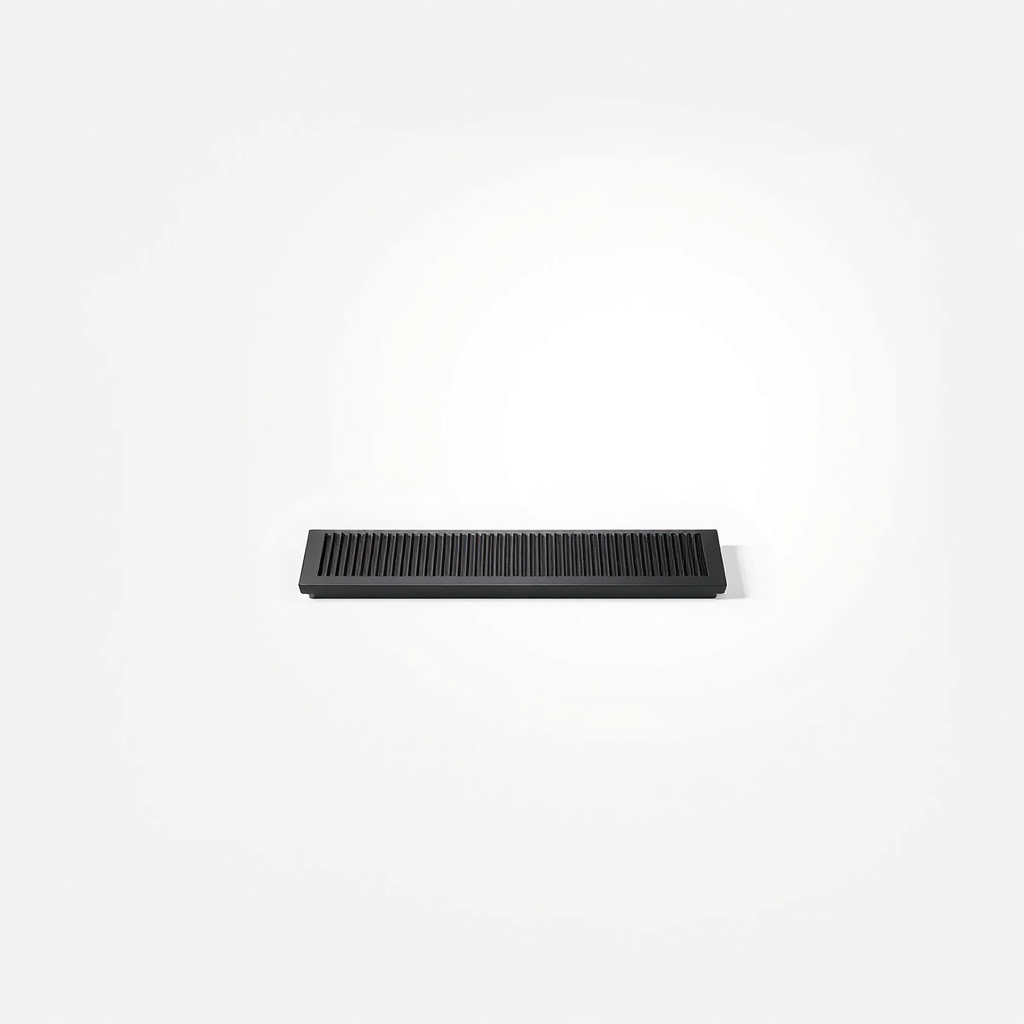
A door sweep or threshold seal on the bottom edge
The biggest gap is nearly always between the bottom of the door and the threshold. A sweep or seal fills it with flexible rubber, which blocks wind-driven rain, drafts and insects. It is cheap and takes one screwdriver.
What to get: Door sweep or threshold seal
How long it lasts: Several years. Rubber or silicone closes the gap and keeps its shape through weather.
As an Amazon Associate I earn from qualifying purchases.
What you'll need
-
Flashlight
For the light test around the door edges
You have it -
Tape measure
For the door width and the size of the bottom gap
You have it - Illustration
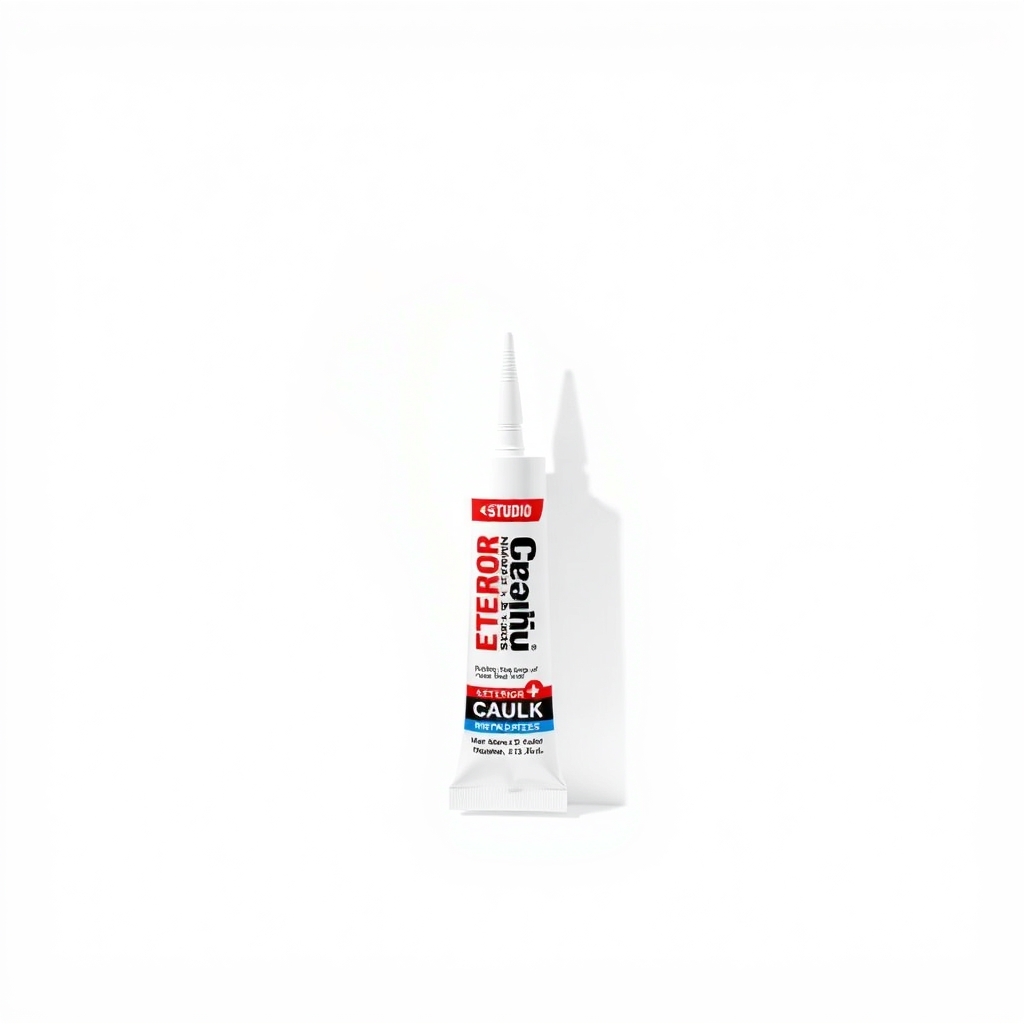
Exterior caulk
Seals cracks around the frame, trim and threshold edges
- Our pick Illustration
Door sweep or threshold seal
Fits the bottom edge of the door, cut to length
- Illustration
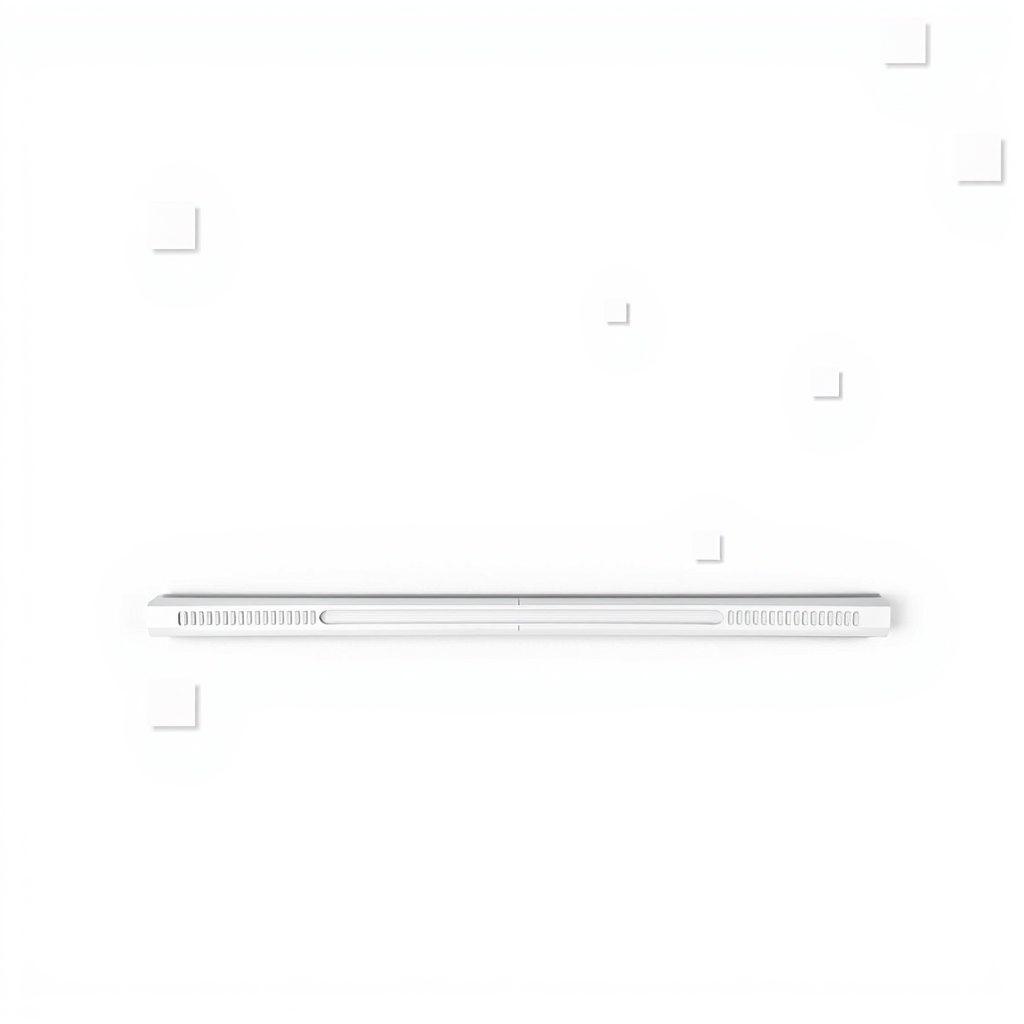
Self-adhesive door bottom seal strip
Low-cost and quick for a small gap
- Illustration
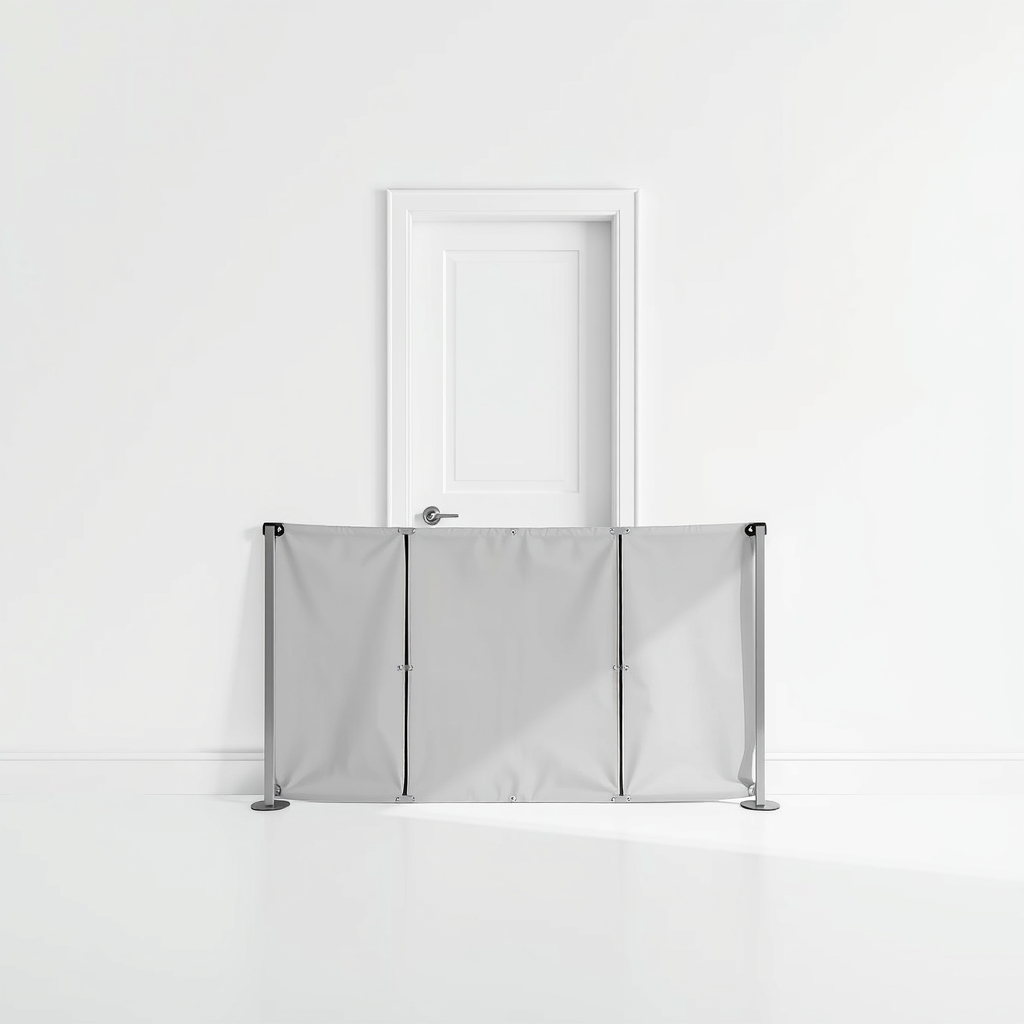
Door dam flood barrier
For heavy runoff that pools at the door
Why it happens
A gap under the door
Doors shrink, sag and wear. Rain gets blown in, and the gap lets cold air and insects through as well.
A clogged stairwell drain
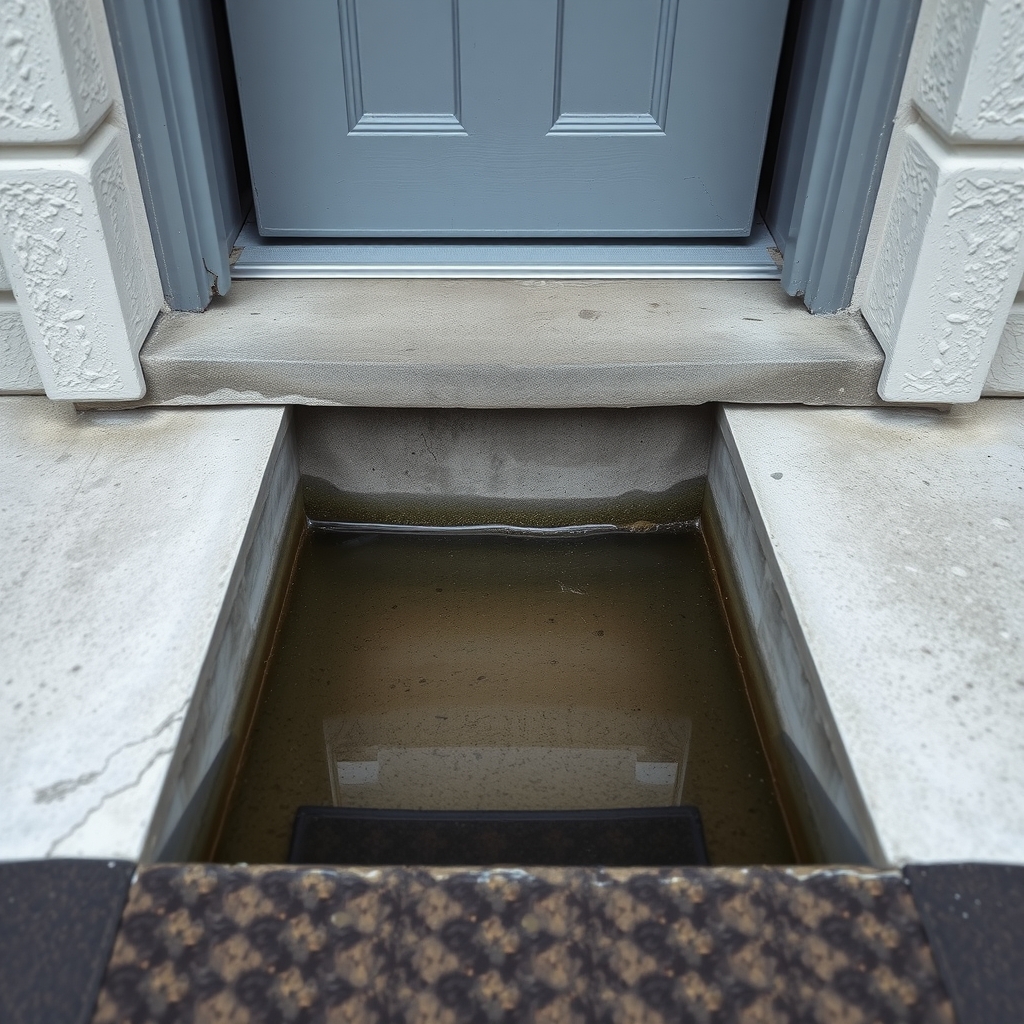
On a walkout or below-grade stair, the drain at the bottom takes the rainwater. When it fills with leaves and dirt, water backs up against the door.
Worn weatherstripping and a tired threshold
Old rubber cracks and flattens. A worn threshold lets water seep between it and the floor.
Ground that slopes to the door
If the yard, path or driveway falls toward the door, runoff pools there in heavy rain, and no seal will keep up.
Try this first (free)
Do these in order, starting with the simplest.
-
Do the light test
Tool used: FlashlightTurn off the basement lights and close the door. Have a helper shine a flashlight along the door edges from outside while you watch from inside. Any light you see is a gap that can leak. Check the bottom, the sides and the top.
-
Clear the stairwell drain
Scoop leaves and debris from the drain at the bottom of the steps. Pour a bucket of water in. If it does not drain in a few seconds, the line is blocked and needs clearing or a pro.
-
Measure the door and the bottom gap
Tool used: Tape measureMeasure the width of the door, and slide a card or coin under the door to see how large the gap is. Most doors are 30 or 36 inches wide, so you need a seal to match.
-
Caulk the frame
Tool used: Exterior caulkScrape out old, cracked caulk, wipe the area dry and run exterior caulk along the top and sides of the frame and the threshold ends. Smooth it with a wet finger.
IllustrationCheck price on AmazonTool for this step
Exterior caulk · Seals cracks around the frame, trim and threshold edges
-
Fit the sweep or seal
Tool used: Door sweep or threshold sealCut it to the width of the door with a hacksaw. Set it so the rubber just touches the threshold without dragging. Screw it on, or peel and stick for light-duty strips. Open and close the door to check it moves freely.
IllustrationCheck price on AmazonTool for this step
Door sweep or threshold seal · Fits the bottom edge of the door, cut to length
When free fixes aren't enough
Caulk and a sweep stop drips, drafts and blown rain, but they will not hold back water that stands against the door. If the stairwell fills and water rises over the threshold, the problem is drainage, and a better seal only hides it for a while. Look at the slope of the ground, the stairwell drain and the gutters. A door dam is a stopgap for storms. Call a pro if water enters during every heavy rain, the drain will not clear, or you see rot, mold or a damp wall around the frame. If water has reached outlets or the panel, keep clear and call an electrician.
Buy the fix
Still stuck after the free fixes? These are the products we would look at.
| Pick | Product | Fixes | Who it's for | Buy |
|---|---|---|---|---|
| Best pick | Door sweep or threshold seal | rain, drafts and insects getting in under the door | Most homeowners with a basement or walkout door and a visible gap under it. | Check price |
| Budget pick | Self-adhesive door bottom seal strip | a small gap that lets in drafts and a little blown rain | Renters and anyone who wants a quick fix without drilling. | Check price |
| Upgrade pick | Door dam flood barrier | runoff that pools at the door during heavy storms | Homes where water collects at the stair or door before the drain catches up. | Check price |
Door sweep or threshold seal
Fixes: rain, drafts and insects getting in under the door
Look for: Rubber or silicone that stays flexible in cold and sun; Cuts to length for a 30 to 36 inch door; Screws or strong adhesive, plus a way to adjust the height; A fin or bulb shape that closes the gap without dragging.
- Who it's for
- Most homeowners with a basement or walkout door and a visible gap under it.
- Honest downside
- The threshold is badly worn or rotten, or water pools deep against the door. Fix the cause first.
Self-adhesive door bottom seal strip
Fixes: a small gap that lets in drafts and a little blown rain
Look for: A strip that matches the size of your gap; A strong adhesive that holds on a clean surface; Material that does not crack in the cold.
- Who it's for
- Renters and anyone who wants a quick fix without drilling.
- Honest downside
- The door is exposed to heavy rain or the bottom is wet. Adhesive does not stick well to damp surfaces.
Door dam flood barrier
Fixes: runoff that pools at the door during heavy storms
Look for: A height that clears the water level you expect; A tight seal at both sides of the frame; A design you can set up fast before a storm.
- Who it's for
- Homes where water collects at the stair or door before the drain catches up.
- Honest downside
- You need to use the door during the storm. A dam blocks it while it is in place.
As an Amazon Associate I earn from qualifying purchases. We don't show prices because they change, so use the button to see today's price.
How we picked: How we picked: this page is based on weatherstripping and door-seal installation guides, basement-drainage advice, and what owners report in reviews of door sweeps and threshold seals. We do not test products by hand.
Sweep, strip or threshold: which fits?
- Door sweep: screws to the bottom of the door and brushes the threshold. Best for a gap of a quarter to three quarters of an inch.
- Adhesive strip: stick-on rubber, good for small gaps and renters.
- Replacement threshold with a seal: for a worn or rotted threshold, or when you want the door to close onto a fresh rubber seal.
Check the slope outside
Water should run away from the door, not toward it. If the ground, path or steps tilt toward the door, runoff will keep finding it. Clear the stairwell drain each fall, and call a landscaper or drainage pro if the area floods.
What to skip
Stuffing the gap with towels or foam, or sealing the drain
Towels soak up water and rot, foam crumbles and a gap that is blocked from the inside does not stop water from outside. Never seal or cap the stairwell drain, since it is the thing that carries the water away.
Frequently asked questions
How do I stop water coming in under my basement door?
What is the difference between a door sweep and a threshold seal?
Why does my basement door leak only when it rains hard?
Can I fix a basement door leak myself?
Related problems
 Free fix inside
Air & Temperature · Basement
Basement Window Leaking When It Rains? Window Well Covers
Read the fix Free fix inside
Air & Temperature · Basement
Basement Flooding When It Rains? Early Warning and First Fixes
Read the fix Free fix inside
Air & Temperature · Basement
Basement Walls Seeping? Waterproofing Paint and Its Limits
Read the fix Free fix inside
Air & Temperature · Basement
Basement Always Cold? Warm the Floor First, Then the Air
Read the fixAs an Amazon Associate I earn from qualifying purchases. Affiliate disclosure