Basement Flooding When It Rains? Early Warning and First Fixes
Rain water is pooling at the foundation and coming in. Move it away first, and add a water alarm so you hear about it before the damage is done.
By Jamilur Rahman Updated November 5, 2026 · 8 min read
- Time
- 1 hour
- Cost
- $20-$50
- Difficulty
- Medium
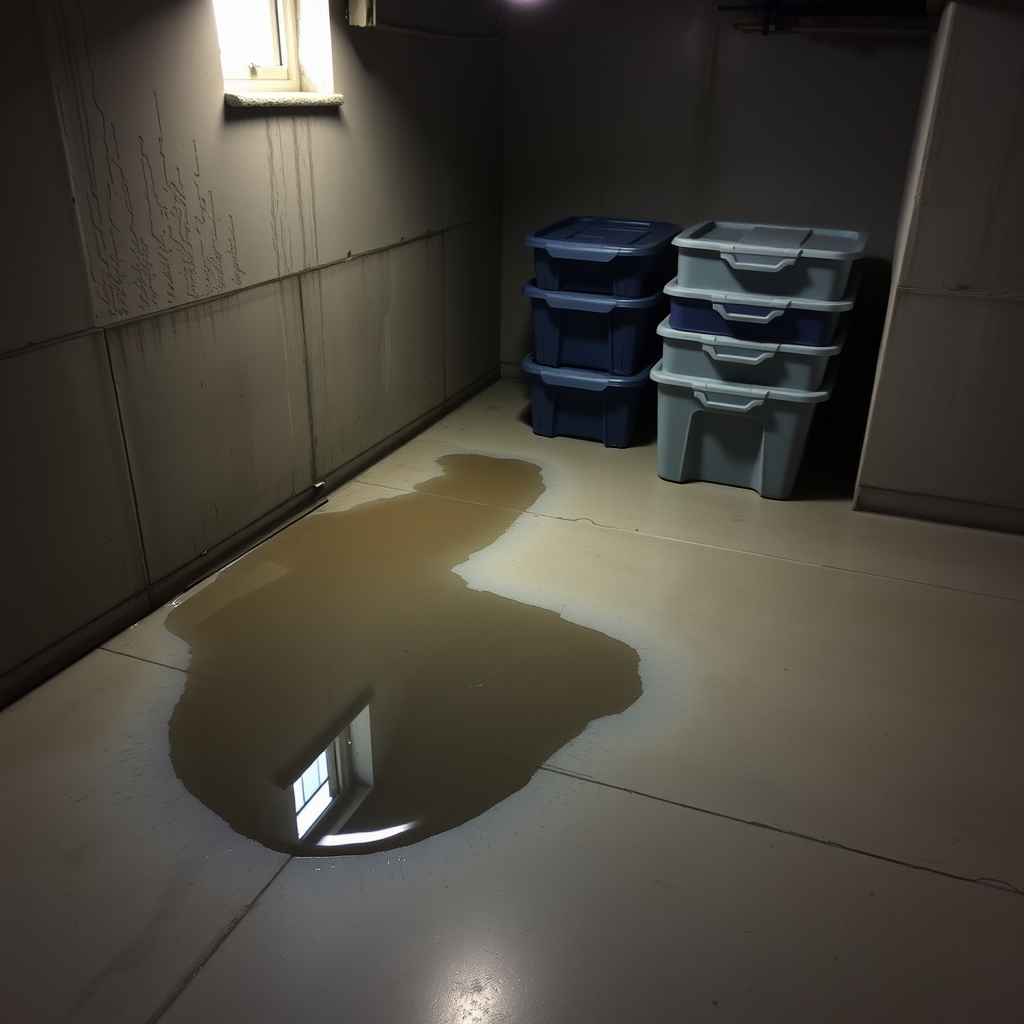
In this guide
- Quick answer
- Free vs. permanent fix
- What you'll need
- Why it happens
- Try this first (free)
- When free fixes aren't enough
- Buy the fix
- How to stop basement flooding when it rains: work from the outside in
- Basement keeps leaking? How to stop a basement from leaking and fix basement leaks
- What to skip
- FAQ
- Related problems
Quick answer
If your basement keeps flooding when it rains, the usual cause is rain water from the roof and yard collecting at the foundation and pushing in through cracks, the floor joint or a window well. Start outside: clear the gutters, carry downspouts away and slope the soil off. A battery water alarm will not stop the water, but it warns you at the first inch so you can move things and act before the damage spreads.
Free fix vs. permanent fix
Send the rain water away from the house
- Clean the gutters and check the downspouts flow
- Carry downspout water 4 to 6 feet from the wall
- Slope the soil so it falls away from the foundation
- Test the sump pump if you have one
How long it lasts: Often solves a runoff problem for good. It does nothing if the water table rises under the floor or the pump fails in a storm.

A loud battery basement water alarm
An alarm does not stop water. It sits on the floor and sounds at the first inch, so you find out in minutes instead of after the carpet and boxes are soaked. It is the lasting safety net while you fix the cause.
What to get: Basement water alarm
How long it lasts: Years. Test it monthly and swap the battery as the maker says.
As an Amazon Associate I earn from qualifying purchases.
What you'll need
-
Garden hose
Run it into the gutter to see where water backs up
You have it - Illustration
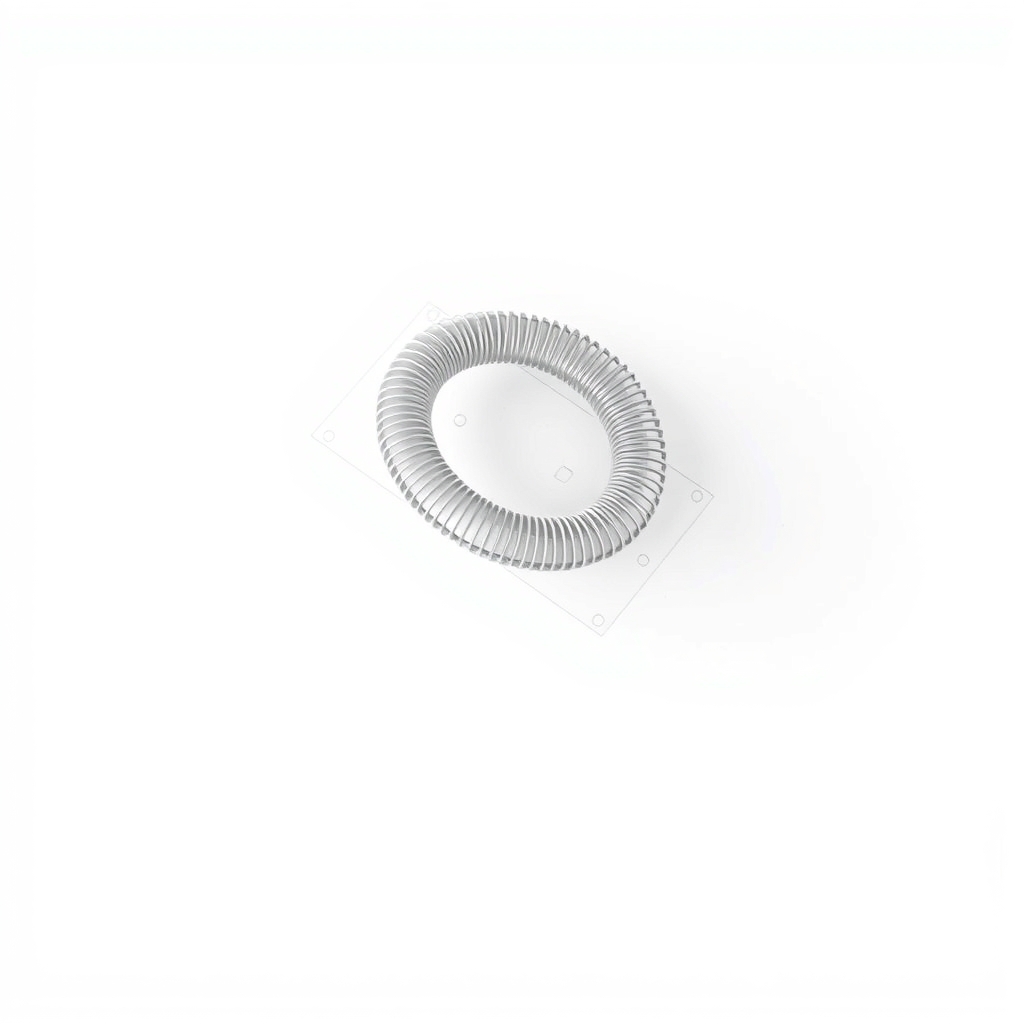
Flexible downspout extension
Check your downspout shape and size first
-
5-gallon bucket
For testing the sump pump
You have it - Our pick Illustration
Basement water alarm
Goes on the floor where water shows up first
- Illustration
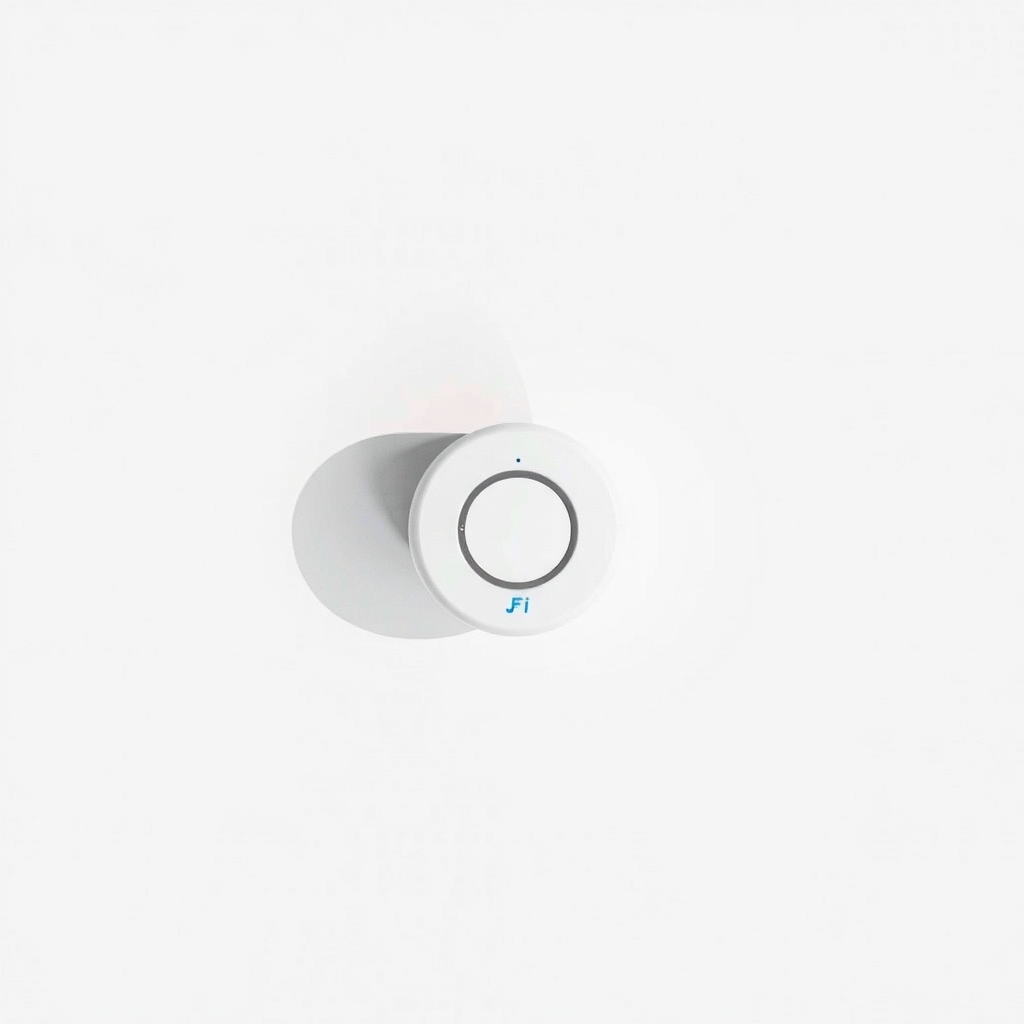
Wi-Fi water sensor
Sends a phone alert if nobody is home
Why it happens
Gutters and downspouts dumping at the wall
A roof sheds a lot of water in a storm. If gutters overflow or downspouts end right at the foundation, that water soaks the soil beside your basement wall.
Soil that slopes toward the house
Ground that falls toward the foundation sends yard water to the wall. Settled soil and mulch beds often cause this over time.
Water pressure in the soil
After heavy rain the soil around the basement fills with water and pushes it through cracks, the floor-to-wall joint and tie holes.
Window wells that fill up
A well with no cover and a clogged drain collects rain, and the water leaks through the window frame.
A sump pump that is missing, jammed or off
A pump handles the water in the pit. If it has no power in a storm, a stuck float or a bad switch, the pit overflows onto the floor.
Try this first (free)
Do these in order, starting with the simplest.
-
Watch where the water comes in
Look during or right after a storm. Water at the floor edge points to soil pressure, and a wet window wall points to the well. Take photos.
-
Clear the gutters and test the flow
Tool used: Garden hoseScoop out leaves and muck, then run a hose into the gutter and watch each downspout. If water backs up or drips at a seam, fix that first.
-
Extend each downspout 4 to 6 feet
Tool used: Flexible downspout extensionSnap on an extension so roof water lands well away from the wall. Check that the end does not drain toward a neighbor or back toward the house.
IllustrationCheck price on AmazonTool for this step
Flexible downspout extension · Check your downspout shape and size first
-
Re-slope the soil
Aim for the ground to fall about 6 inches over the first 10 feet from the wall. Add packed soil where it dips, and keep mulch from piling against the siding.
-
Test the sump pump
Tool used: 5-gallon bucketSlowly pour a bucket of water into the pit. The float should lift, the pump should run and the water should drain. If it does not, call a plumber, since a stuck pump will not save you in a storm.
-
Put an alarm where the water shows up
Tool used: Basement water alarmSet the sensor flat on the lowest part of the floor, close to the sump or the wall where water arrives. Press the test button, and move anything valuable up off the floor.
IllustrationCheck price on AmazonTool for this step
Basement water alarm · Goes on the floor where water shows up first
When free fixes aren't enough
If water still comes through the floor or the floor-wall joint after the outside fixes, or the pit overflows during every big storm, you are dealing with groundwater. Downspout extensions cannot change that. It calls for a drainage contractor, usually interior drain tile with a sump pump or exterior waterproofing. Until that work is done, the alarm is the part that protects your belongings, because it gives you minutes to act instead of finding a flood.
Buy the fix
Still stuck after the free fixes? These are the products we would look at.
| Pick | Product | Fixes | Who it's for | Buy |
|---|---|---|---|---|
| Best pick | Basement water alarm | finding the flood late, after the damage is done | Anyone with a basement that has taken on water, especially a finished one or one with stored items on the floor. | Check price |
| Budget pick | Flexible downspout extension | roof water dumping next to the foundation | Homes where one or more downspouts end near the wall. | Check price |
| Upgrade pick | Wi-Fi water leak sensor | not knowing about water when you are at work or on vacation | People who travel, or whose basement is far from where they sleep. | Check price |
Basement water alarm
Fixes: finding the flood late, after the damage is done
Look for: A loud alarm you can hear from upstairs; A sensor that sits flat on the floor and triggers at the first inch; A test button and a low-battery chirp; Replaceable batteries.
- Who it's for
- Anyone with a basement that has taken on water, especially a finished one or one with stored items on the floor.
- Honest downside
- You are away for days at a time and cannot hear it. A Wi-Fi sensor that sends a phone alert fits you better.
Flexible downspout extension
Fixes: roof water dumping next to the foundation
Look for: At least 6 feet of length; A fit for your downspout size and shape (rectangular or round); Rolls up or lies flat so it is not a trip hazard.
- Who it's for
- Homes where one or more downspouts end near the wall.
- Honest downside
- Your downspouts already run into a buried drain, or water comes up through the floor.
Wi-Fi water leak sensor
Fixes: not knowing about water when you are at work or on vacation
Look for: App alerts that reach your phone from anywhere; A battery that lasts a year or more; A probe or flat sensor that fits close to the floor; A Wi-Fi band that matches your router, since many only join 2.4 GHz.
- Who it's for
- People who travel, or whose basement is far from where they sleep.
- Honest downside
- Your Wi-Fi does not reach the basement. A loud battery alarm is more reliable there.
As an Amazon Associate I earn from qualifying purchases. We don't show prices because they change, so use the button to see today's price.
How we picked: How we picked: this page is based on home drainage and basement waterproofing guides, water-safety advice and what owners report in reviews of water alarms. We do not test products by hand.
How to stop basement flooding when it rains: work from the outside in
- Gutters: clean them twice a year and fix sagging runs.
- Downspouts: carry water 4 to 6 feet from the wall.
- Grading: slope soil away from the house.
- Window wells: clear the drain and add a cover.
- Sump pump: test it and add a battery backup if the power often fails in storms.
- Pro: if water still comes in, get a drainage contractor to quote interior drain tile or exterior waterproofing.
Basement keeps leaking? How to stop a basement from leaking and fix basement leaks
A small, dry crack can be sealed from inside with hydraulic cement or an injection kit, but that is only a patch when water pressure is behind it. Check where the leak is first: a wet window frame points to the window well, a wet floor edge points to groundwater and a drip at a pipe points to plumbing. Match the fix to the source. If the wall is bowing, has a long horizontal crack or the leak shows up on dry days too, call a pro.
What to skip
Waterproof paint and a shop vac as your only plan
Masonry paint on an inside wall peels under water pressure and hides the problem. A shop vac only helps after water is in. Neither stops the next storm.
Frequently asked questions
Why does my basement flood when it rains?
Why does my basement keep flooding or keep getting water?
Does a water alarm stop basement flooding?
Where should I put a basement water alarm?
What do I do while the basement is flooding?
Related problems
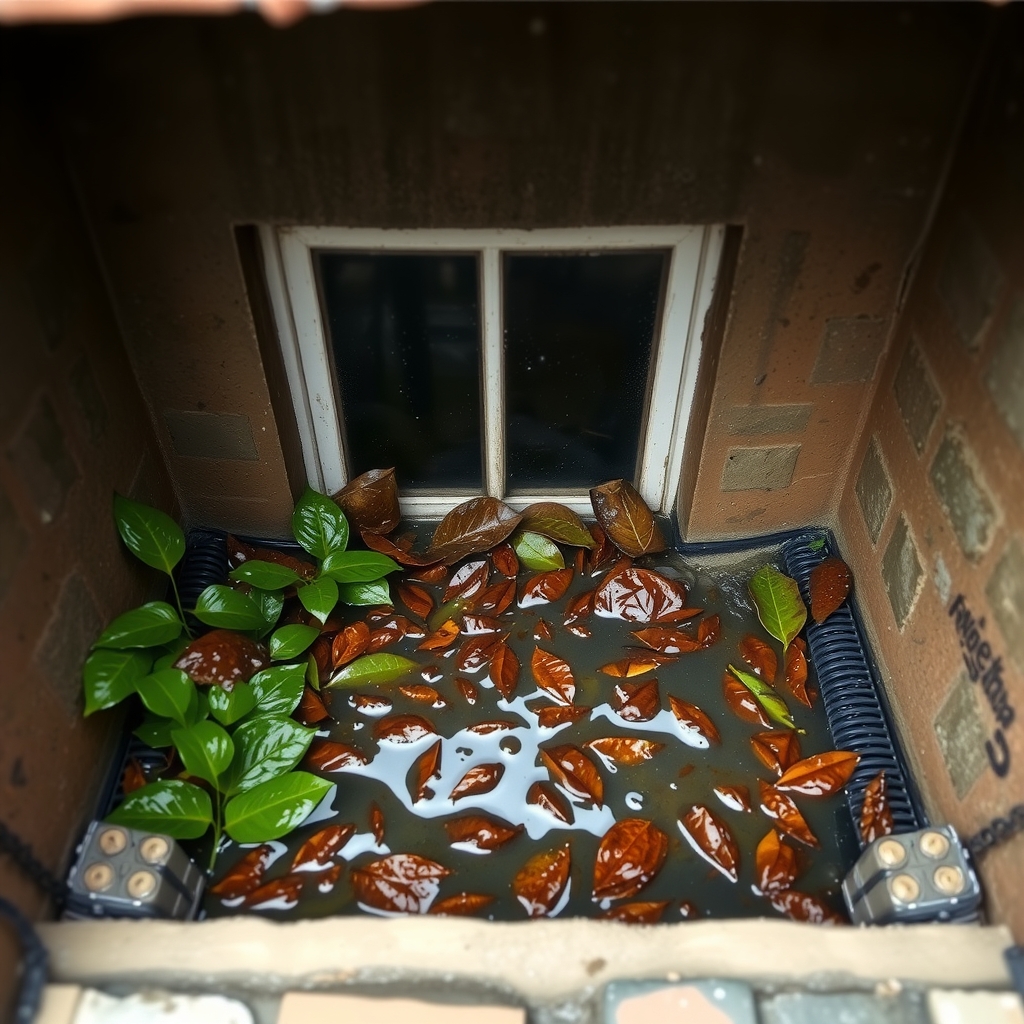 Free fix inside
Air & Temperature · Basement
Basement Window Leaking When It Rains? Window Well Covers
Read the fix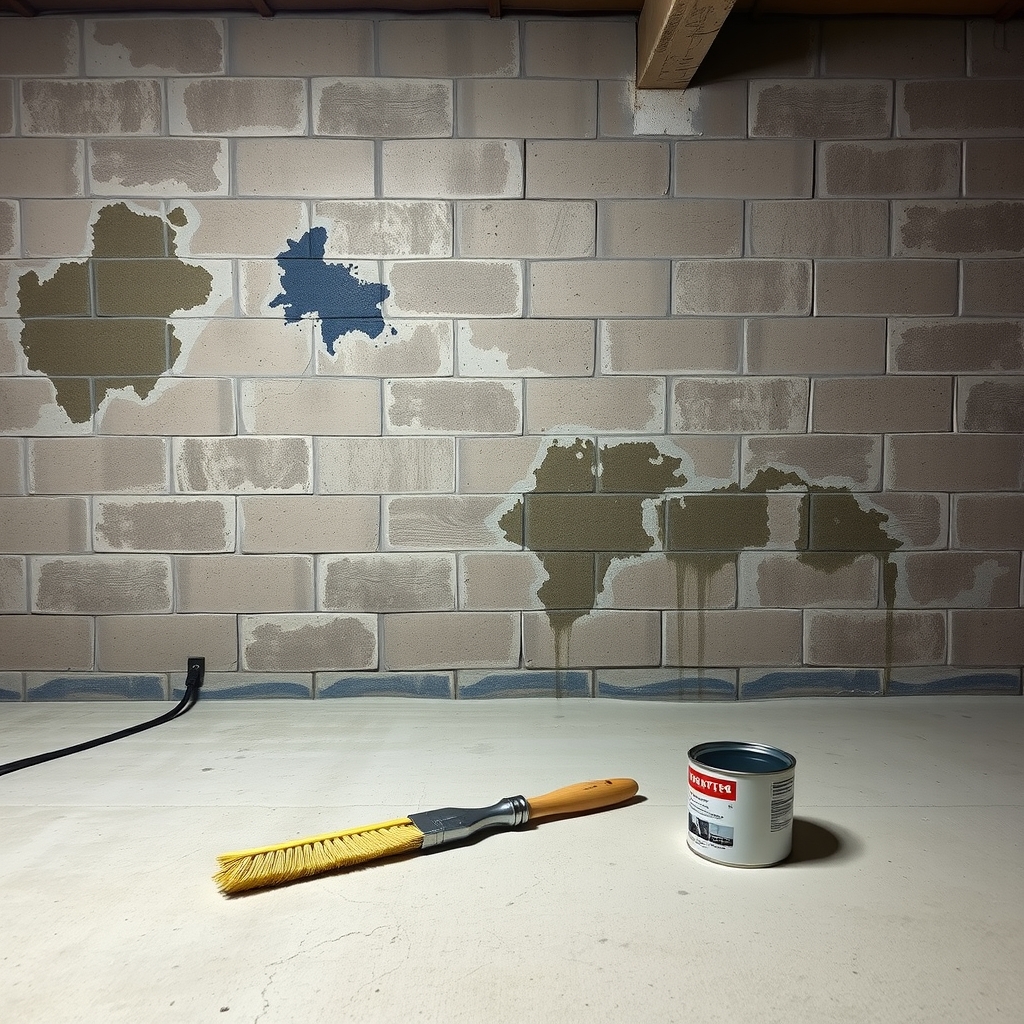 Free fix inside
Air & Temperature · Basement
Basement Walls Seeping? Waterproofing Paint and Its Limits
Read the fix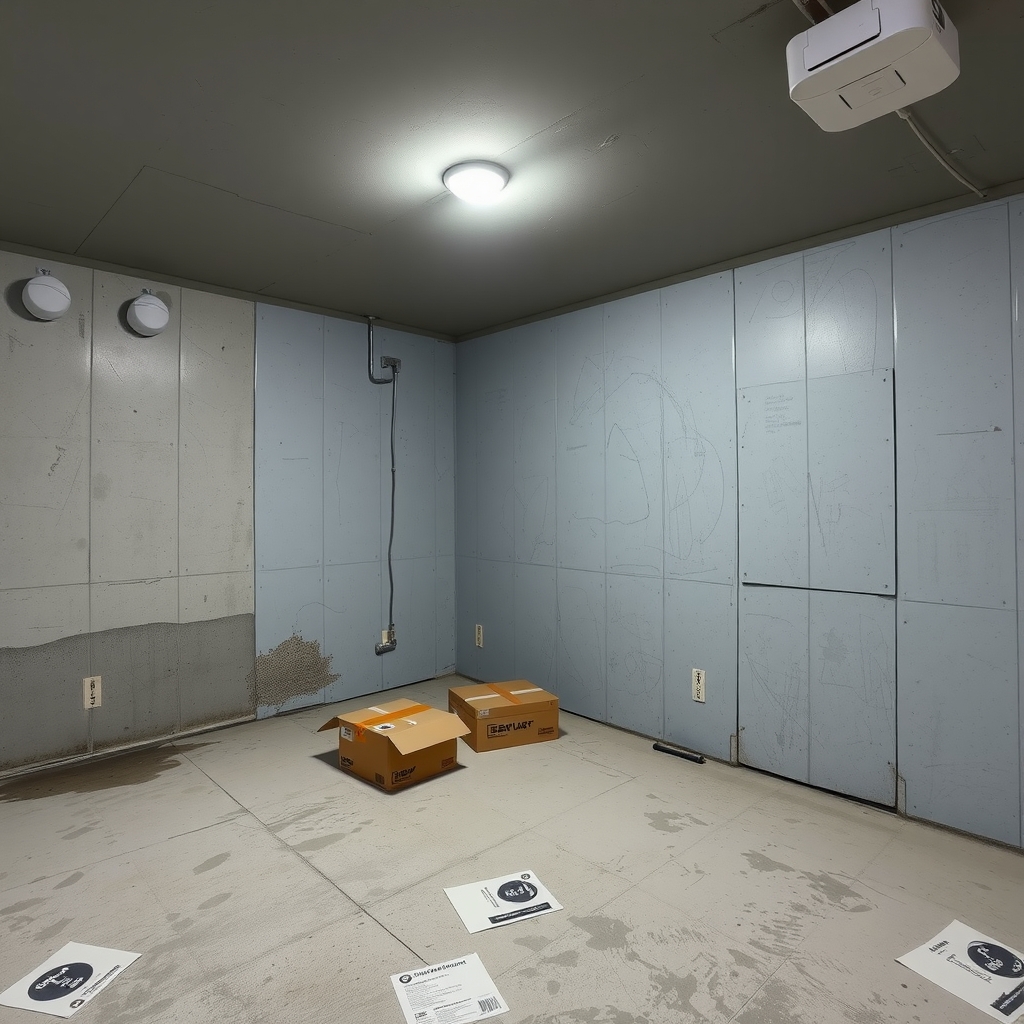 Free fix inside
Air & Temperature · Basement
Basement So Humid? Pick the Right Size Dehumidifier
Read the fix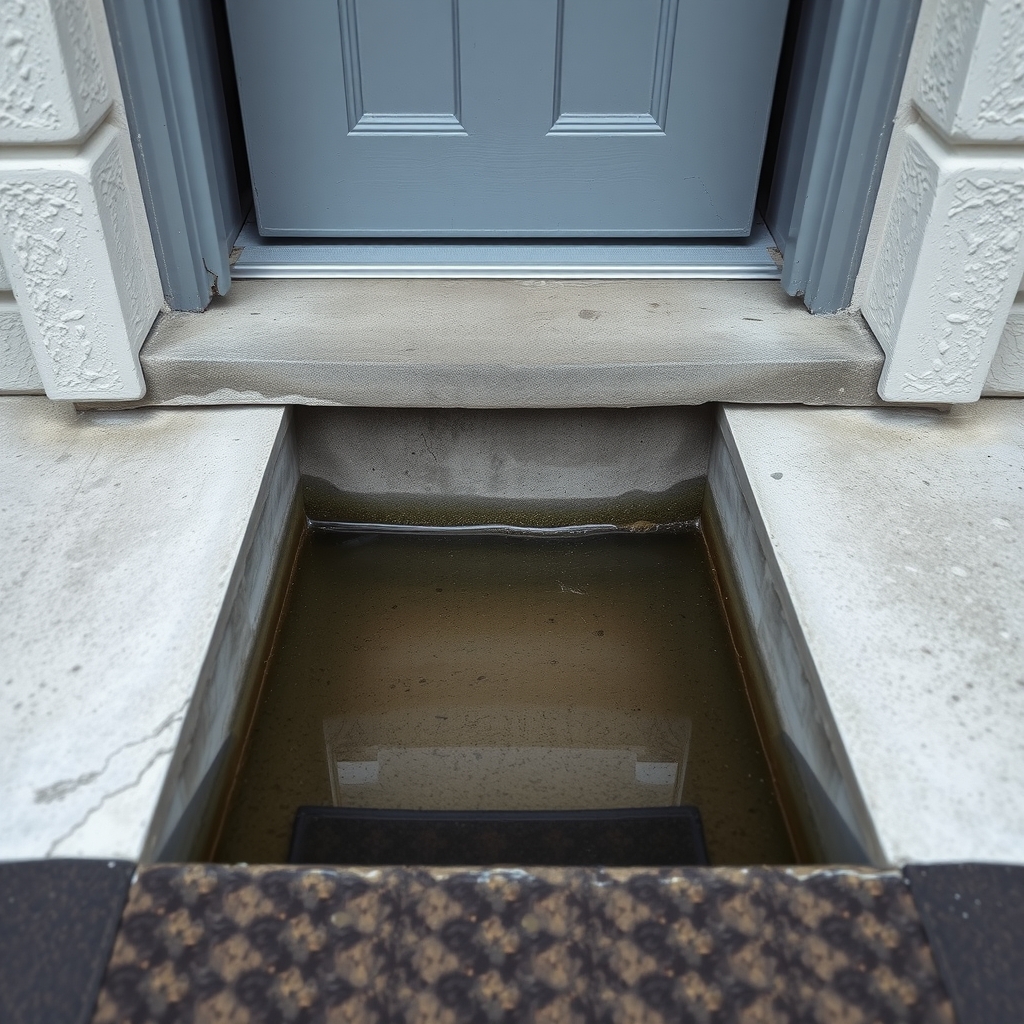 Free fix inside
Air & Temperature · Basement Door
Basement Door Leaking? Door Sweeps and Threshold Seals
Read the fixAs an Amazon Associate I earn from qualifying purchases. Affiliate disclosure