Basement Window Leaking When It Rains? Window Well Covers
Rain that fills the window well pushes water through the frame. Clear and drain the well first, then add a cover that keeps the rain out.
By Jamilur Rahman Updated November 5, 2026 · 7 min read
- Time
- 1-2 hours
- Cost
- $50-$150
- Difficulty
- Easy
In this guide
Quick answer
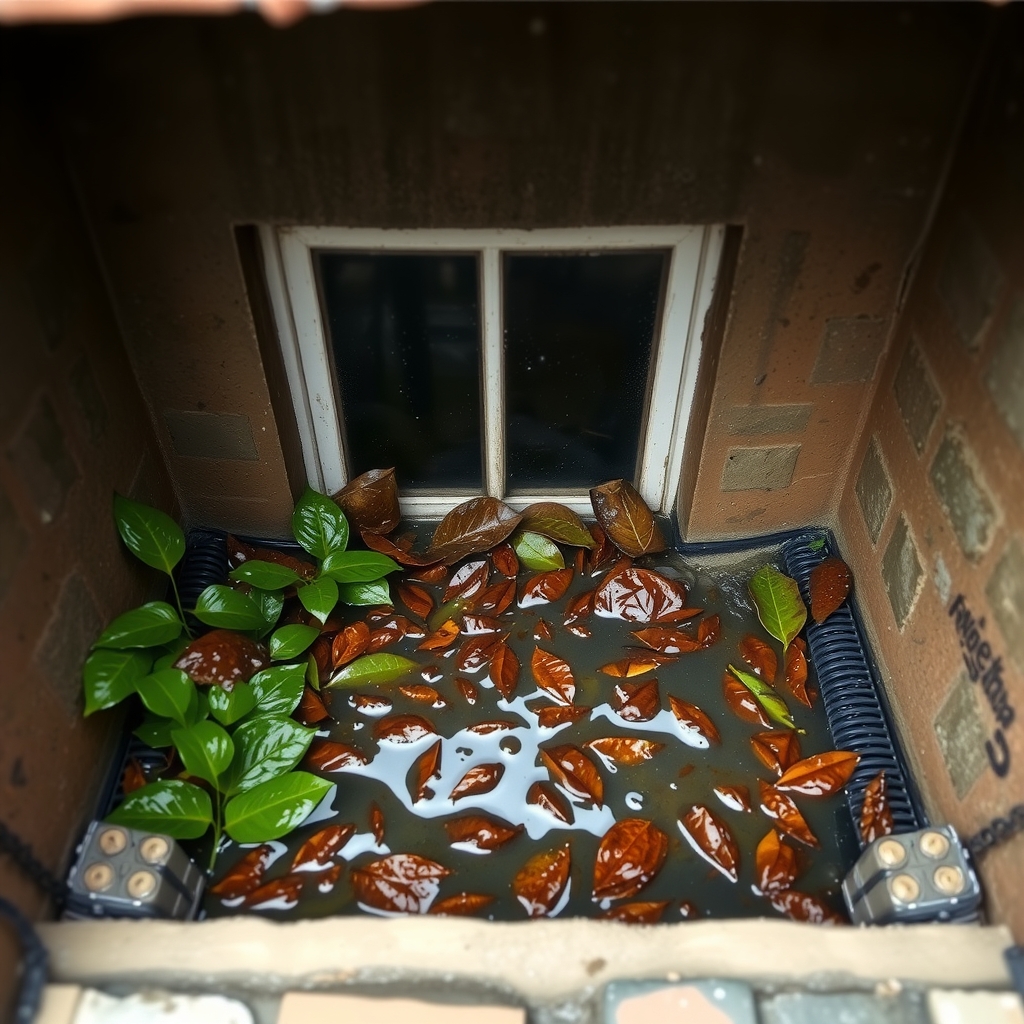
A basement window usually leaks when rain fills the window well, so water sits against the frame and finds a gap. Clear the leaves and silt, check that the well drains and send downspout water away from it. Then fit a window well cover, which keeps rain and debris out so the well cannot fill. If water comes through the wall or floor, or the well floods to the sill, call a pro.
Free fix vs. permanent fix
Clear the well, test the drainage, redirect the downspout
- Clear leaves, dirt and silt from the well
- Run a hose into the well for 10 minutes to test the drainage
- Move downspout water 4 to 6 feet away from the well
- Reseal gaps around the window frame outside
How long it lasts: Months, if the well drains. Leaves and silt come back each season, and a heavy storm can still overfill an open well.

A window well cover sized to your well
Most window leaks start with an open well catching rain and leaves. A cover keeps that water out, and a clear one still lets in light. The free steps fix the drainage you have, and the cover stops it from being tested in every storm.
What to get: Clear polycarbonate window well cover sized to your well
How long it lasts: Years. A cover stops rain and debris at the top, so there is nothing to fill or clog.
As an Amazon Associate I earn from qualifying purchases.
What you'll need
-
Work gloves
For handling wet, dirty debris
You have it -
Small shovel or trowel
To dig out silt and leaves
You have it -
Garden hose
For the drainage test
You have it -
Tape measure
To size the cover
You have it - Illustration
Exterior caulk
Seals gaps between the frame and the wall
- Illustration
Downspout extension
Carries roof water away from the well
- Our pick Illustration
Window well cover
Keeps rain and leaves out for good
Why it happens
A well full of leaves and silt
Leaves and dirt wash in with every rain and plug the bottom. Water then has nowhere to go and rises against the window.
A well with no working drain
Many wells are meant to drain through gravel at the bottom or a pipe to the foundation drain. If the gravel is packed with silt or the pipe is clogged, the well fills like a bucket.
Roof water landing next to the well
A downspout that empties at the wall sends a lot of water straight into the well and the soil beside it.
Soil sloping toward the house
Ground that falls toward the foundation sends runoff into the well. Soil should fall away from the house, about 6 inches over the first 10 feet.
A worn window seal
Old caulk, cracked glazing or a failing frame lets in water even at a modest level in the well.
Try this first (free)
Do these in order, starting with the simplest.
-
Clear the well
Tool used: Small shovel or trowelWear gloves. Scoop out the leaves, mud and trash. Look before you reach in, since wasps, spiders and small animals sometimes nest there.
-
Test the drainage
Tool used: Garden hoseRun a hose into the well at a slow trickle for about 10 minutes. The water should drain away steadily. If it rises and stays, the gravel is packed or the drain is blocked.
-
Refresh the gravel
Tool used: Small shovel or trowelIf water pools, dig down a few inches and remove the silt. Put back clean, coarse gravel. Keep the gravel well below the bottom of the window frame.
-
Send roof water away
Tool used: Downspout extensionMake sure the downspout empties at least 4 to 6 feet from the well. An extension or a splash block does it, and it is the quickest way to cut how much water ever reaches the well.
IllustrationCheck price on AmazonTool for this step
Downspout extension · Carries roof water away from the well
-
Seal the window frame
Tool used: Exterior caulkOn a dry day, scrape out cracked caulk around the frame outside and seal the gap with exterior caulk. If the window has weep holes at the bottom, leave them open.
IllustrationCheck price on AmazonTool for this step
Exterior caulk · Seals gaps between the frame and the wall
When free fixes aren't enough
A cleared well still fills if it has no working drain, and a drained well still catches a new load of leaves and rain every storm. If you clear the same well twice a season, or water rises in it during heavy rain, a cover is the fix that lasts, because it keeps rain and debris out. It will not stop water that comes through the wall, the floor or a crack, or groundwater rising from below. If the well fills to the sill, water runs in under the window or a damp stain spreads across the wall or floor, call a foundation or waterproofing pro. If water reaches outlets or appliances, leave the basement and switch the power off at the panel only if you can do so without standing in water.
Buy the fix
Still stuck after the free fixes? These are the products we would look at.
| Pick | Product | Fixes | Who it's for | Buy |
|---|---|---|---|---|
| Best pick | Clear polycarbonate window well cover sized to your well | rain, leaves and debris filling the well | Anyone whose well fills with water or leaves, on a window that is not needed as an exit. | Check price |
| Budget pick | Downspout extension | roof water landing right next to the well | Wells that flood mostly when the nearby downspout is running hard. | Check price |
| Upgrade pick | 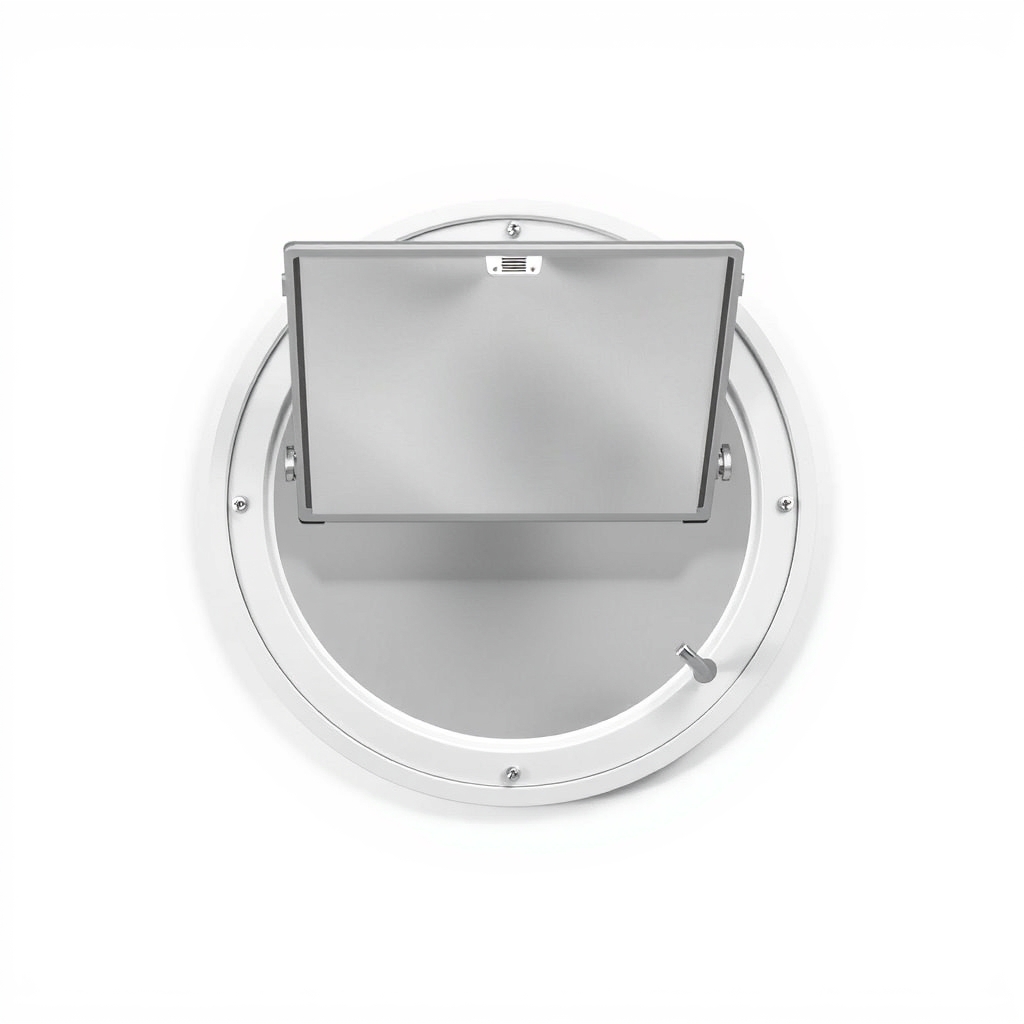 Hinged egress window well cover with an inside release | a flooding well on a window that must work as an exit | Finished basements and basement bedrooms with a code egress window. | Check price |
Clear polycarbonate window well cover sized to your well
Fixes: rain, leaves and debris filling the well
Look for: Sized to your well, so measure the width, the distance out from the wall and the depth; Clear polycarbonate that resists UV yellowing and cracking; A tight fit against the wall, so water cannot run behind it; A listed load rating for snow, if you get it.
- Who it's for
- Anyone whose well fills with water or leaves, on a window that is not needed as an exit.
- Honest downside
- The window is a bedroom escape window and the cover cannot be opened from inside without tools or a key.
Downspout extension
Fixes: roof water landing right next to the well
Look for: Long enough to carry water 4 to 6 feet from the well; Sized to your downspout outlet; A secure fit that stays attached in heavy rain.
- Who it's for
- Wells that flood mostly when the nearby downspout is running hard.
- Honest downside
- Your downspout is nowhere near the well. The water then comes from somewhere else.
Hinged egress window well cover with an inside release
Fixes: a flooding well on a window that must work as an exit
Look for: Opens from inside without a key or tool; A listed load rating for snow or foot traffic; Clear panels or a design that sheds water; A fit for the larger egress well size.
- Who it's for
- Finished basements and basement bedrooms with a code egress window.
- Honest downside
- The window is not an exit. The best pick covers a standard well without the extra hardware.
As an Amazon Associate I earn from qualifying purchases. We don't show prices because they change, so use the button to see today's price.
How we picked: How we picked: this page is based on basement waterproofing guides, window well and egress safety rules, building code summaries, and what owners report in cover reviews. We do not test products by hand.
How to measure for a window well cover
- Measure the width across the inside of the well at the top.
- Measure how far the well sticks out from the wall, called the projection.
- Measure the depth from the top of the well down to the ground.
- Note the shape: round, square, stepped or curved.
Covers are listed by width and projection, so match those two numbers first.
Escape windows: the safety rule
If the basement window is the way out of a bedroom, the cover must open from inside without a key or a tool. A fixed cover can trap people in a fire. A cover also keeps children and pets from falling into the well, so the right one does both jobs. Check local code before you buy.
What to skip
Sealing the inside of the window and thin bubble covers
Sealing the inside of the frame or taping plastic over the glass can trap water in the wall. Thin, bubble-style plastic covers can crack in cold weather or under snow. Skip any cover that blocks the exit from an escape window.
Frequently asked questions
Do window well covers stop basement windows from leaking?
Will a cover make the basement dark?
Can I put a cover on an escape window?
Should the well have its own drain?
Related problems
As an Amazon Associate I earn from qualifying purchases. Affiliate disclosure