Basement Walls Seeping? Waterproofing Paint and Its Limits
Damp basement walls often come from outside water, not the paint. Test it, fix the drainage, then seal leftover seepage with masonry waterproofing paint.
By Jamilur Rahman Updated November 5, 2026 · 7 min read
- Time
- A weekend
- Cost
- $50-$150
- Difficulty
- Medium
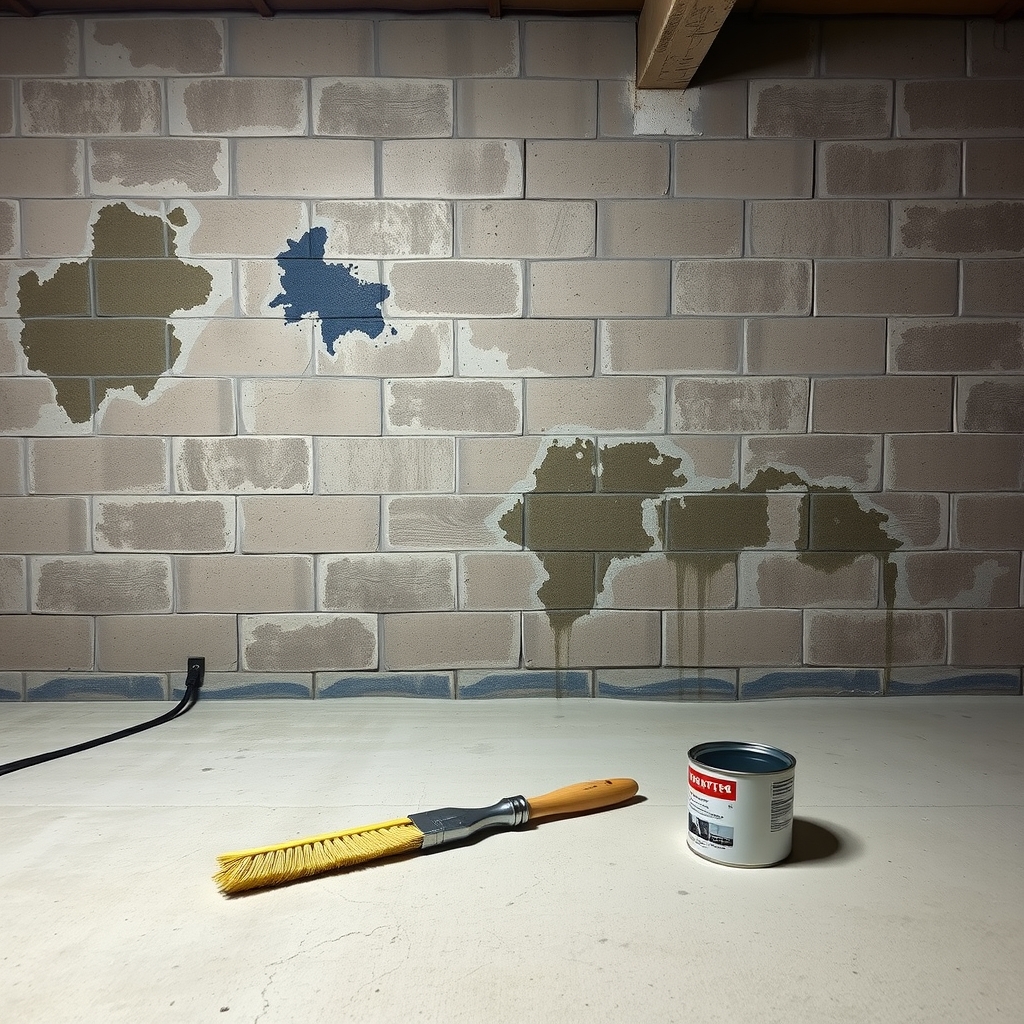
In this guide
Quick answer
To stop basement seepage, first find out if the water comes through the wall or is just condensation, then fix the water outside: gutters, downspouts and ground slope. Seal leftover damp patches on bare masonry with two coats of waterproofing paint, and plug any crack with hydraulic cement. Paint handles minor seepage only. Flowing water, big cracks or bowing walls need a pro.
Free fix vs. permanent fix
Test the wall and fix the water outside
- Tape foil to the wall for a day to tell seepage from condensation
- Clean the gutters and send downspouts at least 4 to 6 feet away
- Slope soil away from the foundation, about 6 inches over the first 10 feet
- Run a dehumidifier if the air is damp
How long it lasts: As long as the gutters stay clear and the soil slopes away. It stops the cause, but does not seal a damp wall.
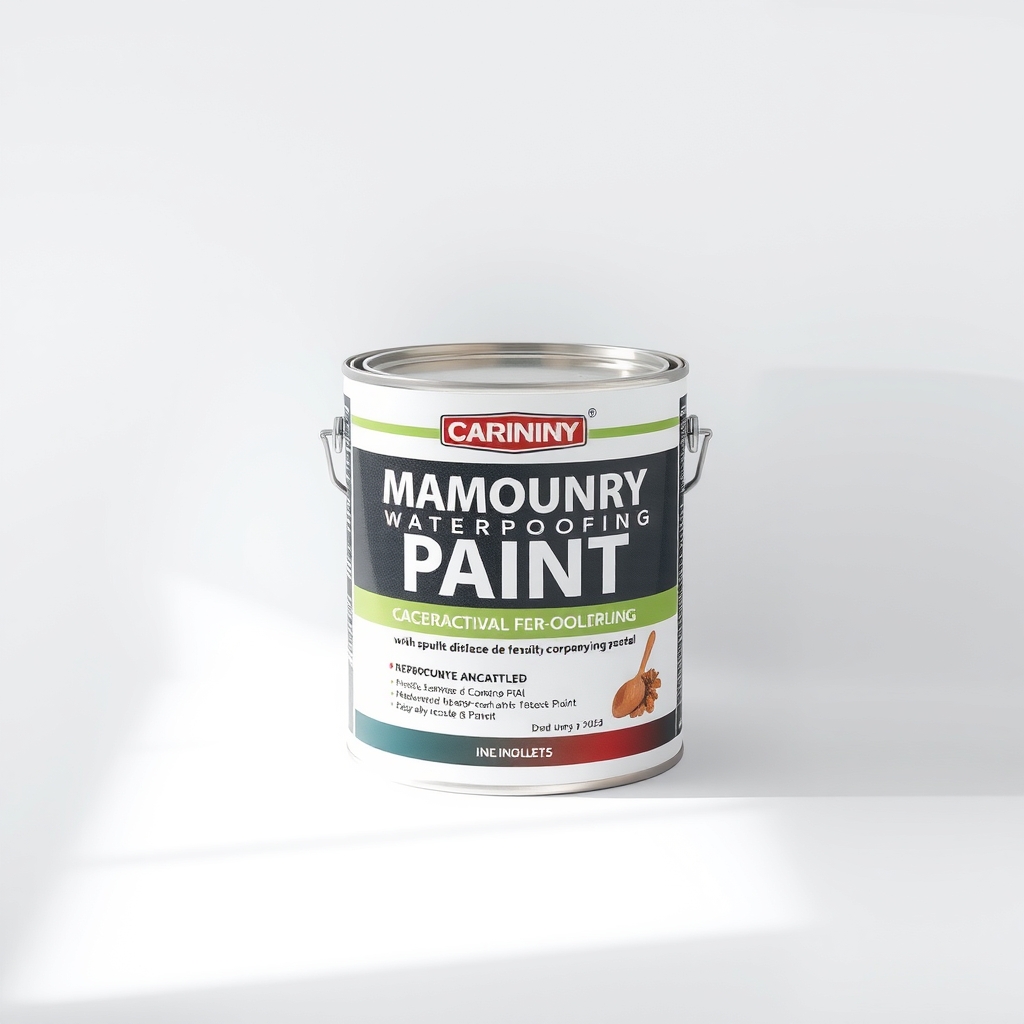
Masonry waterproofing paint on a clean, bare wall
Masonry waterproofing paint is thick and fills the tiny pores in concrete and block, so damp that creeps through stops showing on the inside. It is a surface seal for minor seepage, which is why it works best after you have fixed the water outside.
What to get: Masonry waterproofing paint
How long it lasts: Several years on minor dampness if the wall is prepared well and outside water is under control. It does not stop pressure from standing water.
As an Amazon Associate I earn from qualifying purchases.
What you'll need
-
Aluminum foil and duct tape
For the foil test that tells seepage from condensation
You have it - Illustration
Wire brush
To scrape off loose paint, flaking and white salt
-
Dust mask or respirator, and safety glasses
For scraping and for paint fumes
You have it - Illustration
Hydraulic cement
Fills cracks and holes, and sets even on damp walls
- Our pick Illustration
Masonry waterproofing paint
For bare concrete or block walls with minor damp
- Illustration

Downspout extensions
Carry roof water away from the wall
Why it happens
Water from the roof pooling at the wall
Clogged gutters or short downspouts dump water right next to the foundation. The soil soaks it up and the water pushes in through the block.
Ground sloping toward the house
Soil that falls toward the wall sends rain to the foundation instead of away from it. Planters and mulch piled against the wall do the same.
Cracks and gaps in the wall
Hairline cracks, tie-rod holes and the joint where wall meets floor give water a place to enter. Damp patches often line up with them.
Groundwater pressure
After heavy rain or snowmelt, the water in the soil rises and pushes through porous concrete. That is hydrostatic pressure, and it can beat a coat of paint.
Try this first (free)
Do these in order, starting with the simplest.
-
Run the foil test
Tool used: Aluminum foil and duct tapeTape a 12-inch square of foil flat to a damp spot, sealing all four edges, and leave it 24 to 48 hours. Moisture on the room side of the foil means condensation. Moisture under the foil, or a damp wall behind it, means water coming through.
-
Send roof water away from the wall
Tool used: Downspout extensionsClean the gutters and extend each downspout at least 4 to 6 feet from the foundation. Check that every downspout drains and is not buried or cracked.
IllustrationCheck price on AmazonTool for this step
Downspout extensions · Carry roof water away from the wall
-
Fix the slope
Add soil so the ground falls about 6 inches over the first 10 feet away from the house. Pull back mulch and plants from the wall.
-
Prep the wall
Tool used: Wire brushWear a mask and glasses. Scrub loose paint, flaking and white mineral salt with a wire brush, and vacuum the dust. Plug cracks and holes with hydraulic cement, pressing it in and holding it for a few minutes until it sets.
IllustrationCheck price on AmazonTool for this step
Wire brush · To scrape off loose paint, flaking and white salt
-
Paint two coats and let it cure
Tool used: Masonry waterproofing paintFollow the can for the surface and dampness it allows. Brush the first coat into the pores with a stiff brush, then apply a second coat after it dries. Keep the room ventilated and let it cure before you store anything against the wall.
IllustrationCheck price on AmazonTool for this step
Masonry waterproofing paint · For bare concrete or block walls with minor damp
When free fixes aren't enough
Paint only works on bare masonry with minor seepage. If water runs, trickles or puddles after rain, or the wall bows, or you see a long horizontal crack or stair-step cracks, stop and call a foundation or waterproofing pro. Paint will blister on a wall that is under water pressure, and a patched crack can reopen. Mold on a patch bigger than about 10 square feet is also a job for a pro. If water reaches electrical outlets or the panel, stay out and have an electrician check it.
Buy the fix
Still stuck after the free fixes? These are the products we would look at.
| Pick | Product | Fixes | Who it's for | Buy |
|---|---|---|---|---|
| Best pick | Masonry waterproofing paint | minor damp patches and seepage on bare masonry walls | Homeowners with damp patches, light seepage or a dusty, damp wall after the outside water is fixed. | Check price |
| Budget pick | Hydraulic cement for cracks and holes | a leaking crack, tie-rod hole or wall-to-floor joint | People with one or two small leaks and walls that are otherwise dry. | Check price |
Masonry waterproofing paint
Fixes: minor damp patches and seepage on bare masonry walls
Look for: Made for bare concrete, block and masonry walls; A label that says it covers damp walls and the maker's stated limits; A thick, roll-on or brush-on formula you can apply in two coats; Low odor or clear ventilation instructions for a basement.
- Who it's for
- Homeowners with damp patches, light seepage or a dusty, damp wall after the outside water is fixed.
- Honest downside
- The wall is drywall, painted, sealed or under standing water. Water that flows or pools after rain needs a pro.
Hydraulic cement for cracks and holes
Fixes: a leaking crack, tie-rod hole or wall-to-floor joint
Look for: A fast-setting mix that sets under damp conditions; A tub size that matches your cracks and holes; Mixing and patching instructions on the label.
- Who it's for
- People with one or two small leaks and walls that are otherwise dry.
- Honest downside
- The cracks are wide, growing, horizontal or stair-step. That points to structural movement, and a patch will not hold.
As an Amazon Associate I earn from qualifying purchases. We don't show prices because they change, so use the button to see today's price.
How we picked: How we picked: this page is based on waterproofing coating instructions, public basement-moisture guides, basic drainage and grading advice, and what owners report in reviews of masonry waterproofing paint. We do not test products by hand.
Seepage or condensation? Tell them apart
Cold concrete wall, warm damp air and a basement without good airflow often cause condensation, which looks like seepage. The foil test settles it. If the foil is wet on the room side, you need a dehumidifier and airflow, not paint. If the wall is wet behind the foil, water is coming through.
Know the limits of paint
- It seals the surface pores, not cracks. Fill those first.
- It needs bare masonry. Old paint and sealer must be removed.
- It holds against light dampness, not water pushing from behind.
- It does nothing about the cause outside, so fix gutters and grading too.
What to skip
Painting over a wet wall, or using regular paint
Ordinary latex paint and wall primer peel off a damp basement wall. Sealing a wall that is still wet, or that has loose paint on it, traps moisture, and the coating bubbles and flakes.
Frequently asked questions
How do I fix basement seepage for good?
How do I stop a basement wall from leaking?
Does waterproofing paint really work?
Is basement seepage serious?
Related problems
 Free fix inside
Air & Temperature · Basement
Basement Flooding When It Rains? Early Warning and First Fixes
Read the fix Free fix inside
Air & Temperature · Basement
Basement Window Leaking When It Rains? Window Well Covers
Read the fix Free fix inside
Air & Temperature · Basement
Basement So Humid? Pick the Right Size Dehumidifier
Read the fix Free fix inside
Air & Temperature · Basement
Basement Smells Musty? 5 Steps That Actually Clear the Odor
Read the fixAs an Amazon Associate I earn from qualifying purchases. Affiliate disclosure