Basement So Humid? Pick the Right Size Dehumidifier
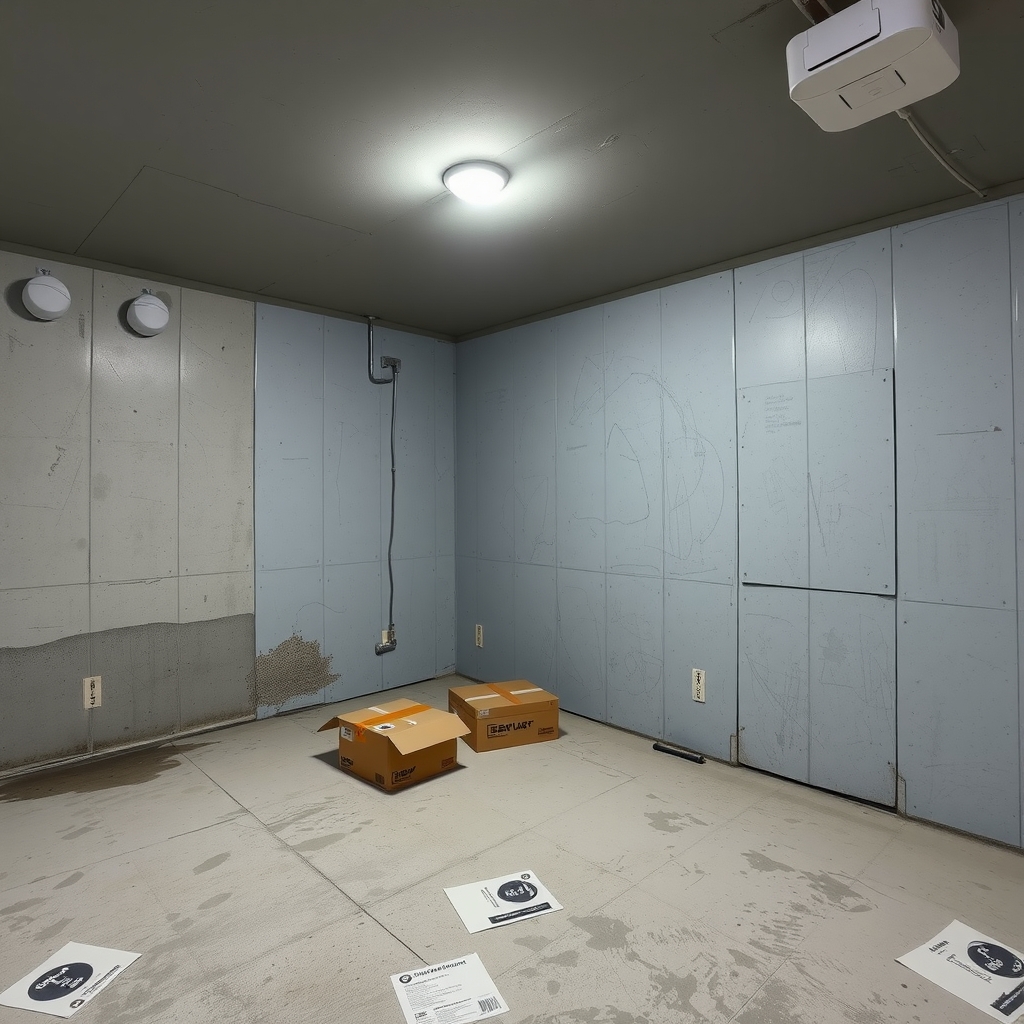
Concrete and soil send damp into a basement all year. Find out whether it is vapor or leaking water, then pick a basement-rated unit big enough for the space.
By Jamilur Rahman Updated November 5, 2026 · 6 min read
- Time
- 1 hour, plus a 24-hour test
- Cost
- $150+
- Difficulty
- Easy
In this guide
Quick answer
Basements are humid because concrete is porous, the ground is damp, and summer air condenses on cool surfaces. First test whether the moisture is vapor in the air or water seeping through the wall, then fix gutters and drainage. For vapor, a dehumidifier made for cool basements, sized to your square footage and drained by hose, is the fix that lasts.
Free fix vs. permanent fix
Test, redirect the water and ventilate
- Tape foil to the wall for 24 hours to see where moisture comes from
- Extend downspouts 4 to 6 feet from the house
- Keep windows shut on muggy days
- Raise boxes off the floor and vent the dryer outside
How long it lasts: Cuts the water reaching the walls. In summer, humid air still condenses on cool concrete, so humidity creeps back.
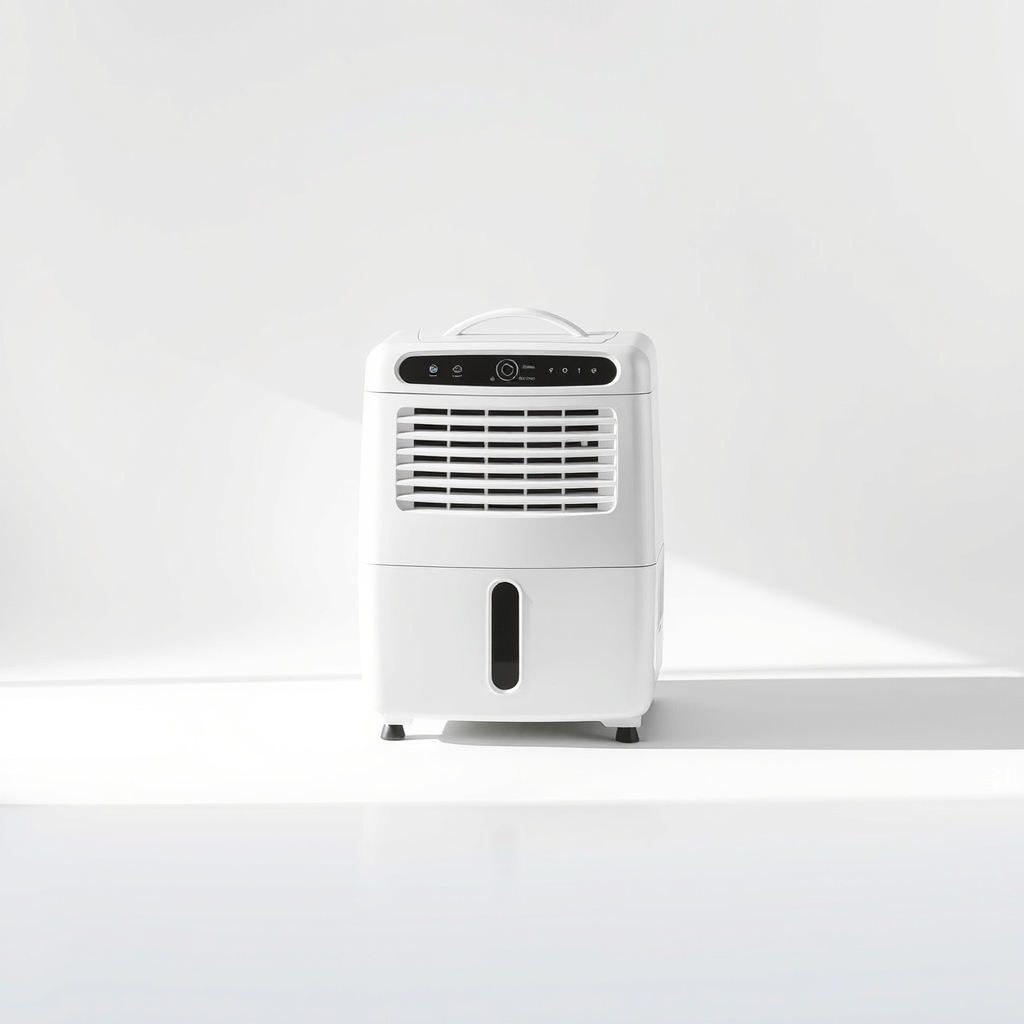
A basement dehumidifier, sized and hose-drained
Concrete keeps releasing moisture, so no one-time fix dries the air. A unit made for cool spaces removes it as it arrives. A hose to a floor drain means no bucket to empty.
What to get: Basement dehumidifier, 35 to 50 pints, with auto defrost and a hose drain
How long it lasts: Years, running all summer. It holds humidity at your target whatever the weather.
As an Amazon Associate I earn from qualifying purchases.
What you'll need
-
Aluminum foil and tape
For the 24-hour foil test
You have it - Illustration
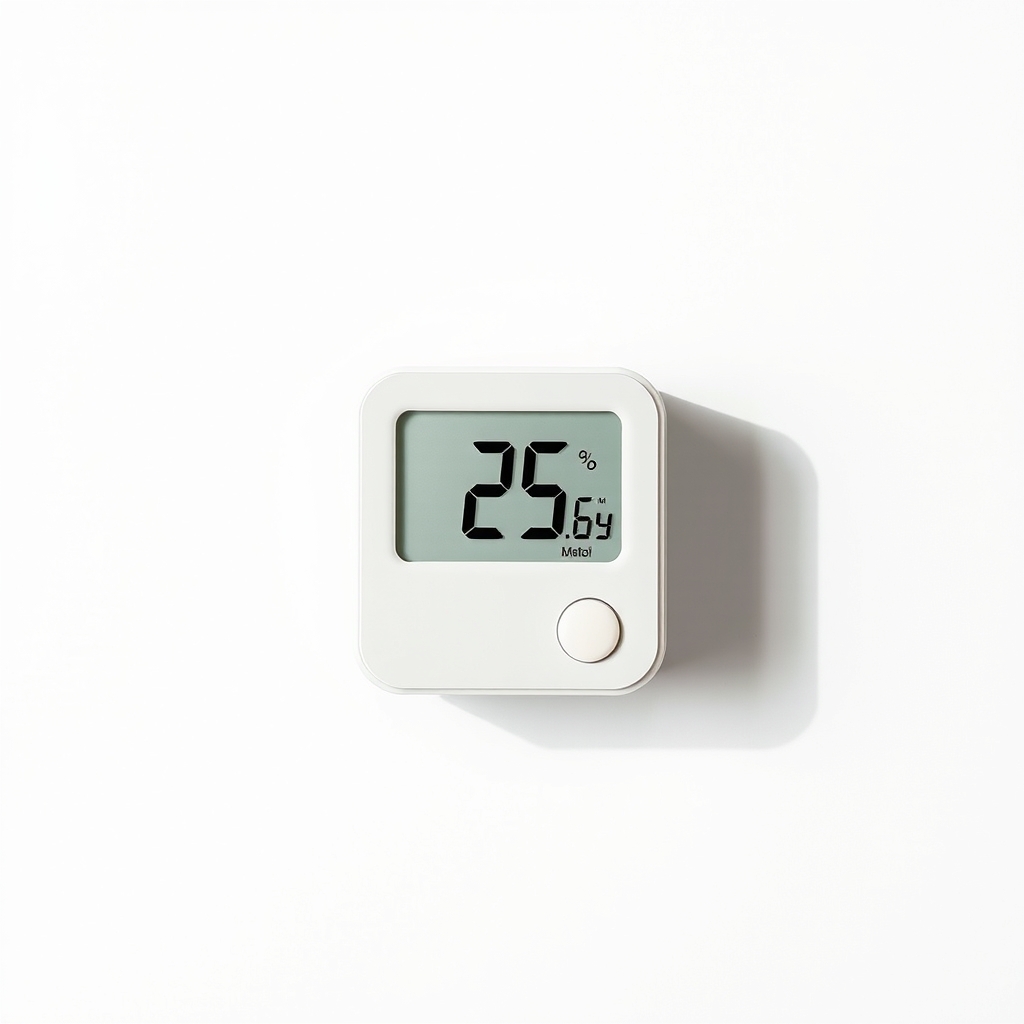
Digital hygrometer
Shows the humidity where you actually live and store things
- Our pick Illustration
Basement dehumidifier
The lasting fix; see the sizing section
- Illustration
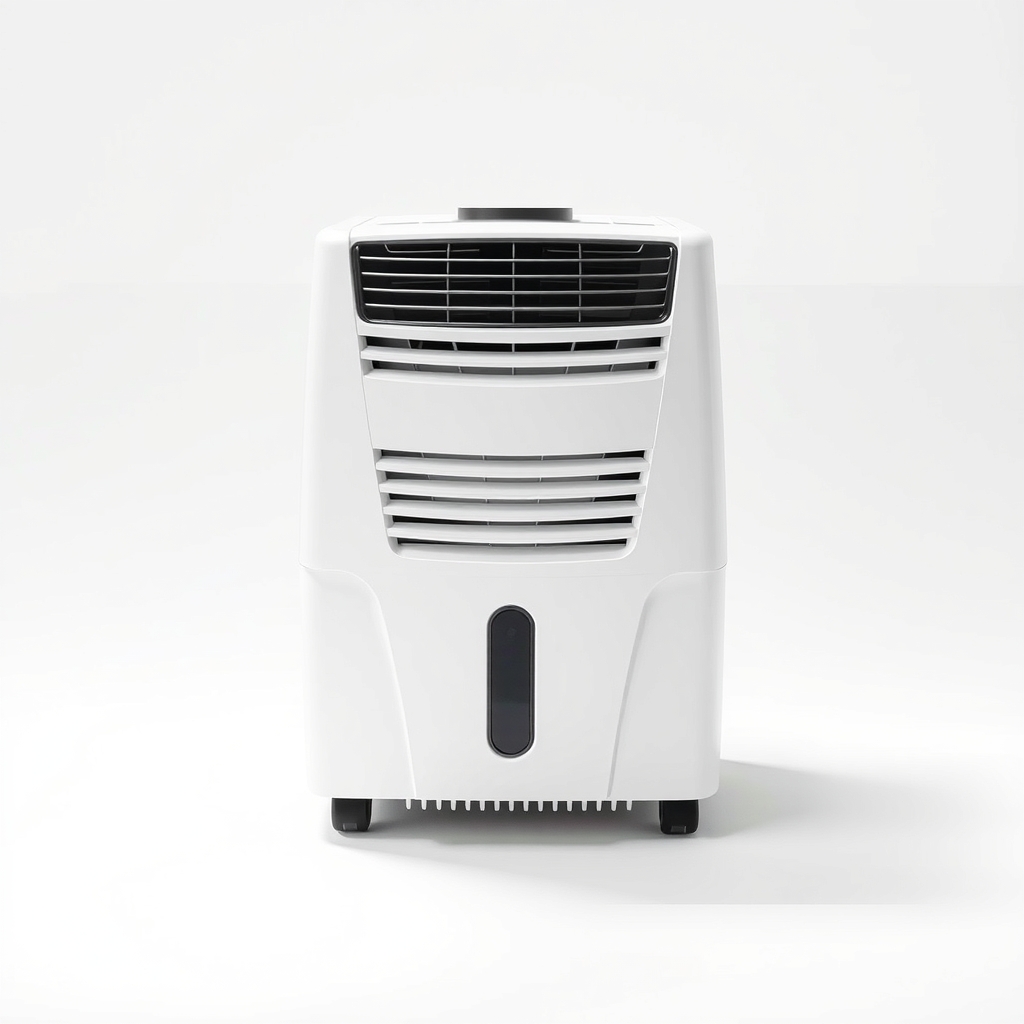
Dehumidifier with a built-in pump
For basements with no floor drain nearby
Why it happens
Damp soil and porous concrete
Concrete walls and floors pull ground moisture inward as vapor, even with no visible leak.
Warm, humid summer air on cool surfaces
Basement walls and pipes sit below the air's dew point on muggy days, so moisture condenses on them. Opening windows in summer makes it worse.
Water collecting outside
Clogged gutters, short downspouts and soil that slopes toward the house push water against the foundation.
Moisture made in the basement
A dryer venting inside, a drying rack, a bathroom with no fan and an open sump pit all add water to the air.
Stagnant air and stored stuff
Boxes stacked against walls block airflow and stay damp. Cardboard soaks up moisture and feeds mold.
Try this first (free)
Do these in order, starting with the simplest.
-
Run the foil test
Tool used: Aluminum foil and tapeTape a 12-inch square of foil tight to the wall or floor on all four sides. Check after 24 hours. Water on the outer face is condensation from humid air. Water on the wall side means moisture is coming through.
-
Measure the humidity
Tool used: Digital hygrometerPlace a hygrometer at chest height, away from the wall. Aim for 30 to 50 percent. Long stretches above 60 percent grow mold. Check again after each fix.
IllustrationCheck price on AmazonTool for this step
Digital hygrometer · Shows the humidity where you actually live and store things
-
Send rain away from the house
Clean the gutters and extend downspouts 4 to 6 feet out. Make the soil slope away from the foundation, about 6 inches over the first 10 feet.
-
Stop adding moisture
Vent the dryer outside, run the bath fan, cover the sump pit and keep windows shut on muggy days. Move boxes and fabric onto plastic shelves, with a gap between stacks and walls.
-
Add the dehumidifier and set a target
Tool used: Basement dehumidifierPut it near the center, a foot or more from walls, and set the humidistat to 45 to 50 percent. Run the hose to a floor drain or sump.
IllustrationCheck price on AmazonTool for this step
Basement dehumidifier · The lasting fix; see the sizing section
When free fixes aren't enough
Gutters and grading cut the water that reaches the foundation, but they cannot stop concrete from releasing damp or summer air from condensing on cool walls. If the hygrometer stays above 55 percent, only removing water from the air will hold it down. Choose a unit that works in cool air, since many standard units lose efficiency and ice up in a cold basement. If the foil test shows water coming through the wall, you see pooling water or leaking cracks, or mold covers more than about 10 square feet, call a waterproofing or foundation pro. A dehumidifier will not stop active leaking.
Buy the fix
Still stuck after the free fixes? These are the products we would look at.
| Pick | Product | Fixes | Who it's for | Buy |
|---|---|---|---|---|
| Best pick | Basement dehumidifier, 35 to 50 pints, with auto defrost and a hose drain | damp air that keeps coming back in a cool basement | Most basements from about 1,000 square feet up, or smaller ones that feel wet. | Check price |
| Budget pick | Digital hygrometer (humidity monitor) | guessing. It shows whether humidity is the problem and whether your fixes worked. | Anyone who has not measured the basement yet. | Check price |
| Upgrade pick | Basement dehumidifier with a built-in pump | no floor drain within reach of a gravity hose | Finished or partly finished basements with no nearby drain. | Check price |
Basement dehumidifier, 35 to 50 pints, with auto defrost and a hose drain
Fixes: damp air that keeps coming back in a cool basement
Look for: Capacity matched to your square footage and dampness; Auto defrost or a low-temperature rating, usually down to about 41°F; A hose connection for gravity drain to a floor drain; A humidistat with auto shutoff.
- Who it's for
- Most basements from about 1,000 square feet up, or smaller ones that feel wet.
- Honest downside
- The basement has active leaks or standing water. Fix the water first.
Digital hygrometer (humidity monitor)
Fixes: guessing. It shows whether humidity is the problem and whether your fixes worked.
Look for: Reads relative humidity to within a few percent; Min and max memory; A display you can read from across the room.
- Who it's for
- Anyone who has not measured the basement yet.
- Honest downside
- You already know the basement reads over 60 percent. Go to the dehumidifier.
Basement dehumidifier with a built-in pump
Fixes: no floor drain within reach of a gravity hose
Look for: A pump that lifts water to a sink, a sump or a window; Auto defrost for cool air; A hose included.
- Who it's for
- Finished or partly finished basements with no nearby drain.
- Honest downside
- A floor drain or sump is close. Gravity draining is simpler.
As an Amazon Associate I earn from qualifying purchases. We don't show prices because they change, so use the button to see today's price.
How we picked: How we picked: this page is based on public moisture and mold guidance, foundation drainage advice, dehumidifier manuals and owner reviews of basement units. We do not test products by hand.
Sizing it to the basement
- Up to about 1,000 sq ft, damp: 25 to 35 pints.
- 1,000 to 2,000 sq ft, or musty with stains: 35 to 50 pints.
- Over 2,000 sq ft, or wet-feeling: 50 pints, or two units.
Maker charts differ, so use the one for your model. Newer pint ratings use cooler test conditions, so a 35-pint label today is about what an older 50-pint label meant. Closed-off rooms block airflow and need their own plan.
Before you plug in
Plug into a grounded outlet on a dry surface. Do not run cords through standing water. If the floor is wet, shut off power to that area and call an electrician or a water pro.
What to skip
Paint-on waterproofing and open windows
Masonry waterproofing paint can peel if water pushes through from outside, and it does not dry the air. Opening basement windows in summer lets in humid air, which condenses on the cool walls and raises humidity.
Frequently asked questions
Why is my basement so damp even without a leak?
What humidity should a basement be?
Can I run a dehumidifier all the time in a basement?
Will a dehumidifier get rid of the musty smell?
Related problems
 Free fix inside
Air & Temperature · House Humidity
House Feeling Humid? Find the Cause Before You Buy a Dehumidifier
Read the fix Free fix inside
Air & Temperature · Dehumidifier
Dehumidifier Not Draining Through the Hose? Why and the Pump Fix
Read the fix Free fix inside
Air & Temperature · Dehumidifier
Dehumidifier to Prevent Mold: Size and Settings That Matter
Read the fix Free fix inside
Outdoor & Garage · Gutters
Gutters Clogging Every Fall? Which Gutter Guards Are Worth It
Read the fixAs an Amazon Associate I earn from qualifying purchases. Affiliate disclosure