Gutters Clogging Every Fall? Which Gutter Guards Are Worth It
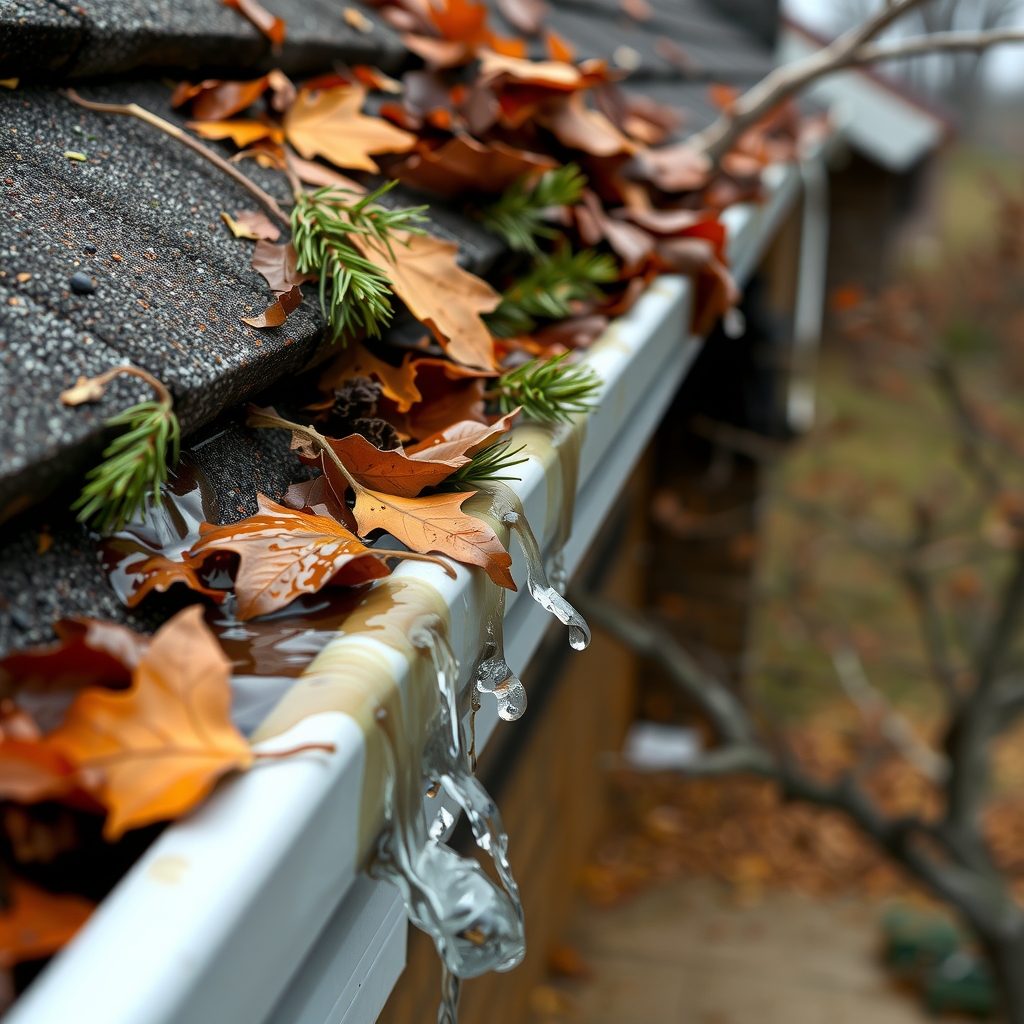
Leaves and needles pack gutters every autumn. Clear them safely now, then add guards matched to your debris so you clean far less often.
By Jamilur Rahman Updated November 5, 2026 · 7 min read
- Time
- 1 to 2 hours
- Cost
- $50-$150
- Difficulty
- Medium
In this guide
Quick answer
Gutters clog because leaves, needles and roof grit settle in the channel and block the downspout. Clear them with gloves and a scoop from a stable ladder, flush the downspout with a hose, and check that the gutter slopes toward it. Then fit guards that fit your debris: stainless micro-mesh for fine needles and grit, a coarser screen for big leaves. Guards cut the cleaning, but none ends it.
Free fix vs. permanent fix
Scoop, flush, and check the slope
- Set a stable ladder on level ground and wear gloves
- Scoop out debris and bag it, then flush with a hose
- Run water to confirm the downspout flows freely
- Check the gutter slopes slightly toward the downspout
How long it lasts: About one season. If trees hang over the roof, the gutter can pack again within weeks of the next leaf drop.
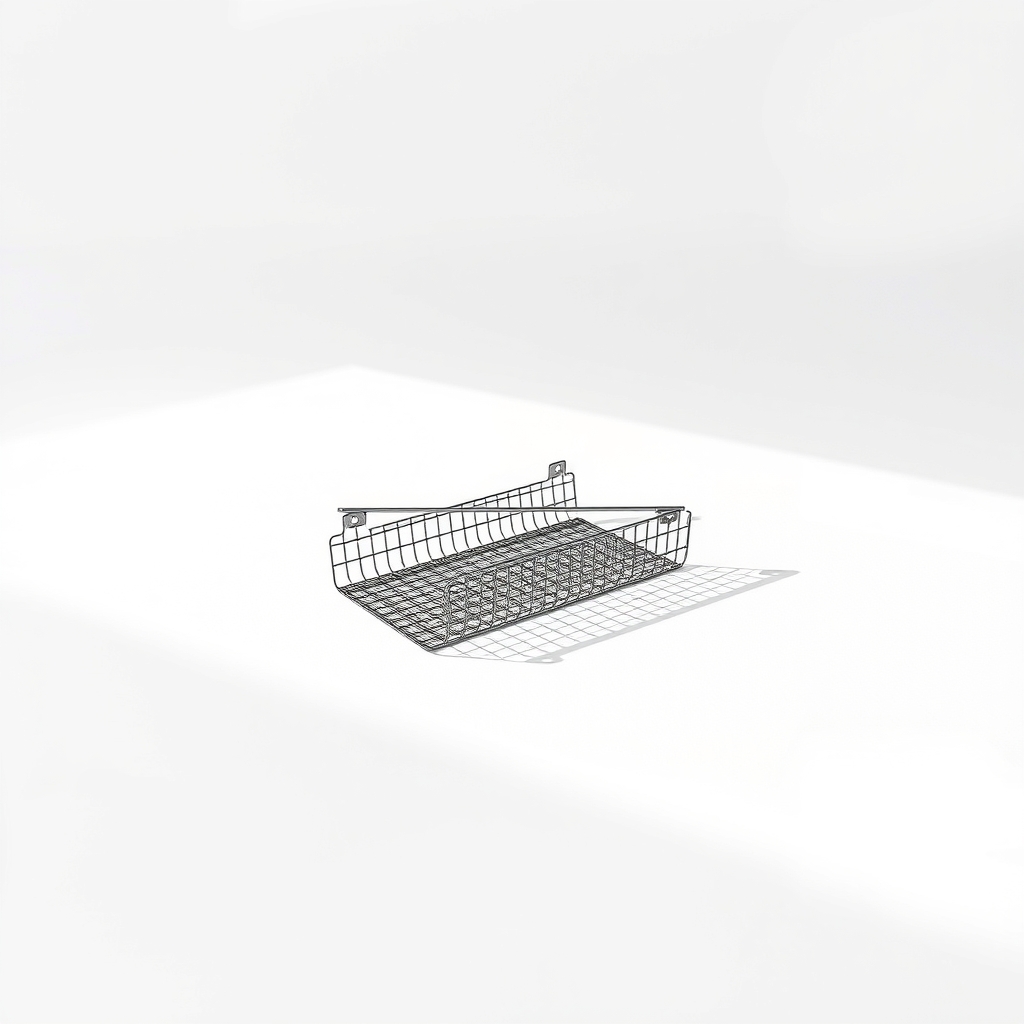
Stainless micro-mesh gutter guards
Leaves and needles fill gutters from the top. A fine mesh lets water in and keeps most debris out, so it rides the surface and the wind clears much of it. You trade a messy scoop each fall for a light brush. You still check them.
What to get: Stainless steel micro-mesh gutter guards
How long it lasts: Many years, with a quick brush or rinse once or twice a year. They keep out leaves, needles and most roof grit.
As an Amazon Associate I earn from qualifying purchases.
What you'll need
-
Sturdy extension ladder
On level ground, with a stabilizer if you own one
You have it -
Work gloves and eye protection
Gutter debris holds sharp edges and old shingle grit
You have it -
Garden hose with a spray nozzle
Flushes the channel and tests the downspout
You have it - Illustration
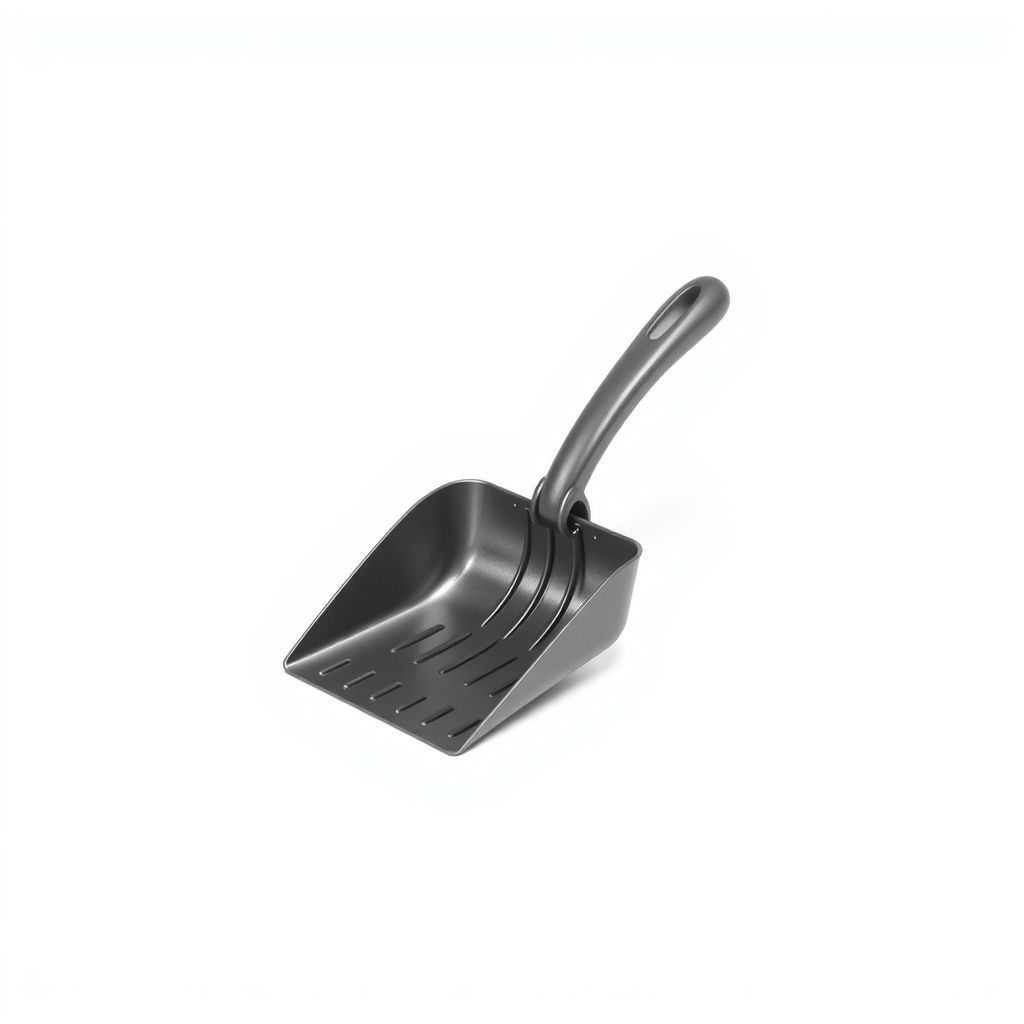
Gutter scoop
A plastic scoop fits the channel better than a garden trowel
- Our pick Illustration
Stainless micro-mesh gutter guards
Pick the width that matches your gutters, often 5 or 6 inches
- Illustration
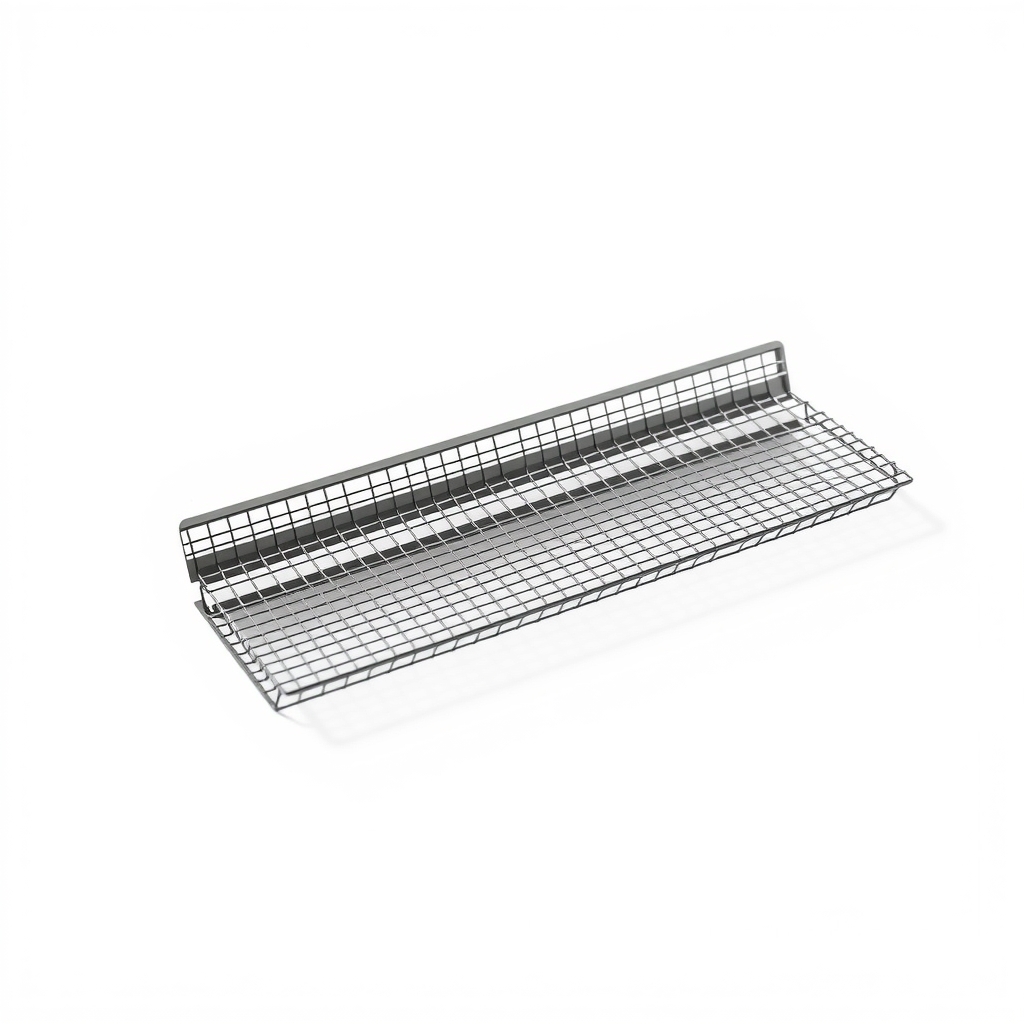
Aluminum or plastic mesh screen guards
A lower-cost screen for larger leaves
Why it happens
Trees dropping leaves, needles or seeds
Oaks, maples and pines drop a lot of debris. Wet leaves mat down, and pine needles slip into the channel and weave together.
Grit from asphalt shingles
Older asphalt roofs shed granules that wash into the gutter. They collect with fine debris and form a gritty sludge.
Standing water from a poor slope
A gutter that sags or lacks pitch holds water, so debris settles instead of washing out. A common rule is a drop of about a quarter inch per 10 feet toward the downspout.
A downspout that is too small or blocked
A narrow downspout or a plugged elbow cannot carry heavy rain. The water backs up and overflows, and debris stays in place.
Try this first (free)
Do these in order, starting with the simplest.
-
1. Set up the ladder safely
Tool used: Sturdy extension ladderUse level, firm ground and keep three points of contact. Do not lean the ladder on the gutter itself. Stay well away from power lines, and skip it in wet or windy weather. For a second story or steep roof, hire a pro.
-
2. Scoop out the debris
Tool used: Gutter scoopWear gloves and eye protection. Scoop the debris into a bucket or a bag, working toward the downspout. Move the ladder often rather than leaning out.
IllustrationCheck price on AmazonTool for this step
Gutter scoop · A plastic scoop fits the channel better than a garden trowel
-
3. Flush the gutter and downspout
Tool used: Garden hose with a spray nozzleRun water from the far end toward the downspout. If it backs up or trickles, the downspout is blocked. Push a hose from the bottom to clear it, or run a plumber's snake in.
-
4. Check the pitch and the hangers
Watch where the water pools while you run it. Puddles mean a sag, and a loose hanger or spike needs resetting. Fix that first, since a guard on a sagging gutter will still hold water.
-
5. Trim back overhanging branches
Cut branches that hang over the roof, or ask a tree service about the big ones. Less debris on the roof means less in the gutter, and the guard has less to do.
When free fixes aren't enough
If you clear the gutters and they are full again after the next storm, or you dread each ladder climb, the free fix is a yearly chore. Guards keep most of the debris out so you clean less often. They will not fix a sagging gutter, and a heavy leaf or needle load can still pile on top. If you have a steep roof, trees that overhang it or two stories, guards also cut the number of ladder trips.
Buy the fix
Still stuck after the free fixes? These are the products we would look at.
| Pick | Product | Fixes | Who it's for | Buy |
|---|---|---|---|---|
| Best pick | Stainless steel micro-mesh gutter guards | gutters that pack with leaves, needles and shingle grit | Homes under pines or oaks, or with asphalt shingles, where fine debris is the problem. | Check price |
| Budget pick | Aluminum or plastic mesh screen gutter guards | big leaves from maples and similar trees | A moderate leaf load, a simple gutter and a limit on the budget. | Check price |
Stainless steel micro-mesh gutter guards
Fixes: gutters that pack with leaves, needles and shingle grit
Look for: Fine stainless mesh, which blocks pine needles and most shingle grit; A listed fit for your gutter width, 5 or 6 inch; A rigid frame that does not sag under wet leaves; Installation that does not lift your shingles, or one your roof warranty allows.
- Who it's for
- Homes under pines or oaks, or with asphalt shingles, where fine debris is the problem.
- Honest downside
- Your gutters sag or are damaged. Repair them first. Also check your roof warranty, since some guards slide under the shingles.
Aluminum or plastic mesh screen gutter guards
Fixes: big leaves from maples and similar trees
Look for: A snap-in or clip-on design you can fit from a ladder; A mesh wide enough for water and narrow enough to block big leaves; A listed fit for your gutter width.
- Who it's for
- A moderate leaf load, a simple gutter and a limit on the budget.
- Honest downside
- You have pine needles or heavy shingle grit. They slip through coarse mesh and pack under the screen.
As an Amazon Associate I earn from qualifying purchases. We don't show prices because they change, so use the button to see today's price.
How we picked: How we picked: this page is based on gutter care guides, maker spec sheets for guards, ladder-safety advice, and the clogging problems owners report in reviews. We do not test products by hand.
Match the guard to the debris you actually have
- Big leaves (maple, oak): a screen or a micro-mesh guard works. Wind often clears leaves off the top.
- Pine needles and seeds: fine micro-mesh is the choice. Coarse screens let needles through.
- Shingle grit: fine mesh, since grit washes through a coarse screen and settles under it.
Fix the gutter before you cover it
A guard on a sagging or leaking gutter just hides the problem. Check the pitch, the hangers and the seams first. If it leaks at the seams, see the related guide on sealing them. If the gutter pulls away from the house, fix the hangers before you add a guard. And stay off the ladder in wet weather or near power lines.
What to skip
Foam inserts and brush guards
Foam soaks up water and holds debris, and seeds can sprout in it. Brush guards trap needles and leaves in the bristles. Both end up needing the same cleaning you were trying to avoid.
Frequently asked questions
Do gutter guards really work?
How often should I clean gutters with guards?
Can guards void my roof warranty?
Why do my gutters overflow even when clean?
Related problems
 Free fix inside
Outdoor & Garage · Gutters
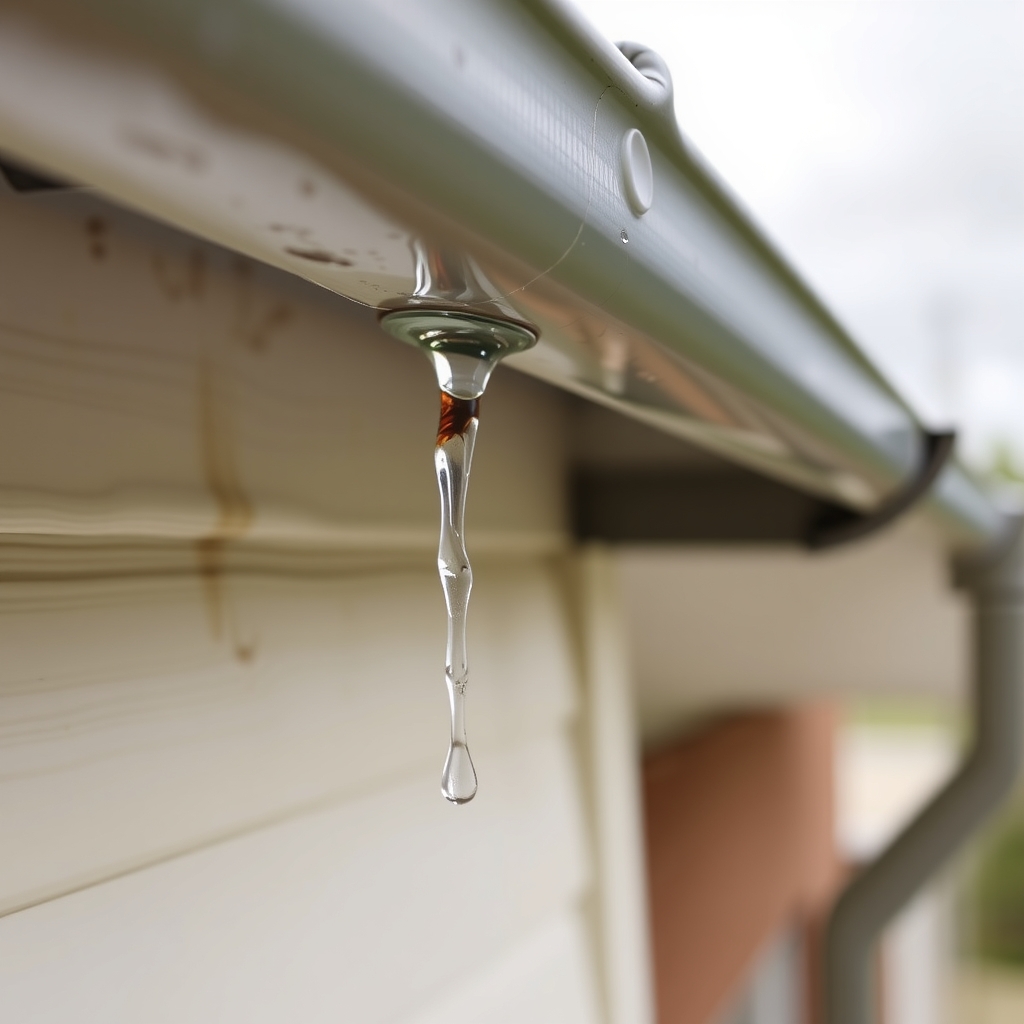
Gutters Leaking at the Seams? A Sealant Fix Takes an Hour
Read the fix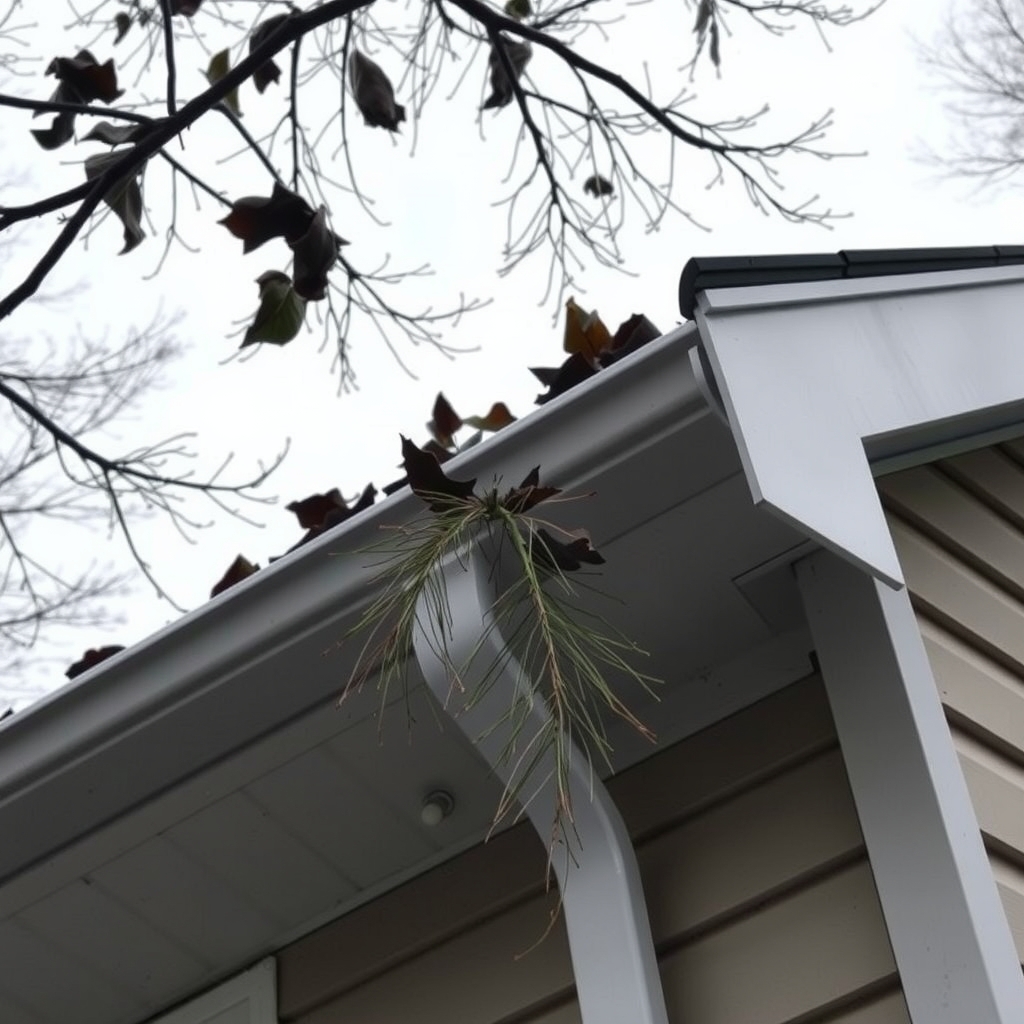 Free fix inside
Outdoor & Garage · Gutters
Gutters Too High to Clean? Reach Them From the Ground
Read the fix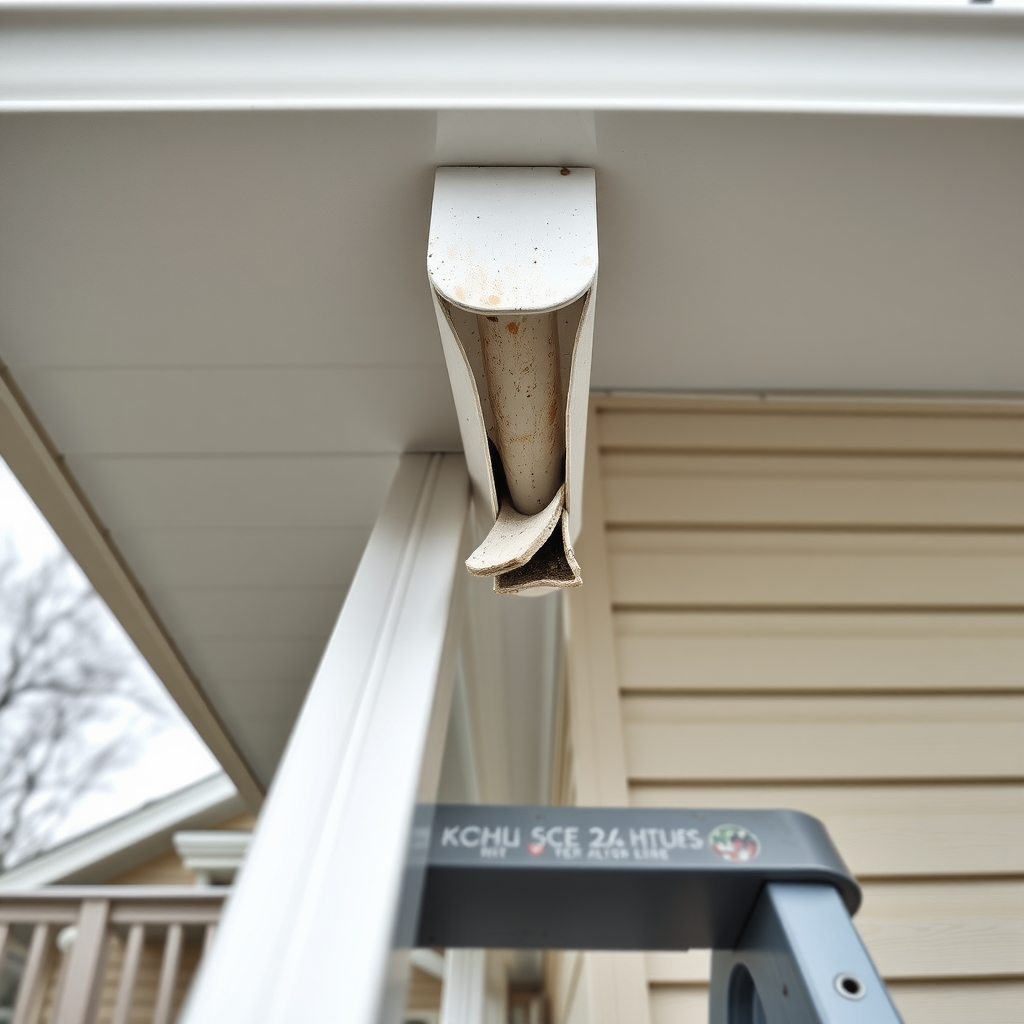 Free fix inside
Outdoor & Garage · Gutters
Gutters Pulling Away From the House? Hangers That Hold
Read the fix Free fix inside
Outdoor & Garage · Garage Flooding
Garage Floods When It Rains? A Threshold Seal Is Step One
Read the fixAs an Amazon Associate I earn from qualifying purchases. Affiliate disclosure