Garage Floods When It Rains? A Threshold Seal Is Step One
Rain runs to the low spot at your door. Clear its path first, then glue a rubber threshold seal across the gap so water cannot slip under the door.
By Jamilur Rahman Updated November 5, 2026 · 6 min read
- Time
- 3 hours, plus 24 hours to cure
- Cost
- $20-$50
- Difficulty
- Easy
In this guide
Quick answer
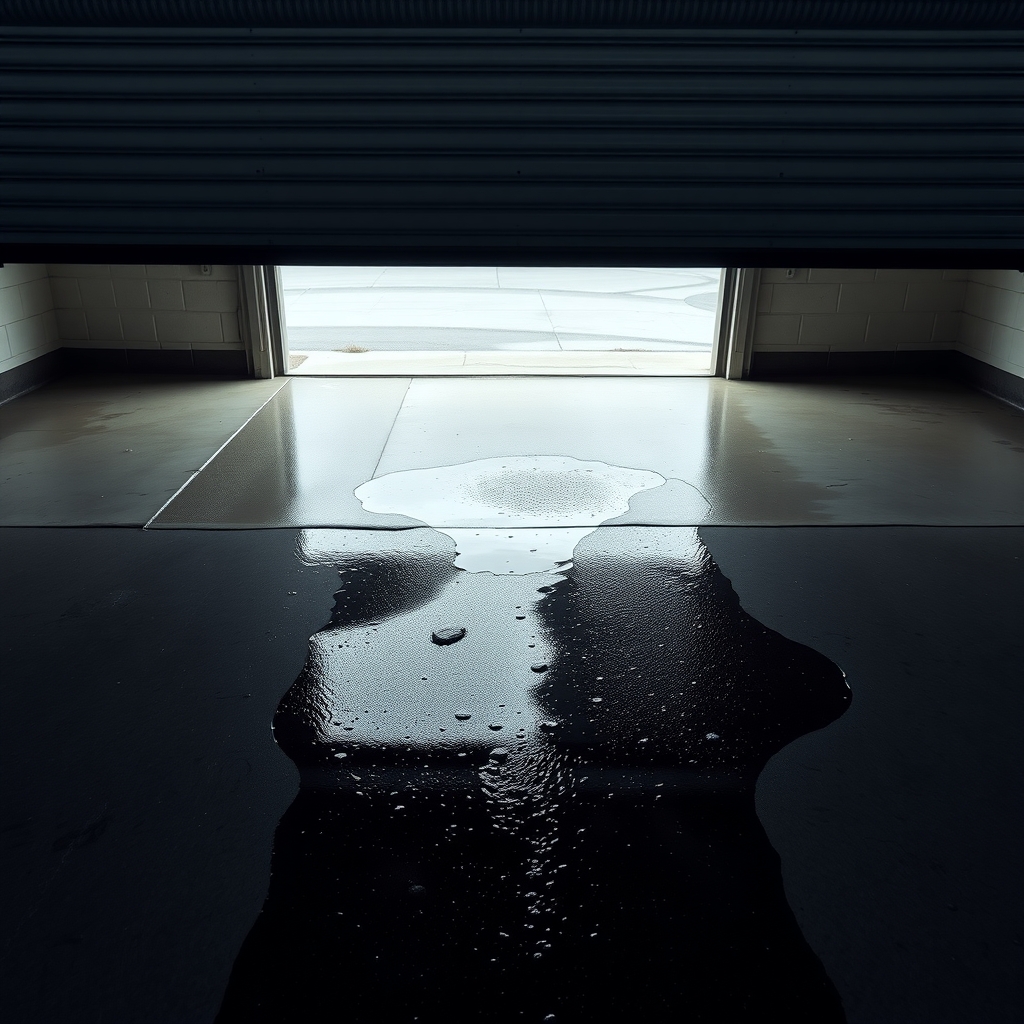
Garage floors flood when rain runs toward the door and slips through the gap under it, or seeps in through floor cracks and the wall joint. Find where the water enters, clear leaves and drains, and move downspouts away. If water comes in under the door, a rubber threshold seal glued across the floor blocks that path. It will not stop water that rises through the slab.
Free fix vs. permanent fix
Find the entry point and clear the water's path
- Watch the floor in rain with a flashlight to see where water enters
- Sweep leaves and dirt from the door base and driveway drain
- Point downspouts several feet away from the door
- Measure the gap under the closed door
How long it lasts: It can fully fix light flooding caused by clogged drains and downspouts. It will not stop water from slipping under a gappy door in a heavy storm.
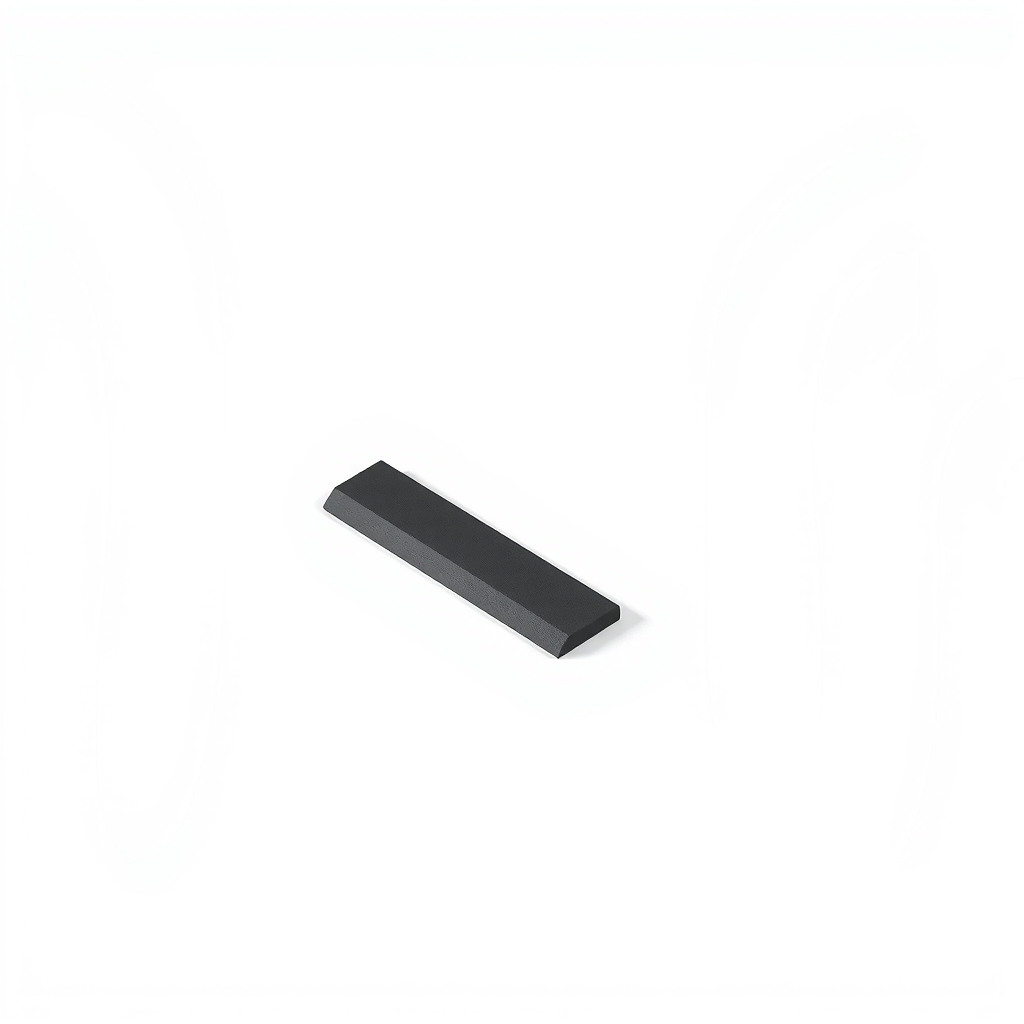
A rubber threshold seal glued across the opening
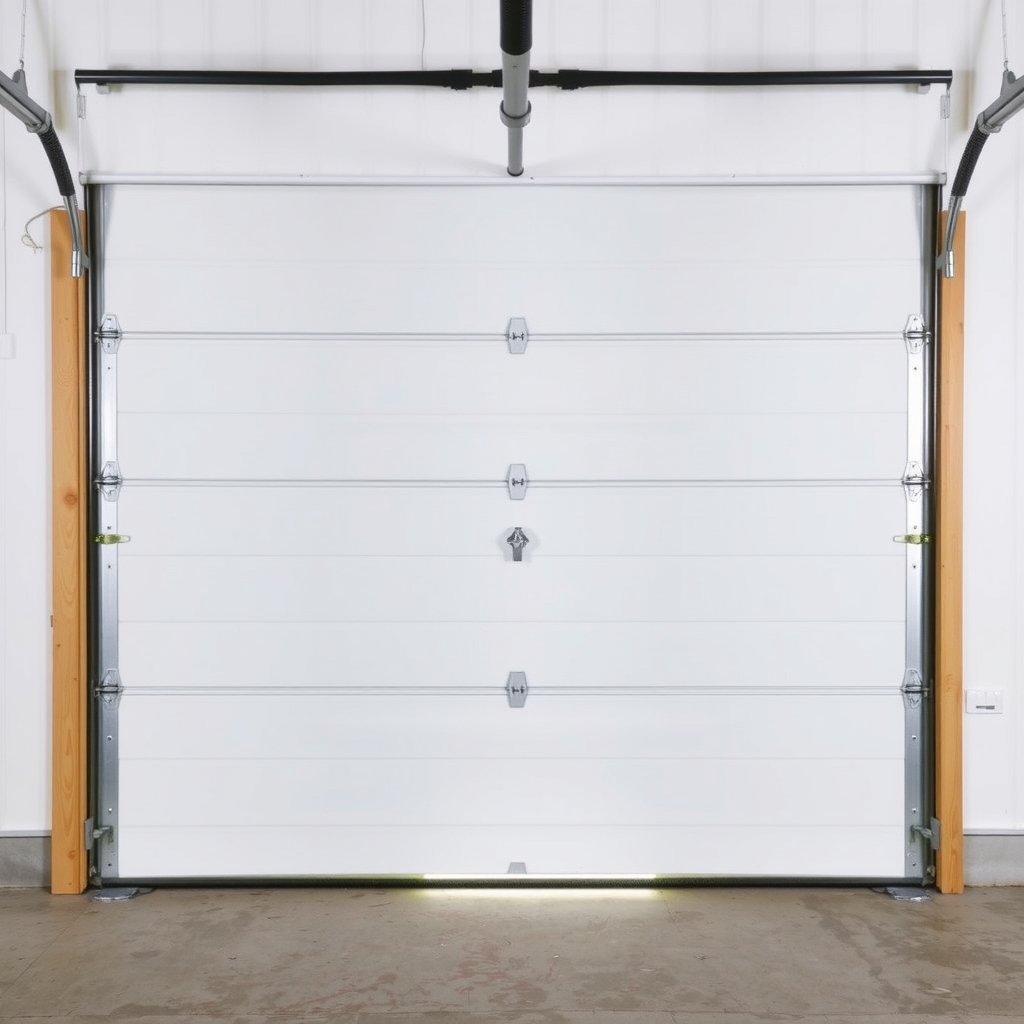
A worn bottom seal and an uneven floor leave a gap that rain finds first. A glued-down rubber threshold fills that gap and adds a low barrier, so driveway runoff stops at the door instead of running under it. The free steps cut how much water gets there.
What to get: Garage door threshold seal with adhesive
How long it lasts: Many years. It sits on the floor under the closed door and acts as a small dam.
As an Amazon Associate I earn from qualifying purchases.
What you'll need
-
Flashlight
Shows water coming in during a storm
You have it -
Stiff broom
To clear leaves and clean the floor strip
You have it -
Tape measure
Measure the gap under the door in several places
You have it -
Garden hose
For the water test after the seal cures
You have it - Our pick Illustration
Garage door threshold seal
Choose one taller than your biggest gap
- Illustration
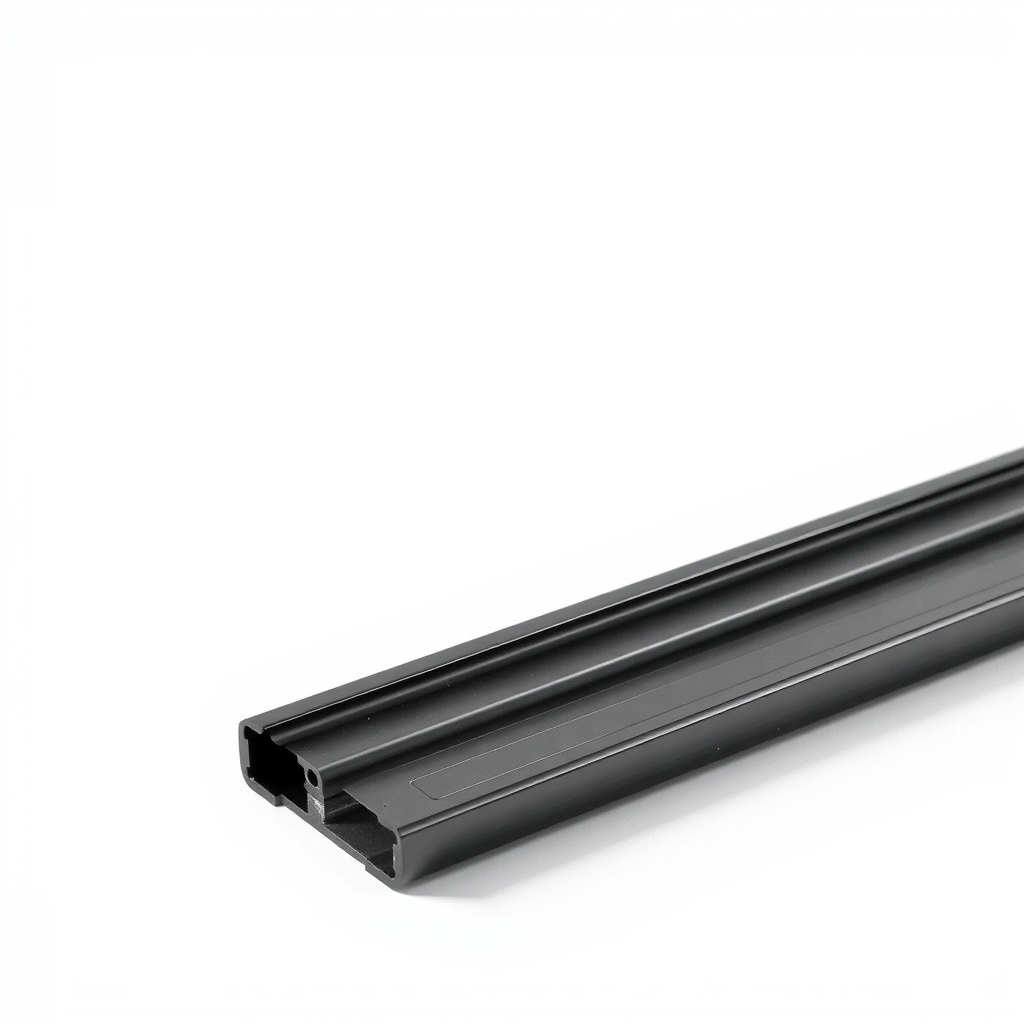
Replacement garage door bottom seal
If the rubber on the door is cracked or flat
- Illustration
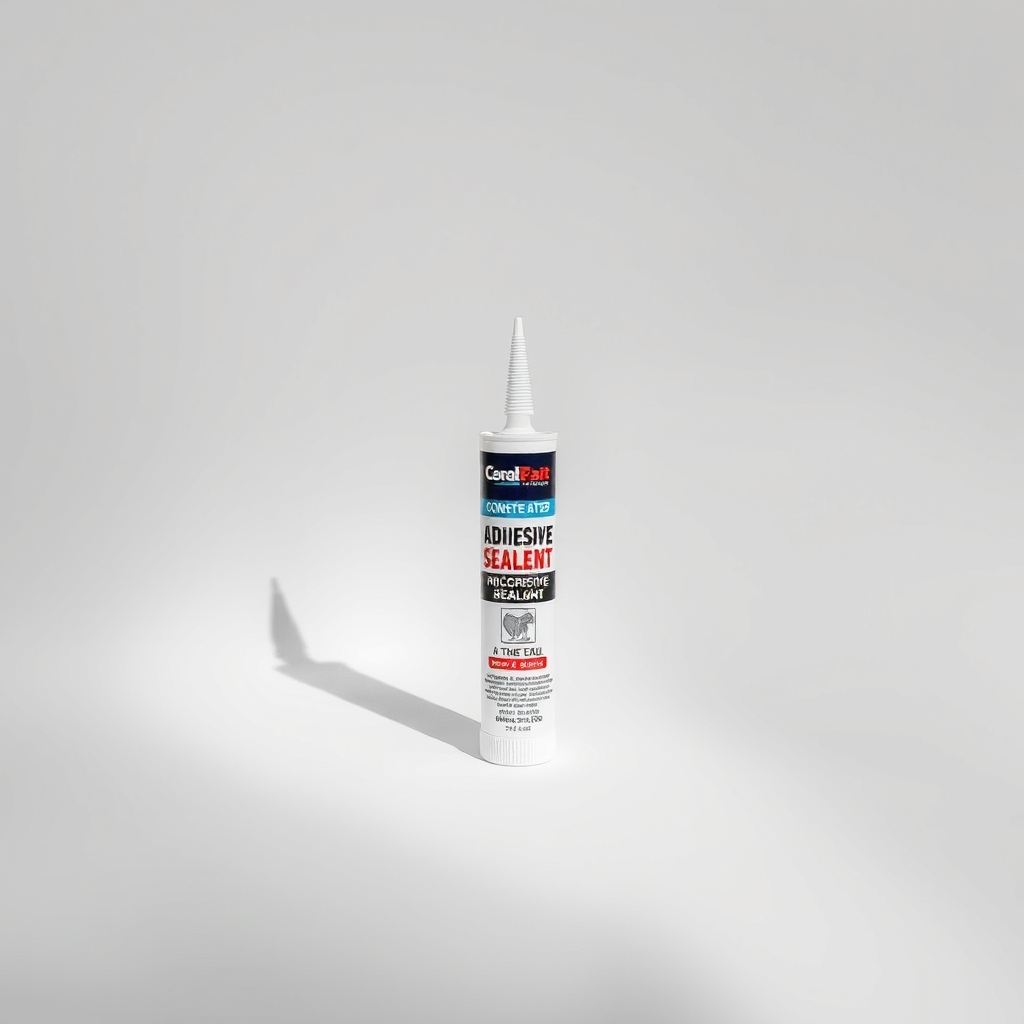
Concrete-rated adhesive sealant
Use the type the seal maker recommends
Why it happens
A driveway that slopes toward the door
Water follows gravity. If the drive or yard tilts toward the garage, rain collects at the door and pushes under it.
A worn bottom seal or an uneven floor
The rubber strip on the door cracks and flattens with age. Concrete floors are rarely flat, so even a good seal leaves low spots.
Gutters and downspouts dumping next to the slab
A clogged gutter spills over the edge, and a short downspout empties right by the wall. That water soaks the ground and runs toward the door.
Cracks and a leaky floor-wall joint
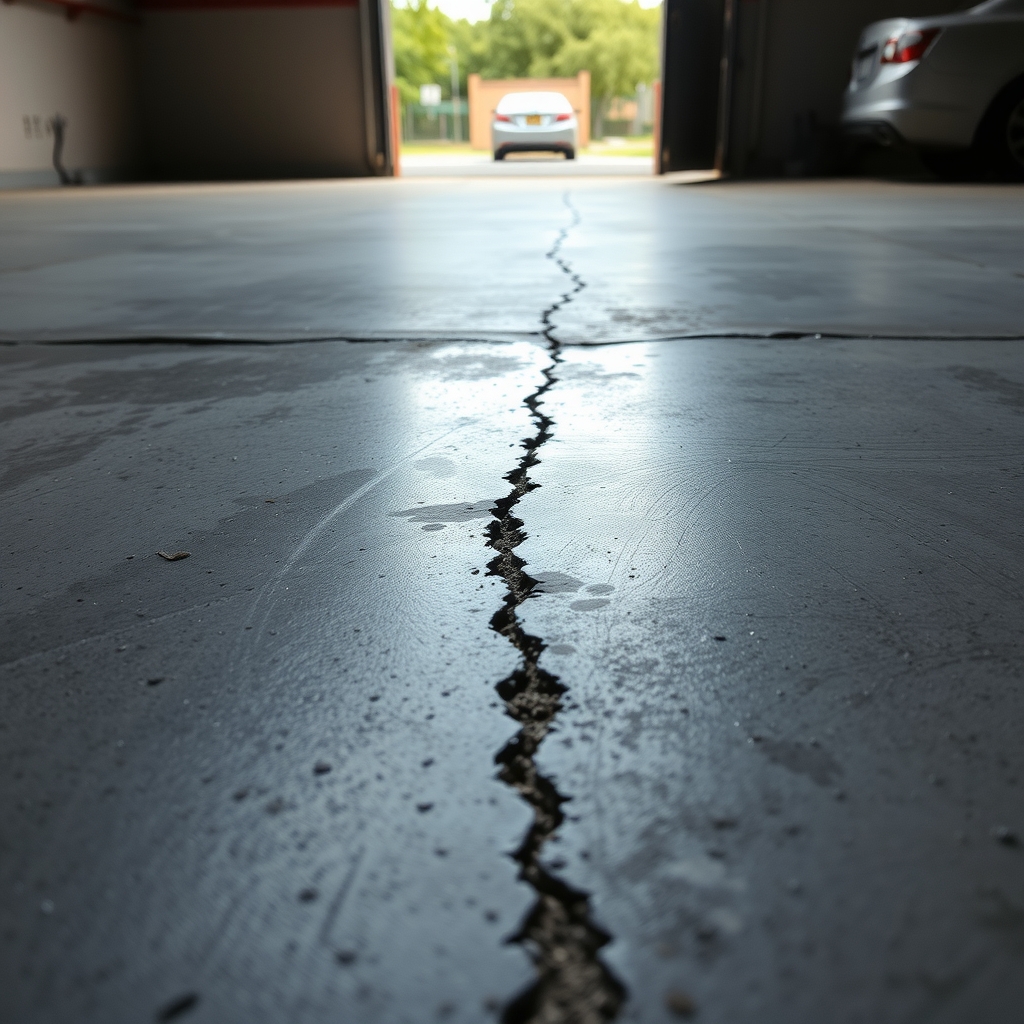
Wet soil can push water up through slab cracks or in where the floor meets the wall. A door seal will not help with that.
Try this first (free)
Do these in order, starting with the simplest.
-
Watch where it comes in
Tool used: FlashlightIn the next rain, check the floor with a flashlight. Water along the whole door edge points to the gap. Water coming up through cracks or at the base of the wall points to the ground or the drainage.
-
Clear leaves, dirt and drains
Tool used: Stiff broomSweep the door base and any driveway drain. Clean the gutters, and point downspouts several feet away from the garage using extensions.
-
Measure the gap and prep the floor
Tool used: Tape measureClose the door and measure the gap under it in several places. Pick a seal taller than the largest gap. Scrub the floor strip where it will sit and let it dry fully.
-
Glue the threshold seal
Tool used: Garage door threshold sealLay a bead of adhesive on the clean floor and press the seal into it, following the maker's instructions for placement under the closed door. Check the adhesive's lowest working temperature, often around 40 degrees F. Keep traffic off for about 24 hours.
IllustrationCheck price on AmazonTool for this step
Garage door threshold seal · Choose one taller than your biggest gap
-
Test it with the hose
Tool used: Garden hoseOnce it has cured, run a hose outside the door for a few minutes. If water still seeps under, add adhesive along the edges where it gets through.
When free fixes aren't enough
If the floor floods only when the driveway drains badly, the free steps may be all you need. If water runs under the door in most rainstorms, though, a threshold seal is the fix that holds, since it blocks the gap itself. It will not help when water rises through the slab or seeps in at the wall base. Standing water that keeps coming back points to grading or a drain, and that is a job for a landscaper or drainage pro. If water reaches outlets, the opener or the breaker panel, stay out and call an electrician.
Buy the fix
Still stuck after the free fixes? These are the products we would look at.
| Pick | Product | Fixes | Who it's for | Buy |
|---|---|---|---|---|
| Best pick | Garage door threshold seal with adhesive | water sneaking under the garage door | Most homes where rain pushes under the door in a storm. | Check price |
| Budget pick | Replacement garage door bottom seal | a cracked or flattened rubber strip on the door | Owners whose door seal is clearly worn, with an otherwise level floor. | Check price |
Garage door threshold seal with adhesive
Fixes: water sneaking under the garage door
Look for: Taller than the biggest gap under your door; Heavy rubber or vinyl that bends rather than cracks; Long enough for your door, with a little extra for trimming; Adhesive included, or a clearly named adhesive it works with.
- Who it's for
- Most homes where rain pushes under the door in a storm.
- Honest downside
- Water rises through floor cracks or the wall joint. A seal will not stop that, so fix the drainage.
Replacement garage door bottom seal
Fixes: a cracked or flattened rubber strip on the door
Look for: A profile that matches your door's track, since the listing says which; A length that fits your door; Flexible rubber that stays soft in cold.
- Who it's for
- Owners whose door seal is clearly worn, with an otherwise level floor.
- Honest downside
- The floor itself is uneven or sloped toward the door. A new door seal will not stop runoff on its own.
As an Amazon Associate I earn from qualifying purchases. We don't show prices because they change, so use the button to see today's price.
How we picked: How we picked: this page is based on threshold seal installation instructions, home drainage guides, and the problems and fixes owners report in reviews. We do not test products by hand.
Where is the water really coming from?
- Along the whole door edge: the gap under the door. A threshold seal helps.
- Up through cracks in the slab: wet ground under the floor. Look at gutters, grading and a drain.
- Along the base of one wall: water at the footing. Check downspouts and soil slope on that side.
Protect what is on the floor
While you fix the cause, raise cardboard boxes and tools onto shelves or pallets. Keep paint, fuel and chemicals off the floor so a flood does not spread them.
What to skip
Sandbags as a permanent plan
Sandbags are fine for a storm warning, but they are heavy and they break down when they stay wet. Caulk alone also fails, because it cracks as the slab moves. A glued rubber threshold and clear drainage do the lasting work.
Frequently asked questions
How do I stop my garage from flooding when it rains?
Why does my garage keep flooding?
Will a threshold seal stop all water?
Can I drive over a threshold seal?
Related problems
As an Amazon Associate I earn from qualifying purchases. Affiliate disclosure