Garage Floor Cracks: A Filler That Bonds to Concrete
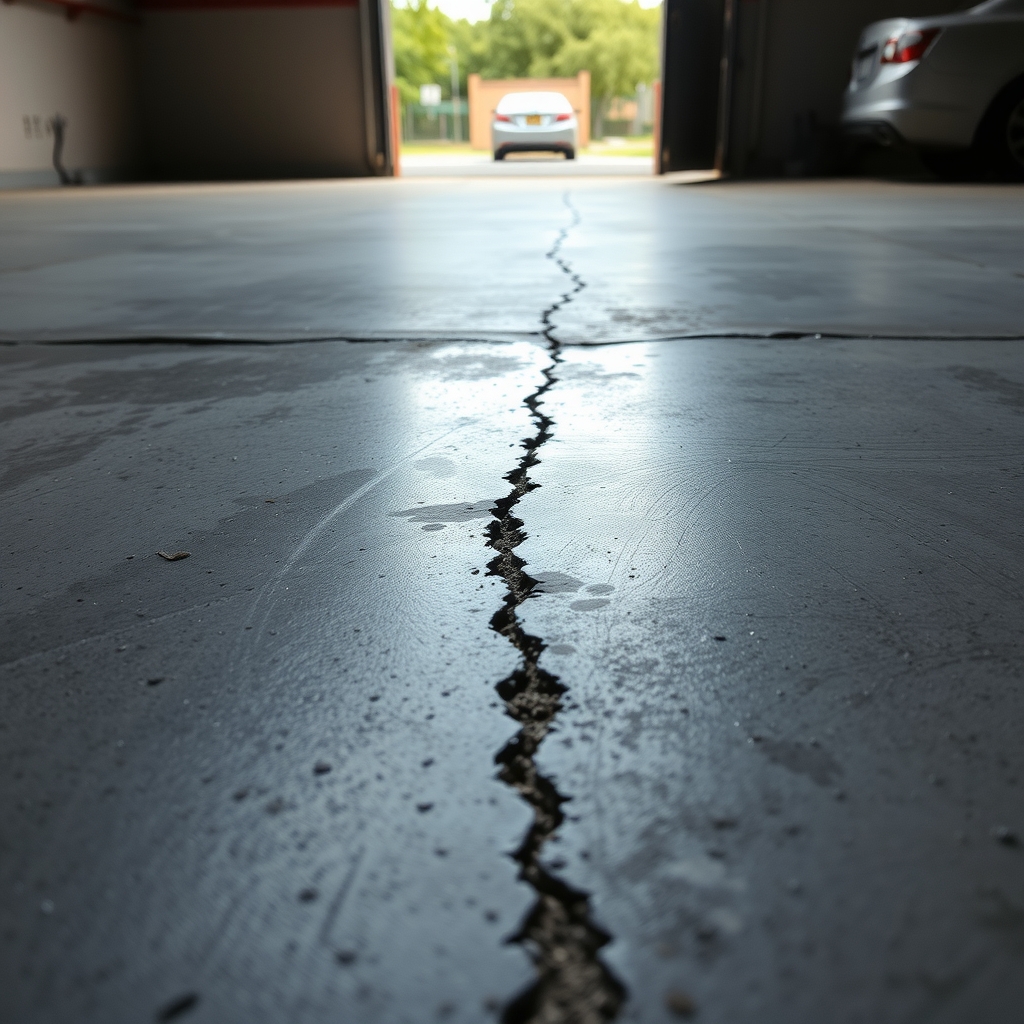
Most garage floor cracks are cosmetic, but loose bits make them wider. Clean them out, then fill with a two-part epoxy that bonds and stays put.
By Jamilur Rahman Updated November 5, 2026 · 6 min read
- Time
- 1 hour, plus curing
- Cost
- $20-$50
- Difficulty
- Medium
In this guide
Quick answer
Most hairline and small garage floor cracks come from normal concrete shrinkage and are mostly cosmetic. Clean out the crack, check whether it is moving, and fill it with a two-part epoxy concrete crack filler. It bonds to the concrete and does not pop out under tires. Cracks wider than about a quarter inch, or with one side higher than the other, need a pro look first.
Free fix vs. permanent fix
Clean out the crack and watch it
- Wire-brush out dirt and loose concrete
- Vacuum the crack until it is clean and dry
- Mark both ends with a pencil and note the width
- Check again in a month: if it has not grown, it is likely stable
How long it lasts: It repairs nothing, but it clears loose bits that widen the crack and shows whether the crack is moving.
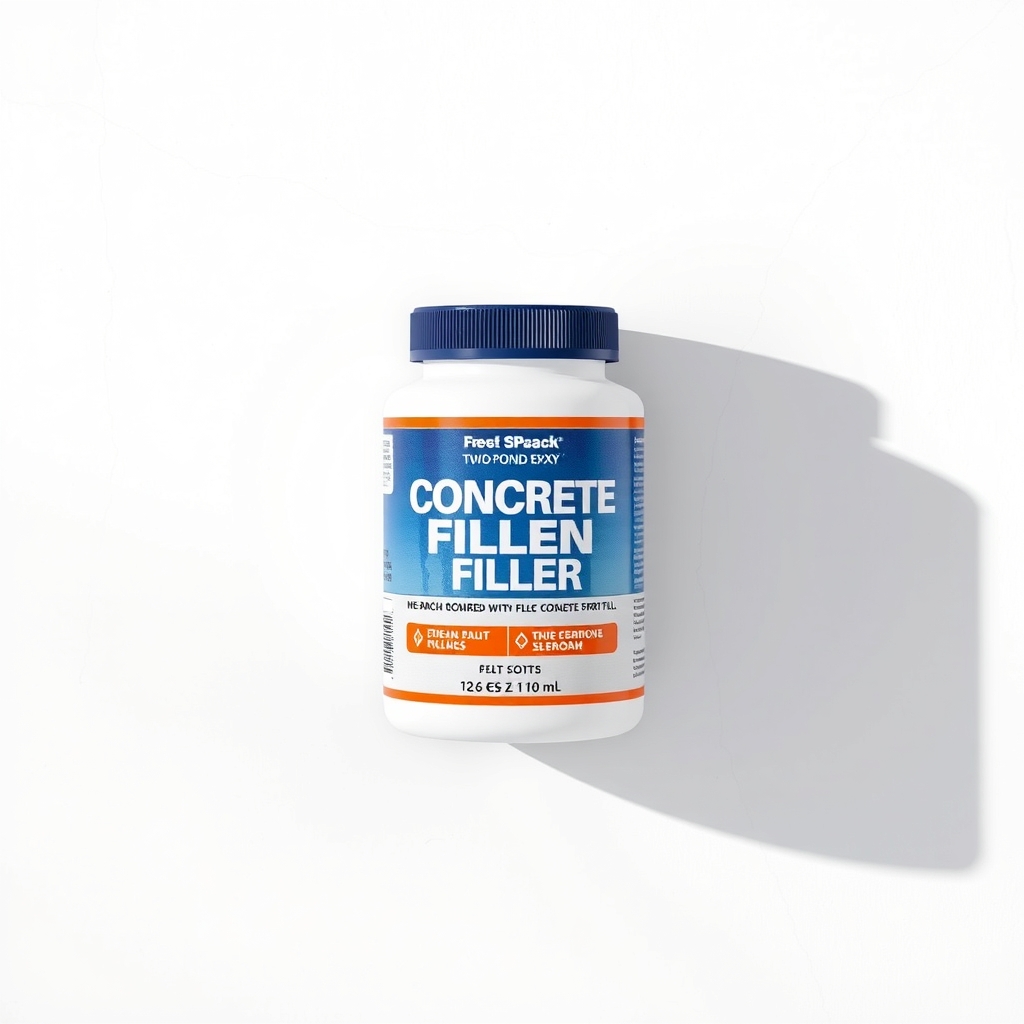
Two-part epoxy concrete crack filler
An open crack collects grit and water, and its edges chip. Epoxy flows into the crack, bonds to both walls and cures about as hard as the slab, so the crack stays sealed and the surface is flat for a jack or toolbox.
How long it lasts: Years. It bonds into the concrete, so tires, water and temperature swings do not pry it out.
As an Amazon Associate I earn from qualifying purchases.
What you'll need
-
Wire brush
For loose concrete and old caulk
You have it -
Shop vacuum
A hand brush plus a household vacuum also works
You have it -
Safety glasses and gloves
Epoxy irritates skin and eyes
You have it -
Putty knife
For leveling the filler flush with the floor
You have it - Our pick Illustration
Epoxy concrete crack filler
Two-part, made for horizontal concrete
- Illustration
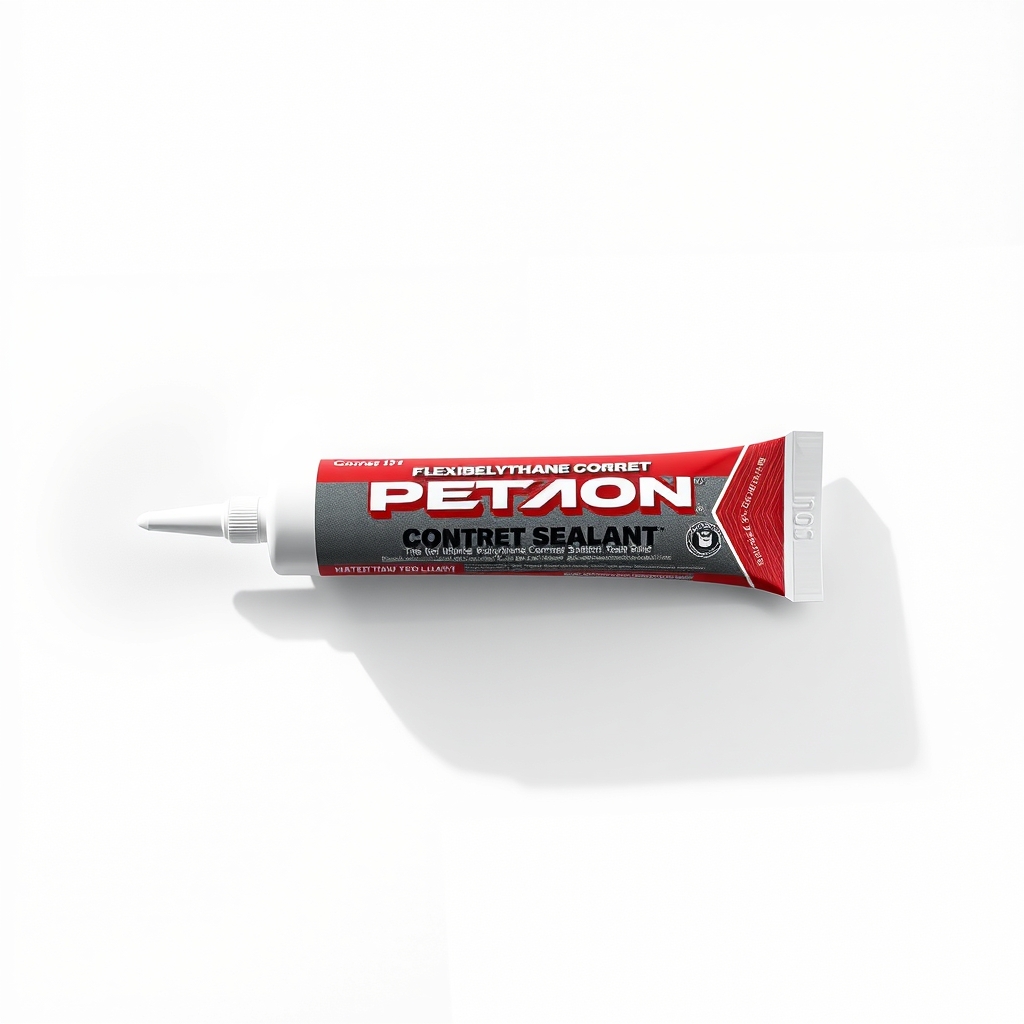
Flexible polyurethane concrete crack sealant
For cracks that still move a little
Why it happens
Shrinkage as the slab cured
Concrete shrinks as it dries. Thin hairline cracks a few feet apart are normal. Builders cut control joints so cracks follow a planned line.
Seasonal swings and loads
Heat and cold make slabs expand and contract. Heavy vehicles, a hoist or stacked loads add stress over time.
Settling or soil movement
If the soil under the slab washes out or settles, a crack can widen and one side can drop. This kind needs a pro.
Water and freeze-thaw
Water in a crack freezes and pushes the edges apart. Road salt carried in on tires makes it worse.
Try this first (free)
Do these in order, starting with the simplest.
-
Find out what kind of crack it is
Under about a quarter inch wide, with both sides level, is a DIY job. Wider, with one side higher than the other, or lined up with a crack in a wall, is a call to a pro.
-
Chip out loose bits
Tool used: Wire brushScrub the crack with a wire brush and pull out loose concrete and old caulk. Filler only bonds to solid, clean concrete.
-
Vacuum it clean and let it dry
Tool used: Shop vacuumVacuum out all the dust. The crack has to be clean and dry, so wait a day after rain or washing the floor.
-
Fill the crack and level it
Tool used: Epoxy concrete crack fillerOpen the garage door for airflow, put on glasses and gloves, and mix the filler as directed. Press it into the crack, overfill slightly and level with a putty knife. Work within the temperature range on the label, and wipe spills right away.
IllustrationCheck price on AmazonTool for this step
Epoxy concrete crack filler · Two-part, made for horizontal concrete
-
Let it cure before driving on it
Follow the label's cure time, often about a day before tires. Keep traffic off until then. If the label allows, sprinkle a little dry sand on wet filler to match the floor's texture.
When free fixes aren't enough
Cleaning alone leaves an open crack that fills with grit and water, and its edges chip under tires. Nothing free fills it. A bonded repair does. If the crack keeps moving after you fill it, rigid epoxy can crack again beside the repair, and a flexible polyurethane sealant moves with the slab. Call a pro for cracks wider than about a quarter inch, cracks with a lip, cracks that line up with cracks in the house walls or cracks with seeping water. Do not fill expansion joints, the planned gaps between slabs, with rigid epoxy.
Buy the fix
Still stuck after the free fixes? These are the products we would look at.
| Pick | Product | Fixes | Who it's for | Buy |
|---|---|---|---|---|
| Best pick | Two-part epoxy concrete crack filler | stable cracks up to about a quarter inch that chip and collect grit | Most DIYers with a stable crack in a garage slab. | Check price |
| Budget pick | Flexible polyurethane concrete crack sealant | narrow cracks and joints that open and close with the seasons | Hairline cracks that move a little with temperature, and control or expansion joints. | Check price |
Two-part epoxy concrete crack filler
Fixes: stable cracks up to about a quarter inch that chip and collect grit
Look for: Two-part epoxy rather than a latex patch; Rated for concrete floors and vehicle traffic; A cure time and temperature range you can work with, stated on the label; A mixing nozzle or the tool needed to apply it.
- Who it's for
- Most DIYers with a stable crack in a garage slab.
- Honest downside
- The crack moves, one side is higher than the other, it is over a quarter inch wide or it is an expansion joint. Use a flexible sealant or call a pro.
Flexible polyurethane concrete crack sealant
Fixes: narrow cracks and joints that open and close with the seasons
Look for: Flexible polyurethane that moves with the slab; Self-leveling or tooled-in, suited to horizontal floors; Rated for vehicle traffic once cured.
- Who it's for
- Hairline cracks that move a little with temperature, and control or expansion joints.
- Honest downside
- You want a hard, flush repair that you can sand or coat. Epoxy does that better.
As an Amazon Associate I earn from qualifying purchases. We don't show prices because they change, so use the button to see today's price.
How we picked: How we picked: this page is based on concrete repair guides, crack-filler instructions from makers, and the problems and fixes people report in reviews. We do not test products by hand.
Which crack do you have?
- Hairline and level: fill with epoxy, or a thin sealer if it is very fine.
- Narrow and stable: two-part epoxy filler.
- Narrow but moving: flexible polyurethane sealant.
- Wide, with a lip, or growing: call a pro before you fill it.
What to skip
Cement patch mix and household caulk
A thin cement or mortar patch shrinks and pops out of a narrow crack. Ordinary household caulk breaks down under tires and cleaners. Neither bonds the way a two-part epoxy does.
Frequently asked questions
Are cracks in a garage floor normal?
Can I paint or coat over a crack?
How long does epoxy crack filler take to cure?
When should I worry about a crack?
Related problems
 Free fix inside
Outdoor & Garage · Driveway Repair
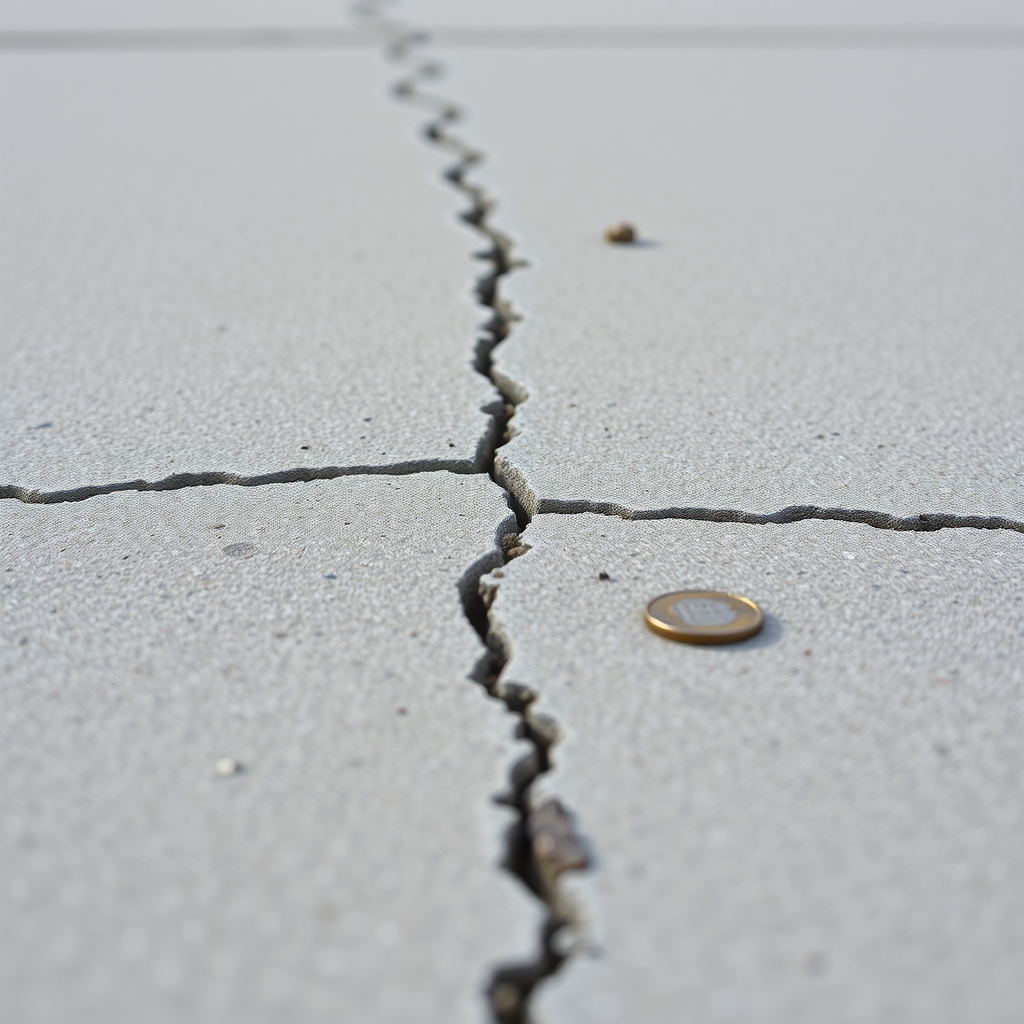
Concrete Driveway Cracks: Which Ones to Fill and Which to Watch
Read the fix Free fix inside
Outdoor & Garage · Driveway Repair
Driveway Expansion Joints Failing? Re-Seal Them Right
Read the fix Free fix inside
Outdoor & Garage · Driveway Repair
Driveway Pitting? A Resurfacer Can Make Concrete Smooth Again
Read the fix Free fix inside
Outdoor & Garage · Garage Flooding
Garage Floods When It Rains? A Threshold Seal Is Step One
Read the fixAs an Amazon Associate I earn from qualifying purchases. Affiliate disclosure