Concrete Driveway Cracks: Which Ones to Fill and Which to Watch
Most concrete cracks are cosmetic, but a few signal trouble. Learn which to seal, which to mark and watch, and when to call a pro.
By Jamilur Rahman Updated November 5, 2026 · 6 min read
- Time
- 1 hour
- Cost
- $20-$50
- Difficulty
- Easy
In this guide
Quick answer
Concrete cracks as it cures, shrinks and takes stress from weather, roots and soil. Narrow cracks that are not moving are mostly cosmetic, and a flexible concrete crack sealant keeps water out so freezing cannot widen them. Mark the ends of any crack that looks wider and watch it for a few months. A crack where one side sits higher than the other, or one that keeps growing, needs a pro.
Free fix vs. permanent fix
Mark, measure and clear the crack
- Pencil the crack ends and write the date beside them
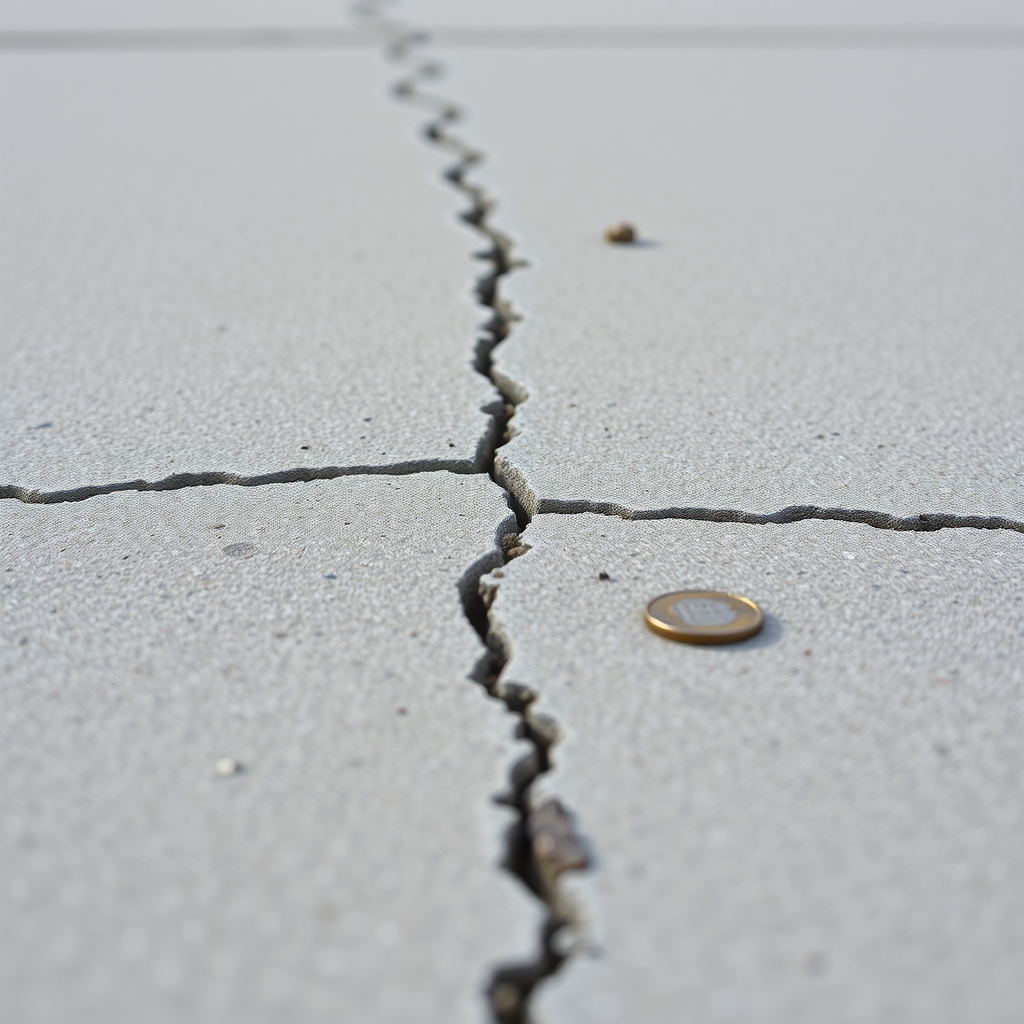
- Hold a ruler or coin across the crack to track its width
- Brush out weeds and loose dirt
- Point downspouts and sprinklers away from the slab
How long it lasts: Fine for a hairline crack that is not moving. It shows which cracks matter, but it does not keep water out.
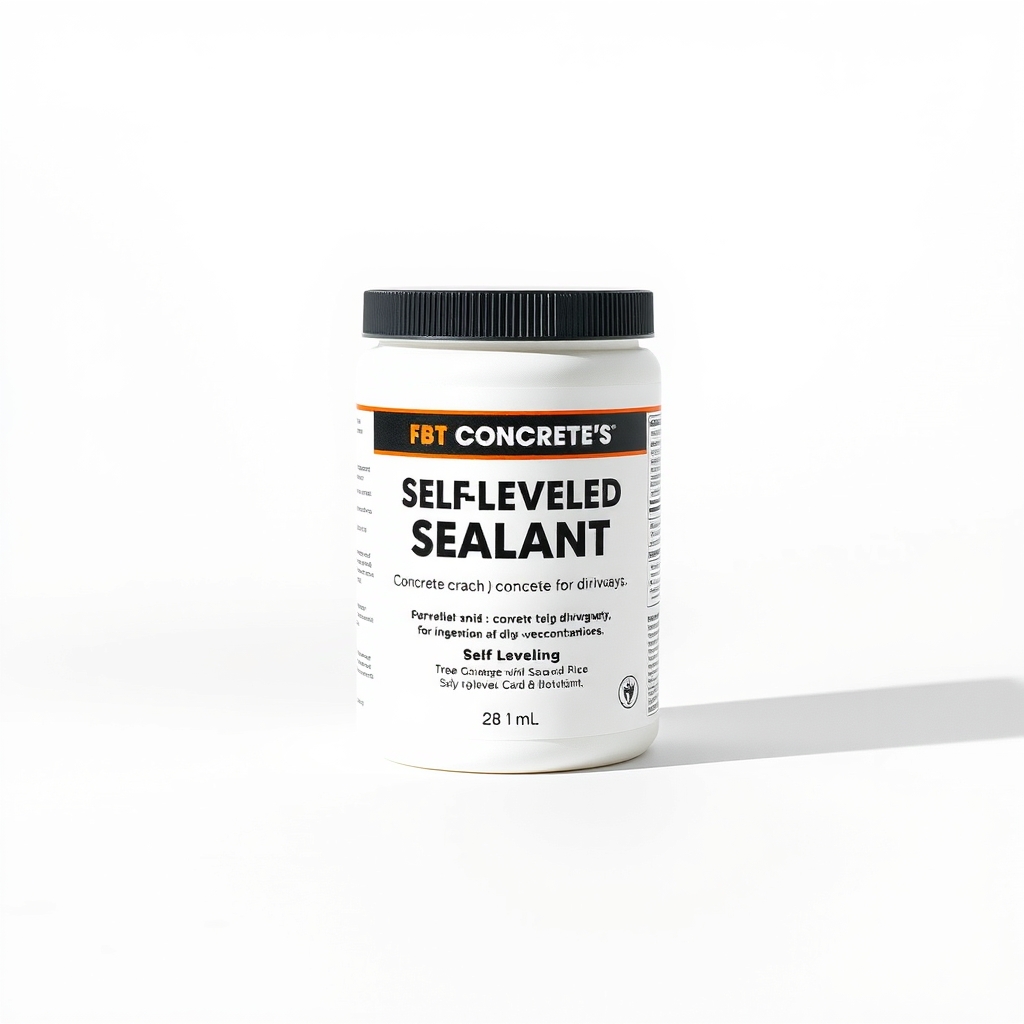
A flexible concrete crack sealant
Water and de-icing salt are what turn a narrow crack into a wide one. A flexible sealant fills the crack and keeps both out. Watching first tells you which cracks to seal and which are a bigger problem.
What to get: Self-leveling concrete crack sealant for driveways
How long it lasts: Often several years. It flexes with small movement, so it does not pop out.
As an Amazon Associate I earn from qualifying purchases.
What you'll need
-
Pencil and ruler
To mark crack ends and track width
You have it -
Wire brush
Scrapes dirt and loose bits out of the crack
You have it -
Putty knife
Smooths the sealant flush
You have it - Our pick Illustration
Self-leveling concrete crack sealant
Flexible, and listed for driveways
- Illustration
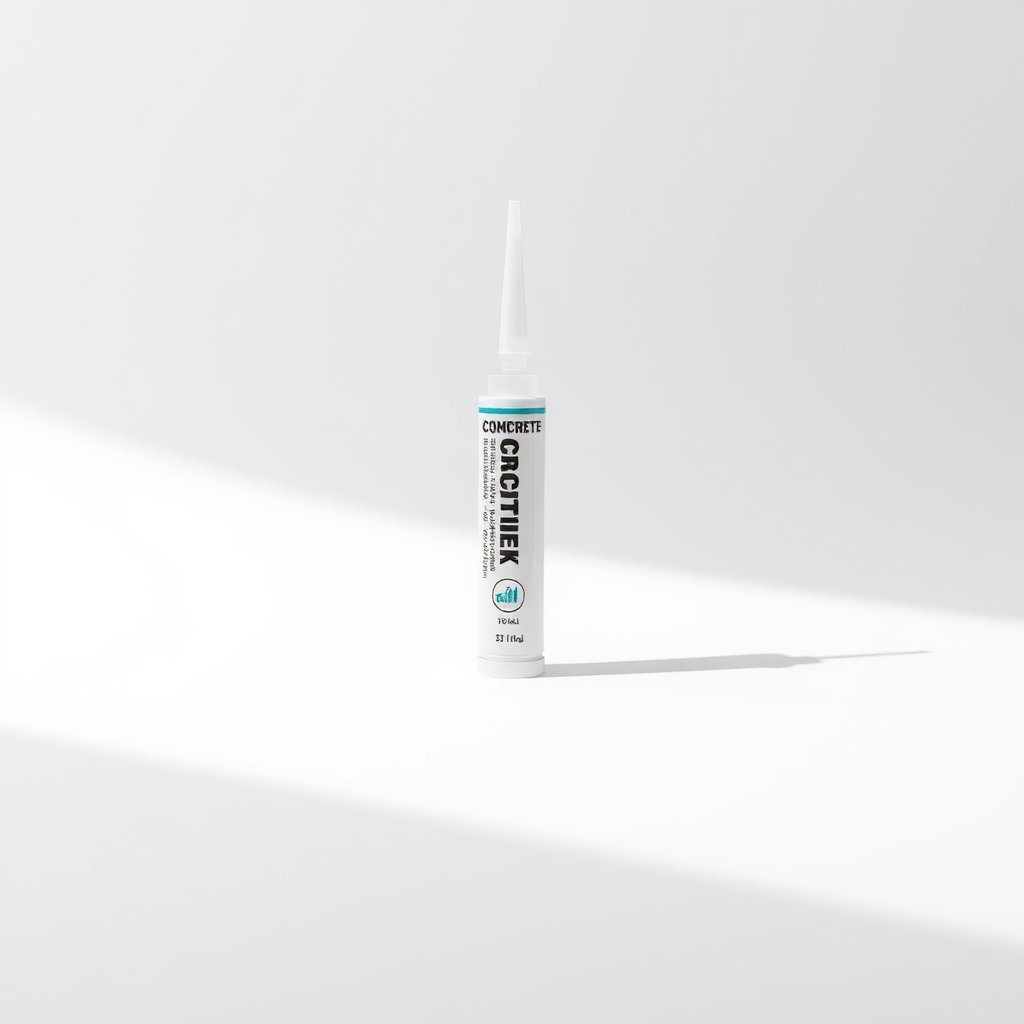
Concrete crack filler in a caulk-gun tube
For a few short hairline cracks
- Illustration

Foam backer rod
For deeper cracks, so the sealant does not sink
Why it happens
Shrinkage while curing
Concrete shrinks as it dries. Hairline cracks are common, especially if the slab dried fast in heat or wind. Most are cosmetic.
Missing or shallow control joints
Control joints are planned grooves that tell the slab where to crack. A slab without enough of them cracks wherever it chooses.
Freeze and thaw
Water that gets into a crack expands when it freezes. Each winter pries the crack open a little more.
Settling or washed-out soil
If soil under the slab was poorly packed or has washed away, the slab sinks and cracks, often leaving one side lower than the other.
Roots and heavy loads
Tree roots can lift a section of slab. Heavy trucks or a thin slab can crack under the weight.
Try this first (free)
Do these in order, starting with the simplest.
-
Mark and date the crack
Tool used: Pencil and rulerDraw a short pencil line at each end of the crack and write the date. Hold a ruler across it and note the width. Check again after a few months and after a freeze.
-
Sort cracks into fill or watch
Level cracks from hairline to about 1/2 inch wide are fill jobs. A crack where one side sits higher, or that is wider than about 1/2 inch or growing, goes on the watch list.
-
Clean out the crack
Tool used: Wire brushScrape the walls with a wire brush, then sweep or blow out the dust. Let the crack dry. Sealant will not bond to dirt or water.
-
Fill the narrow cracks
Tool used: Self-leveling concrete crack sealantFor cracks deeper than about half an inch, push in backer rod first. Pour or squeeze in the sealant until it is level with the surface, and smooth it with a putty knife. Check the label for working temperature and cure time before you drive over it.
IllustrationCheck price on AmazonTool for this step
Self-leveling concrete crack sealant · Flexible, and listed for driveways
-
Keep water and salt away
Aim downspouts and sprinklers away from the slab. In spring, rinse off any de-icer, since salts speed up surface wear.
When free fixes aren't enough
Marking and watching only tells you what you have. If a crack stays the same width and both sides are level, sealing it is a good fix that lasts, since it keeps out the water that does the damage. If a crack widens, runs through the whole slab, or one side sits higher than the other, the ground under it is moving. Sealant will not fix that. A concrete pro can lift the slab or replace the section. Raised edges are also a trip hazard, so mark them until they are repaired.
Buy the fix
Still stuck after the free fixes? These are the products we would look at.
| Pick | Product | Fixes | Who it's for | Buy |
|---|---|---|---|---|
| Best pick | Self-leveling concrete crack sealant for driveways | narrow cracks that let in water and de-icing salt | Homeowners with narrow, level, non-moving cracks in a sound slab. | Check price |
| Budget pick | Concrete crack filler in a caulk-gun tube | short hairline cracks and chips, at low cost | Anyone with a few hairline cracks who wants to spend the least. | Check price |
Self-leveling concrete crack sealant for driveways
Fixes: narrow cracks that let in water and de-icing salt
Look for: A flexible formula listed for exterior concrete; Self-leveling, for flat driveway cracks; A stated crack width that fits yours; A freeze-thaw and sun-resistant claim on the label.
- Who it's for
- Homeowners with narrow, level, non-moving cracks in a sound slab.
- Honest downside
- The slab has settled, one side of the crack is higher than the other, or the crack keeps growing. Sealant will not hold a moving slab.
Concrete crack filler in a caulk-gun tube
Fixes: short hairline cracks and chips, at low cost
Look for: Made for outdoor concrete; A gray color that blends in; Enough volume for the total length of your cracks.
- Who it's for
- Anyone with a few hairline cracks who wants to spend the least.
- Honest downside
- Cracks are wide or deep. A thin filler will sink, and a crack that flexes a lot can split it.
As an Amazon Associate I earn from qualifying purchases. We don't show prices because they change, so use the button to see today's price.
How we picked: How we picked: this page is based on concrete repair guides, sealant label instructions, and the problems and fixes owners report in reviews. We do not test products by hand.
Fill, watch or call a pro?
- Fill: hairline to about 1/2 inch wide, both sides level, not growing.
- Watch: a crack that looks new or wider. Mark the ends, date them and check again in a few months.
- Call a pro: one side higher than the other, a crack that keeps growing, many cracks in one section, or a slab that has dropped.
Why control joints matter
Control joints are the straight grooves cut across a driveway at set spacing. They give the concrete a planned place to crack. A crack that follows a joint is normal. A crack that wanders across the middle of a panel is the slab finding its own line.
What to skip
Patching over a moving crack
A stiff patch or a coat of paint over a crack that is still growing will split again within a season. Do not bother with a thin cement patch on a crack that has a raised edge, either. Find out why it moved first.
Frequently asked questions
Why is my driveway cracking?
How do I stop my driveway from cracking?
Why does my driveway keep cracking in new places?
Are driveway cracks structural?
Related problems
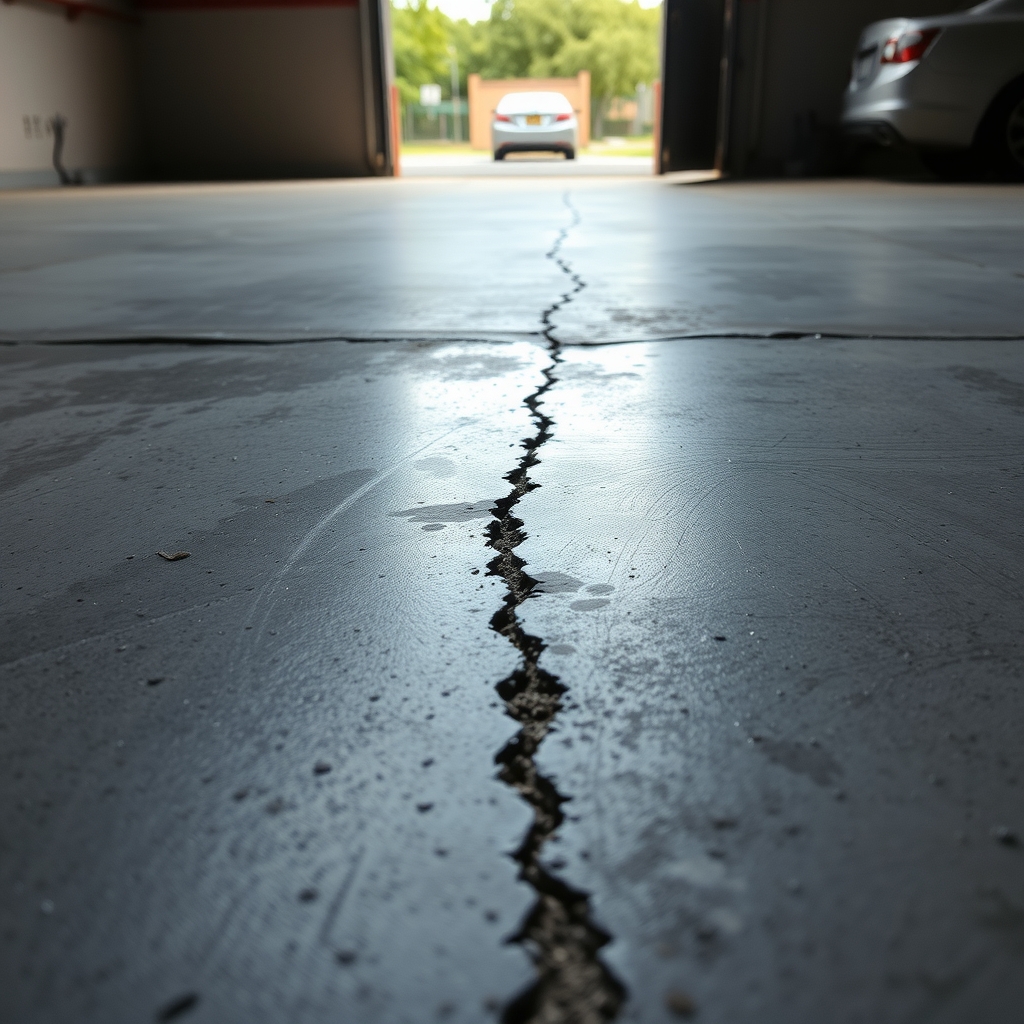 Free fix inside
Outdoor & Garage · Garage Floor
Garage Floor Cracks: A Filler That Bonds to Concrete
Read the fix Free fix inside
Outdoor & Garage · Driveway Repair
Driveway Pitting? A Resurfacer Can Make Concrete Smooth Again
Read the fix Free fix inside
Outdoor & Garage · Driveway Repair
Driveway Expansion Joints Failing? Re-Seal Them Right
Read the fix Free fix inside
Outdoor & Garage · Driveway Repair
Asphalt Driveway Cracks: Fill Them Before Winter Widens Them
Read the fixAs an Amazon Associate I earn from qualifying purchases. Affiliate disclosure