Driveway Pitting? A Resurfacer Can Make Concrete Smooth Again
Pits and flaking come from freeze-thaw and salt eating the surface. Stop the damage and clean for free, then resurface to make the slab smooth.
By Jamilur Rahman Updated November 5, 2026 · 6 min read
- Time
- 1 day plus cure time
- Cost
- $50-$150
- Difficulty
- Medium
In this guide
Quick answer
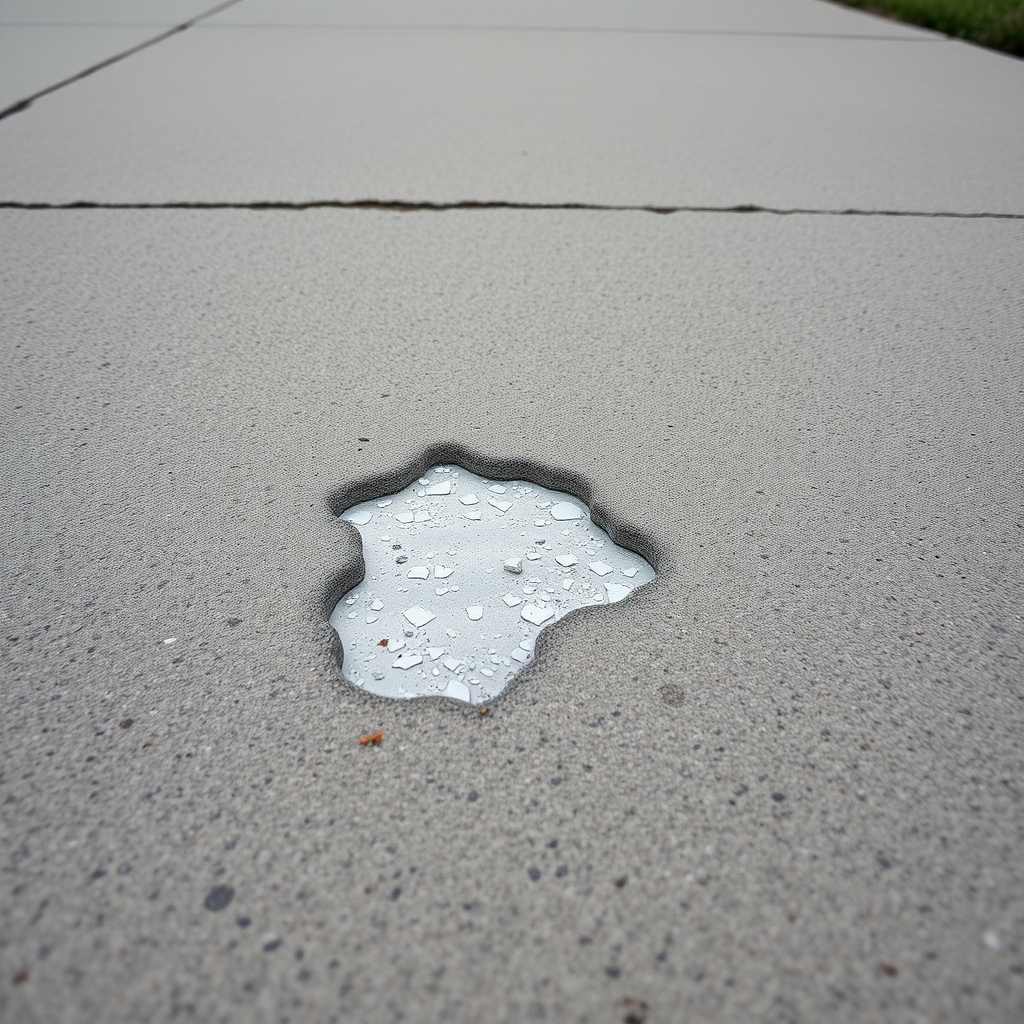
Driveway pitting and spalling happen when water in the top layer of concrete freezes and pops the surface off. Rock salt and a weak surface make it worse. Stop using salt, wash the slab and remove loose bits. That halts new damage but cannot fill the pits. A polymer concrete resurfacer, squeegeed on in a thin layer, renews the whole surface and makes it smooth again.
Free fix vs. permanent fix
Stop the damage and clean the surface
- Stop using rock salt and use sand for grip
- Scrape off loose flakes with a wire brush
- Pressure wash the slab clean
- Check for deep cracks and rust stains
How long it lasts: Slows new pitting, but the pits already there stay, and water keeps collecting in them.
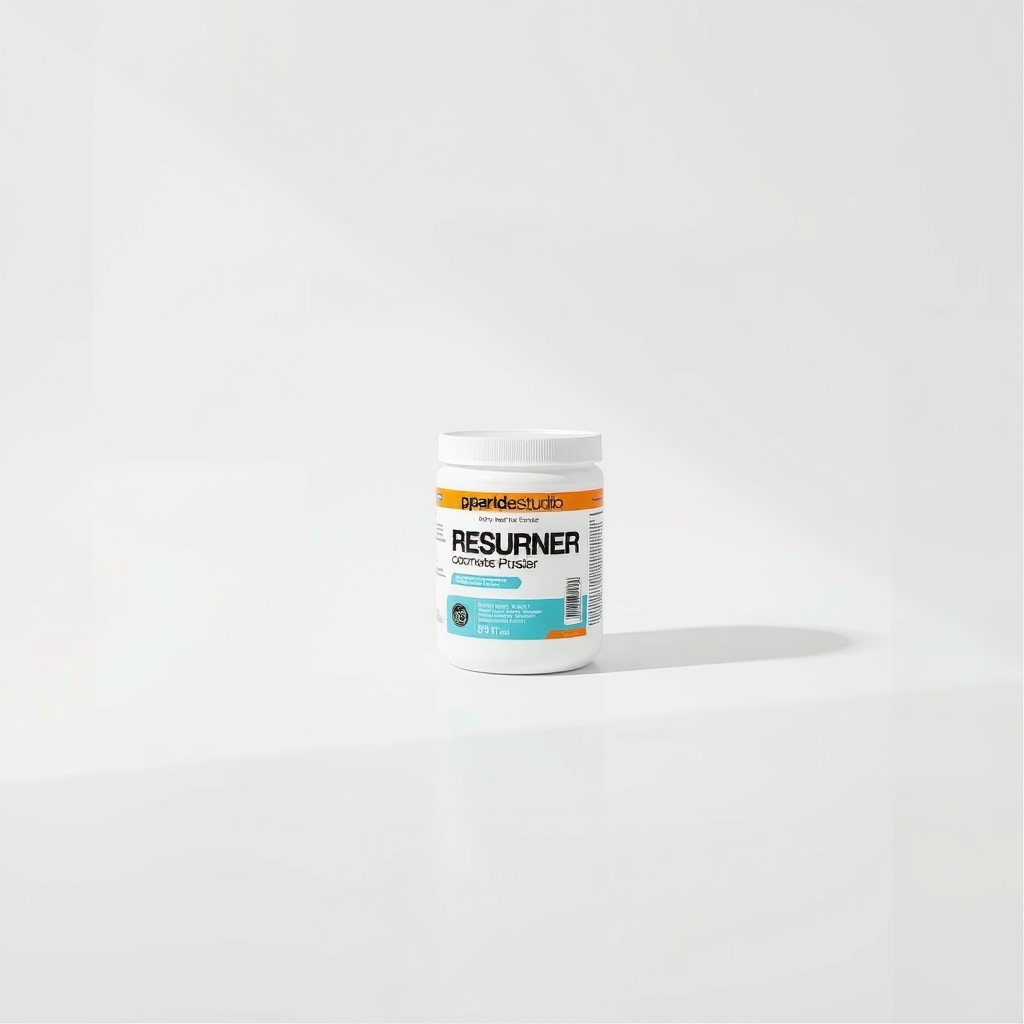
A concrete resurfacer
Pits and flakes are surface damage, and no amount of cleaning fills them. A resurfacer is a thin, polymer-rich cement mix. It fills pits and flaking and leaves a smooth surface across the slab, so water stops collecting in holes.
What to get: Polymer-modified concrete resurfacer
How long it lasts: Often many years on a sound slab. It is a thin new surface bonded to the old one, and a sealer helps it last.
As an Amazon Associate I earn from qualifying purchases.
What you'll need
-
Pressure washer, wire brush and stiff broom
To get the slab spotless. A rental pressure washer works
You have it -
Drill with mixing paddle
To mix the resurfacer without lumps
You have it - Our pick Illustration
Concrete resurfacer
Check the bag's coverage against your slab size
- Illustration
Concrete patch for deep pits
For holes too deep for a thin coat
- Illustration
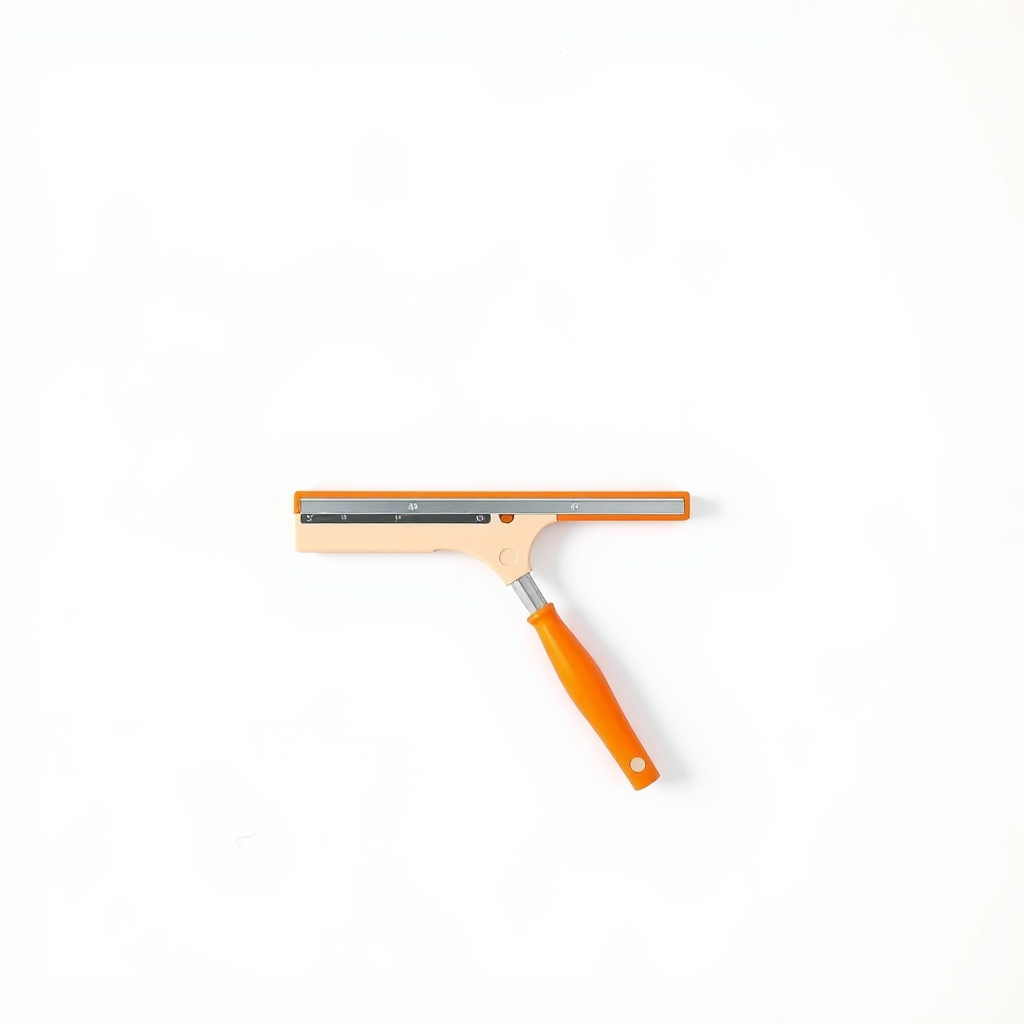
Long-handled squeegee
Spreads the resurfacer in a thin, even coat
- Illustration
Concrete sealer
Protects the new surface from water and salt
Why it happens
Freeze-thaw cycles
Concrete soaks up water. When it freezes, it expands, and the thin top layer pops off. That leaves pits and flakes, which is called spalling.
De-icing salt
Rock salt and other de-icers speed up scaling, especially on concrete less than a year old. Ammonium-based de-icers also attack concrete chemically.
A weak surface from the pour
Too much water in the mix, or over-troweling, leaves a thin, weak skin that flakes away.
Rusting steel near the surface
Rebar or mesh too close to the top rusts and swells, cracking the concrete above it. Look for rust stains and cracks.
Try this first (free)
Do these in order, starting with the simplest.
-
1. Stop using rock salt
Switch to sand for traction. If you use a melt product, choose one made to be concrete-safe, and avoid ammonium-based ones. Our ice melt page has more.
-
2. Scrape off loose bits
Tool used: Pressure washer, wire brush and stiff broomUse a wire brush and a stiff broom to remove flakes and loose grit until you reach solid concrete. Wear safety glasses and a dust mask.
-
3. Wash the slab
Tool used: Pressure washer, wire brush and stiff broomPressure wash with a wide fan tip, or scrub with a stiff broom and degreaser for oil spots. Resurfacer will not bond to oil, dirt or old sealer. The slab must be clean.
-
4. Check what is really wrong
Look for cracks wider than about 1/4 inch, sunken or tilted sections and rust stains. Those point to a deeper problem. Resurfacing a moving slab will crack again.
-
5. Fill deep pits first
Tool used: Concrete patch for deep pitsFor any hole deeper than the resurfacer label allows, usually about 1/2 inch, fill it with concrete patch and let it cure first.
IllustrationCheck price on AmazonTool for this step
Concrete patch for deep pits · For holes too deep for a thin coat
-
6. Resurface in a mild, dry window
Tool used: Concrete resurfacerDampen the slab so it is wet with no puddles. Mix the resurfacer to pancake-batter thickness, pour a ribbon and spread it with a squeegee in a thin coat. Finish with a light broom pass and work in sections.
IllustrationCheck price on AmazonTool for this step
Concrete resurfacer · Check the bag's coverage against your slab size
When free fixes aren't enough
Cleaning and no more salt prevent new damage, but they cannot fill the pits or restore a smooth surface. For widespread pitting, a resurfacer is the real fix, because it is a thin layer made for exactly this job. If cracks are wide, or the slab has sunk or tilted, a resurfacer will not hold, so fix or replace that part of the slab first. If you see exposed or rusting rebar, call a concrete contractor.
Buy the fix
Still stuck after the free fixes? These are the products we would look at.
| Pick | Product | Fixes | Who it's for | Buy |
|---|---|---|---|---|
| Best pick | Polymer-modified concrete resurfacer | widespread pitting, scaling and flaking on a sound slab | Homeowners with a solid slab and a rough, pitted surface. | Check price |
| Budget pick | Concrete patch for deep pits | pits and chips too deep for a thin resurfacer | Owners with a few deep holes and an otherwise good surface. | Check price |
| Upgrade pick | Penetrating concrete sealer | water and salt soaking into the new surface | Anyone in a freeze-thaw area or where roads are salted. | Check price |
Polymer-modified concrete resurfacer
Fixes: widespread pitting, scaling and flaking on a sound slab
Look for: A label for driveways and vehicle traffic; Pourable or self-leveling, so it spreads with a squeegee; A coverage and thickness range that fits your slab, per the label; A temperature range that matches your weather.
- Who it's for
- Homeowners with a solid slab and a rough, pitted surface.
- Honest downside
- The slab has wide cracks, is sinking or shifting, or has exposed rebar. Resurfacing a moving slab cracks again.
Concrete patch for deep pits
Fixes: pits and chips too deep for a thin resurfacer
Look for: Labeled for exterior concrete and vehicle traffic; Bonds in thin layers and feathers out; A cure time that fits your schedule.
- Who it's for
- Owners with a few deep holes and an otherwise good surface.
- Honest downside
- The pitting is widespread across the slab. A resurfacer is faster and covers it all.
Penetrating concrete sealer
Fixes: water and salt soaking into the new surface
Look for: Rated for driveways and de-icing salts; Breathable, so moisture can escape; Applies with a roller or sprayer.
- Who it's for
- Anyone in a freeze-thaw area or where roads are salted.
- Honest downside
- The resurfacer's label gives a different sealer or says to wait longer. Follow its directions.
As an Amazon Associate I earn from qualifying purchases. We don't show prices because they change, so use the button to see today's price.
How we picked: How we picked: this page is based on concrete repair guides, resurfacer maker instructions, and the problems and fixes homeowners report in reviews. We do not test products by hand.
Pitting, scaling or spalling: what you have
- Pitting: small holes in the surface.
- Scaling: the thin top layer flakes off in patches.
- Spalling: bigger chunks break away. A resurfacer handles shallow spalling. Deep spalling needs a patch.
After you resurface: cure and seal
Keep traffic off for the time on the label. Misting lightly for a day or two can help in hot, dry weather. After it cures, a sealer helps keep water and salt out of the new surface. Check the resurfacer label for when to apply it.
What to skip
Painting over pits, or skim-coating with plain mortar
Paint and sealer alone hide pitting for a season, then flake. Plain mortar or ordinary cement skim coats do not bond to old concrete and peel off. Skip them and use a polymer resurfacer made for the job.
Frequently asked questions
Why is my driveway pitting or crumbling?
Why is my driveway chipping, and can I fix spalling myself?
How thick can a resurfacer go?
How long before I can drive on it?
Related problems
As an Amazon Associate I earn from qualifying purchases. Affiliate disclosure