Asphalt Driveway Cracks: Fill Them Before Winter Widens Them
Water seeps into cracks, freezes and pries them wider. Clean them out now, then fill them with flexible crack filler before winter does the damage.
By Jamilur Rahman Updated November 5, 2026 · 6 min read
- Time
- 2 hours
- Cost
- $20-$50
- Difficulty
- Easy
In this guide
Quick answer
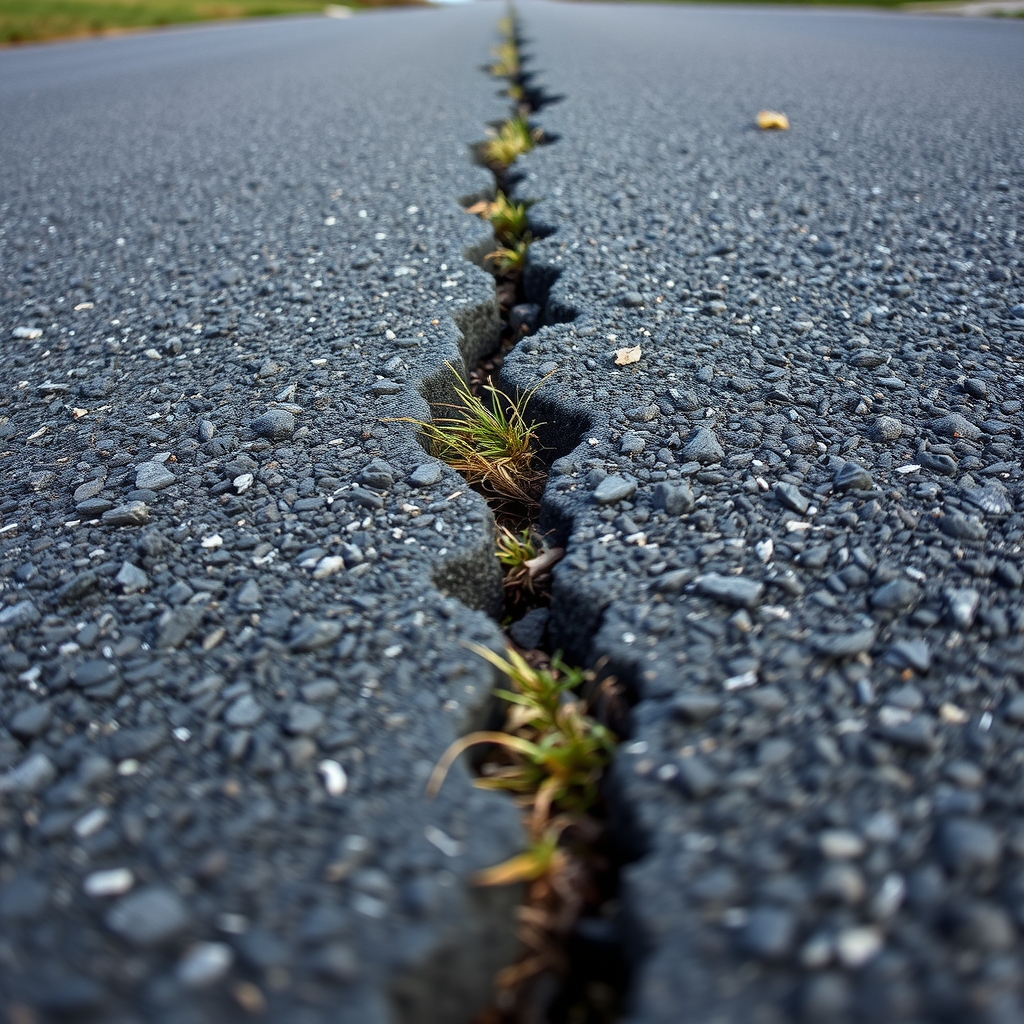
Asphalt cracks open as the pavement ages, dries out and flexes with the weather. Water then seeps in, freezes and widens the crack. Clean out each crack, let it dry, and fill it with a rubberized asphalt crack filler so water cannot get under the surface. It takes an afternoon on a dry, mild day. A web of cracks with sunken patches needs a paving pro instead.
Free fix vs. permanent fix
Clear out the crack and watch it
- Pull weeds and packed dirt out of each crack
- Brush the crack walls with a wire brush
- Sweep or blow the crack clean and let it dry
- Check for wide, sunken or web-like cracks that need a pro
How long it lasts: A few weeks. Cleaning does not seal anything, so water still gets in. It is the prep that makes any filler stick.
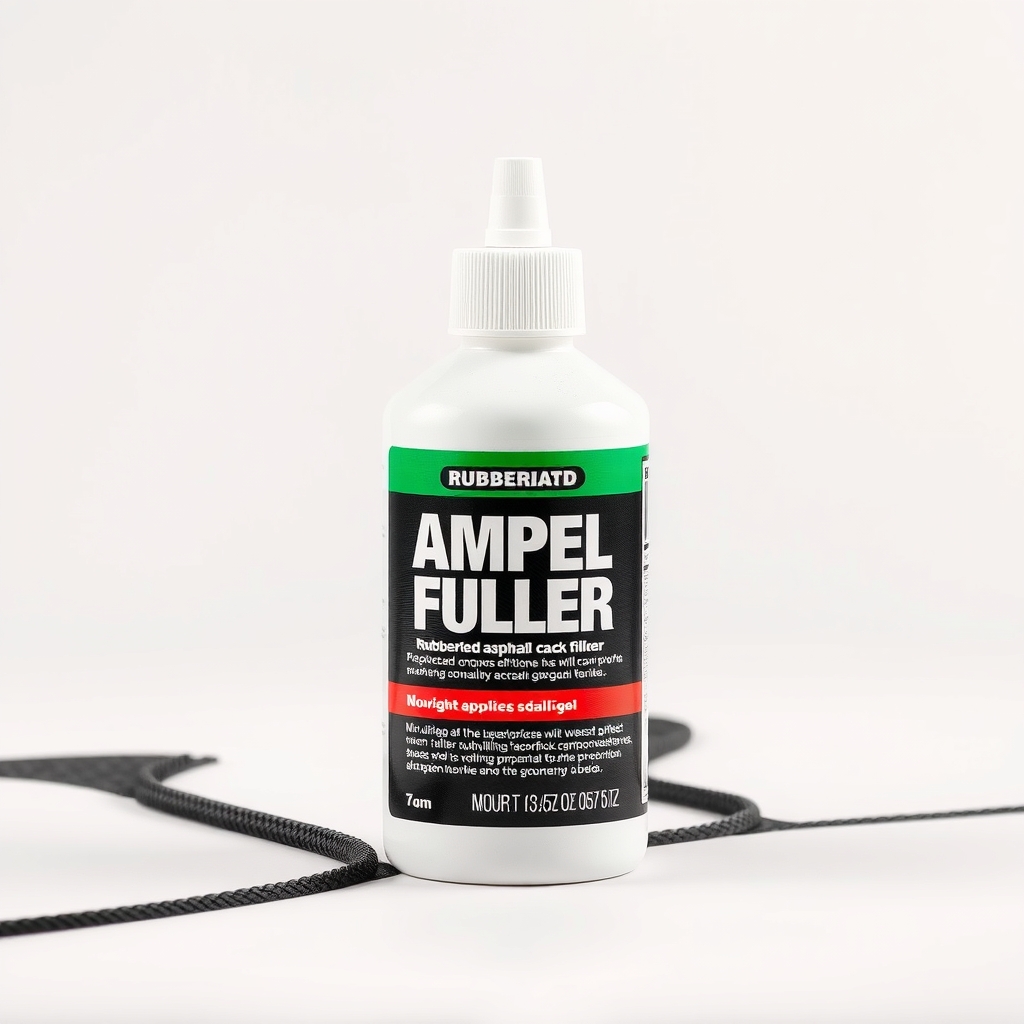
Rubberized asphalt crack filler
An open crack is a door for water. Rubberized filler bonds to the crack walls and flexes in heat and cold, so water stays out of the base. Cleaning gives it something to grip, and filling costs far less than the repaving that unchecked cracks lead to.
What to get: Rubberized asphalt crack filler, pourable or in a squeeze bottle
How long it lasts: Owners report a few years. The filler stays flexible, so it moves with the pavement instead of cracking again.
As an Amazon Associate I earn from qualifying purchases.
What you'll need
-
Screwdriver or putty knife
Digs out weeds and packed dirt
You have it -
Wire brush
Scrapes loose asphalt off the crack walls
You have it -
Stiff broom
Clears dust from the crack
You have it -
Gloves and safety glasses
Filler is sticky and stains
You have it - Our pick Illustration
Rubberized asphalt crack filler
Match the label's width range to your cracks
- Illustration
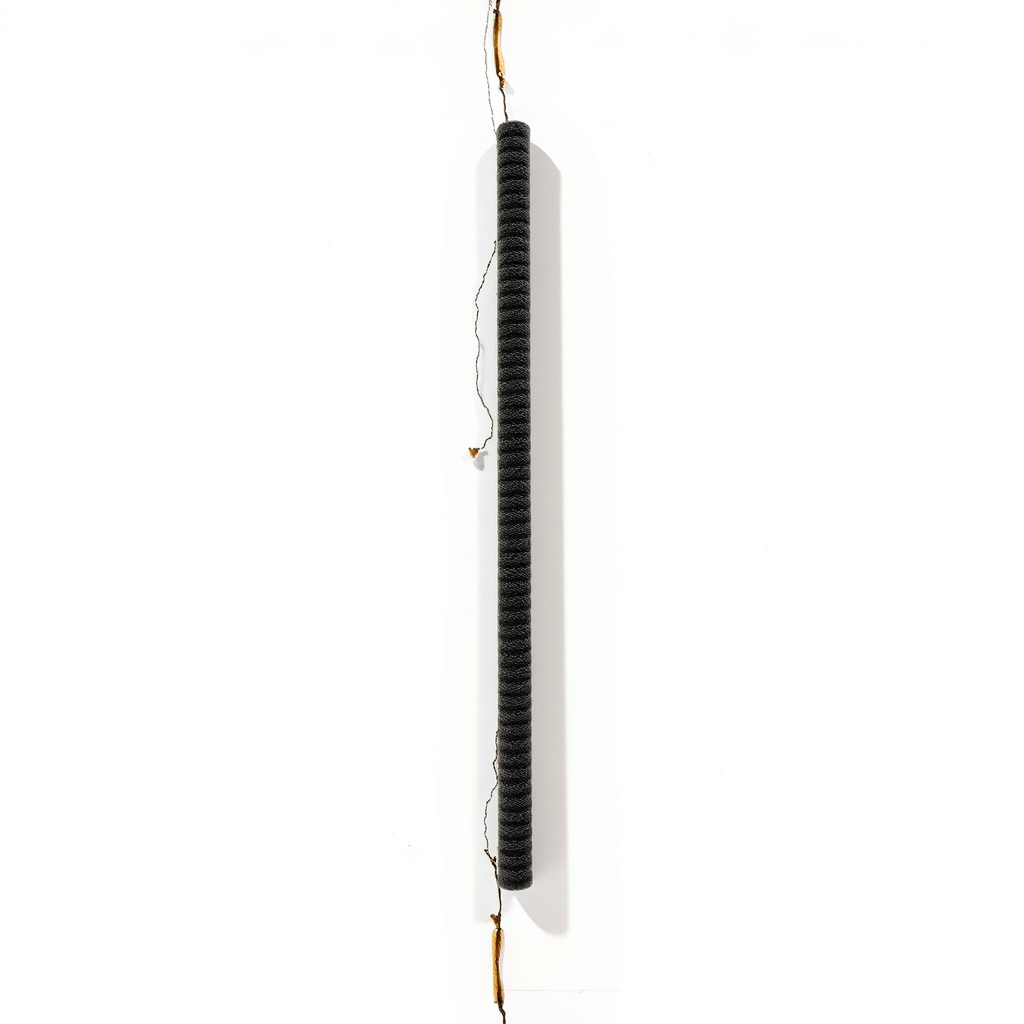
Foam backer rod
Only for deep or wide cracks
Why it happens
Age and sun
Over the years, sun and weather dry out the oils in asphalt. The surface turns stiff and brittle, and it cracks as it expands and shrinks.
Freeze and thaw
Water collects in a small crack, freezes and expands. That opens the crack wider, and the next rain gets in deeper.
Heavy loads and weak edges
Trucks, trailers and cars parked on the edge can crack asphalt, especially if the base under it is thin.
Tree roots and soft ground
Roots push up the surface, and soft or washed-out soil lets it sag. Both leave cracks along the high or low spots.
Try this first (free)
Do these in order, starting with the simplest.
-
Decide if this is a fill job
Hairline cracks up to about half an inch wide are fill jobs. A web of small cracks like alligator skin, or a sunken or rutted area, means the base is failing. That needs a paving pro.
-
Dig out weeds and dirt
Tool used: Screwdriver or putty knifeUse a screwdriver or putty knife to pull out weed roots and packed dirt. Leftover roots will push through the filler later.
-
Brush and blow the crack clean
Tool used: Wire brushScrape the crack walls with a wire brush, then sweep or blow out the dust. Wait for a dry day. Filler will not bond to wet or dusty walls.
-
Fill the crack
Tool used: Rubberized asphalt crack fillerCheck the label for the lowest working temperature, since many water-based fillers want about 50 degrees F or warmer. Fill the crack to just below the surface, then smooth it with a putty knife. For cracks deeper than about half an inch, push in backer rod first.
IllustrationCheck price on AmazonTool for this step
Rubberized asphalt crack filler · Match the label's width range to your cracks
-
Let it cure
Keep cars and feet off for the time on the label, usually a day or so. A light dusting of sand on top keeps it from sticking to tires.
When free fixes aren't enough
A clean crack still lets water in, so cleaning is prep, not a fix. If the crack is wider than the label allows, push in backer rod first, or use a patch compound. If cracks link up into a web, if the surface has sunk, or if you see deep ruts, the base underneath is failing and filler only buys time. Have a paving pro look at it. Do not sealcoat over open cracks, because the sealer will not hold them shut.
Buy the fix
Still stuck after the free fixes? These are the products we would look at.
| Pick | Product | Fixes | Who it's for | Buy |
|---|---|---|---|---|
| Best pick | Rubberized asphalt crack filler, pourable or in a squeeze bottle | open cracks that let water into the base | Homeowners with hairline to half-inch cracks in a sound asphalt driveway. | Check price |
| Upgrade pick | Foam backer rod for wide or deep cracks | deep cracks that swallow filler | Anyone with cracks deeper than about half an inch. | Check price |
Rubberized asphalt crack filler, pourable or in a squeeze bottle
Fixes: open cracks that let water into the base
Look for: Rubberized or flexible, so it moves with the pavement; A listed crack width that fits yours; A spout or squeeze bottle that puts it in the crack, not on the drive; A lowest working temperature that suits your climate.
- Who it's for
- Homeowners with hairline to half-inch cracks in a sound asphalt driveway.
- Honest downside
- Cracks make an alligator web or are much wider than the label allows. Use a patch or call a pro.
Foam backer rod for wide or deep cracks
Fixes: deep cracks that swallow filler
Look for: A diameter slightly wider than the crack, so it stays put; Closed-cell foam that does not soak up water; Used with a filler that lists wide cracks.
- Who it's for
- Anyone with cracks deeper than about half an inch.
- Honest downside
- Your cracks are narrow and shallow. Filler alone does the job.
As an Amazon Associate I earn from qualifying purchases. We don't show prices because they change, so use the button to see today's price.
How we picked: How we picked: this page is based on pavement repair guides, crack filler label instructions, and the problems and fixes owners report in reviews. We do not test products by hand.
Match the product to the crack
- Hairline to about 1/4 inch: pourable or squeeze-bottle rubberized filler.
- About 1/4 to 1/2 inch: rubberized filler, pushed in firmly and smoothed.
- Deeper than about 1/2 inch: push in foam backer rod first, then fill over it.
- Wider than about an inch, or crumbling edges: use patch compound, or call a pro.
How to read alligator cracks
A web of small, linked cracks that looks like reptile skin means the base under the asphalt is failing. Filler only buys a little time. Mark the area and get a paving quote.
What to skip
Sealcoating over open cracks
Sealcoat is thin, so it cannot bridge or close a real crack. Water still gets in underneath. Fill the cracks first, let the filler cure, and then sealcoat if you want to. Skip cheap caulk meant for indoor use too, since it fails in the sun.
Frequently asked questions
Why do asphalt driveways crack?
Can I fill driveway cracks in cold weather?
Should I sealcoat after filling?
How long does crack filler last?
Related problems
 Free fix inside
Outdoor & Garage · Driveway Repair
Driveway Potholes? A Cold Patch Fix in an Afternoon
Read the fix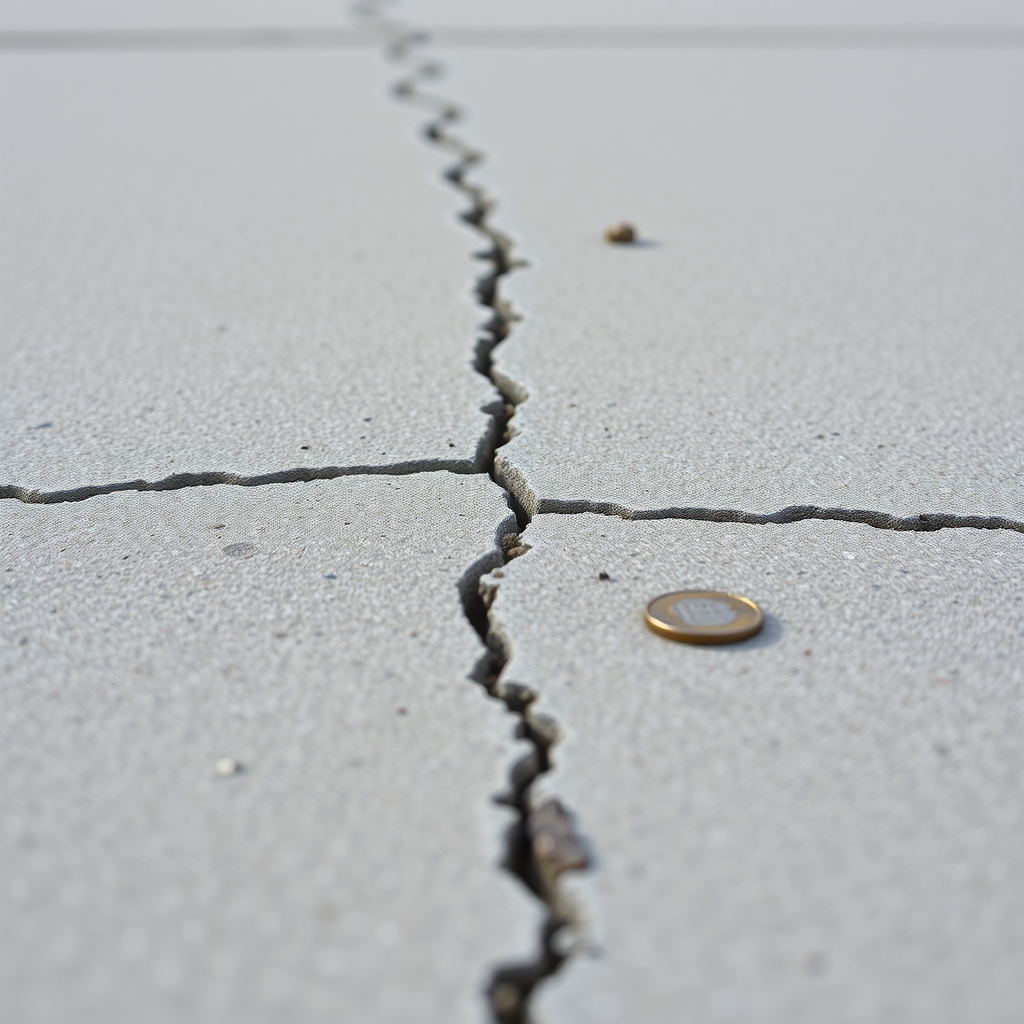 Free fix inside
Outdoor & Garage · Driveway Repair
Concrete Driveway Cracks: Which Ones to Fill and Which to Watch
Read the fix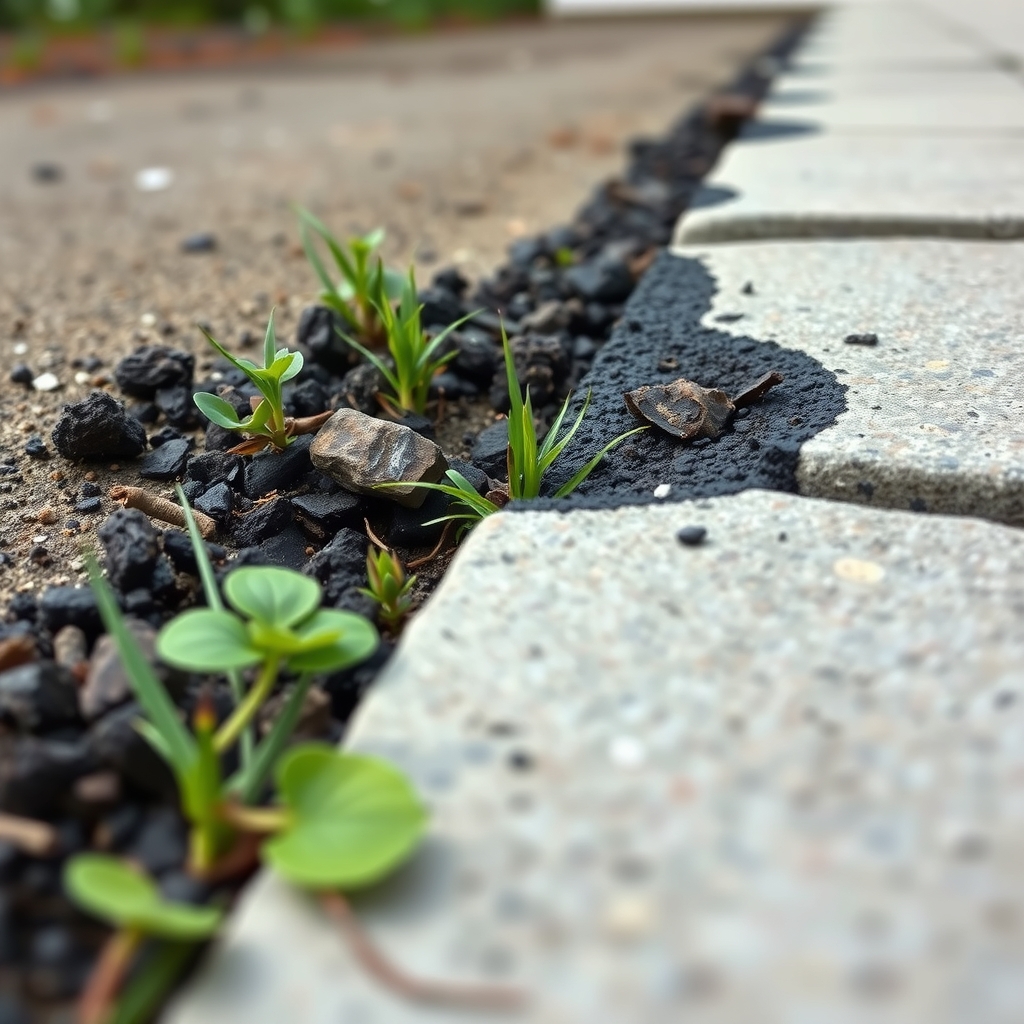 Free fix inside
Outdoor & Garage · Driveway Repair
Driveway Expansion Joints Failing? Re-Seal Them Right
Read the fixAs an Amazon Associate I earn from qualifying purchases. Affiliate disclosure