Driveway Potholes? A Cold Patch Fix in an Afternoon
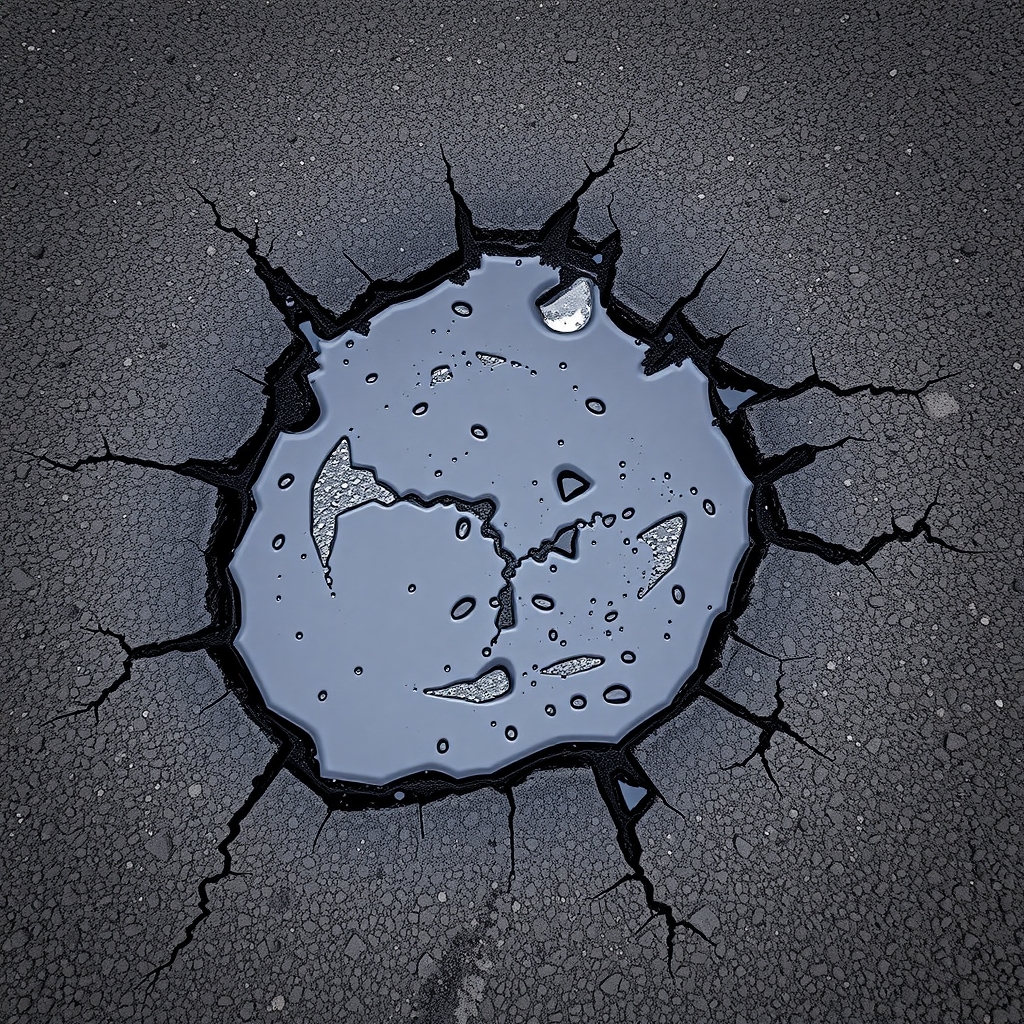
Potholes grow each time water freezes under them. Clear the hole, pack in cold patch in layers and tamp it down, and a small hole is fixed in an afternoon.
By Jamilur Rahman Updated November 5, 2026 · 6 min read
- Time
- 2 hours
- Cost
- $20-$50
- Difficulty
- Medium
In this guide
Quick answer
Potholes start when water seeps through cracks into a weak base, freezes and breaks the asphalt apart as cars drive over it. For a small hole, scoop out loose bits and water, pack in cold patch in thin layers, tamp each one and mound it slightly above the surface. Then drive over it slowly. Cold patch is a solid repair for small holes. A big hole, or several, points to a failing base that a paving pro should fix.
Free fix vs. permanent fix
Clear it out and pack it with gravel
- Scoop out loose bits, dirt and standing water
- Pack in gravel or crushed stone, if you have some, and tamp it
- Keep water from running into the hole
- Mark it so nobody drives through the soft spot
How long it lasts: Weeks at best. Loose gravel keeps the hole from growing for a while, but tires kick it out and rain washes it away.
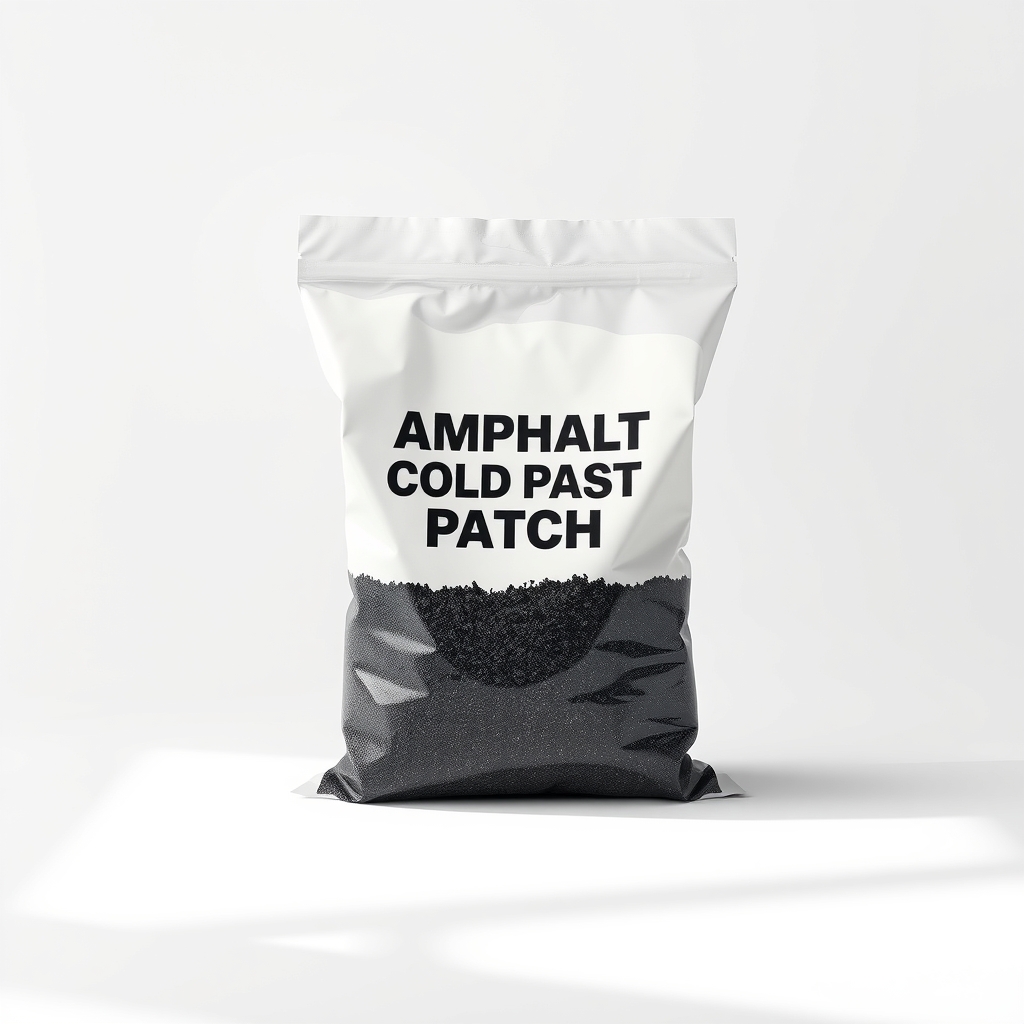
Asphalt cold patch, packed in layers
Cold patch is ready-mixed asphalt that needs no heat. It sticks to clean hole walls, and once it is tamped and driven over, it forms a solid plug that sheds water. Gravel has nothing to hold it in place. Patch material does.
What to get: Asphalt cold patch, bagged
How long it lasts: A year or two is common, and longer is possible on a small hole that is packed well.
As an Amazon Associate I earn from qualifying purchases.
What you'll need
-
Shovel or hand trowel
Digs out loose asphalt and dirt
You have it -
Stiff broom
Sweeps the hole clean
You have it -
Gloves and safety glasses
Cold patch is sticky and stains
You have it -
Gravel or crushed stone
Only for deeper holes, as a base
You have it - Illustration
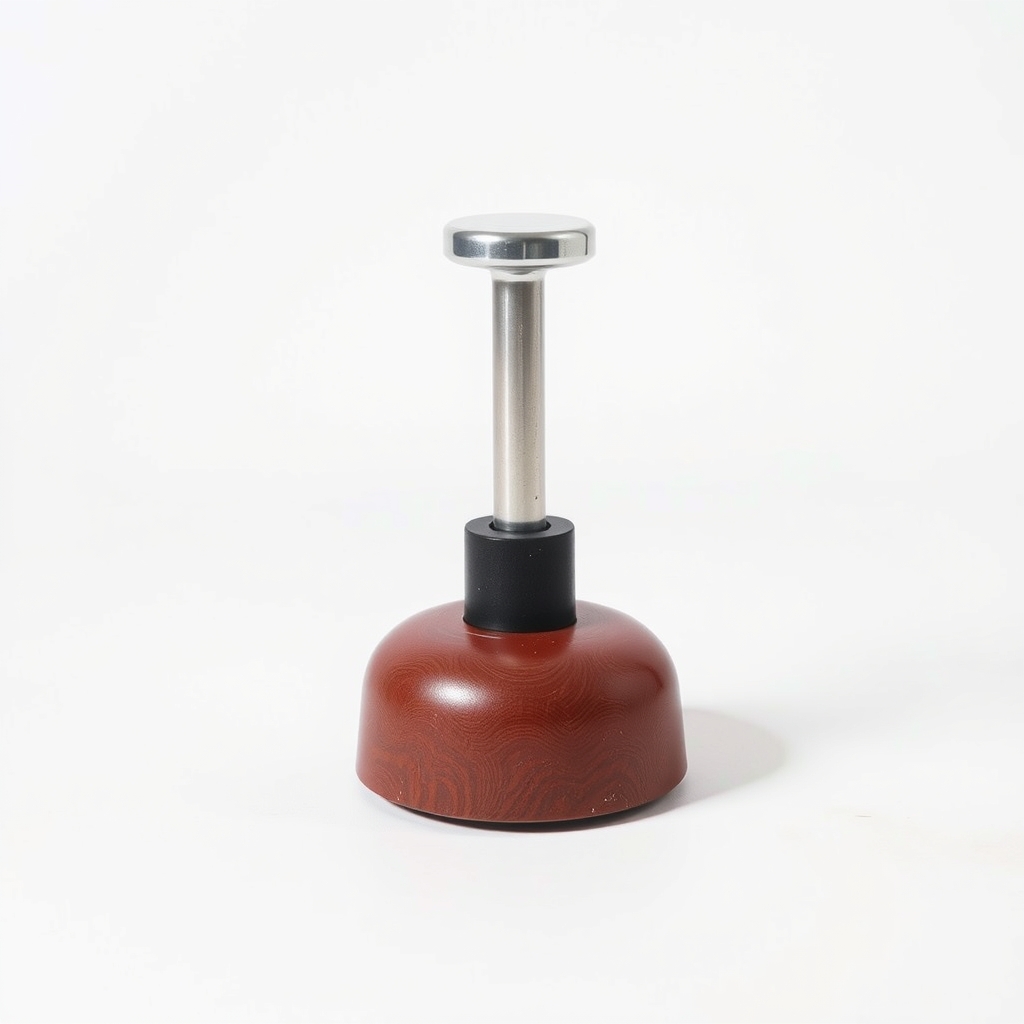
Hand tamper
The end of a 4x4 post works for a small hole
- Our pick Illustration
Asphalt cold patch
Check the coverage listed on the bag
- Illustration
High-performance cold patch
For wet climates and high-traffic spots
Why it happens
Water through cracks
A small crack lets rain in. The water softens the base under the asphalt, and traffic then breaks the weak spot loose.
Freeze and thaw
Water in the base freezes and expands, then melts and leaves a void. Each cycle weakens the surface and opens the hole wider.
A thin or weak base
Driveways built with little stone under the asphalt sag and break sooner. Holes in the same area often point to this.
Traffic where the surface is already tired
Tires that turn at the edge or at the street end add stress to old, dry asphalt. That is where holes often start.
Try this first (free)
Do these in order, starting with the simplest.
-
Check the size
Small holes, roughly a foot or two across and a few inches deep, are DIY jobs. Several holes close together, a web of cracks around the hole, or a sagging stretch mean the base has failed. That is a job for a paving pro.
-
Clear it out
Tool used: Shovel or hand trowelDig out all loose and crumbling asphalt until you reach firm edges. Remove standing water with a rag or a sponge, then sweep the hole clean.
-
Add a gravel base if it is deep
Tool used: Gravel or crushed stoneIf the hole is deeper than a few inches, fill the bottom with gravel or crushed stone and tamp it firm. Leave the top few inches for cold patch.
-
Pack in the patch in layers
Tool used: Asphalt cold patchAdd about an inch of cold patch at a time and tamp each layer hard before the next one. This squeezes out air. Make the last layer about 1/2 inch above the surface, since it settles.
IllustrationCheck price on AmazonTool for this step
Asphalt cold patch · Check the coverage listed on the bag
-
Compact and finish
Tool used: Hand tamperTamp the top, then drive slowly over the patch a few times with a car tire. A light dusting of sand on top keeps it from sticking to tires.
IllustrationCheck price on AmazonTool for this step
Hand tamper · The end of a 4x4 post works for a small hole
When free fixes aren't enough
Gravel alone will not stay put. Tires scatter it, rain washes it away and the hole keeps growing, so it is only a stopgap. A tamped cold patch bonds to the sides of the hole and gives you a surface that holds up to traffic. If the hole comes back in the same spot, or there are several holes and the surface is sagging, the base is failing and a patch only buys time. Get a paving quote. If water pools in the hole, fix the drainage as well.
Buy the fix
Still stuck after the free fixes? These are the products we would look at.
| Pick | Product | Fixes | Who it's for | Buy |
|---|---|---|---|---|
| Best pick | Asphalt cold patch, bagged | potholes and sunken spots up to a few inches deep | Homeowners with a few small holes in a driveway that is otherwise sound. | Check price |
| Upgrade pick | High-performance or polymer-modified cold patch | holes in wet or freezing climates where standard patch breaks down | Homes in wet or cold regions, or with a hole at the street end where tires turn. | Check price |
Asphalt cold patch, bagged
Fixes: potholes and sunken spots up to a few inches deep
Look for: Ready to use, with no heating or mixing; A coverage amount on the bag, so you can buy enough; A listing that says it works in cold or damp weather, if you are patching in fall; A fine mix suited to driveways, if listed.
- Who it's for
- Homeowners with a few small holes in a driveway that is otherwise sound.
- Honest downside
- The hole is large, part of a bigger sunken area, or the base is failing. A patch will not last there.
High-performance or polymer-modified cold patch
Fixes: holes in wet or freezing climates where standard patch breaks down
Look for: Labeled for permanent or all-weather repair; Listed for use in wet holes and in the cold; Coverage per bag on the label.
- Who it's for
- Homes in wet or cold regions, or with a hole at the street end where tires turn.
- Honest downside
- You have one small dry hole. A standard bag costs less and does the job.
As an Amazon Associate I earn from qualifying purchases. We don't show prices because they change, so use the button to see today's price.
How we picked: How we picked: this page is based on asphalt repair guides, cold patch label instructions, and the problems and fixes owners report in reviews. We do not test products by hand.
The two steps that decide how long it lasts
Cold patch fails when it is not compacted and when the hole is dirty. Tamp each layer hard, and leave the last layer slightly mounded so traffic presses it flush. Then clear the edge so it bonds to solid asphalt, not crumbs.
Fill the cracks next to it
A pothole is often the end of a crack that let water in. After the patch is done, fill the cracks beside it with rubberized filler. That keeps new holes from starting at the same spot.
What to skip
Loose gravel, dirt and concrete mix
Gravel and dirt wash out and scatter. Concrete mix does not bond well to asphalt and cracks. Do not pile patch on top of a hole full of water and debris, either. It will not stick, and it will come out in the first week.
Frequently asked questions
How long does a cold patch last?
Can I patch a pothole in the rain or cold?
How much cold patch do I need?
Why do potholes keep coming back?
Related problems
 Free fix inside
Outdoor & Garage · Driveway Repair
Asphalt Driveway Cracks: Fill Them Before Winter Widens Them
Read the fix Free fix inside
Outdoor & Garage · Driveway Upkeep
Gravel Driveway Keeps Washing Out? Grids Hold It in Place
Read the fix Free fix inside
Outdoor & Garage · Driveway Repair
Concrete Driveway Cracks: Which Ones to Fill and Which to Watch
Read the fixAs an Amazon Associate I earn from qualifying purchases. Affiliate disclosure