Gravel Driveway Keeps Washing Out? Grids Hold It in Place
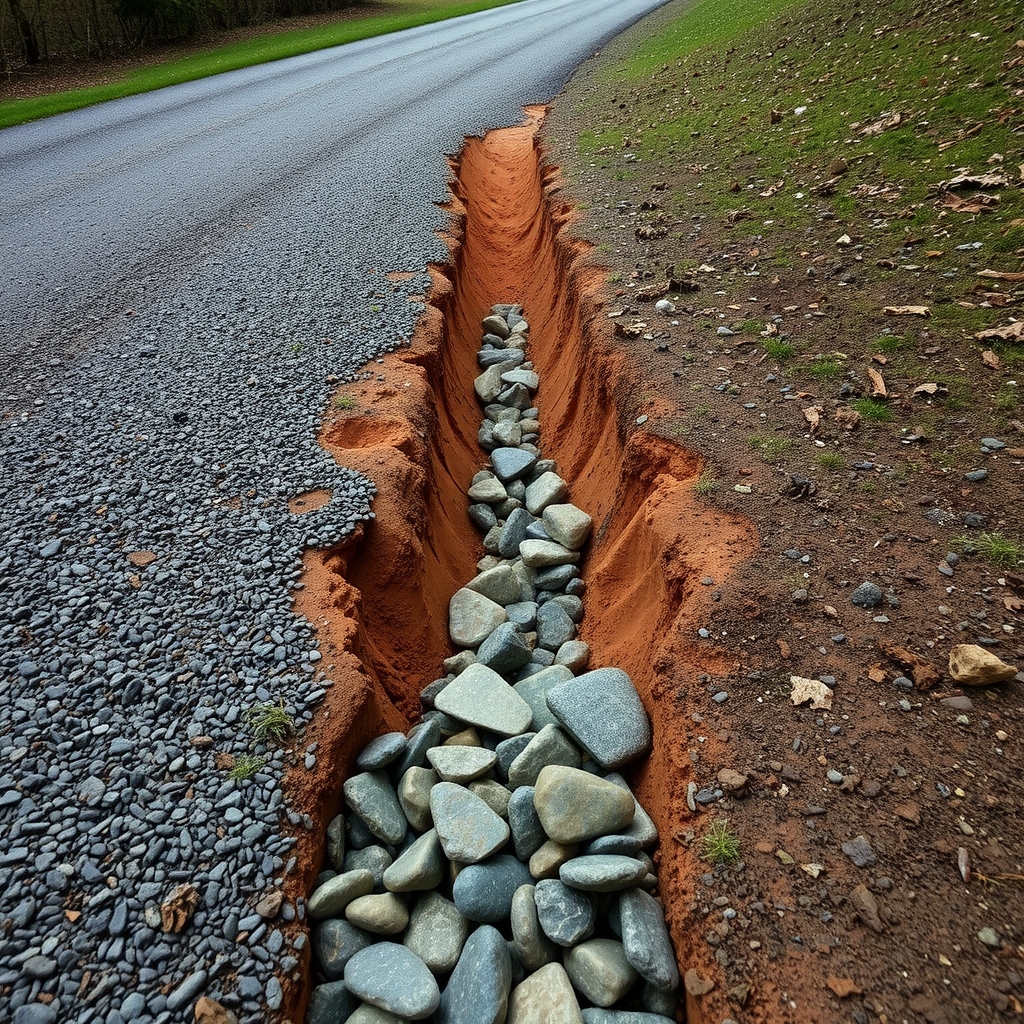
Rain carries loose stone downhill and tires push it aside. Re-grade and divert the water first, then lock the gravel in a grid so it stays put.
By Jamilur Rahman Updated November 5, 2026 · 7 min read
- Time
- A weekend
- Cost
- $150+
- Difficulty
- Medium
In this guide
Quick answer
Gravel washes out because water runs down the drive faster than loose stone can hold, and nothing locks the stone in place. Re-grade with a slight crown, divert water at the top and add angular crushed stone for a quick fix. For a fix that lasts, lay gravel stabilizer grids over a compacted base and fill the cells with stone, so the stone stays where you put it.
Free fix vs. permanent fix
Re-grade, divert water and add stone
- Rake stone from the sides back to the washed-out areas
- Shape a slight crown so water leaves toward the edges
- Dig a shallow diversion across the top to turn runoff aside
- Top up with angular crushed stone, not round pea gravel
How long it lasts: One season or until the next heavy rain. Water finds the same path and the stone moves again.
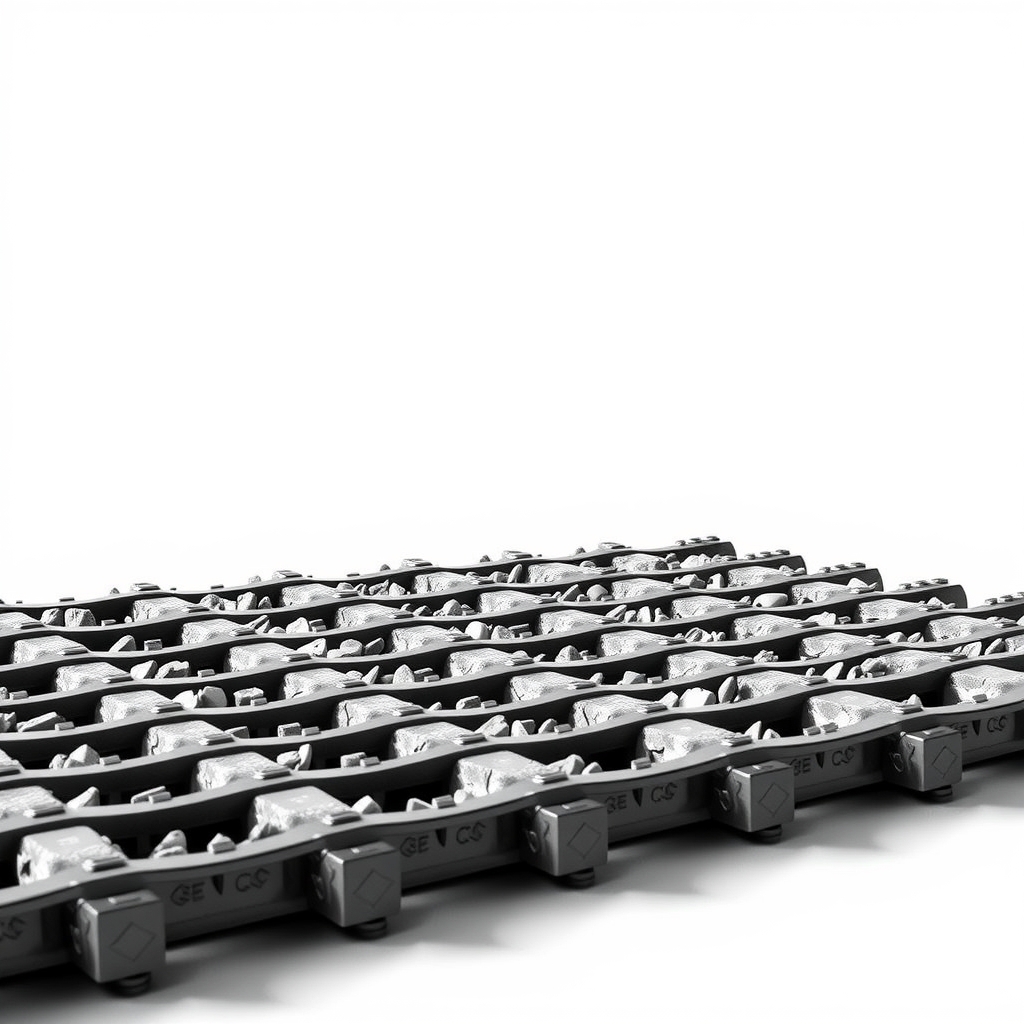
Gravel stabilizer grids over a compacted base
A grid breaks the driveway into small cells, each filled with stone. Water still drains through, but the stone cannot slide downhill or sink into ruts. Raking only moves stone around, and a grid gives the stone walls.
What to get: Interlocking gravel stabilizer grid, rated for cars
How long it lasts: Many years. The cells hold the stone in place, so rain and tires cannot push it around.
As an Amazon Associate I earn from qualifying purchases.
What you'll need
-
Landscape rake and shovel
For re-grading the surface
You have it -
Wheelbarrow
For moving stone
You have it - Illustration
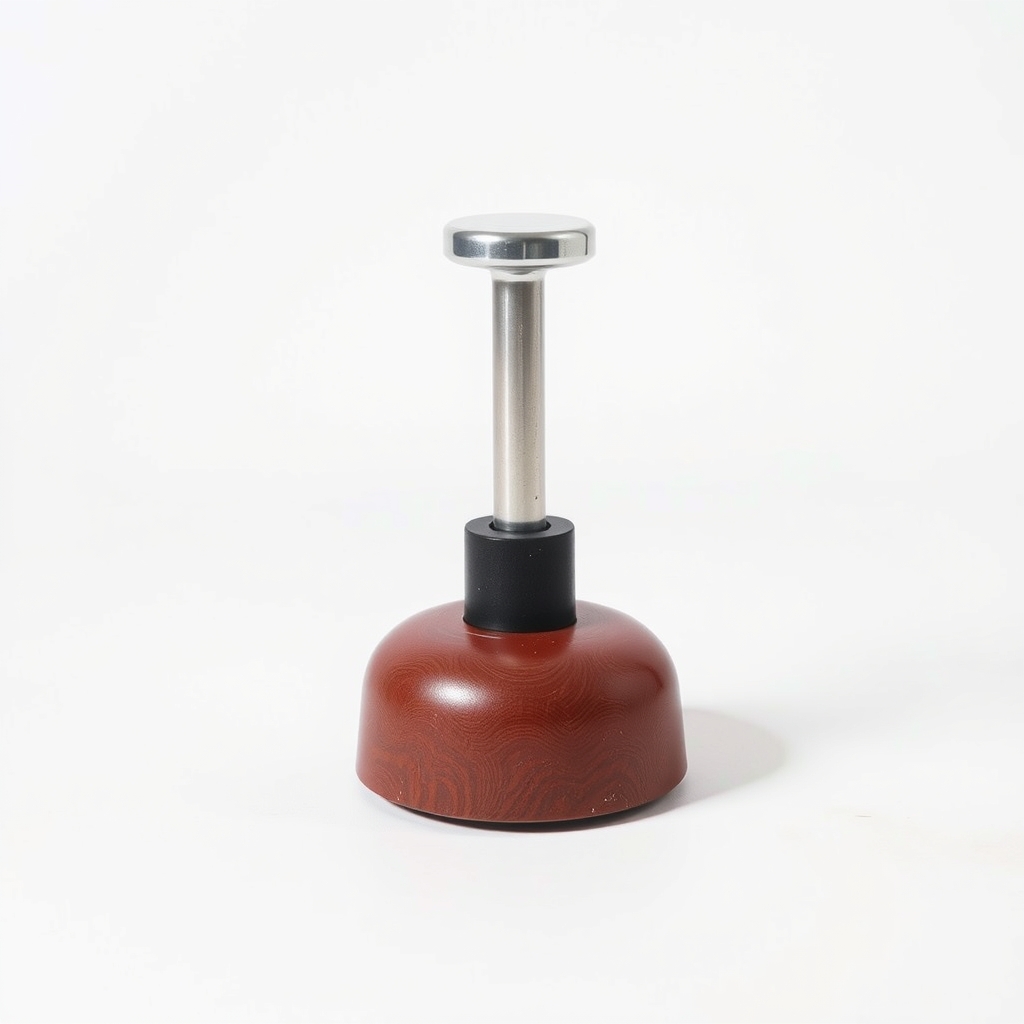
Hand tamper
Packs each layer of stone. A rented plate compactor is faster on a long drive.
- Illustration
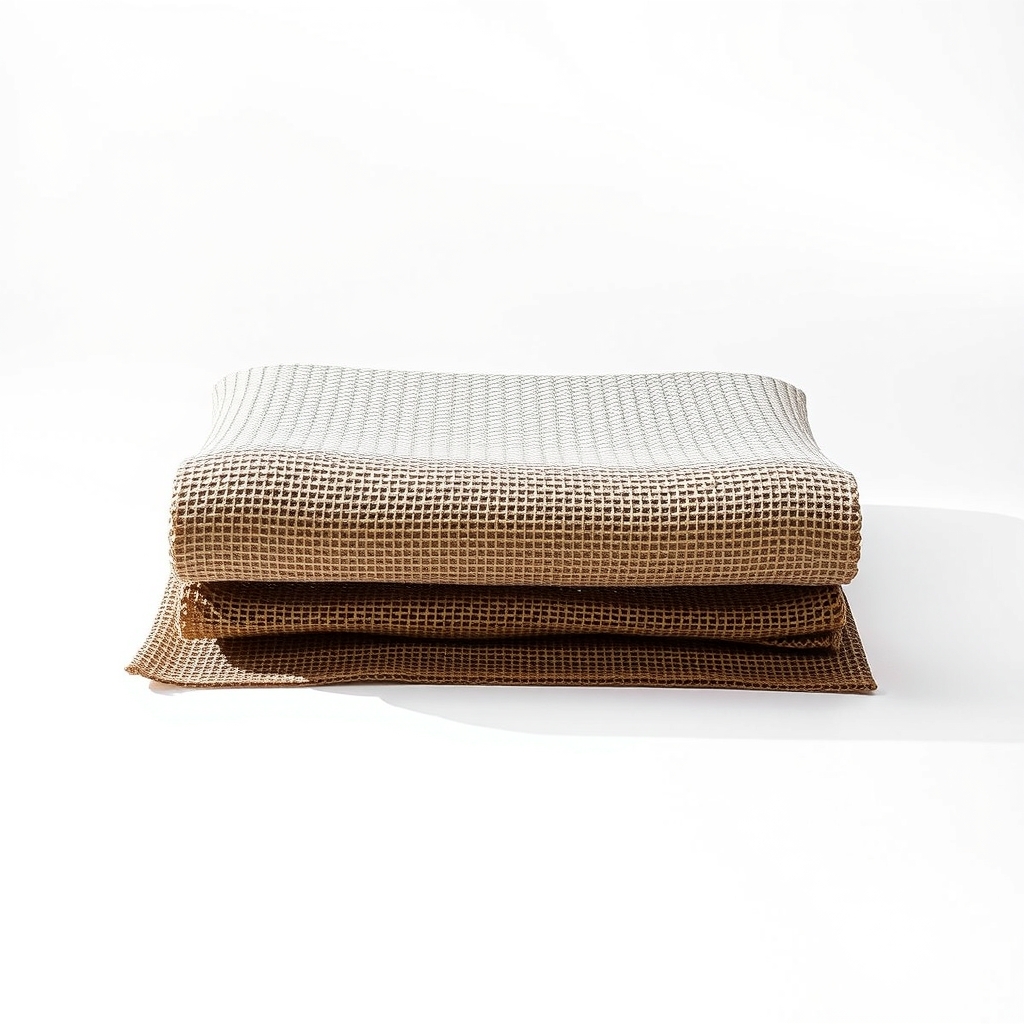
Geotextile stabilization fabric
Keeps stone from sinking into soft ground
- Our pick Illustration
Gravel stabilizer grid
The lasting fix
- Illustration
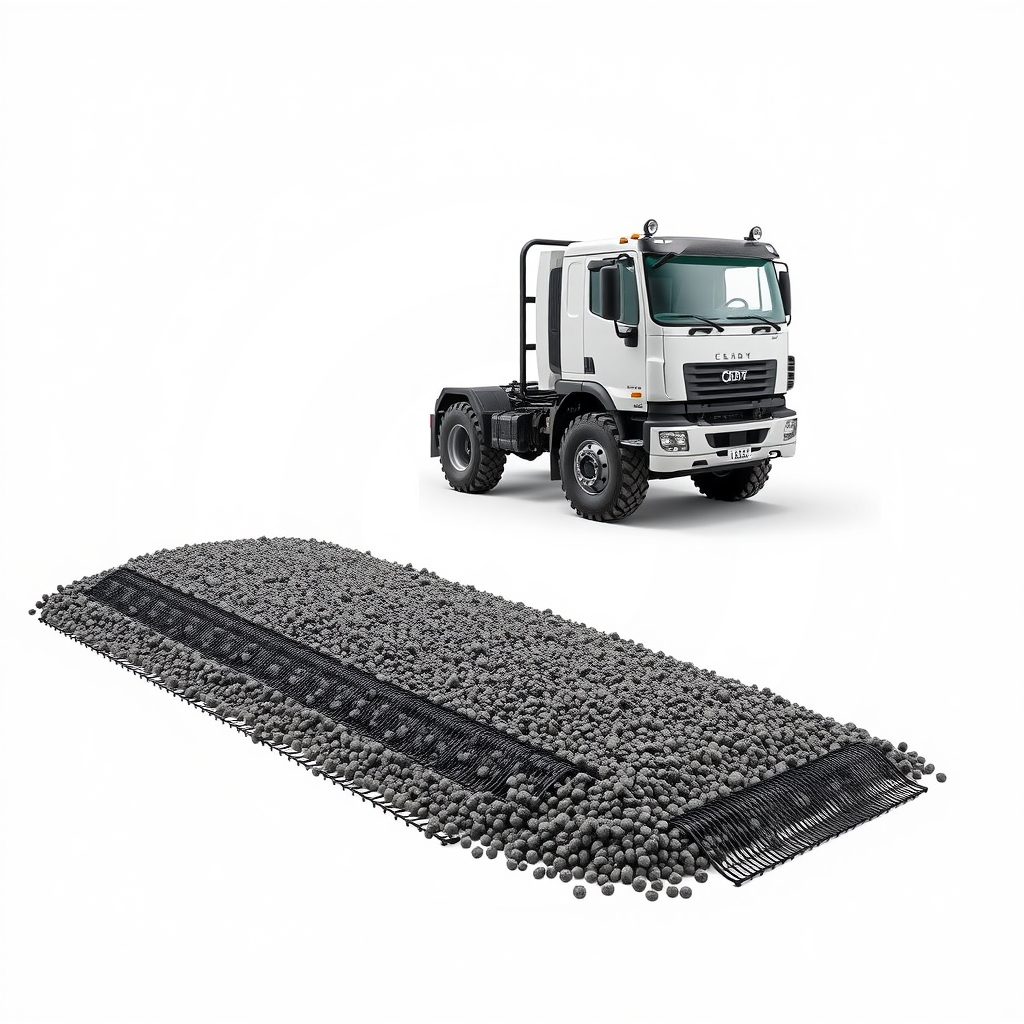
Heavy-duty gravel grid for trucks and slopes
A higher load rating for heavier use
Why it happens
Water running down the drive
Rain collects on the surface, and the steeper the slope, the faster it runs. It picks up fine stone, cuts a channel and leaves ruts.
Loose, rounded stone
Pea gravel and other round stone roll like marbles. Angular crushed stone with fines locks together. Round stone never does.
Soft ground and no base
Gravel laid on bare soil sinks into it, and soil pushes up through the stone. After a few months the drive looks thin, with dirt showing.
Tires pushing stone sideways
Turning, braking and parking push stone to the edges and into piles. Ruts form where the wheels run.
No edge and no drainage
Without a border, stone spills onto the lawn. Without a ditch or culvert, water has nowhere to go but down the drive.
Try this first (free)
Do these in order, starting with the simplest.
-
Find where the water goes
Walk the drive in the rain, or right after. Note where water runs, where the gully starts and where stones pile up. Mark those spots.
-
Rake stone back and re-crown the drive
Tool used: Landscape rake and shovelRake from the piles to the washed-out spots. Aim for a slight crown, about 1/4 to 1/2 inch of drop per foot from the center to each edge, so water leaves sideways instead of running down the middle.
-
Divert water above the problem
Tool used: Landscape rake and shovelDig a shallow V-shaped ditch, or set a rubber water bar, at an angle across the drive above the washout. It pushes runoff to the side. Make sure the water ends on grass or in a ditch, not on the road or a neighbor's yard.
-
Top up with angular crushed stone
Tool used: Hand tamperAdd about 2 inches at a time of 3/4-inch crushed stone with fines, often sold as crusher run, and pack each layer. Move it by wheelbarrow.
IllustrationCheck price on AmazonTool for this step
Hand tamper · Packs each layer of stone. A rented plate compactor is faster on a long drive.
-
Add a border
Edge the drive with landscape timbers, steel edging or large stones so stone stops spilling onto the lawn.
-
Lock down the worst stretch with grids
Tool used: Gravel stabilizer gridUse grids where water runs hardest or tires sink. Lay them over a compacted base and fabric, clip the sections together and fill every cell with stone.
When free fixes aren't enough
Re-grading buys you one season. If the same strip washes out after every big storm, steady water flow and loose stone are the cause, and raking cannot hold it. Grids give the stone walls, so it stays in the cells while water drains through. They are most worth it on slopes, at turning areas and in tire tracks. They will not fix a drive where drainage is the real problem, so the diversion comes first. Call a grading or drainage contractor if a gully gets deep (more than about 6 inches), water runs onto the road or a neighbor's land, the slope is very steep or sinkholes appear.
Buy the fix
Still stuck after the free fixes? These are the products we would look at.
| Pick | Product | Fixes | Who it's for | Buy |
|---|---|---|---|---|
| Best pick | Interlocking gravel stabilizer grid, rated for cars | stone sliding, rutting and sinking | Anyone whose gravel washes out in the same places every storm, or where tires push stone aside. | Check price |
| Budget pick | Geotextile stabilization fabric for driveways | gravel sinking into soft ground | A flat drive where stone sinks into mud rather than washing downhill. | Check price |
| Upgrade pick | Heavy-duty gravel grid for trucks and slopes | ruts under heavy loads on steeper drives | Steeper drives, RV or truck parking, or delivery access. | Check price |
Interlocking gravel stabilizer grid, rated for cars
Fixes: stone sliding, rutting and sinking
Look for: A load rating that covers the vehicles you park; UV-stable plastic with interlocking edges; Cells deep enough for the stone, with fabric attached or sold with it; Enough sections for your drive, so measure first.
- Who it's for
- Anyone whose gravel washes out in the same places every storm, or where tires push stone aside.
- Honest downside
- Water is pouring down a steep slope. Divert it first, or hire a pro.
Geotextile stabilization fabric for driveways
Fixes: gravel sinking into soft ground
Look for: A woven fabric rated for driveway or road use, not thin weed barrier; A roll wide enough to overlap seams by about a foot; Water-permeable fabric.
- Who it's for
- A flat drive where stone sinks into mud rather than washing downhill.
- Honest downside
- Your washout comes from running water on a slope. Fabric alone will not hold stone against runoff.
Heavy-duty gravel grid for trucks and slopes
Fixes: ruts under heavy loads on steeper drives
Look for: A higher load rating for trucks, RVs or deliveries; Deeper cells; Anchoring pins for slopes, and fabric included.
- Who it's for
- Steeper drives, RV or truck parking, or delivery access.
- Honest downside
- You drive regular cars on a gentle slope. A standard grid is enough.
As an Amazon Associate I earn from qualifying purchases. We don't show prices because they change, so use the button to see today's price.
How we picked: How we picked: this page is based on driveway grading and drainage guides, gravel grid installation instructions, and what owners report in reviews of stabilizer grids. We do not test products by hand.
Installing grids, in order
- Strip loose stone and level the ground, with a slight crown or slope for drainage.
- Compact the soil, then add a few inches of crushed stone base and compact it.
- Lay geotextile fabric, overlapping seams by about a foot.
- Clip the grid sections together and anchor them as the maker says.
- Fill every cell with clean angular stone and pack it flush.
Choosing the stone
Use angular crushed stone with fines for the base, since it packs tight. For the grid cells, use clean angular stone sized to the maker's guide, usually around 1/2 to 3/4 inch. Avoid round pea gravel, which rolls out of the cells.
Before you dig
If you dig more than a few inches, call 811 in the US first so buried lines are marked. Raking and topping up do not need a call.
What to skip
Dumping more gravel on a washed-out drive
Adding stone without fixing the water or the base only wastes money. The next storm moves it again. Round pea gravel is the worst choice, since it rolls and never locks.
Frequently asked questions
Why does my gravel driveway keep sinking?
How do I stop driveway erosion on a slope?
How deep should gravel be on a driveway?
Are grids worth it?
Related problems
 Free fix inside
Outdoor & Garage · Driveway Repair
Driveway Potholes? A Cold Patch Fix in an Afternoon
Read the fix Free fix inside
Outdoor & Garage · Driveway Upkeep
Driveway Pavers Shifting? Polymeric Sand Locks Them In
Read the fix Free fix inside
Outdoor & Garage · Yard Drainage
Garden Flooding After Every Rain? Drainage Fixes That Work
Read the fixAs an Amazon Associate I earn from qualifying purchases. Affiliate disclosure