Garden Flooding After Every Rain? Drainage Fixes That Work
Water pools because it has nowhere to go. Redirect roof runoff for free, test how your soil drains, then lay a French drain kit to carry the rest away.
By Jamilur Rahman Updated November 5, 2026 · 7 min read
- Time
- A weekend
- Cost
- $150+
- Difficulty
- Hard
In this guide
Quick answer
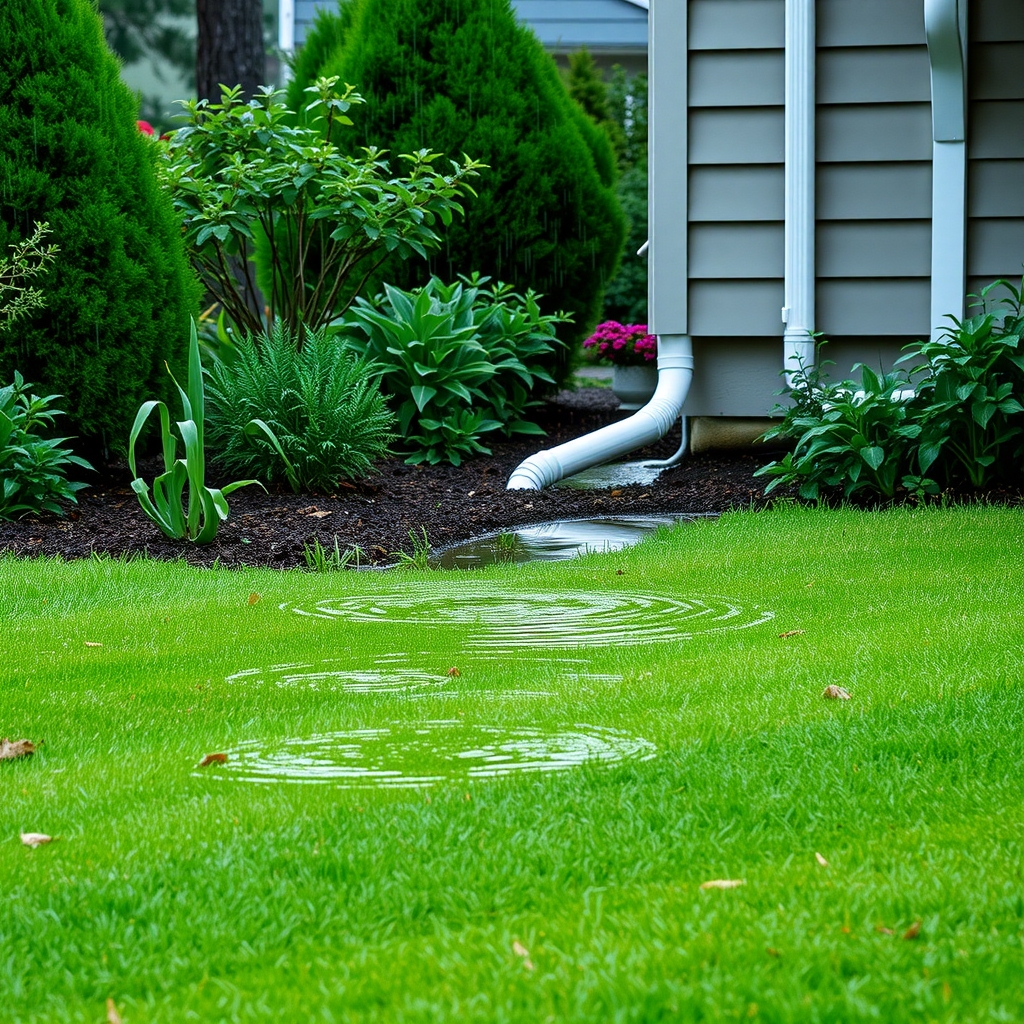
A garden floods when rain arrives faster than the soil can take it, or when it has nowhere to run. Find the source first: usually a downspout, a slope toward the garden or soil packed hard. Extend downspouts, fix the grade and loosen the soil. If water still sits for a day or more, a French drain kit collects it and carries it to a lower spot.
Free fix vs. permanent fix
Redirect, regrade and loosen
- Watch where the water enters and where it pools in a storm
- Clear the gutters and extend the downspouts several feet
- Fill low spots and slope the soil away from the house
- Dig a test hole to see how fast the soil drains
How long it lasts: It is enough if roof runoff or one low spot is the cause. It cannot fix a high water table or a yard that slopes toward the garden.
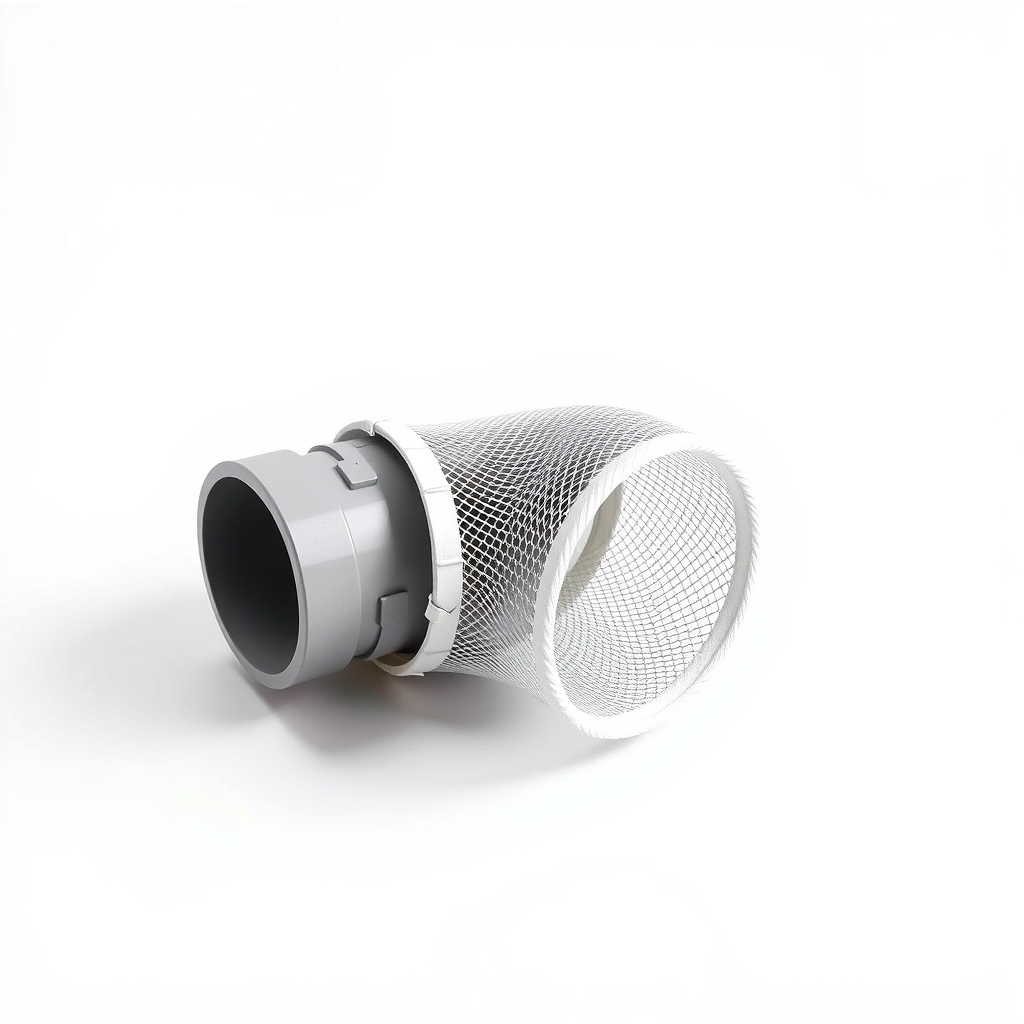
A French drain kit with a filter sock
A French drain is a gravel-filled trench with a perforated pipe. Water seeps in from the soil, runs along the pipe and leaves at a lower spot. The kit gives you the pipe with a filter sock already fitted, which keeps soil out of the holes so the drain does not clog.
What to get: French drain kit: 4-inch perforated pipe with a filter sock
How long it lasts: Many years if it is laid on a slope with clean gravel and a proper outlet.
As an Amazon Associate I earn from qualifying purchases.
What you'll need
-
Shovel
For the test hole and the trench
You have it -
Tape measure
For depth, length and the slope you need
You have it - Illustration

String line level
Checks that the trench falls toward the outlet
- Our pick Illustration
French drain kit
Perforated pipe with a filter sock, 4 inches wide
- Illustration
Downspout extension
The cheapest fix if a downspout is the source
- Illustration

Catch basin with grate
For a low spot where water collects on top
Why it happens
Roof runoff dumped at the foundation
One inch of rain on a 1,000 square foot roof gives roughly 600 gallons. A downspout that ends at the wall sends that into one spot.
A yard that slopes toward the garden
Water runs downhill. If your lawn or a neighbor's yard slopes toward the bed, it collects there like a bowl.
Soil that cannot absorb it
Heavy clay and packed soil let water in slowly. The top layer fills and the rest runs off or sits.
A high water table or a poor outlet
In some areas groundwater rises after long rain. A drain only helps if the water has somewhere lower to go.
Hard surfaces nearby
A patio, driveway or roof edge sends water onto the garden faster than soil can take it.
Try this first (free)
Do these in order, starting with the simplest.
-
Watch a storm and mark the path
Go out during the rain with a notepad. Note where the water arrives, where it runs and where it pools. Take photos to compare after any fix.
-
Call 811 before you dig
In the United States, call 811 a few days before any digging so utility lines are marked for free. This applies to a test hole as well.
-
Test how the soil drains
Tool used: ShovelDig a hole about 12 inches deep and fill it with water. Let it drain, fill it again and time it. If water is still standing after about 24 hours, the drainage is poor.
-
Fix the roof runoff
Clear the gutters and make each downspout end at least 5 to 10 feet from the house, on ground that slopes away. Longer is better.
-
Regrade the low spots
Tool used: String line levelFill low spots and slope the ground away from the house, about 6 inches of drop over the first 10 feet. Use a string line level to check your slope.
IllustrationCheck price on AmazonTool for this step
String line level · Checks that the trench falls toward the outlet
-
Loosen the soil
Fork the bed 8 to 12 inches deep and mix in compost, which helps water soak in. Do not work clay when it is soaking wet.
When free fixes aren't enough
If puddles still sit for a day or more after the downspouts, grade and soil are fixed, the water is coming from the ground, a slope or a neighbor. A French drain intercepts it below the surface and moves it to a lower outlet. It is real digging, a trench a foot or more deep and as long as the wet area, and it needs an outlet lower than the wet spot, such as a downhill part of your yard. If water enters the house or garage, you see foundation cracks, or you cannot find a lower outlet, call a drainage contractor. Never send the water to a neighbor's yard, a septic system or a sanitary sewer.
Buy the fix
Still stuck after the free fixes? These are the products we would look at.
| Pick | Product | Fixes | Who it's for | Buy |
|---|---|---|---|---|
| Best pick | French drain kit: 4-inch perforated pipe with a filter sock | standing water in a garden or lawn that keeps the soil soaked for days | People with a damp low spot, a sloped yard or heavy clay who have a lower place to send the water. | Check price |
| Budget pick | Downspout extension | roof runoff dumped at the foundation | Anyone whose garden floods near a downspout. | Check price |
| Upgrade pick | Catch basin with a grate | a low spot where surface water collects and has to be pulled into the drain | Gardens with a bowl-shaped low spot. | Check price |
French drain kit: 4-inch perforated pipe with a filter sock
Fixes: standing water in a garden or lawn that keeps the soil soaked for days
Look for: 4-inch perforated pipe, the common size; A fabric filter sock already fitted so silt stays out; Connectors and end caps to match your layout; A listed length that covers your run, plus a little extra.
- Who it's for
- People with a damp low spot, a sloped yard or heavy clay who have a lower place to send the water.
- Honest downside
- There is nowhere lower to send the water, the yard is flat with no outlet, or the water is getting into the house. Call a drainage pro.
Downspout extension
Fixes: roof runoff dumped at the foundation
Look for: A length that carries water 6 to 10 feet from the wall; A fit for your downspout's size and shape; A flip-up or roll-out style if you mow around it.
- Who it's for
- Anyone whose garden floods near a downspout.
- Honest downside
- The downspout already runs well away from the house. The cause is somewhere else.
Catch basin with a grate
Fixes: a low spot where surface water collects and has to be pulled into the drain
Look for: A grate rated for foot traffic or a mower; Pipe connections that match your drain pipe; A silt trap or sump that stops debris reaching the pipe.
- Who it's for
- Gardens with a bowl-shaped low spot.
- Honest downside
- There is no fall to an outlet. A basin with nowhere to drain just fills.
As an Amazon Associate I earn from qualifying purchases. We don't show prices because they change, so use the button to see today's price.
How we picked: How we picked: this page is based on home drainage and grading guidance, product instructions from drain makers, public advice to call 811 before digging, and what owners report in reviews of French drain kits. We do not test products by hand.
How a French drain goes in
- Call 811 and mark the line from the wet spot to the outlet.
- Dig a trench about 6 to 12 inches wide and 12 to 24 inches deep, sloping toward the outlet.
- Lay a few inches of gravel, then the pipe in its filter sock, with the perforations facing the way the kit directs.
- Cover the pipe with more gravel, then soil or sod on top.
Before you dig
Call 811, check your local rules about drainage, and be sure the outlet is on your own property and lower than the wet area. Dig when the soil is workable and not soaked. If the trench fills with water as you dig, stop and ask a pro.
What to skip
Adding sand or topsoil on top of wet clay
Dumping sand or bags of topsoil on a wet spot over clay can create a bathtub that holds more water. Burying pipe with no outlet does the same. Water has to leave the area, not just sit in a different layer.
Frequently asked questions
How deep should a French drain be?
Where does the water go?
Do I need gravel?
Can I put a French drain next to my house?
Related problems

As an Amazon Associate I earn from qualifying purchases. Affiliate disclosure