Driveway Pavers Shifting? Polymeric Sand Locks Them In
Pavers shift when joint sand washes out and nothing holds them together. Reset any sunken stones, then lock the joints with polymeric sand.
By Jamilur Rahman Updated November 5, 2026 · 6 min read
- Time
- A weekend
- Cost
- $50-$150
- Difficulty
- Medium
In this guide
Quick answer
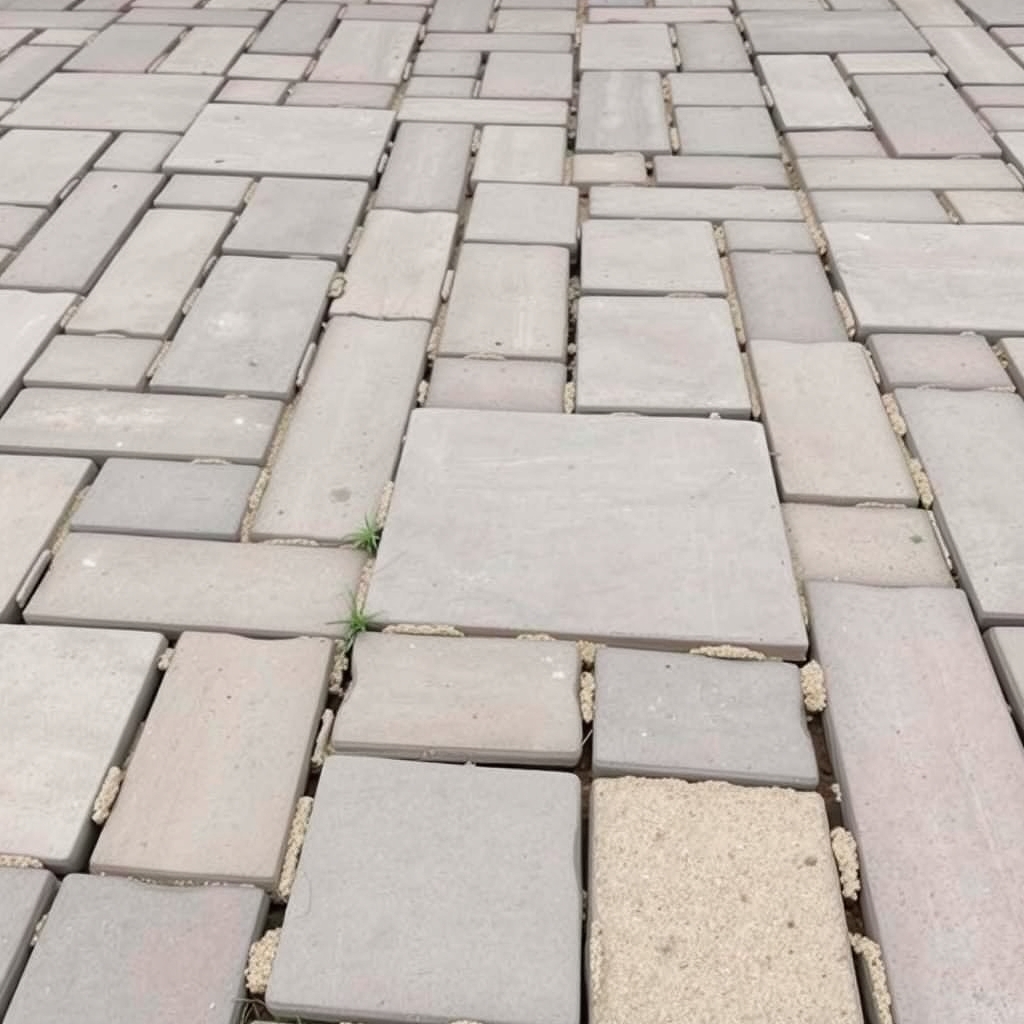
Pavers shift when the joint sand washes out, the stones lose side support and tires rock them loose. A single sunken paver usually means the bedding sand under it moved. Lift and reset any stone that dropped, clean out the joints, then sweep in polymeric sand, mist it lightly and let it harden. It turns loose sand into a firm, flexible joint that holds the pavers together. If whole sections sink, the base needs a pro.
Free fix vs. permanent fix
Reset the sunken pavers and top up with plain sand
- Lift sunken pavers and pack bedding sand under them
- Tap each one level with a rubber mallet
- Sweep fine sand into the joints
- Check whether the outer edges are held by a curb or border
How long it lasts: A few months. Plain sand brushes out and washes away again, so the pavers loosen over time.
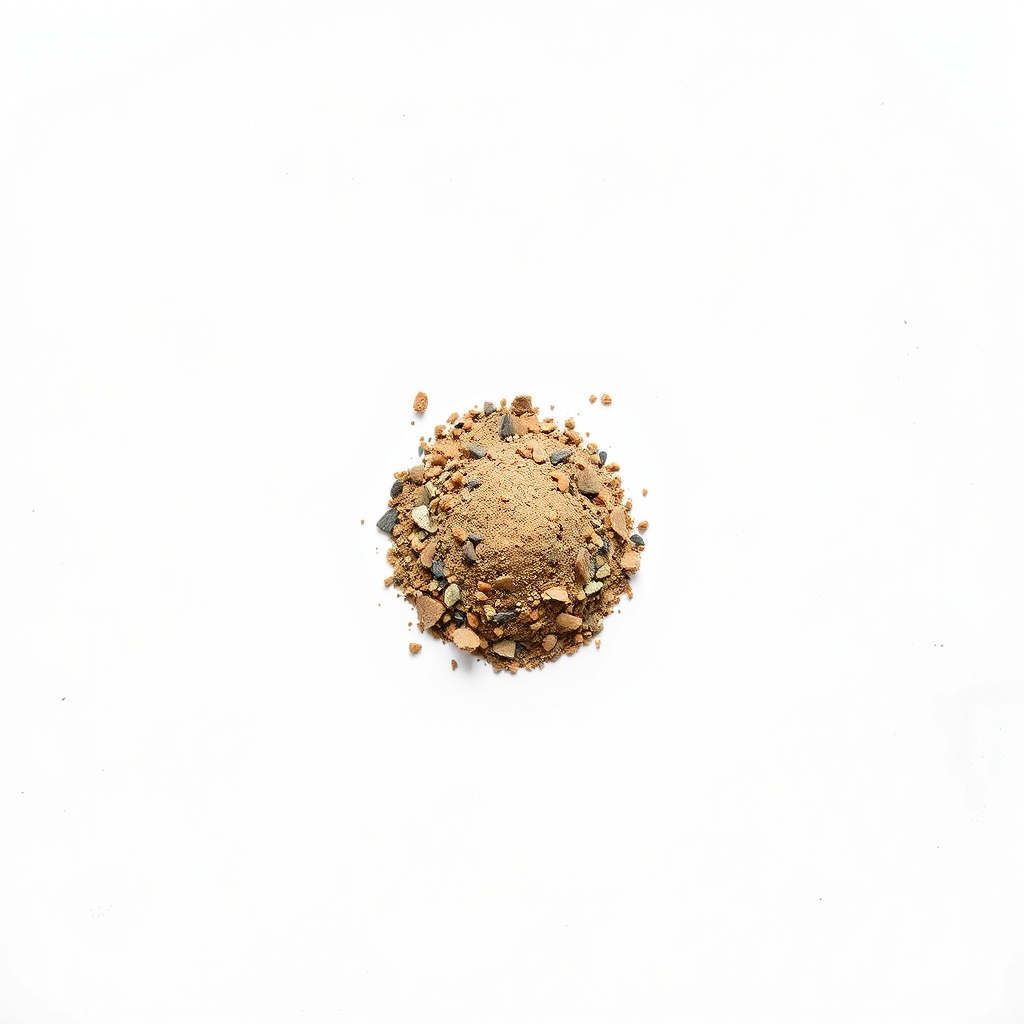
Polymeric sand in the joints
Plain sand washes out, and a paver with empty joints rocks under tires. Polymeric sand contains binders that harden when misted. That locks neighboring pavers together and keeps the joints full. Resetting gives it a level surface to lock.
What to get: Polymeric sand matched to your joint width
How long it lasts: Often several years. Heavy washing or standing water can wear the top, and you can top it up.
As an Amazon Associate I earn from qualifying purchases.
What you'll need
-
Flat screwdriver or joint scraper
Clears old sand and weeds out of the joints
You have it -
Rubber mallet
Taps pavers level without chipping them
You have it -
Stiff broom
Sweeps sand into joints
You have it -
Leaf blower
Clears sand dust off the paver faces
You have it -
Dust mask and safety glasses
Joint sand dust is fine and irritating
You have it - Our pick Illustration
Polymeric sand
Match it to your joint width and depth
- Illustration
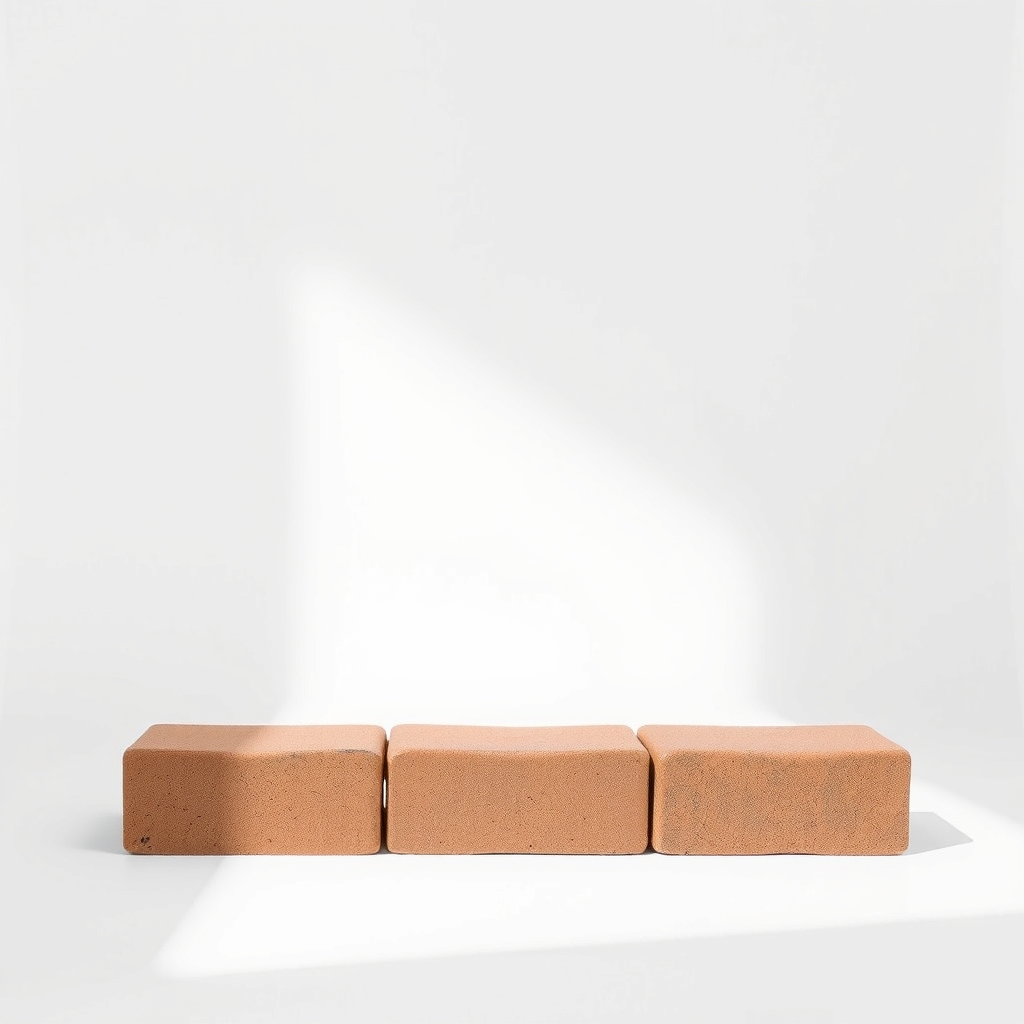
Paver edge restraint
For edges with no curb or border
Why it happens
Joint sand that washed out
Rain, hoses and pressure washers carry sand out of the joints. Without it, pavers lose side support and begin to rock.
A base or bedding layer that settled
Pavers sit on a layer of sand over compacted stone. If that base was thin or loosely packed, the pavers sink where tires roll.
No edge restraint
A paved area needs a curb or border to keep the outer pavers from drifting apart. Without one, the edges spread and the joints open.
Roots, ants and weeds
Roots can lift sections, and ants and weeds take over empty joints, loosening what is left.
Try this first (free)
Do these in order, starting with the simplest.
-
Find what is moving
Walk the driveway. A rocking paver needs new bedding sand. Pavers that sink in tire tracks point to a base problem. Pavers spreading apart at the edge point to a missing border.
-
Lift and reset sunken pavers
Tool used: Rubber malletPry up the paver with a flat screwdriver and pack bedding sand under it until it sits level with its neighbors. Set it back and tap it level with a rubber mallet.
-
Clean out the joints
Tool used: Flat screwdriver or joint scraperScrape out old sand and weeds to the depth the polymeric sand bag asks for, often an inch or more. Sweep or blow out the dust.
-
Pick a dry window
Pavers and joints must be fully dry. Most polymeric sands need temperatures above about 40 degrees F and no rain for at least 24 hours. Check the bag for your product.
-
Sweep in the polymeric sand
Tool used: Polymeric sandWear a dust mask and glasses. Pour the sand over dry pavers and sweep it into every joint. Follow the bag to settle it, then top up the joints and sweep again until they are full.
IllustrationCheck price on AmazonTool for this step
Polymeric sand · Match it to your joint width and depth
-
Blow off, mist and keep dry
Tool used: Leaf blowerBlow every bit of sand off the paver faces, because leftover sand leaves a haze. Mist gently as the bag says, and do not flood the joints. Keep rain, sprinklers and traffic off for 24 hours or more.
When free fixes aren't enough
Plain sand is the free fix, and it is also why pavers loosen again. It washes out in rain and wears away under tires. If you top up the joints every year and the stones still wiggle, polymeric sand is the fix that holds. It does not repair a bad base, though. If pavers sink in tire tracks, whole sections dip, or the edge keeps spreading, the base has failed or the border is missing. Edge restraint helps with spreading. A sunken base needs a paver contractor.
Buy the fix
Still stuck after the free fixes? These are the products we would look at.
| Pick | Product | Fixes | Who it's for | Buy |
|---|---|---|---|---|
| Best pick | Polymeric sand matched to your joint width | loose pavers and washed-out joints; makers also say it slows weeds and ants | Anyone whose pavers rock or whose joints keep emptying. | Check price |
| Upgrade pick | Paver edge restraint | pavers drifting apart at the edges | Driveways with no curb or border along one or more sides. | Check price |
Polymeric sand matched to your joint width
Fixes: loose pavers and washed-out joints; makers also say it slows weeds and ants
Look for: A joint width range on the bag that fits your pavers; A minimum joint depth you can meet; A color that matches your pavers; Coverage per bag, so you can buy enough for your area.
- Who it's for
- Anyone whose pavers rock or whose joints keep emptying.
- Honest downside
- Joints are wider or shallower than the label allows, or you cannot keep the surface dry for a day. Sand cannot fix a failed base.
Paver edge restraint
Fixes: pavers drifting apart at the edges
Look for: A heavy-duty plastic or metal made for pavers; Long spikes that anchor into the base; Enough length for the edges that are open.
- Who it's for
- Driveways with no curb or border along one or more sides.
- Honest downside
- Your driveway already has a concrete border or curb. You do not need one.
As an Amazon Associate I earn from qualifying purchases. We don't show prices because they change, so use the button to see today's price.
How we picked: How we picked: this page is based on paver installation guides, polymeric sand makers' label instructions, and the problems and fixes owners report in reviews. We do not test products by hand.
What polymeric sand can and cannot fix
Pavers depend on three things: a firm base, an even bed of sand and tight joints. Polymeric sand only fixes the third. It will not lift a sunken area or hold a section whose base has failed.
Weather rules in one list
- Dry pavers and dry joints.
- Check the bag for the lowest temperature, often around 40 degrees F.
- No rain for at least 24 hours. Wide joints may need longer.
- Sprinklers off for a few days.
What to skip
Plain sand and heavy pressure washing
Plain play sand washes out again within a season. A pressure washer used up close blasts sand out of the joints and starts the problem over. Sealing the pavers over empty joints does not help either, because the joints are still open.
Frequently asked questions
How do I stop driveway pavers from moving?
Can I put polymeric sand over old sand?
How long does polymeric sand last?
What goes wrong with polymeric sand?
Why are my pavers sinking in the tire tracks?
Related problems
As an Amazon Associate I earn from qualifying purchases. Affiliate disclosure