House Feeling Humid? Find the Cause Before You Buy a Dehumidifier
A humid house usually has one big moisture source, or an AC that cools without drying. Find it first, then size a dehumidifier for what is left.
By Jamilur Rahman Updated November 5, 2026 · 7 min read
- Time
- 1 hour to find the cause
- Cost
- $150+
- Difficulty
- Easy
In this guide
Quick answer
A house feels humid when indoor air sits above about 50 percent moisture, from the outdoors, from daily living, or from an AC that cools without drying. Measure the humidity, set the thermostat fan to Auto, run exhaust fans and fix any leak. If readings stay above 55 percent, a dehumidifier sized to the space takes out the rest in any weather.
Free fix vs. permanent fix
Find the source and set the AC right
- Measure humidity in two or three rooms
- Set the thermostat fan to Auto, not On
- Run bath and kitchen fans and vent the dryer outside
- Fix leaks and stop drying clothes indoors
How long it lasts: Often enough in mild weather. In a damp summer, outside air brings the moisture back every day.
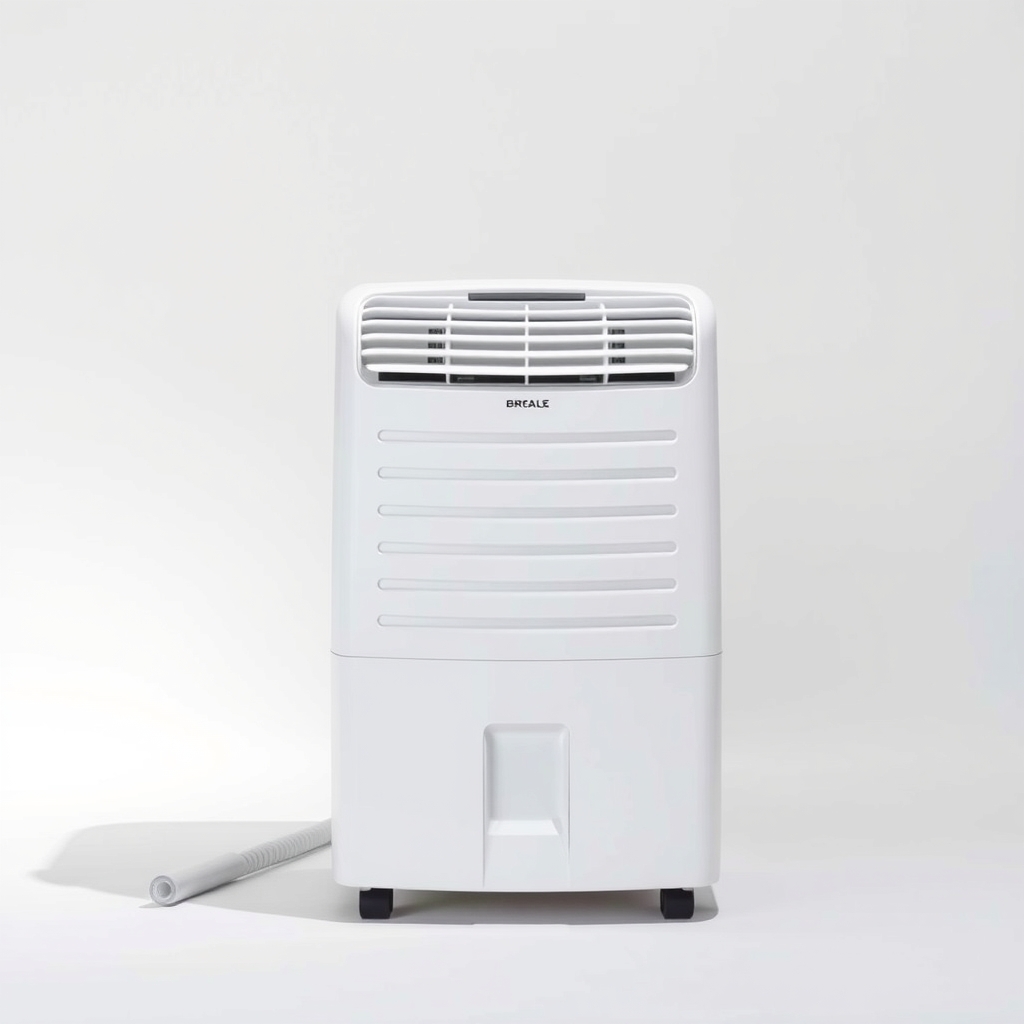
A large dehumidifier with a drain hose
An AC removes some moisture, but only while it is running, and only on the floor it serves. A dehumidifier works on the air itself and holds humidity at your target. With a hose to a drain, it runs without you emptying a bucket.
What to get: Large dehumidifier with continuous drain, about 35 to 50 pints
How long it lasts: Every season, as long as it runs. It removes water whatever the weather outside.
As an Amazon Associate I earn from qualifying purchases.
What you'll need
- Illustration
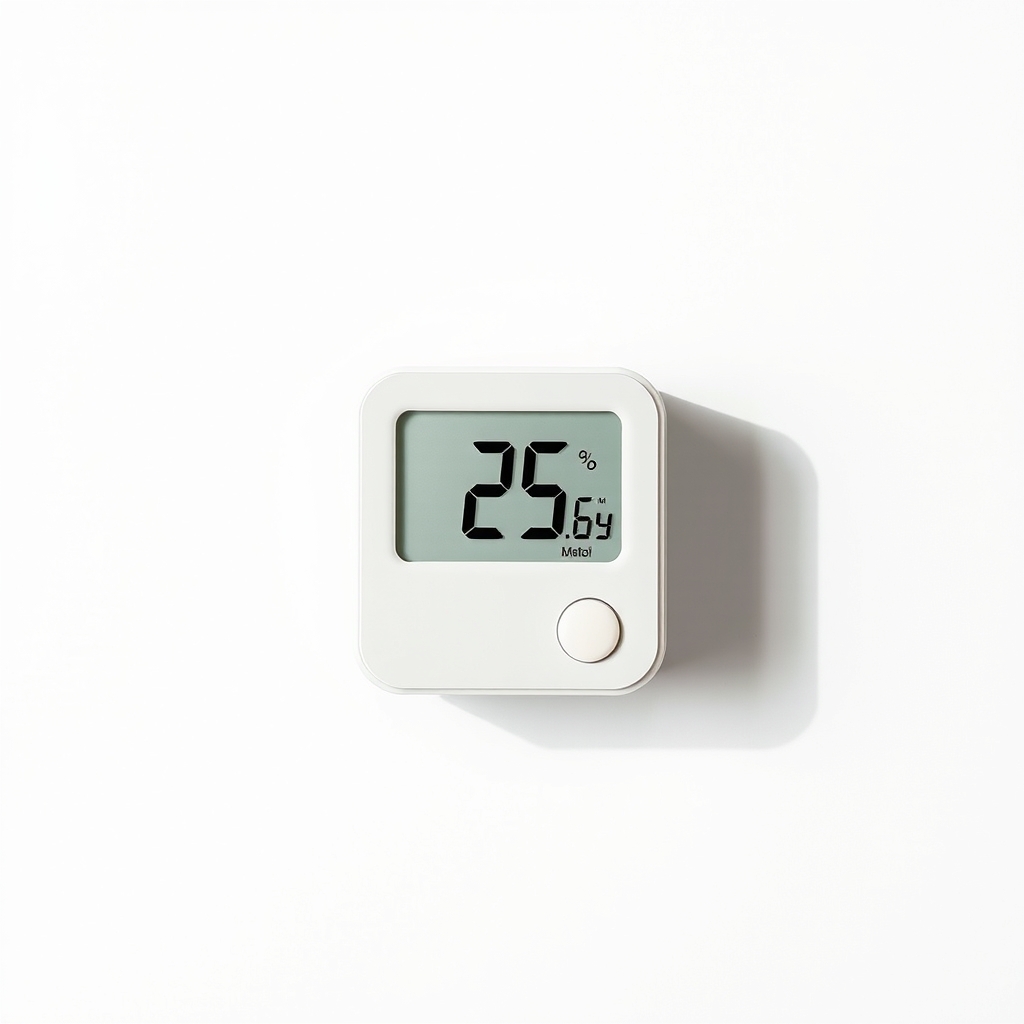
Digital hygrometer
Check each floor, since upstairs and the basement can differ
-
Bathroom and kitchen fans
Run them during and after showers and cooking
You have it -
Flashlight
For checking under sinks and in a crawl space for drips
You have it - Our pick Illustration
Dehumidifier with a drain hose
The lasting fix; see the sizing section
- Illustration
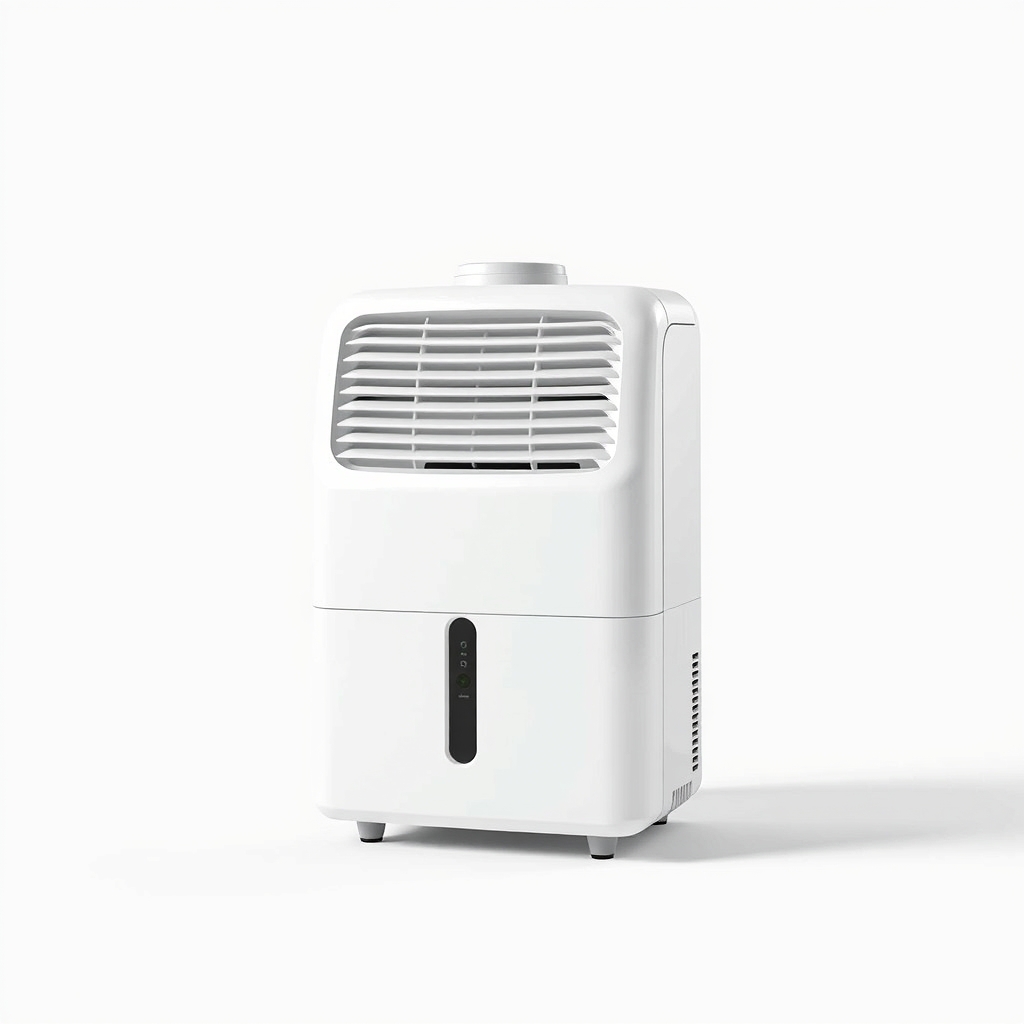
Dehumidifier with a built-in pump
When the drain is uphill or far away
Why it happens
An AC that cools but does not dry
An oversized AC cools fast, shuts off, and removes little moisture. A thermostat fan set to On blows water off the cold coil back into the house. A dirty filter or coil cuts moisture removal too.
Humid outdoor air getting in
Open windows, gaps around doors and attic hatches, and leaky ducts in an attic or crawl space pull warm, wet air in. Summer air can be far more humid than the 30 to 50 percent you want indoors.
Moisture made inside
Showers, cooking, indoor laundry racks, a dryer venting inside and many houseplants all add up.
Damp coming from the ground
A wet crawl space, basement or slab sends moisture up through the floor. Look for a musty smell, stains or standing water.
Heat and rising air upstairs
Upstairs rooms are warmer, and the AC often runs less there, so they feel stickier at the same humidity.
Try this first (free)
Do these in order, starting with the simplest.
-
Measure before you buy
Tool used: Digital hygrometerPut a hygrometer in the room you notice most, and in one other. Check morning, afternoon and night. Aim for 30 to 50 percent. Stretches above 60 percent allow mold and dust mites.
IllustrationCheck price on AmazonTool for this step
Digital hygrometer · Check each floor, since upstairs and the basement can differ
-
Set the AC to remove moisture
Set the thermostat fan to Auto so the fan stops when cooling stops. If your AC has a Dry mode, use it on muggy, mild days. Replace the filter on schedule and keep the outdoor unit clear of leaves.
-
Run fans where moisture is made
Tool used: Bathroom and kitchen fansRun the bath fan during showers and for 20 minutes after, and the range hood when you cook. Vent the dryer outside and check that its hose is not crushed.
-
Hunt down leaks and indoor drying
Tool used: FlashlightCheck under sinks, around the water heater and at washer hoses for drips. Dry clothes in a vented dryer and cover pots when you cook.
-
Close the house on muggy days
Keep windows shut when it is more humid outside than in, and open them in dry morning air. If it feels sticky outside, keep it shut.
-
Add a dehumidifier if the reading stays high
Tool used: Dehumidifier with a drain hosePut it where air can circulate and leave doors open to the rooms you want dry. Set the target to 45 to 50 percent and run the hose to a floor drain or sink.
IllustrationCheck price on AmazonTool for this step
Dehumidifier with a drain hose · The lasting fix; see the sizing section
When free fixes aren't enough
If readings stay above 55 percent after the free steps, the house is taking in or making more moisture than the AC and fans can clear. That is when a dehumidifier pays off. A portable unit dries the open area around it, usually one floor, and will not dry rooms behind closed doors. For the whole house on central air, a ducted unit installed by an HVAC pro reaches every room. Call a pro if a musty smell lasts all year, you see mold larger than about 10 square feet, there is standing water in a crawl space, or the humidity stays high with the AC running all day.
Buy the fix
Still stuck after the free fixes? These are the products we would look at.
| Pick | Product | Fixes | Who it's for | Buy |
|---|---|---|---|---|
| Best pick | Large dehumidifier with continuous drain, about 35 to 50 pints | damp air that your AC and fans cannot clear | Anyone whose hygrometer stays above 55 percent after the free steps, in a house or large apartment. | Check price |
| Budget pick | Digital hygrometer (humidity monitor) | guessing about whether and where the house is humid | Anyone who has not measured yet, before buying a machine. | Check price |
| Upgrade pick | Dehumidifier with a built-in pump | no floor drain nearby for the hose | Anyone whose only drain is uphill or on another floor. | Check price |
Large dehumidifier with continuous drain, about 35 to 50 pints
Fixes: damp air that your AC and fans cannot clear
Look for: Capacity matched to the floor area you want dry; A hose connection for continuous drain; A built-in humidistat, with auto shutoff when full; Wheels or handles, so you can move it between floors.
- Who it's for
- Anyone whose hygrometer stays above 55 percent after the free steps, in a house or large apartment.
- Honest downside
- The humidity is high in one closed room only. A smaller unit will do. Also skip it if the cause is a leak.
Digital hygrometer (humidity monitor)
Fixes: guessing about whether and where the house is humid
Look for: Reads relative humidity to within a few percent; Min and max memory; A clear display you can read from across the room.
- Who it's for
- Anyone who has not measured yet, before buying a machine.
- Honest downside
- You already own one, or your thermostat already shows humidity.
Dehumidifier with a built-in pump
Fixes: no floor drain nearby for the hose
Look for: A pump that lifts water up to a sink or out a window; A hose included; Auto restart after a power cut.
- Who it's for
- Anyone whose only drain is uphill or on another floor.
- Honest downside
- A floor drain is close. Gravity draining is simpler and quieter.
As an Amazon Associate I earn from qualifying purchases. We don't show prices because they change, so use the button to see today's price.
How we picked: How we picked: this page is based on public indoor humidity and mold guidance, AC and dehumidifier manuals, and the problems and fixes people report in reviews. We do not test products by hand.
How much dehumidifier does a house need?
Maker charts vary, so check the one for the unit you are buying. A 35-pint unit is a common starting point for one humid floor of about 1,500 square feet. Go to 50 pints for a larger or wetter floor. Newer pint ratings use cooler test conditions, so a 35-pint label today is about what an older 50-pint label meant. For two floors, plan one unit per floor, or a ducted whole-house system.
Apartment, one room or upstairs only?
- Apartment: you cannot fix the building, so measure, vent your bath and kitchen, and use one dehumidifier in the main room.
- One humid room: check for a leak and a closed door first, then use a smaller unit there.
- Upstairs only: check the vents and the AC balance before you buy.
What to skip
Turning the AC way down and moisture-absorber tubs
Lowering the thermostat does not dry the house. An AC that cools fast and shuts off removes little water, so you get a cold, clammy home. Tub-style absorbers are made for closets and will not touch a whole house.
Frequently asked questions
Why is my house so humid even with the AC on?
How do I get rid of humidity in the house without AC?
Is it OK to run a dehumidifier all summer?
Why is my upstairs more humid than downstairs?
Related problems
 Free fix inside
Air & Temperature · Basement
Basement So Humid? Pick the Right Size Dehumidifier
Read the fix Free fix inside
Air & Temperature · Dehumidifier
Dehumidifier Not Draining Through the Hose? Why and the Pump Fix
Read the fix Free fix inside
Cleaning · Walls
Walls Sweating? Cut the Humidity With a Right-Sized Dehumidifier
Read the fixAs an Amazon Associate I earn from qualifying purchases. Affiliate disclosure