Dehumidifier to Prevent Mold: Size and Settings That Matter
A dehumidifier cannot kill mold, but the right size at the right setting removes what mold needs to grow. Fix the moisture first, then size the unit.
By Jamilur Rahman Updated November 5, 2026 · 7 min read
- Time
- 1 hour to set up
- Cost
- $150+
- Difficulty
- Easy
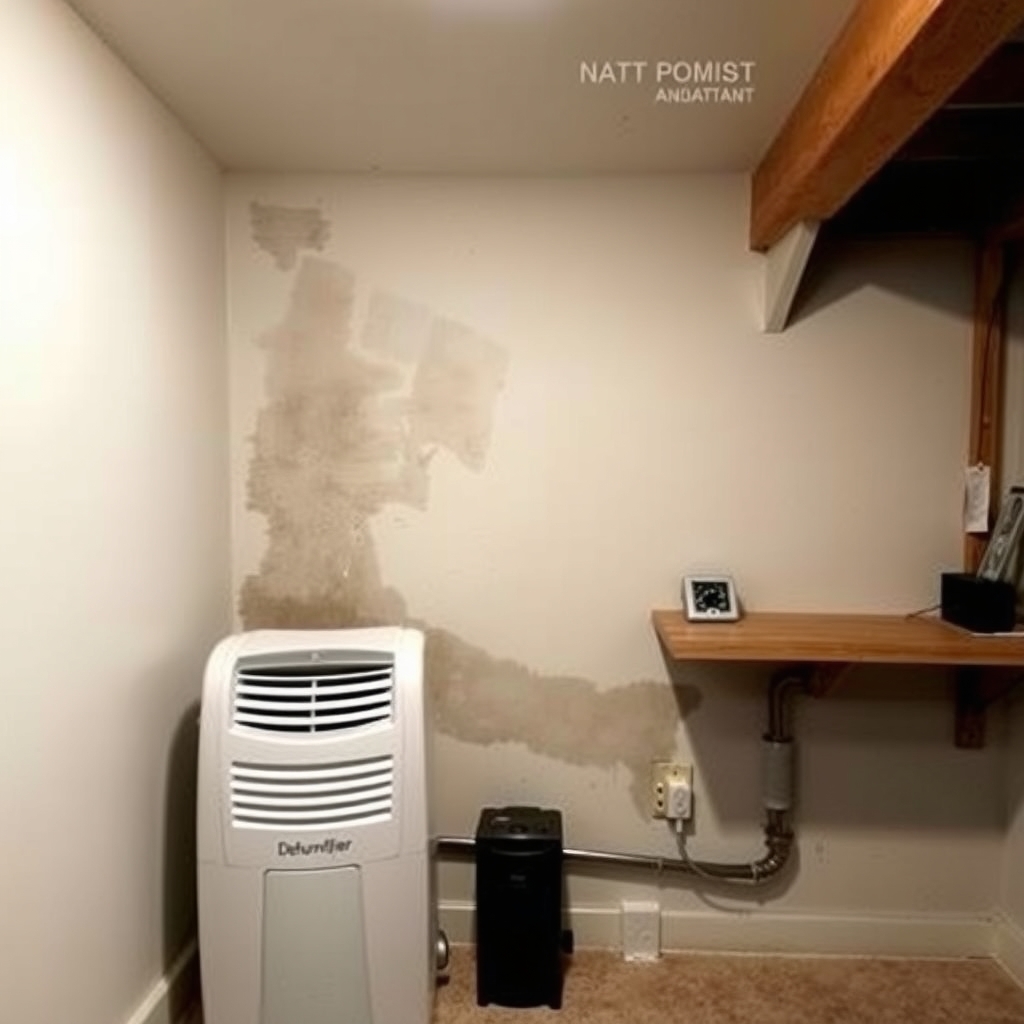
In this guide
Quick answer
Mold needs moisture, and a dehumidifier takes it out of the air. It does not kill or remove mold that is already growing, so clean that first. Then keep the room's relative humidity between about 30 and 50 percent, with a dehumidifier sized for the room and set to around 45 to 50 percent. Too small a unit never catches up, and too high a setting leaves mold a damp home.
Free fix vs. permanent fix
Fix the water, clean the mold, then measure
- Find and fix leaks, and send gutter water away from the wall
- Clean small mold patches with detergent and water
- Run exhaust fans in baths and kitchens, and open windows when it is dry outside
- Check humidity with a meter before you decide
How long it lasts: For good if the cause was one leak or one steamy habit. If the room is damp by nature, the moisture and the mold come back.
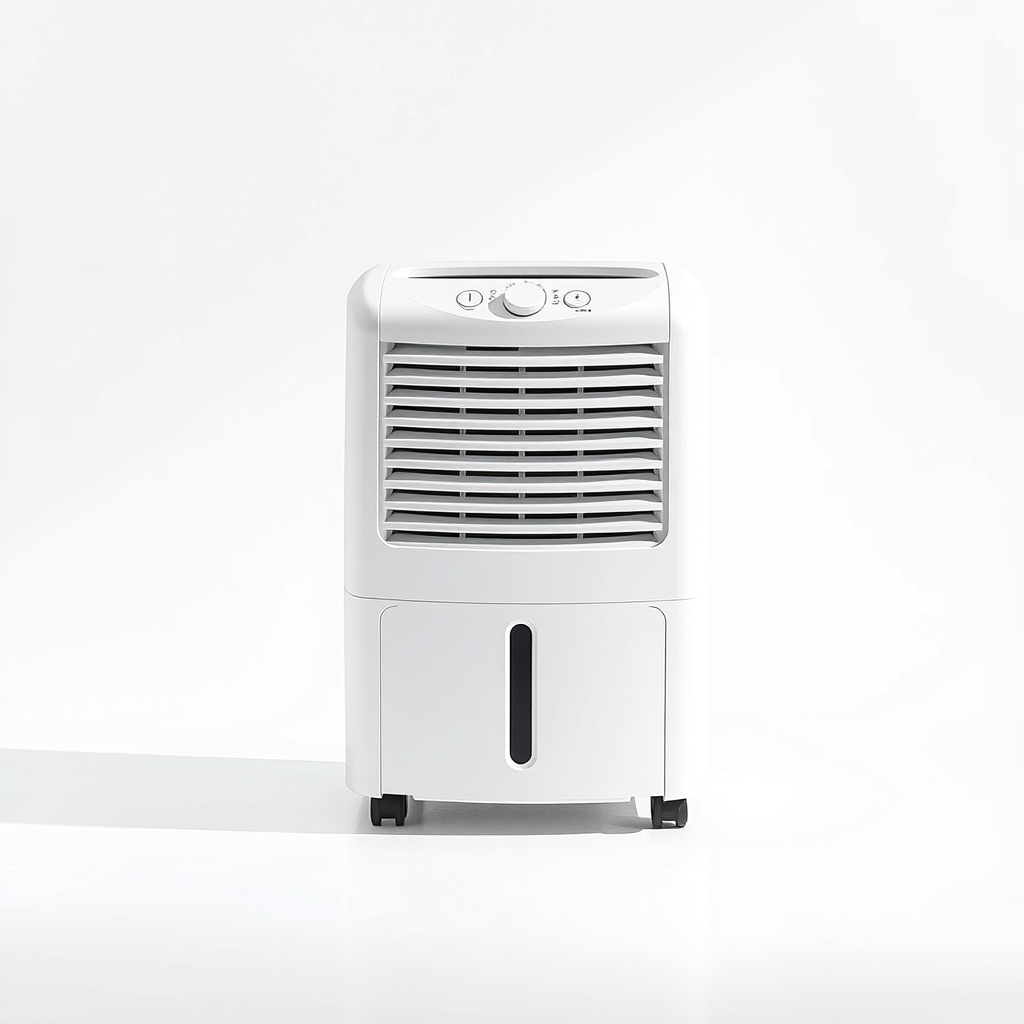
A dehumidifier sized for the room, with a humidistat and a drain hose
Fans and open windows help only when the air outside is drier. A dehumidifier works whatever the weather, and a built-in humidistat holds the room at the level you set. Size matters: a unit that is too small runs flat out and never gets there.
What to get: Dehumidifier sized for the room, with humidistat and continuous drain
How long it lasts: Years, and it runs by itself. It keeps humidity in the range where mold struggles to grow.
As an Amazon Associate I earn from qualifying purchases.
What you'll need
-
Gloves, goggles and an N95 mask
For cleaning mold, as EPA guidance advises
You have it -
Detergent, water and a scrub brush
Cleans mold off hard surfaces
You have it - Illustration
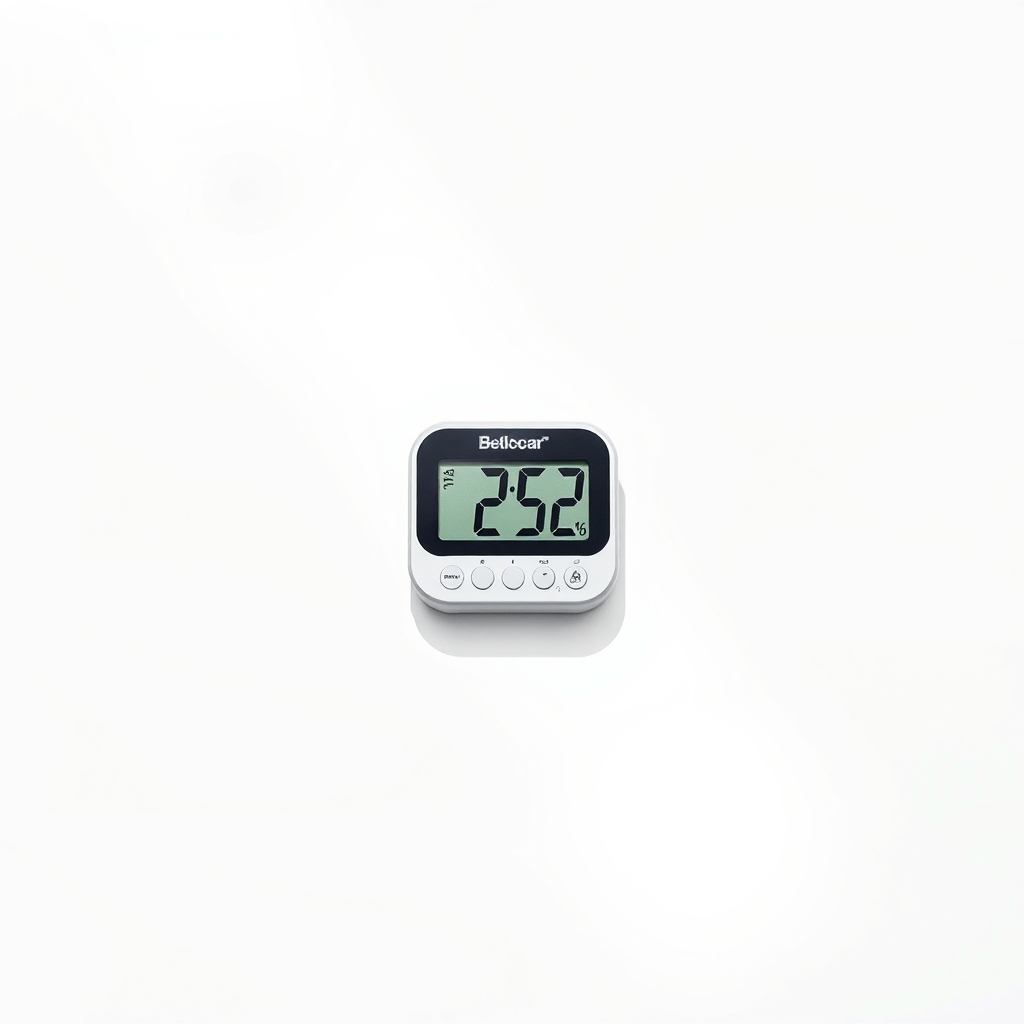
Digital hygrometer
Tells you the real humidity in the problem spot
- Our pick Illustration
Dehumidifier sized for the room
With a humidistat and a continuous drain port
- Illustration
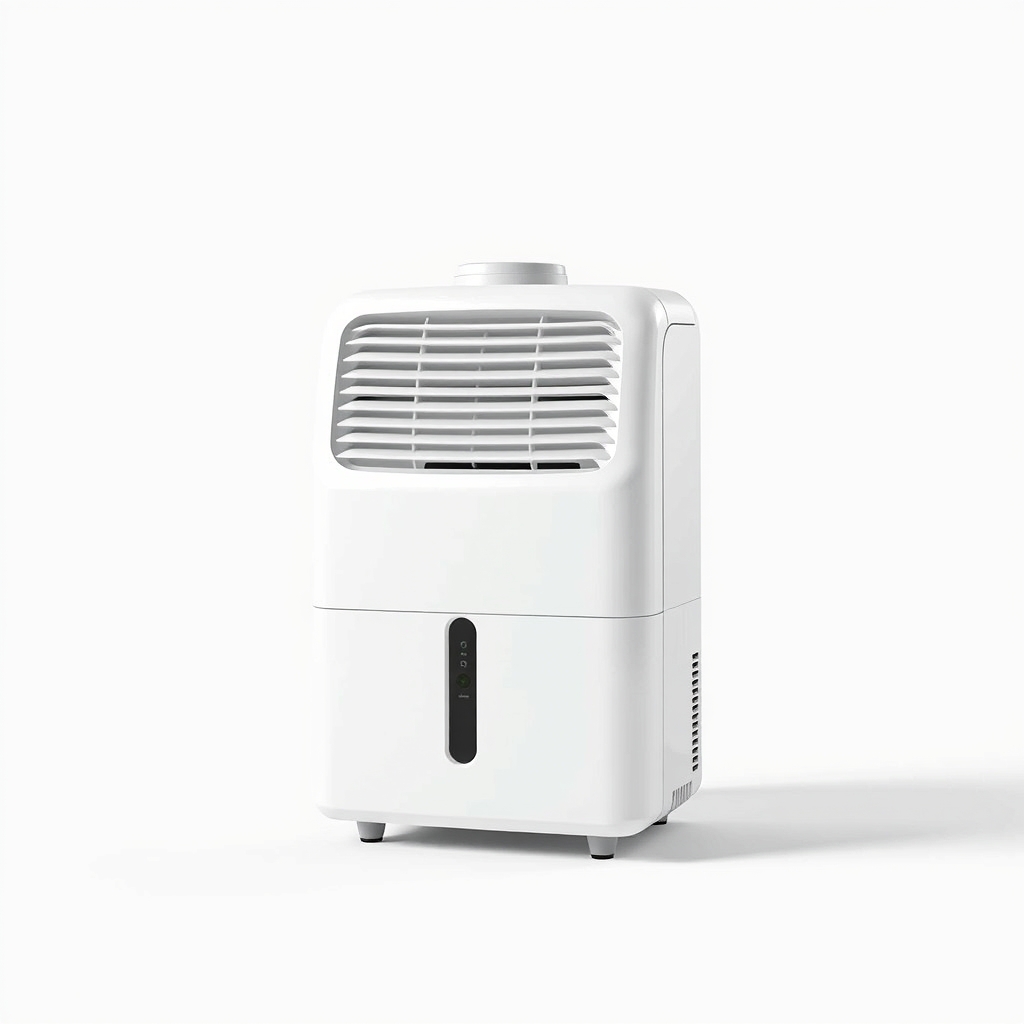
Dehumidifier with a built-in pump
Only if the nearest drain is uphill or far away
Why it happens
Humidity stays above about 60 percent
The EPA advises keeping indoor humidity below 60 percent, and ideally between 30 and 50 percent. Above that, mold spores landing on a surface have enough water to start growing.
Water coming in or staying put
Leaks, damp basement walls, a wet crawl space, or a bathroom with no fan feed the problem. Mold also grows behind things, like furniture pushed against a cold wall.
A unit that is too small, or set too high
A small dehumidifier in a large damp space runs all day and removes too little. A setting of 60 percent or above lets mold live.
Try this first (free)
Do these in order, starting with the simplest.
-
Fix the source of water first
Repair leaks, point downspouts away from the foundation, and check for damp under sinks and around the water heater. A dehumidifier cannot keep up with a steady leak.
-
Clean small mold patches with detergent and water
Tool used: Gloves, goggles and an N95 maskWear gloves, goggles and an N95 mask. Scrub hard surfaces with detergent and water and dry them fully. The EPA says bleach is not needed for routine mold cleanup. Never mix bleach and ammonia.
-
Measure the humidity where mold shows up
Tool used: Digital hygrometerPut a hygrometer in the problem spot, not next to the dehumidifier. Check it morning and night for a few days. If it reads above 50 to 60 percent most of the time, you need to remove moisture.
IllustrationCheck price on AmazonTool for this step
Digital hygrometer · Tells you the real humidity in the problem spot
-
Run exhaust fans and open windows only when outdoor air is drier
Run the bath fan during a shower and for 20 minutes after. Cook with the vent on. On a humid summer day, opening windows brings more moisture in.
When free fixes aren't enough
If the hygrometer stays above 50 to 60 percent after the leaks are fixed, the room is damp by nature, as with many basements, laundry rooms and closed-up bedrooms in humid climates. Fans cannot dry air that is already wet. A properly sized dehumidifier with a humidistat does, all season and without you thinking about it. A mold patch bigger than about 10 square feet, mold after flooding or sewage, or a musty smell with no visible source calls for a professional.
Buy the fix
Still stuck after the free fixes? These are the products we would look at.
| Pick | Product | Fixes | Who it's for | Buy |
|---|---|---|---|---|
| Best pick | Dehumidifier sized for the room, with humidistat and continuous drain | humidity that stays high enough for mold to grow | Anyone with a damp basement, laundry room or bedroom where the hygrometer stays above 55 percent. | Check price |
| Budget pick | Digital hygrometer | not knowing whether a room is damp enough for mold | Someone who has not yet confirmed a humidity problem and wants a number before spending more. | Check price |
| Upgrade pick | Dehumidifier with a built-in pump | having no downhill drain, so you are emptying a bucket every day | People with a basement and no floor drain nearby, or who are away and need it to run unattended. | Check price |
Dehumidifier sized for the room, with humidistat and continuous drain
Fixes: humidity that stays high enough for mold to grow
Look for: A pints-per-day rating that matches the room size and dampness in the maker's sizing chart; A built-in humidistat you can set to 45 to 50 percent; A hose port for continuous drain, so no bucket to empty; An operating range that covers your room's usual temperature.
- Who it's for
- Anyone with a damp basement, laundry room or bedroom where the hygrometer stays above 55 percent.
- Honest downside
- Humidity is already below 50 percent and the problem is a leak. Fix the water first. For a cold basement, check the minimum room temperature or choose a low-temperature model.
Digital hygrometer
Fixes: not knowing whether a room is damp enough for mold
Look for: Shows relative humidity and temperature; A clear display you can read from across the room; Min and max memory, so you can see the overnight swing.
- Who it's for
- Someone who has not yet confirmed a humidity problem and wants a number before spending more.
- Honest downside
- You already see mold or condensation weekly. Skip straight to the dehumidifier.
Dehumidifier with a built-in pump
Fixes: having no downhill drain, so you are emptying a bucket every day
Look for: A pump that lifts water to a sink or window, with the height listed; Enough hose length for your layout; The same sizing and humidistat checks as any dehumidifier.
- Who it's for
- People with a basement and no floor drain nearby, or who are away and need it to run unattended.
- Honest downside
- A floor drain or a downhill hose run is available. Gravity drainage costs less and has nothing to break.
As an Amazon Associate I earn from qualifying purchases. We don't show prices because they change, so use the button to see today's price.
How we picked: How we picked: this page is based on EPA guidance on mold and indoor humidity, dehumidifier sizing charts and manuals, and the results owners report in reviews. We do not test products by hand.
How to size it without guessing
- Measure the area the unit will dry, including open doorways to other rooms.
- Pick the dampness: musty smell only, damp walls, wet floor or visible seepage.
- Find the pints-per-day rating that matches in the maker's chart, and go up one size if you are in between.
- Look at the date of the rating. Since 2019 the test conditions are cooler, so a machine once rated 50 pints is now typically rated about 30 to 35.
Settings that make it work
Set the humidistat to 45 to 50 percent and close the doors and windows to the room. Leave room around the unit, and keep a hygrometer at the damp spot. Check the filter monthly. In a cold basement, ice on the coils means the room is below the unit's minimum temperature.
What to skip
Moisture-absorber tubs and bleach fogs
Hanging bags and tubs of calcium chloride hold a small amount of water and suit closets, not a damp basement. Bleach sprayed on walls does not fix the moisture that grew the mold.
Frequently asked questions
Will a dehumidifier get rid of mold that is already there?
Does a dehumidifier kill mold?
What should I set my dehumidifier to for mold?
How big a dehumidifier do I need?
Related problems
 Free fix inside
Air & Temperature · Basement
Basement So Humid? Pick the Right Size Dehumidifier
Read the fix Free fix inside
Air & Temperature · Dehumidifier
Dehumidifier Keeps Freezing Up? 4 Causes and the Easy Cures
Read the fix Free fix inside
Air & Temperature · House Humidity
House Feeling Humid? Find the Cause Before You Buy a Dehumidifier
Read the fixAs an Amazon Associate I earn from qualifying purchases. Affiliate disclosure