Dehumidifier Keeps Freezing Up? 4 Causes and the Easy Cures
Ice on the coils means a cold room, a clogged filter or blocked airflow. Thaw it, fix the cause, and know when a cold-rated model is worth buying.
By Jamilur Rahman Updated November 5, 2026 · 7 min read
- Time
- 30 min plus thaw time
- Cost
- Under $20
- Difficulty
- Easy
In this guide
Quick answer
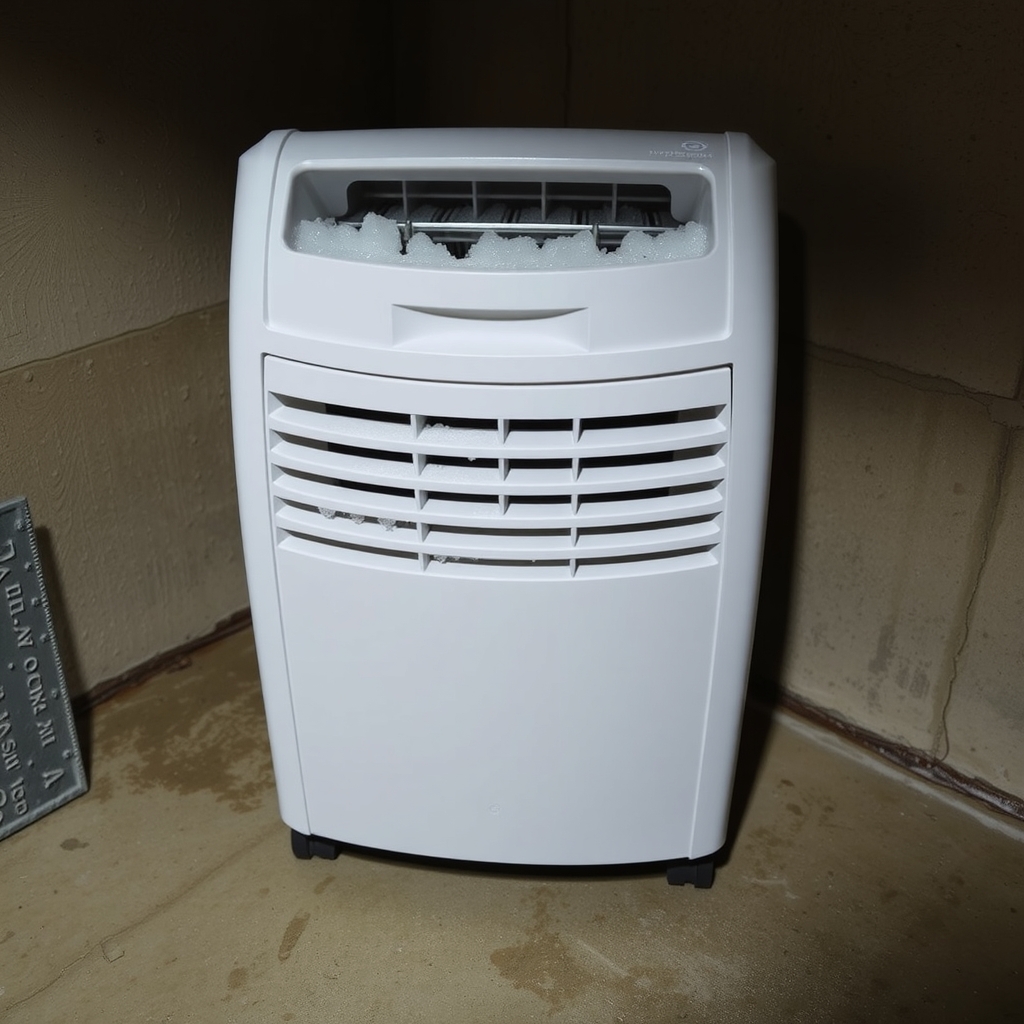
A dehumidifier ices up when its cold coils drop below freezing before the air passing over them can warm them. The usual causes are a room that is too cold, a dirty filter, blocked airflow or a faulty fan or sensor. Unplug it and let it thaw, clean it, give it room and raise the temperature. If the room stays cold, a low-temperature dehumidifier with auto defrost is the fix that stops the ice for good.
Free fix vs. permanent fix
Thaw it, clean it, warm the room
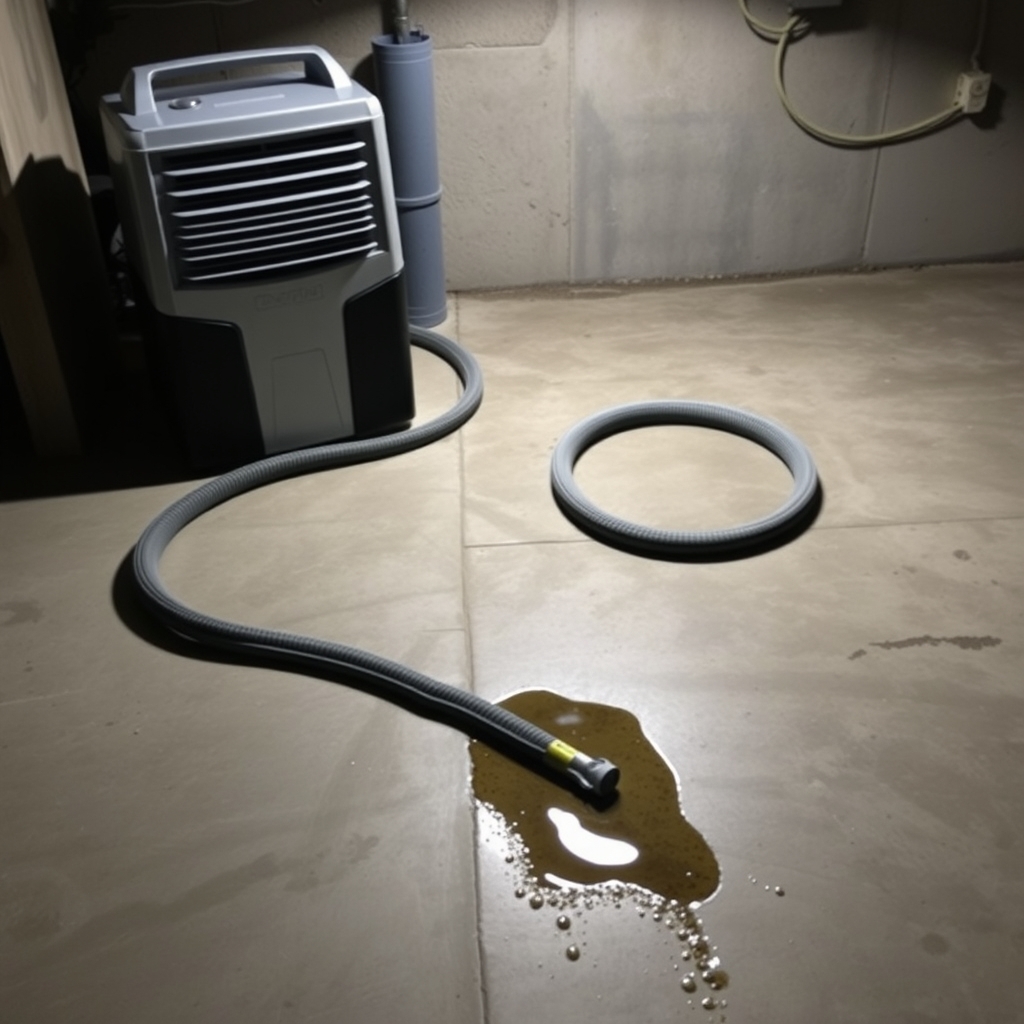
- Unplug it and let all the ice melt on its own
- Wash the filter and brush the coils
- Pull it a foot or more away from walls and furniture
- Move it somewhere warmer or raise the room temperature
How long it lasts: For good if the cause was a dirty filter or blocked vents. In a basement or garage that stays cold, the ice tends to come back.
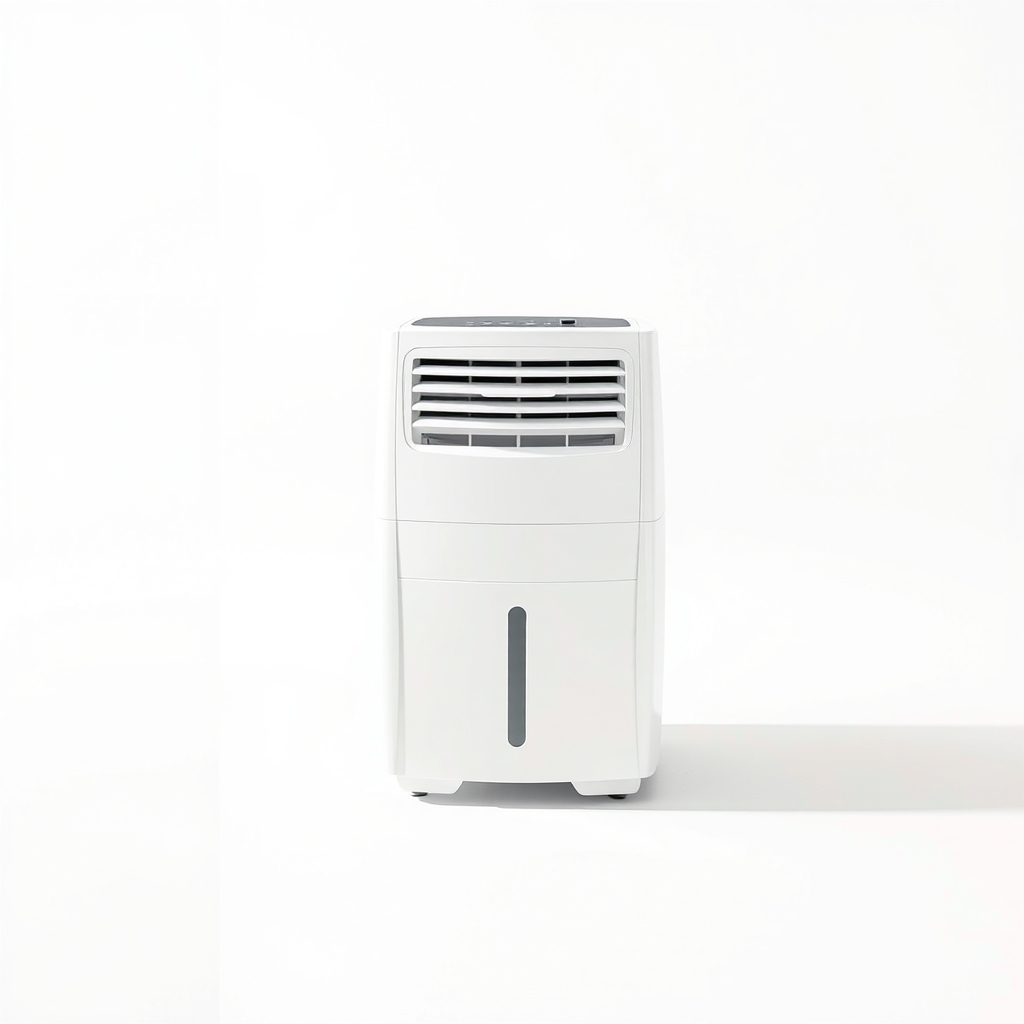
A low-temperature dehumidifier with auto defrost
A standard model assumes a warm room. When the air drops into the 50s or 60s °F, the coils get colder than the air can handle. A low-temperature model is built with a defrost cycle that clears the ice by itself, so cold air stops being a problem.
What to get: Low-temperature dehumidifier with auto defrost
How long it lasts: For years. It senses frost and pauses the compressor while the fan melts it, so it can run in cool rooms.
As an Amazon Associate I earn from qualifying purchases.
What you'll need
-
Old towels
For meltwater under and around the unit
You have it -
Soft brush or vacuum with a brush head
For dust on the filter and coils
You have it - Illustration
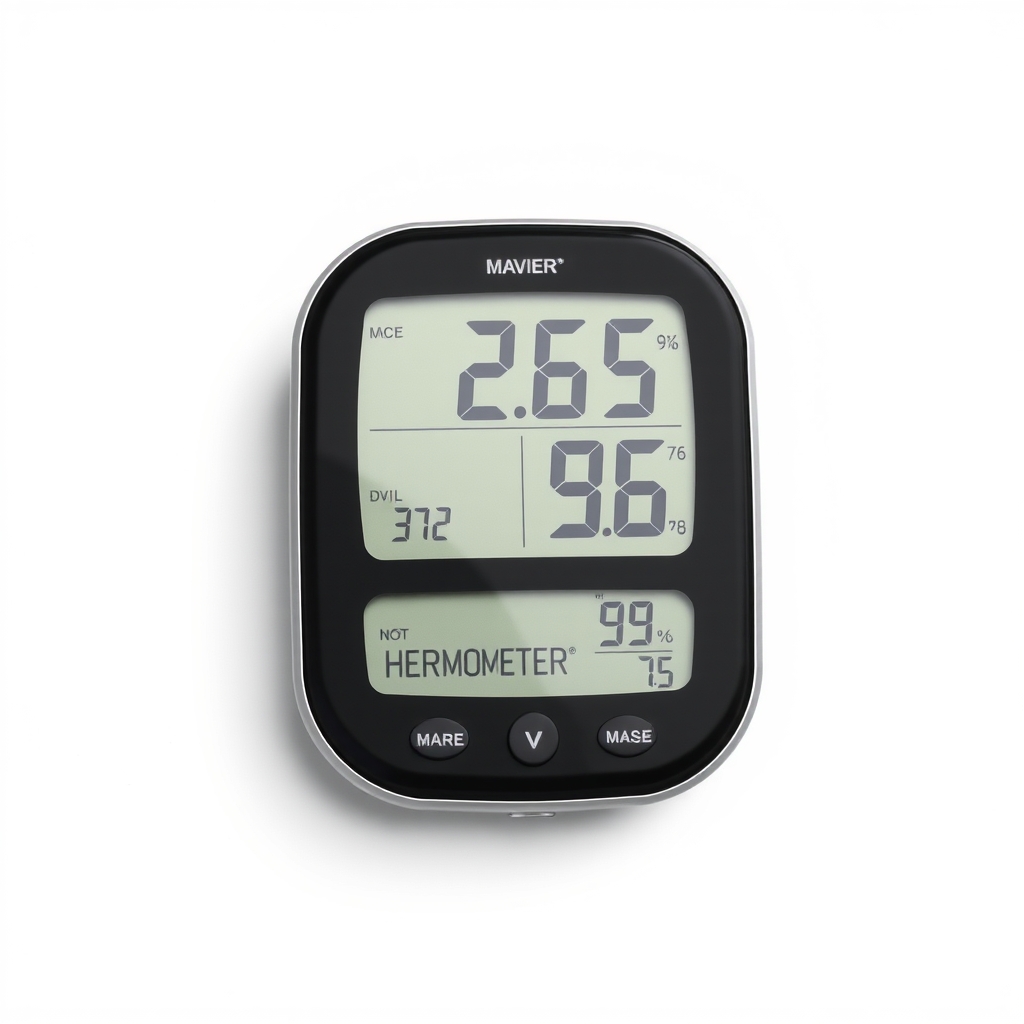
Digital thermometer and hygrometer
Shows the real room temperature and humidity where the unit sits
- Our pick Illustration
Low-temperature dehumidifier with auto defrost
For basements, garages and other rooms that stay cool
Why it happens
The room is too cold
Most compressor dehumidifiers work best in warm air. Many manuals list a minimum room temperature somewhere between about 41°F and 65°F, so check yours. Below that, frost builds on the coils faster than it can melt.
A dirty filter or dusty coils
A clogged filter chokes the airflow. Less warm air crosses the coils, so they stay colder and ice over. This is the easiest cause to fix.
Blocked airflow around the unit
A unit pushed against a wall, couch or curtain cannot pull in or push out air. Most manuals ask for several inches to a foot of clear space on every vented side.
A fan, sensor or refrigerant problem
If the fan is not spinning, the coils never get warm air. A bad defrost sensor or low refrigerant can also cause ice in a warm room. These are less common, and they are not a home repair.
Try this first (free)
Do these in order, starting with the simplest.
-
Unplug it and let the ice melt
Tool used: Old towelsTurn it off, pull the plug and set old towels around it. Let it thaw fully, which can take several hours. Do not chip the ice with a knife or screwdriver. The coils are thin, and a puncture ruins the unit.
-
Empty the bucket and wash the filter
Empty the water bucket. Rinse the filter in warm water with a little dish soap, then let it dry completely before it goes back in. Replace it if it is torn or will not come clean.
-
Brush the coils with the unit unplugged
Tool used: Soft brush or vacuum with a brush headUse a soft brush or a vacuum brush head to remove dust from the coils, gently, so you do not bend the fins.
-
Give it room
Move it away from walls, furniture and curtains. Leave the clearance the manual asks for, or at least a foot. Keep doors to the room closed so it is not drying the whole house.
-
Check the room temperature and the setting
Tool used: Digital thermometer and hygrometerPut a thermometer next to the unit. If the room is below the manual's minimum, add heat or move the unit somewhere warmer. Set the humidity target near 45 to 50 percent, not the lowest setting, so it is not running nonstop.
IllustrationCheck price on AmazonTool for this step
Digital thermometer and hygrometer · Shows the real room temperature and humidity where the unit sits
When free fixes aren't enough
If the filter is clean, the unit has space and ice still forms, look at the room temperature. A basement, crawl space or garage that stays in the 50s or low 60s °F will keep icing a standard unit, no matter how often you clean it. A low-temperature model with auto defrost is built for that air. If the unit ices up in a warm room (above about 70°F) after a clean, the fan, sensor or refrigerant is likely at fault. Check the warranty, then replace it or call a technician.
Buy the fix
Still stuck after the free fixes? These are the products we would look at.
| Pick | Product | Fixes | Who it's for | Buy |
|---|---|---|---|---|
| Best pick | Low-temperature dehumidifier with auto defrost | ice on the coils in a cool basement, garage or crawl space | Anyone whose dehumidifier sits in a room that stays cool for much of the year. | Check price |
| Budget pick | Digital thermometer and hygrometer | guessing whether the room is too cold or the unit is faulty | Someone who does not yet know the actual room temperature and wants proof before buying anything bigger. | Check price |
Low-temperature dehumidifier with auto defrost
Fixes: ice on the coils in a cool basement, garage or crawl space
Look for: An operating range that goes down to the temperature of your room, as printed in the specs; Automatic defrost named on the listing; A capacity rated in pints per day that matches your room size and dampness; A continuous drain hose connection, so you are not emptying a bucket.
- Who it's for
- Anyone whose dehumidifier sits in a room that stays cool for much of the year.
- Honest downside
- The room stays warm and the unit froze only because the filter was clogged. Clean it first. Also skip it for a space that gets close to freezing, where a desiccant model is the better type.
Digital thermometer and hygrometer
Fixes: guessing whether the room is too cold or the unit is faulty
Look for: Shows both temperature and relative humidity; Reads clearly in a dim basement; Sits on a shelf or hangs on a wall.
- Who it's for
- Someone who does not yet know the actual room temperature and wants proof before buying anything bigger.
- Honest downside
- You already have a thermometer and know the room stays well below the manual's minimum. Skip to the cold-rated model.
As an Amazon Associate I earn from qualifying purchases. We don't show prices because they change, so use the button to see today's price.
How we picked: How we picked: this page is based on dehumidifier manuals and care guides, general advice from appliance makers on operating temperatures, and the problems and fixes owners report in reviews. We do not test products by hand.
Compressor or desiccant: which one fits a cold room?
- Compressor models are the common type. They pull the most water in warm, humid rooms, and use less power. A low-temperature version adds auto defrost for cool air.
- Desiccant models use a drying wheel instead of cold coils, so they do not ice up. They tend to pull less water and use more electricity, but they work in unheated garages and similar spaces.
For a cool basement that stays above freezing, a compressor model with auto defrost is usually the better fit.
What to skip
Hair dryers, heat guns and ice picks
A heat gun can warp the plastic, a hair dryer next to meltwater is an electrical risk, and any sharp tool can puncture the coils. Unplug the unit and wait. It is slower but safe.
Frequently asked questions
Why does my dehumidifier ice up on the back?
What temperature does a dehumidifier freeze at?
How long should I wait before using it again?
Is a dehumidifier with ice still working?
Related problems
As an Amazon Associate I earn from qualifying purchases. Affiliate disclosure