Basement Smells Musty? 5 Steps That Actually Clear the Odor
A musty basement smell means damp air and mildew somewhere. Find the moisture, clean the mildew, then keep the air dry so the smell stays gone.
By Jamilur Rahman Updated November 5, 2026 · 6 min read
- Time
- 1 hour, plus a few days to air out
- Cost
- Under $20
- Difficulty
- Medium
In this guide
Quick answer
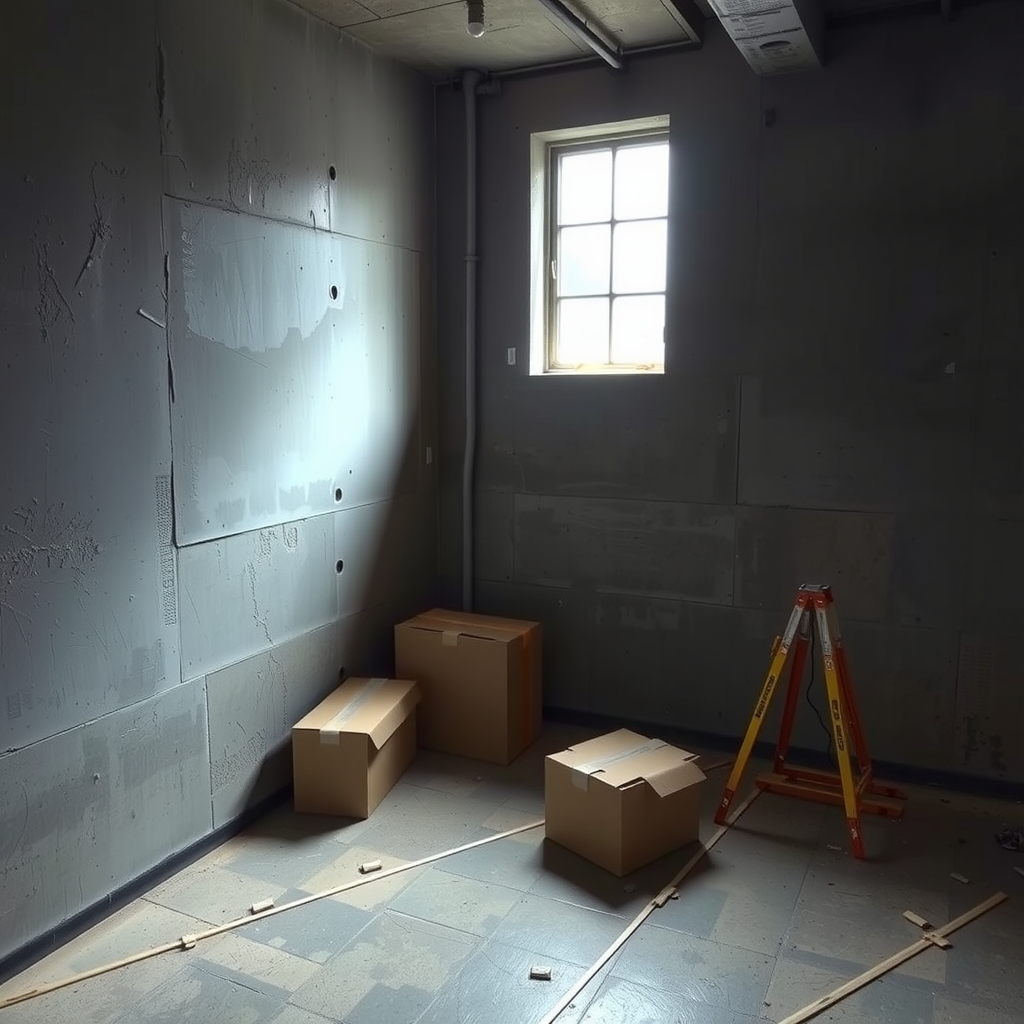
A basement smells musty because damp air lets mildew and mold grow on walls, boxes, fabric and floors. To clear a basement that smells musty, find the source of moisture, clean off any mildew with soap and water, and air the space out. In small, closed-off spots, moisture absorber buckets keep pulling humidity out so the smell does not return.
Free fix vs. permanent fix
Find the damp, clean it, air it out
- Look for leaks, wet spots and damp stored items
- Scrub small mildew patches with detergent and water
- Throw out anything soaked, like old cardboard or carpet scraps
- Run fans and open windows, but only on dry days
How long it lasts: A few weeks if the basement stays damp. It can last much longer if the moisture source is fixed.
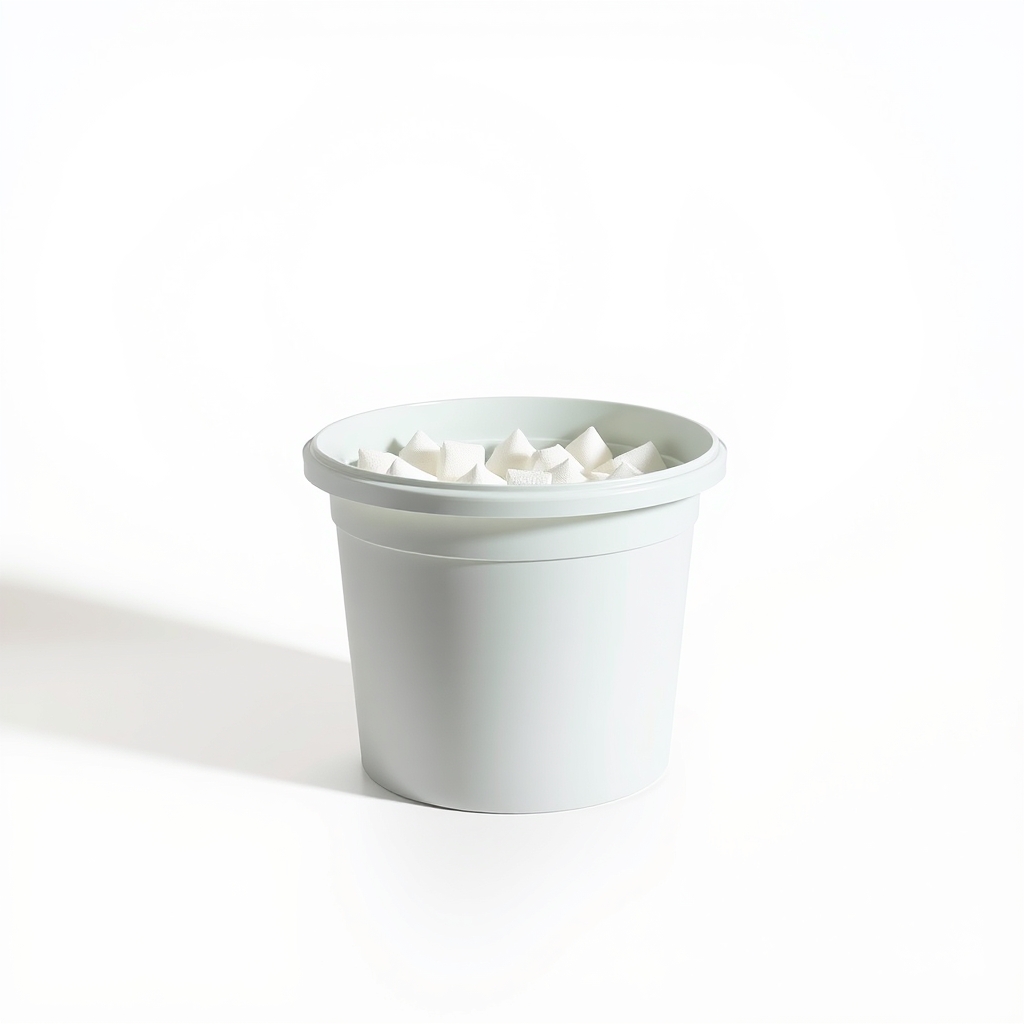
Moisture absorber buckets in closed corners
Airing helps on dry days, but damp air comes back as soon as you stop. Absorber buckets keep drawing moisture out of the air in a small, closed area like a storage corner or basement closet. They help the smell stay gone once the source is fixed.
What to get: Moisture absorber buckets
How long it lasts: A month or two per refill, depending on how damp the space is. Replace them as the label says.
As an Amazon Associate I earn from qualifying purchases.
What you'll need
-
Scrub brush and dish soap
For small patches of mildew on hard surfaces
You have it -
Box fan
Keeps the air moving while it dries
You have it -
Plastic storage bins
To get boxes off the floor
You have it - Illustration
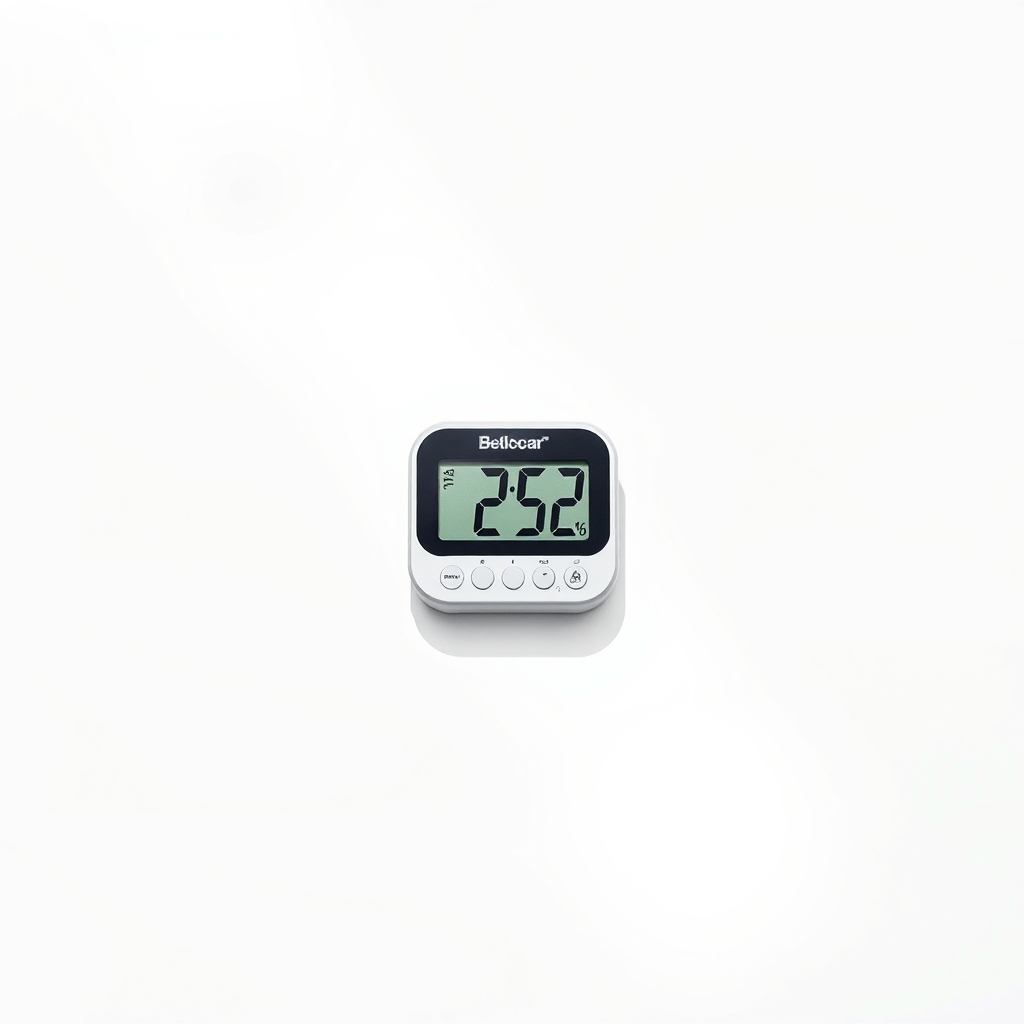
Digital hygrometer
Shows the real humidity, so you know when it is working
- Our pick Illustration
Moisture absorber buckets
For closets, storage corners and other small closed areas
- Illustration
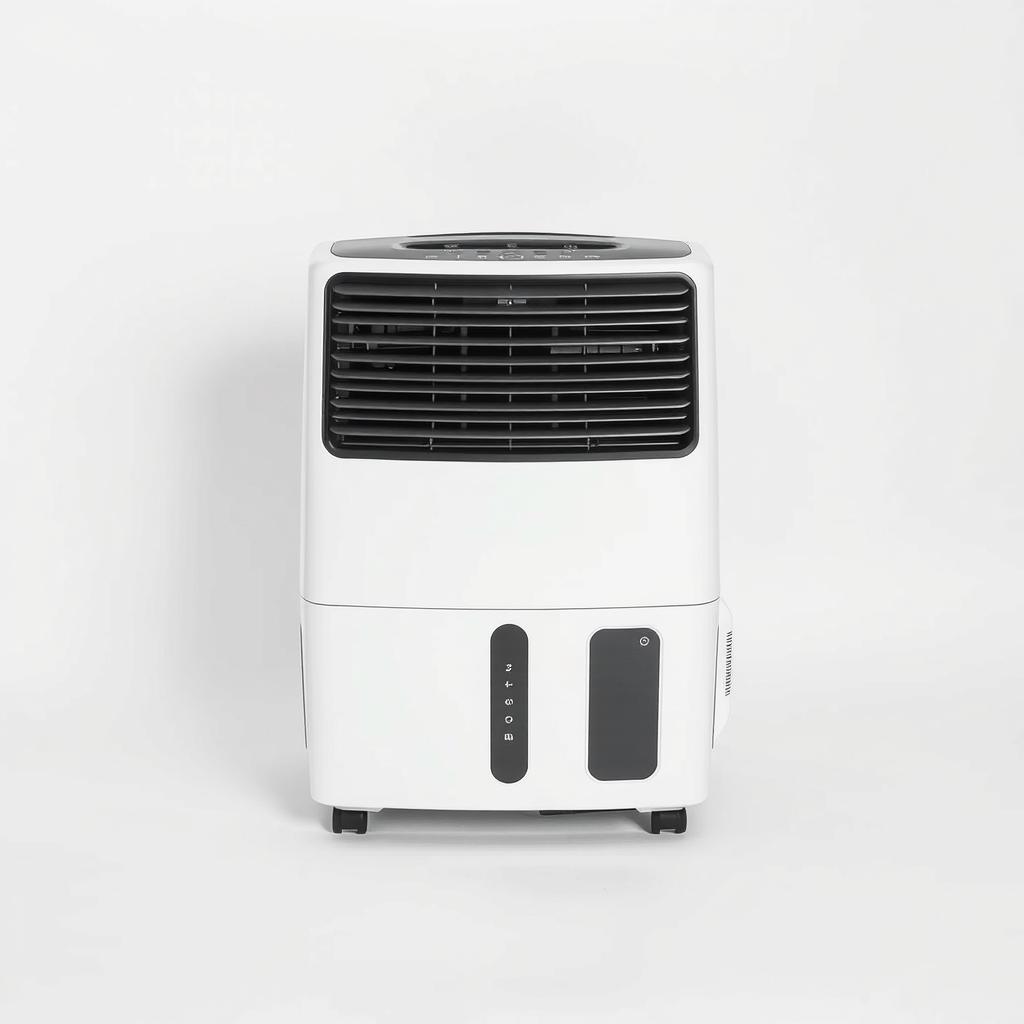
Dehumidifier
For a whole basement that stays damp
Why it happens
High humidity
Basement walls and floors are cool, so damp air condenses on them in warm months. Humidity above about 60 percent is when mildew grows.
Water coming in
Small leaks through foundation cracks, around windows or from a pipe wet the walls and floor. Rain that runs toward the house instead of away from it makes it worse.
Damp stored items
Cardboard boxes, old carpet, fabric and paper soak up moisture and grow mildew. They also hold the smell after the damp is gone.
Poor airflow
A closed basement with no ventilation traps damp air. Laundry that dries down there, or a dryer vent that leaks, adds more moisture.
Try this first (free)
Do these in order, starting with the simplest.
-
Find where the smell is strongest
Walk the basement and sniff along walls, corners, closets and boxes. Look for dark spots, peeling paint, white crusty marks on concrete or damp patches. Touch the walls and floor to feel for moisture.
-
Check the humidity
Tool used: Digital hygrometerPut a hygrometer in the middle of the room. Aim for 30 to 50 percent. If it reads above 60 percent, the air is damp enough to grow mildew.
IllustrationCheck price on AmazonTool for this step
Digital hygrometer · Shows the real humidity, so you know when it is working
-
Clean and clear out the damp stuff
Tool used: Scrub brush and dish soapScrub small patches of mildew, up to about 10 square feet, with detergent and water, and dry the area right away. Throw away soaked cardboard, rugs and anything mildewed that you cannot wash. Move the rest into plastic bins off the floor.
-
Air it out on a dry day
Tool used: Box fanOpen windows and run a fan on a dry, low-humidity day. Do not ventilate on a humid summer day, because warm wet air from outside can make the basement damper.
-
Set out absorber buckets
Tool used: Moisture absorber bucketsPut moisture absorber buckets in closed corners, storage areas and closets, on a tray in case of spills. Check them after a few weeks and replace them as the label says.
IllustrationCheck price on AmazonTool for this step
Moisture absorber buckets · For closets, storage corners and other small closed areas
When free fixes aren't enough
If the hygrometer stays above 60 percent after a week of airing, or the smell is back within days, damp air is still getting in and absorber buckets alone will not keep up in a big open basement. A dehumidifier sized for the room is the stronger tool for that. If you see water on the floor, spreading mold larger than about 10 square feet, or mold after a flood or sewage backup, stop and call a pro. Also call if there is a rotten egg or sewage smell, which can be a gas or drain problem, not mildew.
Buy the fix
Still stuck after the free fixes? These are the products we would look at.
| Pick | Product | Fixes | Who it's for | Buy |
|---|---|---|---|---|
| Best pick | Moisture absorber buckets | damp air in small closed areas, which keeps the musty smell coming back | People with a damp storage corner, a basement closet or a small finished room. | Check price |
| Upgrade pick | Dehumidifier sized for the basement | damp air in the whole basement | A basement that stays above 60 percent humidity for days. | Check price |
Moisture absorber buckets
Fixes: damp air in small closed areas, which keeps the musty smell coming back
Look for: A coverage size on the label that matches your space; A spill-resistant tub or catch tray; Refills or replacements that are easy to find.
- Who it's for
- People with a damp storage corner, a basement closet or a small finished room.
- Honest downside
- Your whole basement is damp, or you have kids or pets that could tip the tub. Use a dehumidifier and keep the liquid out of reach.
Dehumidifier sized for the basement
Fixes: damp air in the whole basement
Look for: A pint rating that fits your square footage; A continuous drain hose option, so you do not empty a tank; A built-in humidity setting.
- Who it's for
- A basement that stays above 60 percent humidity for days.
- Honest downside
- You only have a small closet to dry. Absorber buckets are enough there.
As an Amazon Associate I earn from qualifying purchases. We don't show prices because they change, so use the button to see today's price.
How we picked: How we picked: this page is based on EPA and extension guidance on indoor humidity and mold, product instructions from moisture absorber and dehumidifier makers, and the problems and fixes people report in reviews. We do not test products by hand.
Basement smells like mildew: clean it, do not just cover it
Mildew smell comes from a living growth, so air fresheners only mask it. Scrub hard surfaces with detergent and water, and let them dry fully. Fabric, carpet and cardboard that smell of mildew usually cannot be saved. Wear gloves and a mask while cleaning, and do not mix cleaners.
Cheap fixes outside the house that dry the inside
- Gutters: keep them clear, so rain does not overflow at the wall.
- Downspouts: extend them several feet away from the foundation.
- Soil: slope the ground away from the house, not toward it.
- Dryer vent: make sure it exhausts outside, not into the basement.
What to skip
Air fresheners, bleach and scented sprays
Sprays cover the odor for a few hours and leave the mildew alone. Bleach is not needed for small mildew patches, and mixing it with other cleaners can release harmful fumes. Detergent, water and drying do the job.
Frequently asked questions
Why does my basement smell musty?
Why does my basement stink even when it is dry?
How do I get rid of mildew smell in the basement?
How do I stop the basement smell from coming back?
When is a basement smell dangerous?
Related problems
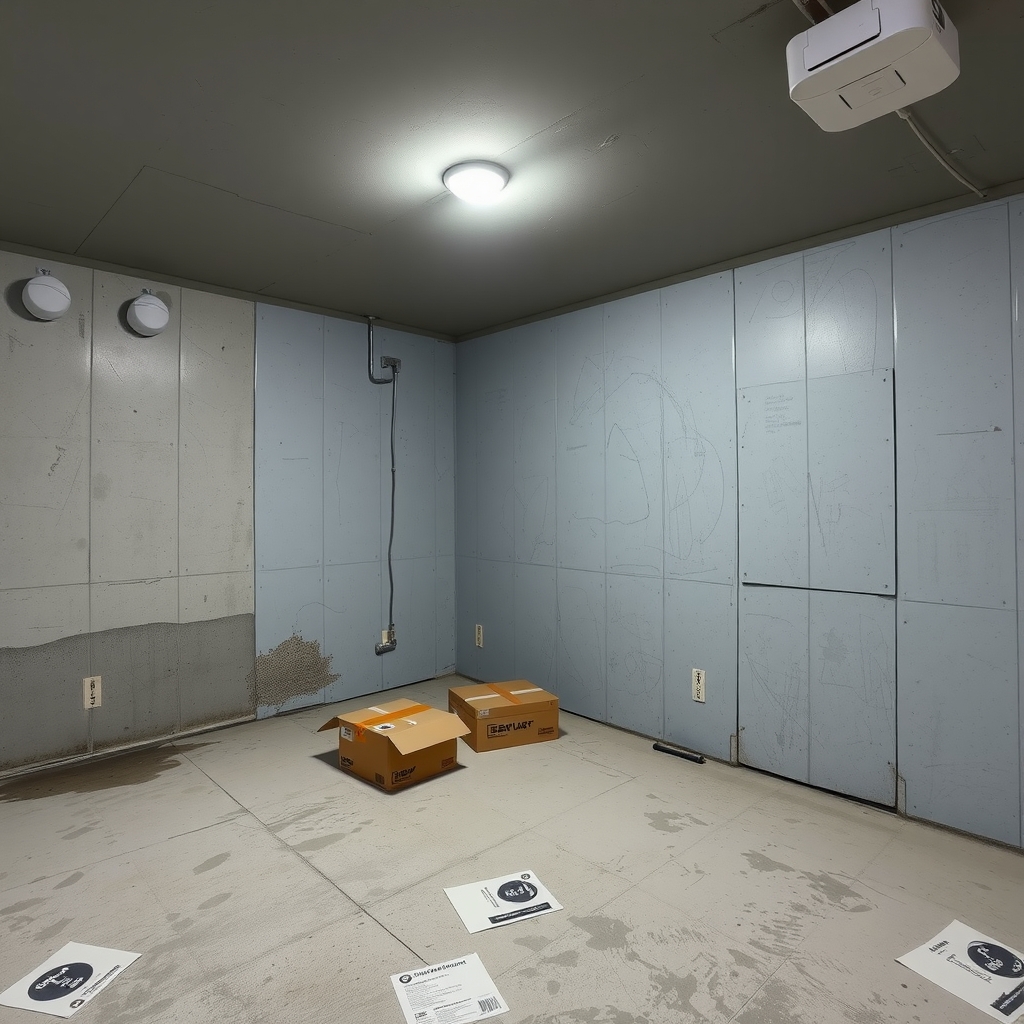 Free fix inside
Air & Temperature · Basement
Basement So Humid? Pick the Right Size Dehumidifier
Read the fix Free fix inside
Air & Temperature · Musty Smell
House Smells Musty? Find the Source, Then Clear the Smell
Read the fix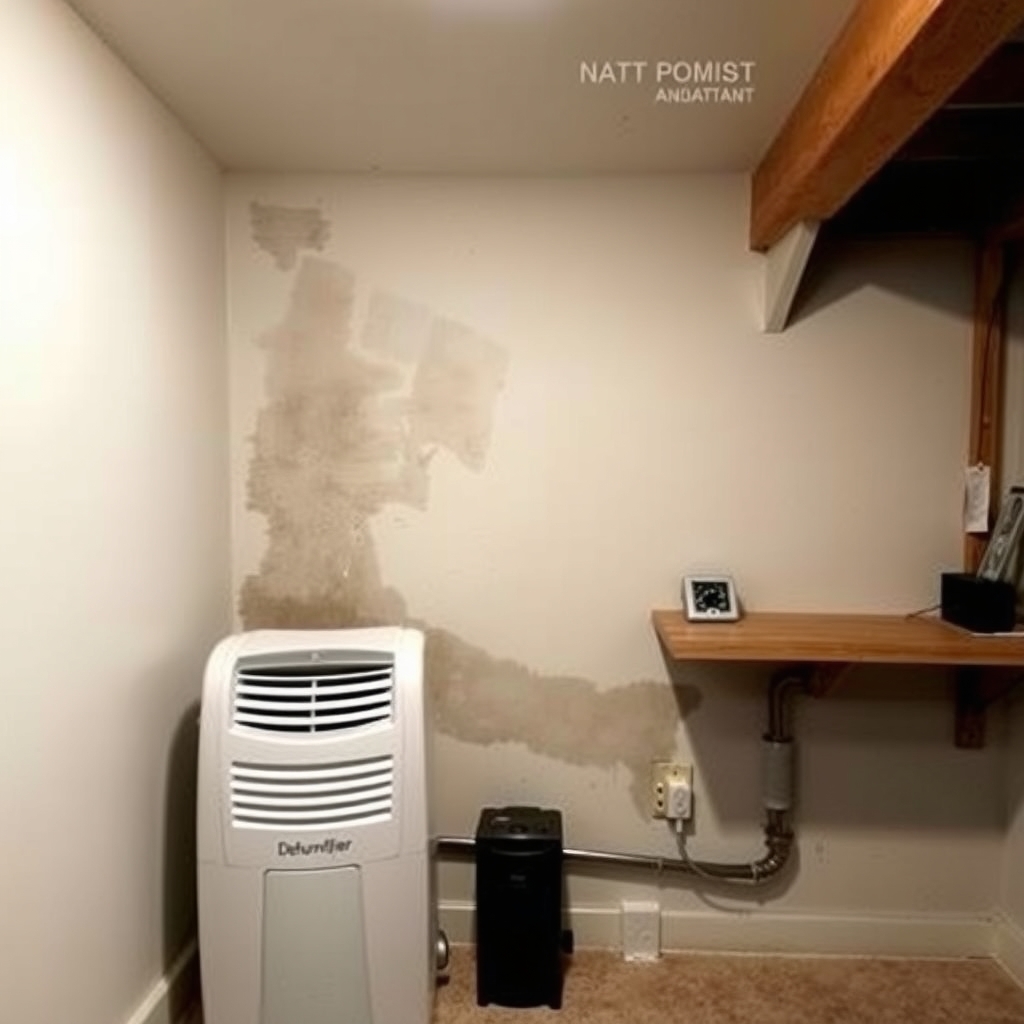 Free fix inside
Air & Temperature · Dehumidifier
Dehumidifier to Prevent Mold: Size and Settings That Matter
Read the fix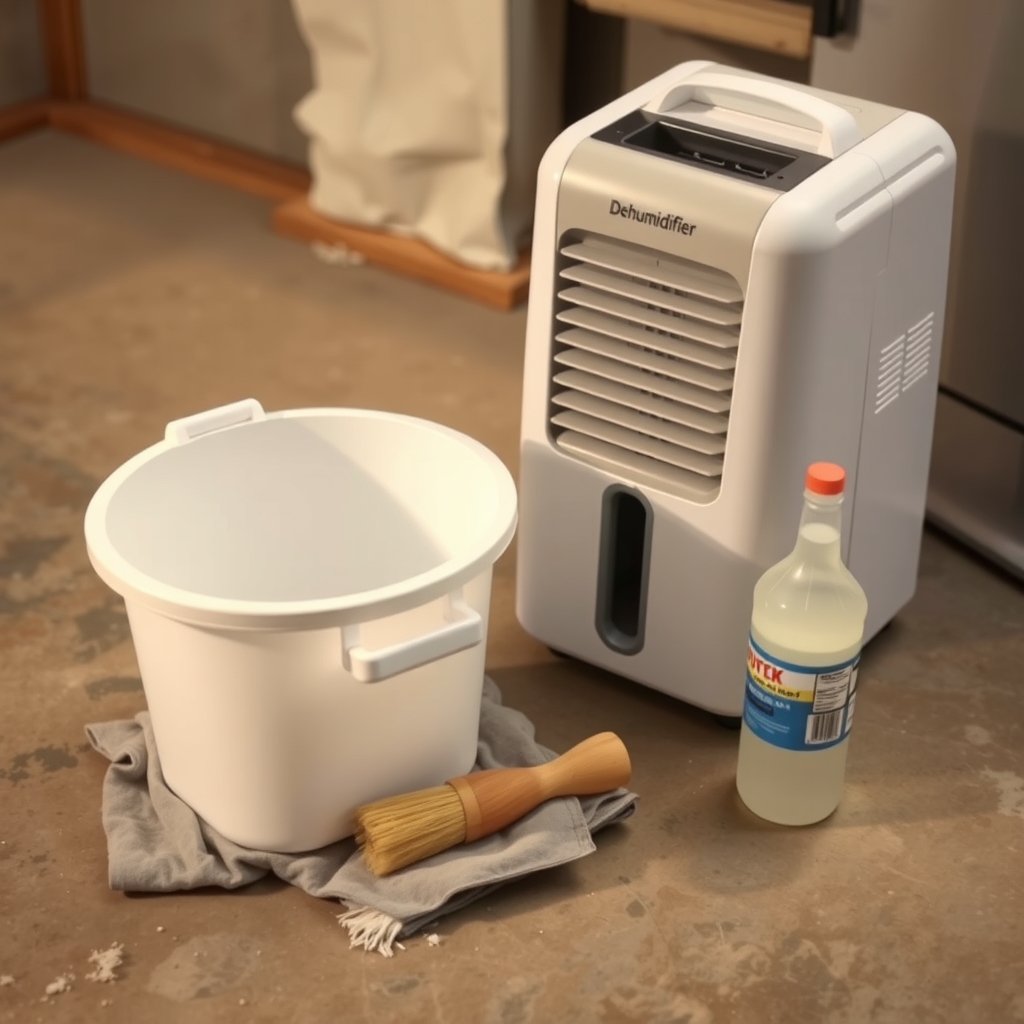 Free fix inside
Air & Temperature · Dehumidifier
Dehumidifier Smells Musty? Clean the Bucket, Coils, and Filter
Read the fixAs an Amazon Associate I earn from qualifying purchases. Affiliate disclosure