Basement Always Cold? Warm the Floor First, Then the Air
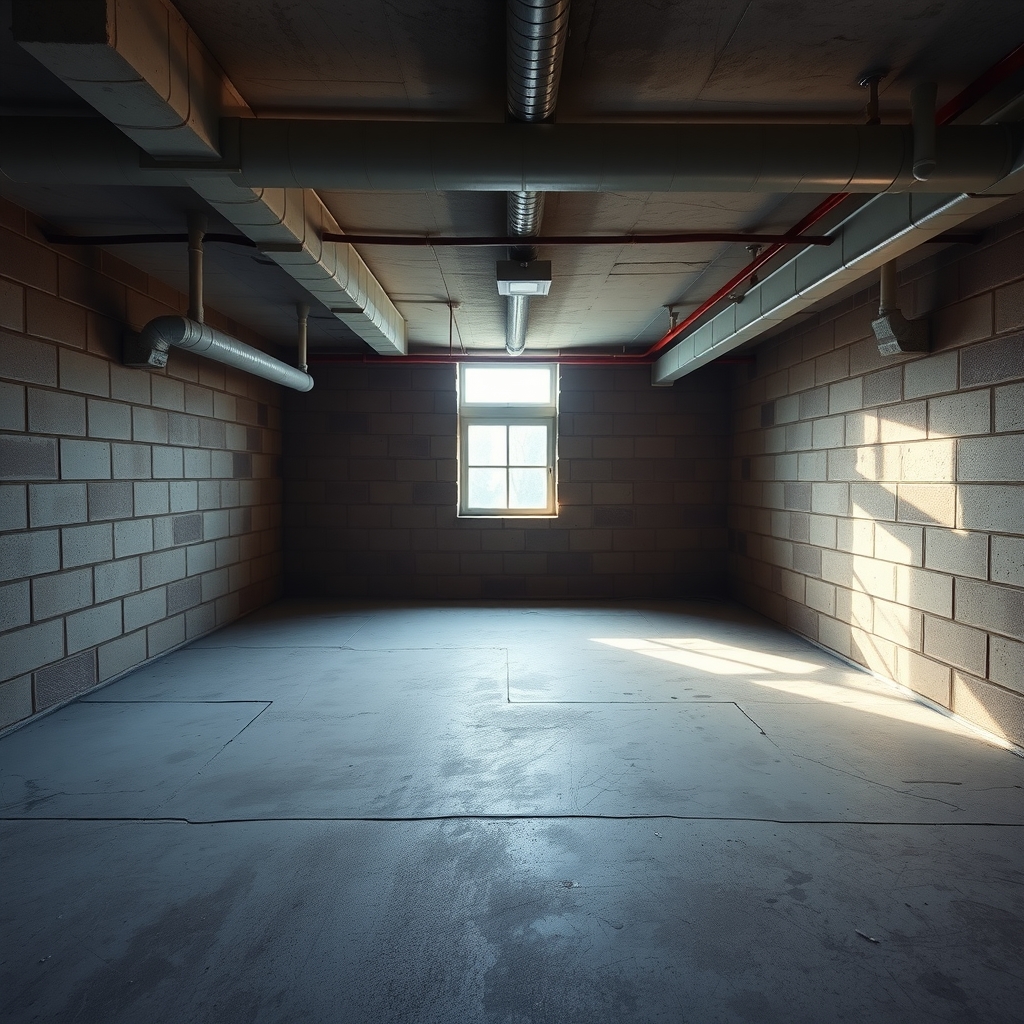
A basement is cold because the ground and a bare concrete floor pull heat away. Test for damp, warm the floor you stand on, then deal with the air.
By Jamilur Rahman Updated November 5, 2026 · 7 min read
- Time
- 2 hours
- Cost
- $50-$150
- Difficulty
- Easy
In this guide
Quick answer
If your basement is too cold, the usual cause is a concrete slab and surrounding soil that pull heat away, plus bare walls and heat that rises upstairs. Test the floor for damp first, then warm it with interlocking foam tiles or a rug, seal air leaks and add heat only where you need it. Foam tiles make the floor feel warmer, but they do not heat the air.
Free fix vs. permanent fix
Seal the leaks and open the vents
- Open the basement supply vents and clear the return grille
- Seal gaps at the windows, the door and the rim joist
- Hang thick curtains over basement windows
- Lay area rugs over the concrete where you sit
How long it lasts: A few degrees warmer in winter. The slab still pulls heat from your feet.

Interlocking foam floor tiles
Bare concrete takes heat from your feet all day. A layer of foam on top slows that, so the floor feels warmer right away and the room feels more comfortable. Foam tiles do not heat the air, and they will not fix a damp slab.
How long it lasts: Years. They sit on a dry slab, cut the cold coming up through the floor and cushion it.
As an Amazon Associate I earn from qualifying purchases.
What you'll need
-
Plastic sheet and tape
A 2-foot square taped to the floor tests for moisture before you cover it
You have it -
Tape measure
Measure the floor, then add about 10 percent for cuts
You have it - Illustration
Weatherstripping or caulk
Seals drafts at the window, the door and the rim joist
- Our pick Illustration
Interlocking foam floor tiles
Warms and cushions a dry concrete floor
- Illustration
Thick area rug with felt pad
A cheaper way to warm one spot
- Illustration
Electric space heater with thermostat
For air that stays cold after the floor is sorted
Why it happens
The ground around the basement
Soil a few feet down stays around 50 to 55°F in much of the US all year. A concrete slab and walls in contact with it keep losing heat to the earth.
A bare concrete floor
Concrete conducts heat away from your feet fast, and most older slabs have no insulation under them. It is the main reason a basement feels cold even when the air is only a little cool.
Heat that rises
Warm air goes upstairs and cool air sinks to the basement. A basement with few or no heating vents stays cold while the upper floors get warm.
Uninsulated walls and rim joist
The rim joist is the band of wood at the top of the foundation wall where the house sits. Gaps and bare spots there leak a lot of heat.
Try this first (free)
Do these in order, starting with the simplest.
-
Test for moisture first
Tool used: Plastic sheet and tapeTape a 2-foot square of plastic sheet tight to the floor on all four edges and leave it 24 to 48 hours. If you see water droplets underneath or the concrete looks dark and damp, fix the water source before you cover the floor.
-
Measure the area
Tool used: Tape measureMultiply length by width, then add about 10 percent for cuts and edges. Foam tile sets are sold by square foot. Work around pipes, drains and the furnace.
-
Seal air leaks
Tool used: Weatherstripping or caulkSeal gaps around basement windows and the door, and caulk cracks where wood meets the foundation. The rim joist is a big heat leak, so fill it with caulk or cut-to-fit foam board.
IllustrationCheck price on AmazonTool for this step
Weatherstripping or caulk · Seals drafts at the window, the door and the rim joist
-
Open the vents and clear the return
Make sure supply vents are open and not blocked by boxes, and the return grille is clear. Even a vent or two works better when air can move.
-
Cover the floor
Tool used: Interlocking foam floor tilesOnce the floor is dry, snap the tiles together over the concrete from one corner. Leave a small gap at the walls so they can expand, and cut around pipes with a utility knife.
IllustrationCheck price on AmazonTool for this step
Interlocking foam floor tiles · Warms and cushions a dry concrete floor
When free fixes aren't enough
A rug on a slab helps your feet but does not change the air. If the room is still under about 60°F after sealing leaks, you need more heat or better insulation, not just a floor cover. Foam tiles add a little insulation and a lot of comfort, but they do not heat the air, insulate the walls or stop dampness. If the slab is damp, the walls seep or you smell mold, deal with the water first. If a furnace or water heater is in the basement, a working carbon monoxide alarm is a must.
Buy the fix
Still stuck after the free fixes? These are the products we would look at.
| Pick | Product | Fixes | Who it's for | Buy |
|---|---|---|---|---|
| Best pick | Interlocking foam floor tiles | a cold concrete floor that pulls heat from your feet | Anyone using the basement as a playroom, gym or workspace over a dry slab. | Check price |
| Budget pick | Thick area rug with a felt pad | the chill under your feet in one area | Anyone who only needs a warm spot, like a desk or a couch. | Check price |
| Upgrade pick | Electric space heater with thermostat and tip-over shutoff | air that stays cold after the floor is sorted | People who use a finished or semi-finished basement for hours at a time. | Check price |
Interlocking foam floor tiles
Fixes: a cold concrete floor that pulls heat from your feet
Look for: At least about half an inch thick; Dense EVA foam that feels firm, not thin craft foam; Interlocking edges, with border pieces for a finished look; Low odor, and a pack size that covers your measured area.
- Who it's for
- Anyone using the basement as a playroom, gym or workspace over a dry slab.
- Honest downside
- The slab is damp, the basement floods or you need hard flooring for heavy furniture. Foam compresses and can trap moisture.
Thick area rug with a felt pad
Fixes: the chill under your feet in one area
Look for: A dense pile over a thick pad; Wool or synthetic fiber that tolerates a basement; A size that covers where you sit and walk.
- Who it's for
- Anyone who only needs a warm spot, like a desk or a couch.
- Honest downside
- The floor gets damp. Rugs trap moisture and can grow mildew.
Electric space heater with thermostat and tip-over shutoff
Fixes: air that stays cold after the floor is sorted
Look for: An adjustable thermostat; Tip-over and overheat shut-off; A UL or ETL safety listing, and a plug straight into the wall with no extension cord.
- Who it's for
- People who use a finished or semi-finished basement for hours at a time.
- Honest downside
- You would leave it on while you sleep or are away, or the room has boxes and paper stored nearby. Seal the leaks first, since heating a leaky basement costs a lot.
As an Amazon Associate I earn from qualifying purchases. We don't show prices because they change, so use the button to see today's price.
How we picked: How we picked: this page is based on basement insulation and heating guides, moisture-test methods from flooring makers, carbon monoxide safety advice and what owners report in reviews of foam floor tiles. We do not test products by hand.
Basement too cold in summer or when the AC is on
Soil keeps a basement cool in summer, and cold air from the air conditioner is heavy, so it sinks into the lowest floor. That is normal. Partly closing the basement supply vent, not fully, sends less cold air down. A rug or foam tiles make bare feet comfortable, and a small heater handles the odd cool day.
Basement too cold and upstairs too hot
Heat rises and cold air sinks, so a house with poor air balance splits into a hot upstairs and a cold basement. A technician can balance the dampers in your ducts. In the meantime, open the basement vents, seal the rim joist and run a ceiling fan upstairs to mix the air.
What to skip
Unvented fuel heaters and plastic over the whole floor
Never run a propane, kerosene or gas heater indoors unless it is made for indoor use and vented, because of carbon monoxide. Plastic sheeting laid over the whole floor traps moisture and can grow mold.
Frequently asked questions
Why is my basement so cold?
Why is my basement not heating up?
Is my basement not insulated, and where do I start?
Should I worry about moisture before covering the floor?
Related problems
 Free fix inside
Air & Temperature · Basement
Basement So Humid? Pick the Right Size Dehumidifier
Read the fix Free fix inside
Air & Temperature · Basement
Basement Smells Musty? 5 Steps That Actually Clear the Odor
Read the fix Free fix inside
Air & Temperature · Drafty Windows
Drafty Windows? Seal Them for Winter Without Replacing Them
Read the fix Free fix inside
Air & Temperature · Basement
Basement Walls Seeping? Waterproofing Paint and Its Limits
Read the fixAs an Amazon Associate I earn from qualifying purchases. Affiliate disclosure