Drafty Windows? Seal Them for Winter Without Replacing Them
Cold air leaks around the sash and frame, and cold glass chills the room. Find the leaks, then seal the whole window with an insulation film kit.
By Jamilur Rahman Updated November 5, 2026 · 7 min read
- Time
- 45 min
- Cost
- $20-$50
- Difficulty
- Easy

In this guide
Quick answer
Windows feel drafty for two reasons: air leaking through gaps around the sash and frame, and cold glass chilling the air beside it. Find the leaks with a tissue or incense test, lock every sash and plug the small gaps. Then a window insulation film kit seals the whole window for the winter, including the leaks you cannot reach, without replacing anything.
Free fix vs. permanent fix
Find the leaks and plug the easy ones
- Test for leaks with a tissue or incense stick on a windy day
- Close and lock every sash all the way
- Roll a towel along the sill and close heavy curtains at dusk
- Keep a lit incense stick away from curtains
How long it lasts: A few cold weeks, or a whole winter if the gaps are small. Cold glass will still make the room feel chilly.
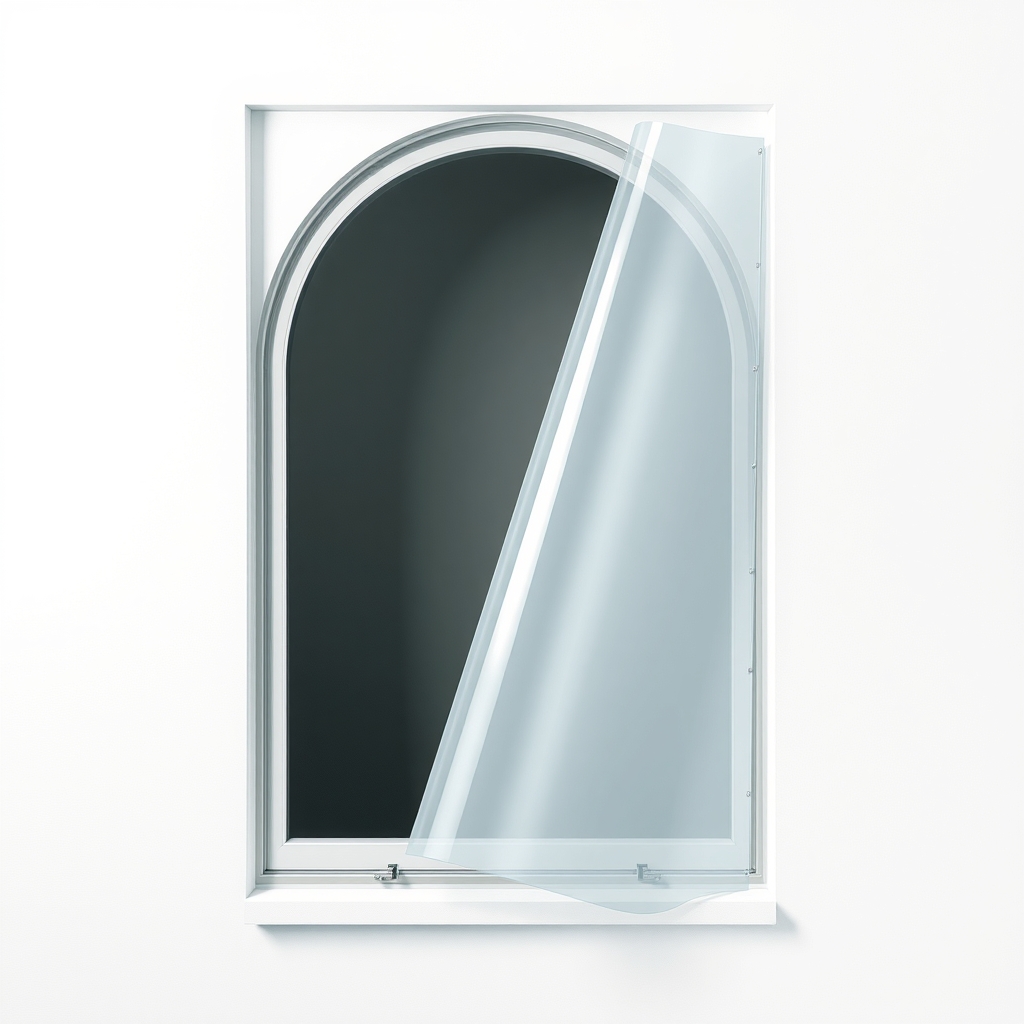
A window insulation film kit
The film sticks around the frame with double-sided tape, then shrinks tight under a hair dryer. It blocks leaks across the whole window and traps a still layer of air in front of the glass, which works a bit like an extra pane. Plugging gaps stops the biggest leaks, and the film covers the rest.
What to get: Window insulation film kit with shrink film and double-sided tape
How long it lasts: One full winter per application. Put it up each fall and peel it off in spring.
As an Amazon Associate I earn from qualifying purchases.
What you'll need
-
Tissue or incense stick
Shows where air moves
Free -
Rolled towel
A stopgap along the sill
You have it -
Hair dryer
Shrinks the film tight
You have it -
Rubbing alcohol and a rag
Cleans the frame so tape sticks
You have it - Our pick Illustration
Window insulation film kit
Measure your windows first and count how many you need
- Illustration

Self-adhesive foam weatherstrip
For gaps where a sash or door meets the frame
Why it happens
Gaps around the sash and frame
Wood swells and shrinks, caulk cracks and old weatherstripping flattens. A thin gap that runs along the whole window lets in a lot of moving air.
A sash that is not fully locked
On many double-hung windows the lock pulls the two sashes tight together. If it is open, or the sash has dropped slightly, air slips through where they meet.
Cold glass pulling air down
Even a tight window feels drafty when the glass is cold. Air next to it chills, turns heavy and slides to the floor. That is why a window can feel cold with no leak at all.
Poor installation on newer windows
A gap between the frame and the wall, missing foam or bent seals can leak from day one. If a new window leaks at the frame edge, ask the installer or maker to fix it.
Try this first (free)
Do these in order, starting with the simplest.
-
1. Test for leaks on a windy day
Tool used: Tissue or incense stickShut the window and turn off fans. Hold an incense stick or a strip of tissue about an inch from the edges, corners and the middle where the sashes meet. Bending smoke or a fluttering tissue marks a leak. Mark each spot with painter's tape.
-
2. Close and lock every window
Push the sash firmly into place and turn the lock. It should pull the sash snug against the frame. If it will not close fully, clear dirt and old paint from the track.
-
3. Block the cold at the sill
Tool used: Rolled towelLay a rolled towel along the sill overnight, and close heavy curtains at dusk. Open them on sunny days so the sun can warm the room.
-
4. Press foam into the moving gaps
Tool used: Self-adhesive foam weatherstripWhere a sash slides or a door closes, stick foam weatherstrip along the frame. Test the thickness with a folded card first, because foam that is too thick stops the sash from closing.
IllustrationCheck price on AmazonTool for this step
Self-adhesive foam weatherstrip · For gaps where a sash or door meets the frame
-
5. Clean the frame and hang the film
Tool used: Window insulation film kitWipe the frame with rubbing alcohol and let it dry. Stick the tape to the frame, press the film onto it and pull it gently flat. Details are in the section below.
IllustrationCheck price on AmazonTool for this step
Window insulation film kit · Measure your windows first and count how many you need
-
6. Shrink it tight
Tool used: Hair dryerRun the hair dryer over the film on low to medium heat, a few inches away and always moving. The wrinkles pull out in a minute or two. Trim the extra along the tape.
When free fixes aren't enough
If the tissue test shows leaks you cannot plug, or the window is single-pane and the glass is ice-cold, towels and curtains only go so far. The film covers the entire window, including gaps you cannot reach, and adds still air in front of the glass. It lasts a season, not forever. A window that is rotted, will not close or leaks water needs a repair. Skip film on a window you need to open, or on a bedroom's emergency exit.
Buy the fix
Still stuck after the free fixes? These are the products we would look at.
| Pick | Product | Fixes | Who it's for | Buy |
|---|---|---|---|---|
| Best pick | Window insulation film kit with shrink film and double-sided tape | air leaks and cold glass across the whole window | Owners and renters with older or single-pane windows who want a winter of relief without replacing them. | Check price |
| Budget pick | Self-adhesive foam weatherstrip tape | gaps where a sash or door meets the frame | Someone with a few clear gaps and a small budget. | Check price |
Window insulation film kit with shrink film and double-sided tape
Fixes: air leaks and cold glass across the whole window
Look for: Enough film and tape for your window sizes, measured before you buy; Clear film made for indoor use; Tape the maker says peels off cleanly.
- Who it's for
- Owners and renters with older or single-pane windows who want a winter of relief without replacing them.
- Honest downside
- You need to open that window this winter, it is a bedroom's emergency exit, or the frame paint is flaking and the tape will not hold.
Self-adhesive foam weatherstrip tape
Fixes: gaps where a sash or door meets the frame
Look for: Closed-cell foam that springs back after being squashed; A thickness that fits your gap, checked with a folded card; Strong adhesive backing.
- Who it's for
- Someone with a few clear gaps and a small budget.
- Honest downside
- The leak is around the glass itself, or the frame is cracked, wet or crumbling.
As an Amazon Associate I earn from qualifying purchases. We don't show prices because they change, so use the button to see today's price.
How we picked: How we picked: this page is based on home energy guides for draft-proofing windows, instructions from window film and weatherstrip makers, and the problems and fixes owners report in reviews. We do not test products by hand.
Hanging the film without wrinkles
- Clean the frame with rubbing alcohol and let it dry. Tape does not stick to dust or oil.
- Stick the double-sided tape to the flat inner edge of the frame, not to the glass or a moving part.
- Cut the film a few inches larger than the taped rectangle.
- Peel the tape cover, press the film on starting at the top and pull it gently taut.
- Shrink it with a hair dryer, then trim the extra with scissors.
What to skip
Packing tape, plastic wrap and regular spray foam
Packing tape and plastic wrap seal poorly and can peel paint. Regular expanding foam can bow a window frame so the sash will not close. If you use foam, choose one labeled for windows and doors.
Frequently asked questions
Why are my new windows drafty?
How do I fix drafty windows in an old house?
Does this work for draughty windows in the UK?
What about drafty doors?
Related problems

As an Amazon Associate I earn from qualifying purchases. Affiliate disclosure