Why Is My Dorm Room So Cold? Where the Drafts Come In and What to Do
Single-pane windows, gaps around the frame and an outside wall steal your heat. Stop the drafts tonight for free, then seal the window for the whole winter.
By Jamilur Rahman Updated November 5, 2026 · 7 min read
- Time
- 30 min
- Cost
- Under $20
- Difficulty
- Easy
In this guide
Quick answer
Dorm rooms feel cold mostly because of the window. Single-pane glass and gaps around the frame leak heat and let drafts in, and an outside wall chills the room. Close the blinds at night, block gaps with a towel and move the bed off the window wall. Then seal the window with a shrink-to-fit window insulation film kit, which traps a layer of still air over the glass and lasts the season. Check your housing rules before you add a heater.
Free fix vs. permanent fix
Block the draft and use the sun
- Open curtains on sunny days and close them at night
- Roll a towel along the window sill and under the door
- Move the bed away from the window and outside wall
- Lay a rug over a bare, cold floor
How long it lasts: It takes the edge off. Cold glass still pulls warmth from the room, and gaps around the frame stay open.

A window insulation film kit
Single-pane glass is the biggest heat leak in most dorm rooms. Shrink film stuck around the frame with double-sided tape seals the gaps and puts a thin layer of still air over the glass. The room holds its heat longer, and the window stops feeling like an open door. The film is clear, so you can still see out.
What to get: Window insulation film kit (shrink-to-fit)
How long it lasts: One full winter. You peel it off in spring.
As an Amazon Associate I earn from qualifying purchases.
What you'll need
-
Towel or rolled blanket
Blocks the sill gap and the door bottom
You have it -
Hair dryer
Shrinks the film tight
You have it -
Scissors
Trims the extra film
You have it - Our pick Illustration
Window insulation film kit
Film and double-sided tape; measure your window first
- Illustration
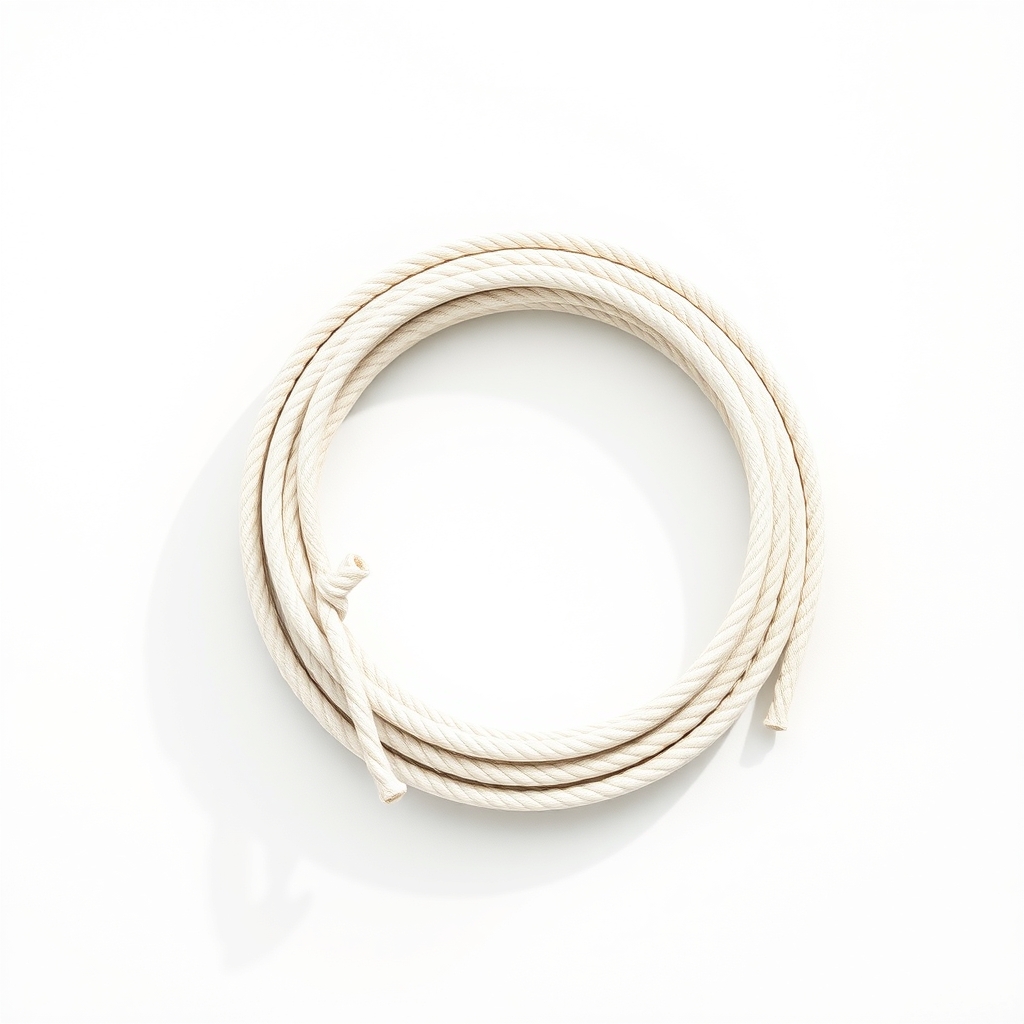
Removable rope caulk
Seals thin gaps around the sash
- Illustration
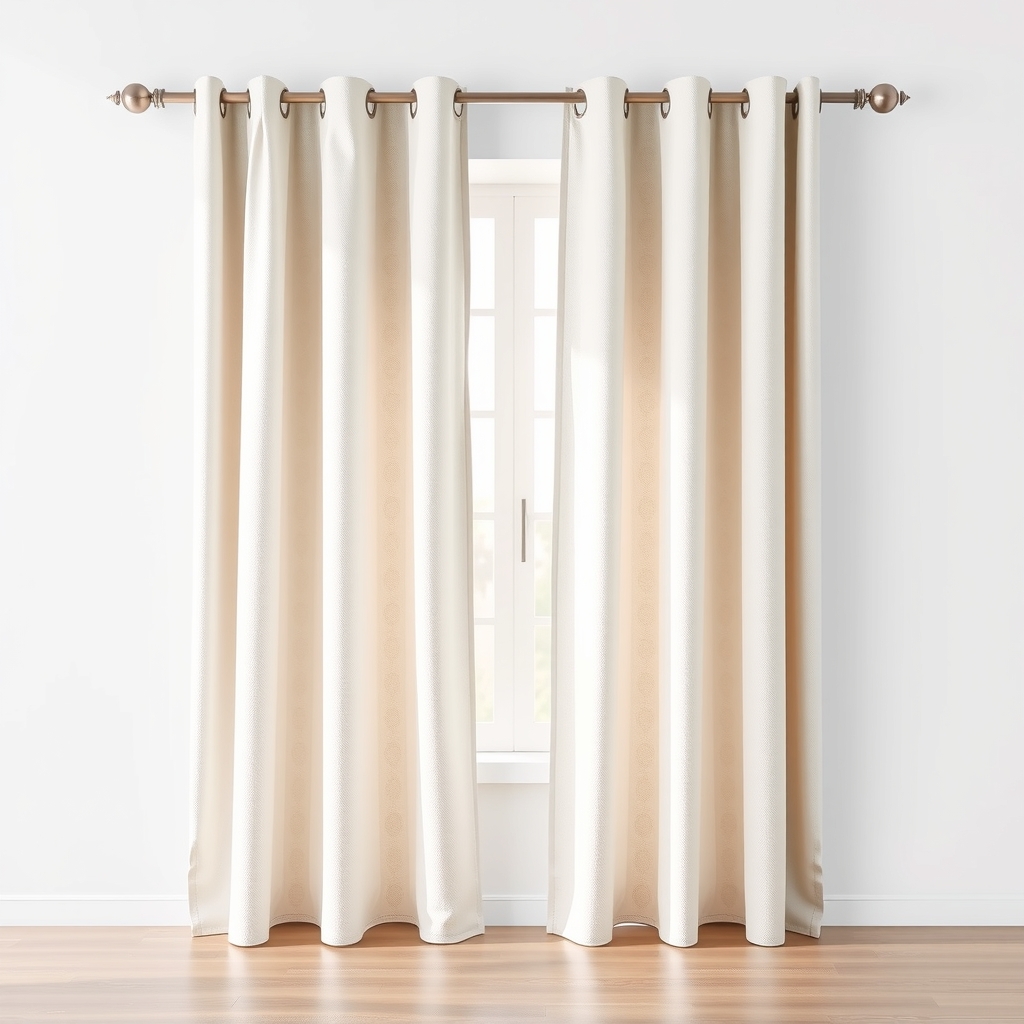
Thermal curtains
Adds insulation after dark
Why it happens
Single-pane glass
Glass passes heat far faster than a wall does. A cold window pulls warmth from the room and chills the air beside it, so you feel cold even when the thermostat says otherwise.
Gaps around the window and door
Old frames, worn seals and gaps under the door let outdoor air in. On a windy day, hold your hand near the edges. If you feel a stream of cold, that is a draft.
An outside wall and a cold floor
A bed against an exterior wall or window sits beside the coldest surface in the room. A floor over an unheated space makes it worse.
The heating itself
A blocked vent, a radiator that stays cool or a building that sets the heat low can all be to blame. That one is for maintenance to sort out, not you.
Try this first (free)
Do these in order, starting with the simplest.
-
Find the draft
On a windy day, hold your hand or a thin strip of tissue near the window edges, the bottom of the door and any outlets on the outside wall. Where it flutters, air is coming in. Do not use a candle or incense, since dorms ban flames.
-
Close the gaps you can
Tool used: Towel or rolled blanketRoll a towel against the window sill and under the door. Check that the window latch is fully locked, because an unlatched sash leaks a lot.
-
Use the curtains and move the bed
Open the curtains on sunny days for free heat and close them at dusk. Pull the bed and chair away from the window and outside wall, even by two feet, and put a rug on a cold floor.
-
Tape the film around the frame
Tool used: Window insulation film kitMeasure the window. Wipe the frame with rubbing alcohol and let it dry. Press the double-sided tape around the frame, then stick the film to the tape and smooth out the wrinkles.
IllustrationCheck price on AmazonTool for this step
Window insulation film kit · Film and double-sided tape; measure your window first
-
Shrink it tight
Tool used: Hair dryerRun a hair dryer over the film on a low setting, keeping it moving, until it pulls flat. Trim the extra film with scissors.
-
Tell maintenance
Report a broken latch, a leaking window or a radiator that stays cold. A repair request costs nothing, and it may be the real cause.
When free fixes aren't enough
If the room is still cold after you block the gaps, the glass itself is the problem. A towel does not stop a cold window, but film does: it seals the frame and puts a layer of air over the whole pane. Ask your RA first if your rules ban tape on frames, and check that this window is not your emergency exit before you seal it. If a window will not close, is cracked or leaks water, or the room stays cold with the heat running, report it to maintenance. A kit will not make up for failing heat.
Buy the fix
Still stuck after the free fixes? These are the products we would look at.
| Pick | Product | Fixes | Who it's for | Buy |
|---|---|---|---|---|
| Best pick | Window insulation film kit (shrink-to-fit) | heat loss and drafts through single-pane windows | Anyone in a dorm or older apartment with a cold, leaky window. | Check price |
| Budget pick | Removable rope caulk or foam weatherstrip tape | thin gaps around a window sash | Anyone with a drafty window who needs the cheapest fix or cannot use film. | Check price |
| Upgrade pick | Thermal insulated curtains | heat lost through the window after dark | Anyone who has sealed the window and still finds the room cold at night. | Check price |
Window insulation film kit (shrink-to-fit)
Fixes: heat loss and drafts through single-pane windows
Look for: Enough film for all your windows, so measure width and height first; Double-sided tape described as removable; Clear film you can see through; Works with a standard hair dryer.
- Who it's for
- Anyone in a dorm or older apartment with a cold, leaky window.
- Honest downside
- Your housing rules ban tape on frames, the frame is wet or crumbling, or this window is your emergency exit. Ask first.
Removable rope caulk or foam weatherstrip tape
Fixes: thin gaps around a window sash
Look for: A label that says removable and non-staining; Enough length to run along the sash edges; Foam thick enough to fill the gap you can feel.
- Who it's for
- Anyone with a drafty window who needs the cheapest fix or cannot use film.
- Honest downside
- The cold mostly comes through the glass, not the gaps. Use film too.
Thermal insulated curtains
Fixes: heat lost through the window after dark
Look for: A thick, lined fabric; Wide and long enough to cover the whole window; A rod or tension rod that your room allows.
- Who it's for
- Anyone who has sealed the window and still finds the room cold at night.
- Honest downside
- A radiator sits under the window. Curtains hanging over it trap the heat and can be a hazard.
As an Amazon Associate I earn from qualifying purchases. We don't show prices because they change, so use the button to see today's price.
How we picked: How we picked: this page is based on energy-saving guides for windows and drafts, instructions from window-film makers, and what students and renters report in reviews. We do not test products by hand.
The usual draft spots in a dorm
- Window edges and the sash: where two parts of the frame meet.
- Bottom of the door: a gap under the door pulls hallway air in.
- Outlets on the outside wall: a slow, cold trickle.
- A wall or window air-conditioner left in place: it leaks all winter. Ask whether it can be covered or sealed.
What to skip
Space heaters, candles and gas stoves
Check your housing rules before buying any heater, since many dorms ban them and they can trip old circuits. Never use a candle, stove or other flame for warmth. And do not cover a radiator or pile things against it.
Frequently asked questions
Can I use a space heater in my dorm?
Why is my dorm room cold even with the heat on?
Will window film damage the window or the paint?
How do I keep my dorm room warm at night?
Related problems
 Free fix inside
Air & Temperature · Drafty Windows
Drafty Windows? Seal Them for Winter Without Replacing Them
Read the fix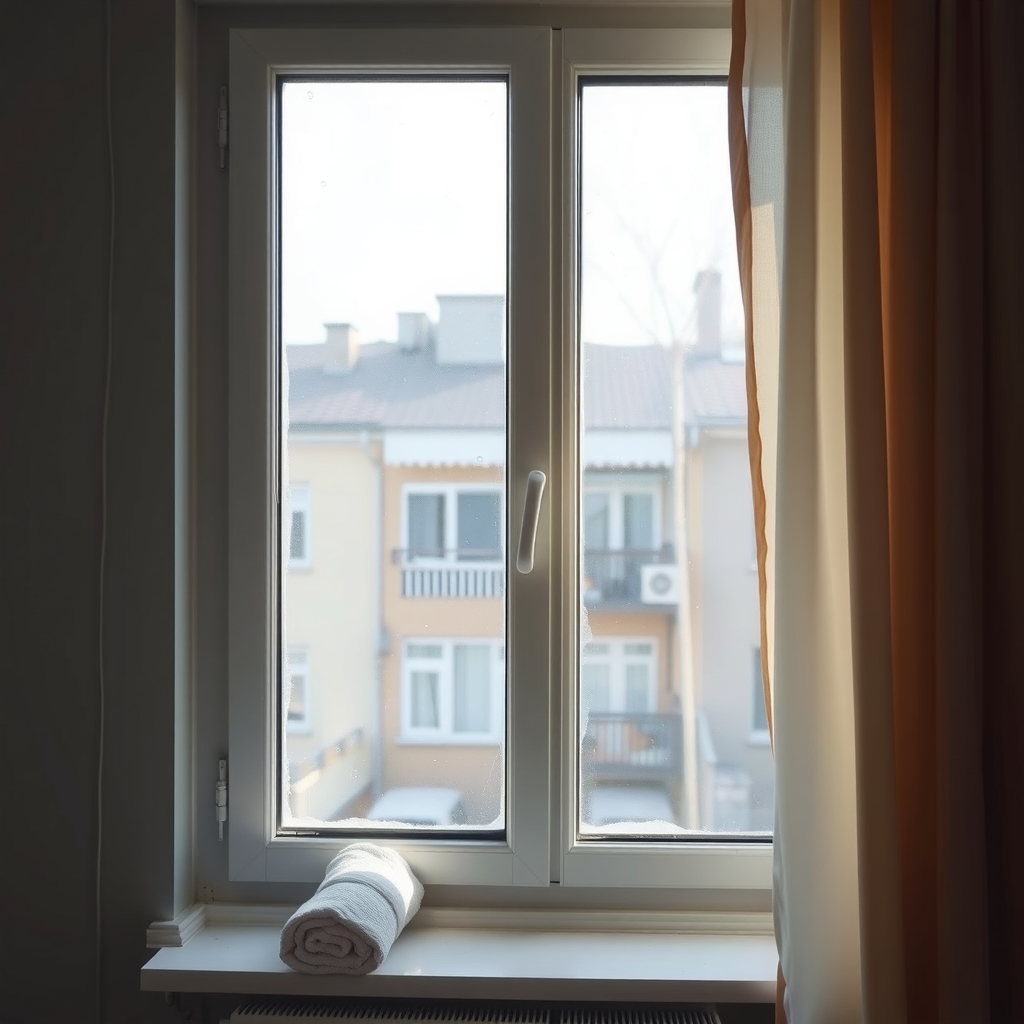 Free fix inside
Air & Temperature · Drafty Windows
Drafty Windows in a Rental? No-Drill, Peel-Off Fixes That Work
Read the fix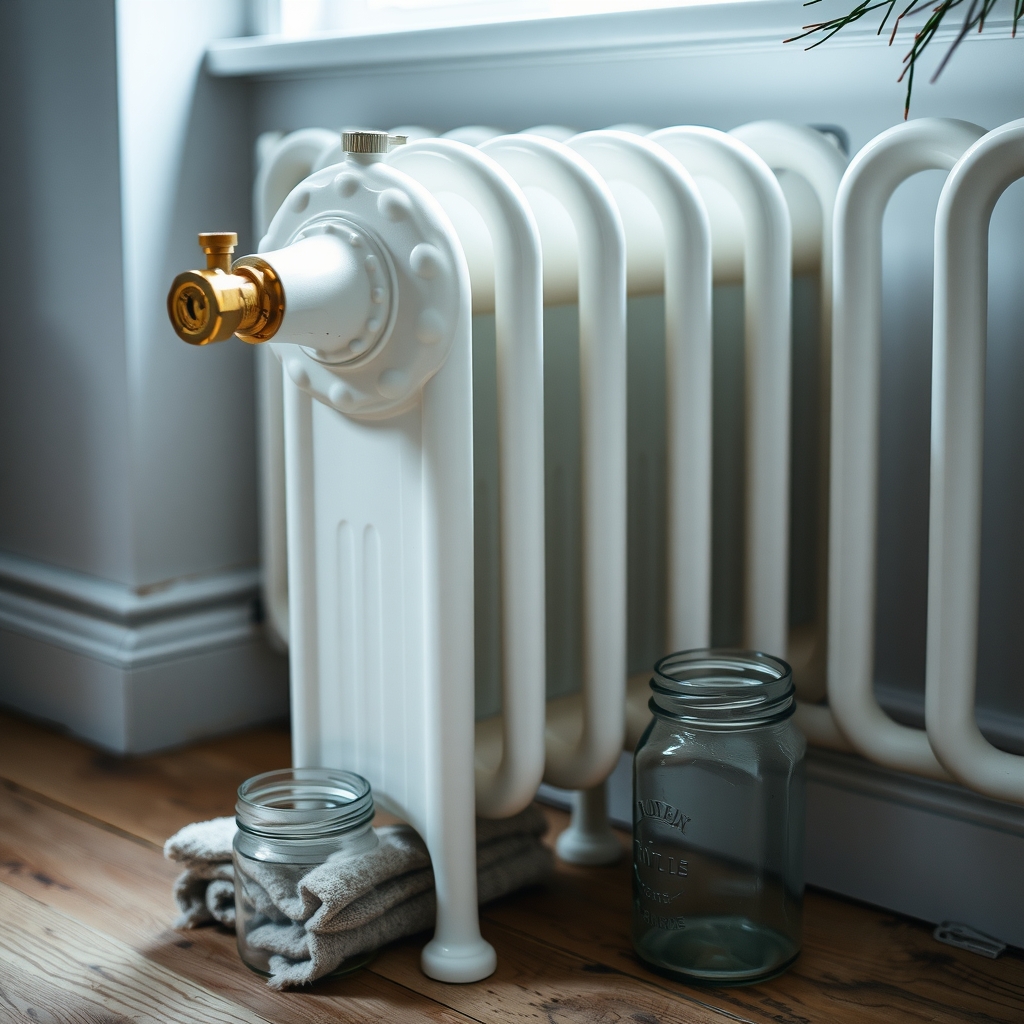 Free fix inside
Air & Temperature · Radiator
Radiator Needs Bleeding? What a Radiator Key Does
Read the fixAs an Amazon Associate I earn from qualifying purchases. Affiliate disclosure