Radiator Needs Bleeding? What a Radiator Key Does
Trapped air leaves a hot-water radiator cold at the top. A radiator key lets it out in a minute. Here is how, and what it means if the air keeps coming back.
By Jamilur Rahman Updated November 5, 2026 · 7 min read
- Time
- 15 min per radiator
- Cost
- Under $20
- Difficulty
- Easy
In this guide
Quick answer
A hot-water radiator that is cold at the top and warm at the bottom usually has air trapped inside. Turn the heat off, hold a cloth under the bleed valve and open it a quarter turn with a radiator key until water, not air, comes out. The key is the part most people do not own: many bleed valves have a small square socket that pliers will round off. If the same radiator needs bleeding every few weeks, the system has a leak or low pressure, so call a pro. Steam radiators are different and take no key.
Free fix vs. permanent fix
Bleed it with a screwdriver, if the valve has a slot
- Look at the valve: a slot takes a flat screwdriver, a square socket needs a key
- Switch the heat off and let the radiator cool first
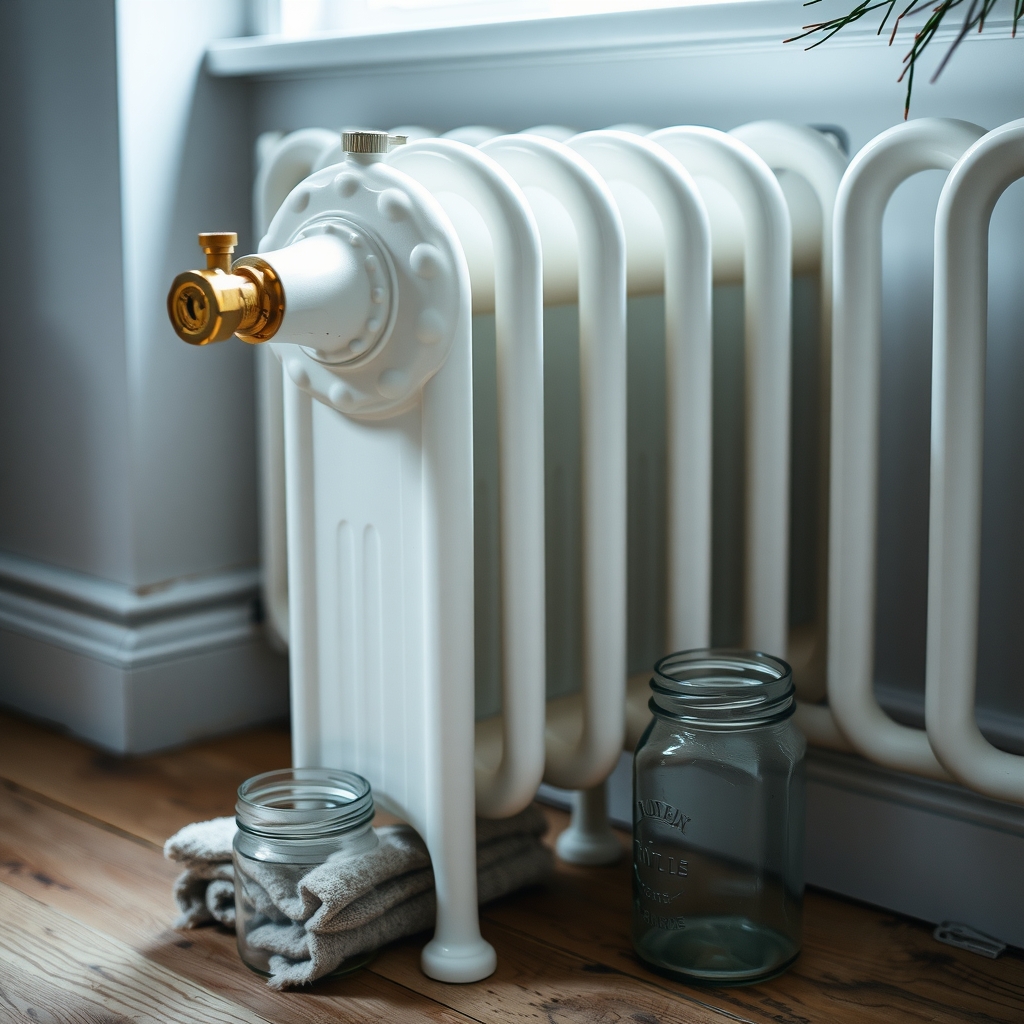
- Hold a cloth under the valve and open it a quarter turn
- Close it as soon as water, not air, comes out
How long it lasts: Until air builds up again, often a season or longer. If it needs doing every few weeks, something else is wrong.
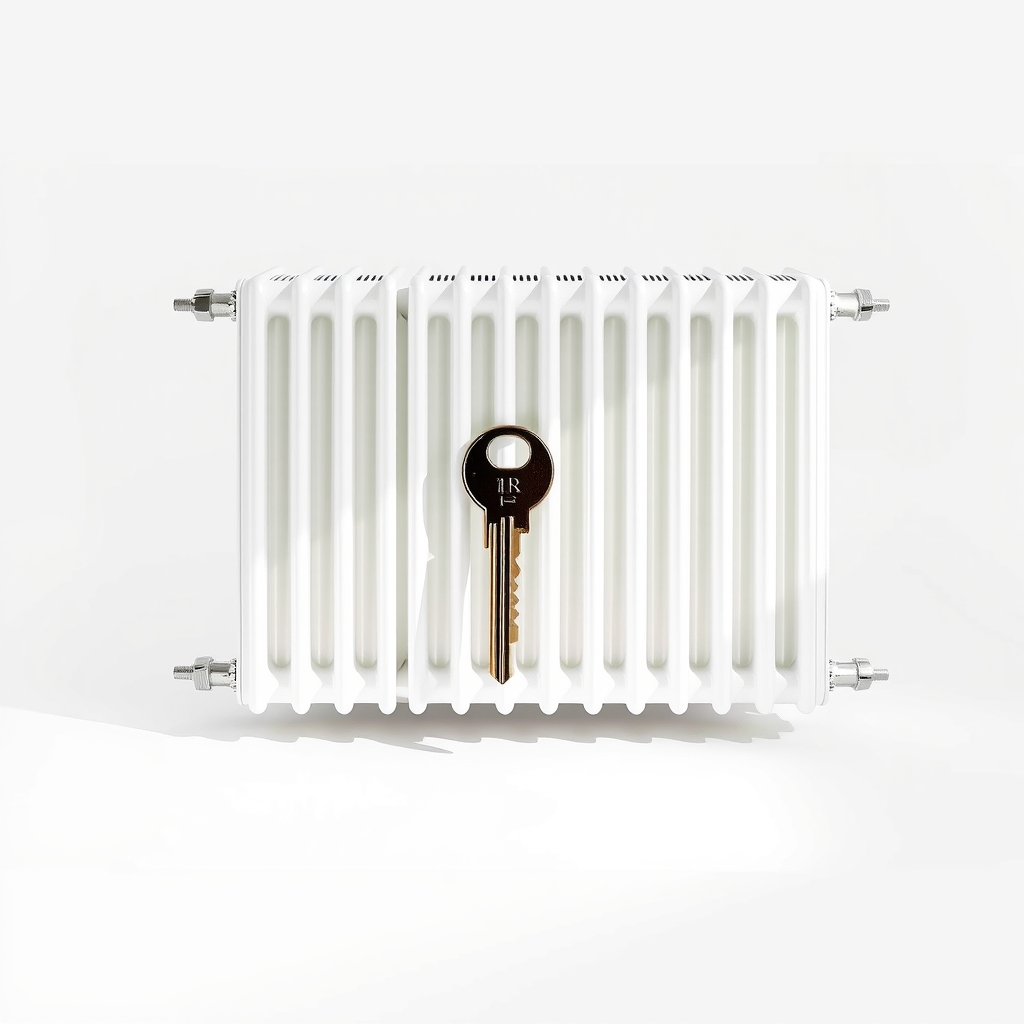
A radiator key you keep on hand
Most bleed valves use a small square socket that a screwdriver or pliers cannot turn cleanly, and a rounded socket turns a one-minute job into a plumber visit. A key fits the socket and lets you bleed any radiator the moment it goes cold at the top. It does not stop air getting in, but it lets you remove it in a minute, each time.
What to get: Radiator bleed key (multi-fit set)
How long it lasts: Years. It is a one-time buy, and it fits every square-socket valve in the home.
As an Amazon Associate I earn from qualifying purchases.
What you'll need
- Our pick Illustration
Radiator key
Fits the square socket on most bleed valves; a multi-fit set also covers hex and slotted ones
-
Old towel or rag
Catches the dribble and protects the floor
You have it -
Small jar or cup
Holds the water that comes out
You have it -
Flat screwdriver
Only for valves that have a slot
You have it - Illustration
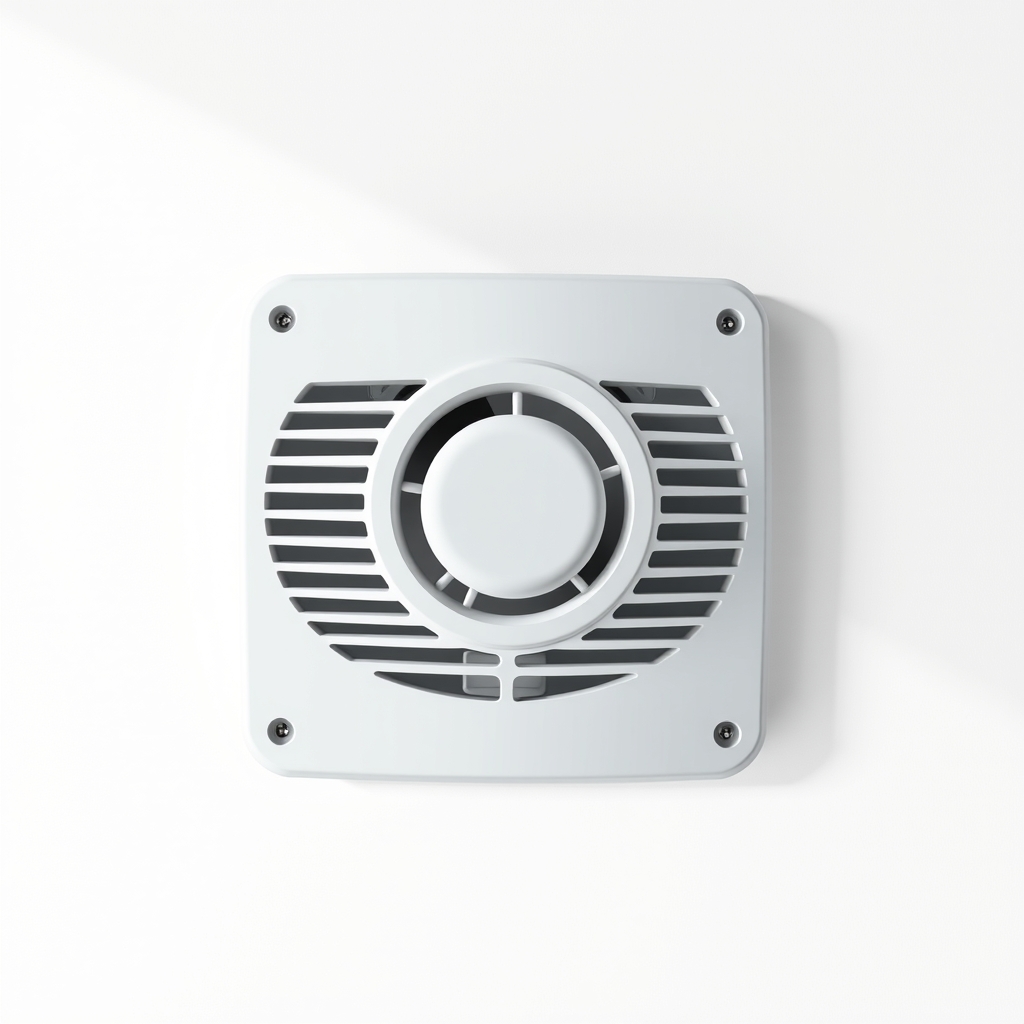
Automatic radiator air vent
A part that replaces the manual valve; have a heating pro or building maintenance fit it
Why it happens
Air that came in when the system was filled
Fresh water carries dissolved air. As it heats, the air comes out of the water and floats to the top of the radiator, where it sits until it blocks hot water from filling the panel.
Air rising to the highest radiators
Air is light, so it travels up. Upstairs radiators, and the ones farthest from the boiler, collect it first. That is why a top-floor radiator keeps filling with air.
A small leak or low system pressure
Air can be drawn in through a weak joint, a worn valve seal or a drop in pressure. If a radiator needs bleeding again within weeks, look here.
Rust or sludge in an older system
Corrosion inside old pipes gives off gas, which collects as air. A radiator that is cold at the bottom and hot at the top points to sludge, not air.
Try this first (free)
Do these in order, starting with the simplest.
-
Confirm it is a hot-water radiator
Hot-water radiators have a small valve at one top corner, often with a square socket. Steam radiators have a round vent on the side that hisses as it heats, and no bleed valve. If you have steam, or a building-run system, stop here and tell your building manager.
-
Switch the heat off and let it cool
Turn the heating off and wait an hour or so. Hot water can scald, and a running pump can pull more air into the system.
-
Fit the key on the bleed valve
Tool used: Radiator keyFind the valve at the top corner of the radiator and slide the key onto the square socket. It should fit snugly with no wobble.
IllustrationCheck price on AmazonTool for this step
Radiator key · Fits the square socket on most bleed valves; a multi-fit set also covers hex and slotted ones
-
Catch the water and open it a quarter turn
Tool used: Old towel or ragHold a rag and a jar under the valve. Turn the key counterclockwise a quarter to half a turn. You will hear air hiss out. Never unscrew the valve all the way.
-
Close it when water spits
As soon as a steady dribble of water replaces the hiss, turn the key clockwise and close it. Tighten gently and wipe the valve dry.
-
Check the pressure, then the heat
Turn the heating back on. If your boiler has a pressure gauge, check it, because bleeding lowers the pressure and the boiler may need topping up to the level in its manual. Then feel the radiator once it warms: hot all over means it worked.
When free fixes aren't enough
A slotted valve and a screwdriver do the job for free. Square sockets are far more common, and a key is the simple, cheap answer. If you have to bleed the same radiator every few weeks, bleeding is only a bandage: there is a leak, low pressure or sludge, and a heating pro should look at the system. If the radiator is cold at the bottom and hot at the top, that points to sludge, not air. In a rental, tell the landlord first, since some leases do not let tenants touch the heating.
Buy the fix
Still stuck after the free fixes? These are the products we would look at.
| Pick | Product | Fixes | Who it's for | Buy |
|---|---|---|---|---|
| Best pick | Radiator bleed key (multi-fit set) | air trapped in a hot-water radiator | Anyone with hot-water radiators and square-socket bleed valves, and any renter told to bleed it themselves. | Check price |
| Upgrade pick | Automatic radiator air vent | a top-floor radiator that collects air again and again, once leaks are ruled out | Homeowners with a stubborn air pocket in one radiator, who will have a heating pro fit the part. | Check price |
Radiator bleed key (multi-fit set)
Fixes: air trapped in a hot-water radiator
Look for: A square socket that fits your valve, so check the old valve first; A solid steel body that will not round off; Extra slot or hex ends so one key covers odd valves.
- Who it's for
- Anyone with hot-water radiators and square-socket bleed valves, and any renter told to bleed it themselves.
- Honest downside
- You have steam radiators or a building-run system you are not allowed to touch.
Automatic radiator air vent
Fixes: a top-floor radiator that collects air again and again, once leaks are ruled out
Look for: A thread size that matches your radiator, so check before you buy; Made for hot-water radiators, not steam; Fitted by someone who knows how to isolate the radiator.
- Who it's for
- Homeowners with a stubborn air pocket in one radiator, who will have a heating pro fit the part.
- Honest downside
- You rent, or you do not yet know why the air keeps coming back. Fix a leak first.
As an Amazon Associate I earn from qualifying purchases. We don't show prices because they change, so use the button to see today's price.
How we picked: How we picked: this page is based on heating-system guides and boiler manuals, radiator valve instructions from parts makers, and the fixes and mistakes people report in owner reviews of radiator keys. We do not test products by hand.
Hot water or steam? Check before you bleed
A key only works on hot-water radiators. Look before you turn anything.
- Hot water: a small valve at one top corner, usually a square socket or a slot, with pipes at the bottom. This is the kind a key bleeds.
- Steam: a round air vent on the side, often with no valve at the top. It lets air out on its own. If it spits water or the radiator stays cold, the vent is probably stuck, so report it to the building manager.
What to skip
Pliers, a wrench or an unscrewed valve
Do not grip the valve with pliers or try to take it out. A rounded socket is hard to fix, and a valve that comes out sends hot water across the floor. Also skip bleeding the same radiator over and over. If it keeps filling, fix the cause.
Frequently asked questions
How do I know a radiator needs bleeding?
Can I bleed a radiator while the heat is on?
Why does my upstairs radiator keep filling with air?
What if no water comes out and the radiator stays cold?
Related problems

As an Amazon Associate I earn from qualifying purchases. Affiliate disclosure