How to Keep an Entryway Organized: Wall Racks That Catch the Clutter
Shoes, bags and coats pile up because nothing at the door has a home. Set a simple routine first, then add a wall rack so clutter has somewhere to go.
By Jamilur Rahman Updated November 5, 2026 · 7 min read
- Time
- 1 hour
- Cost
- $20-$50
- Difficulty
- Medium
In this guide
Quick answer
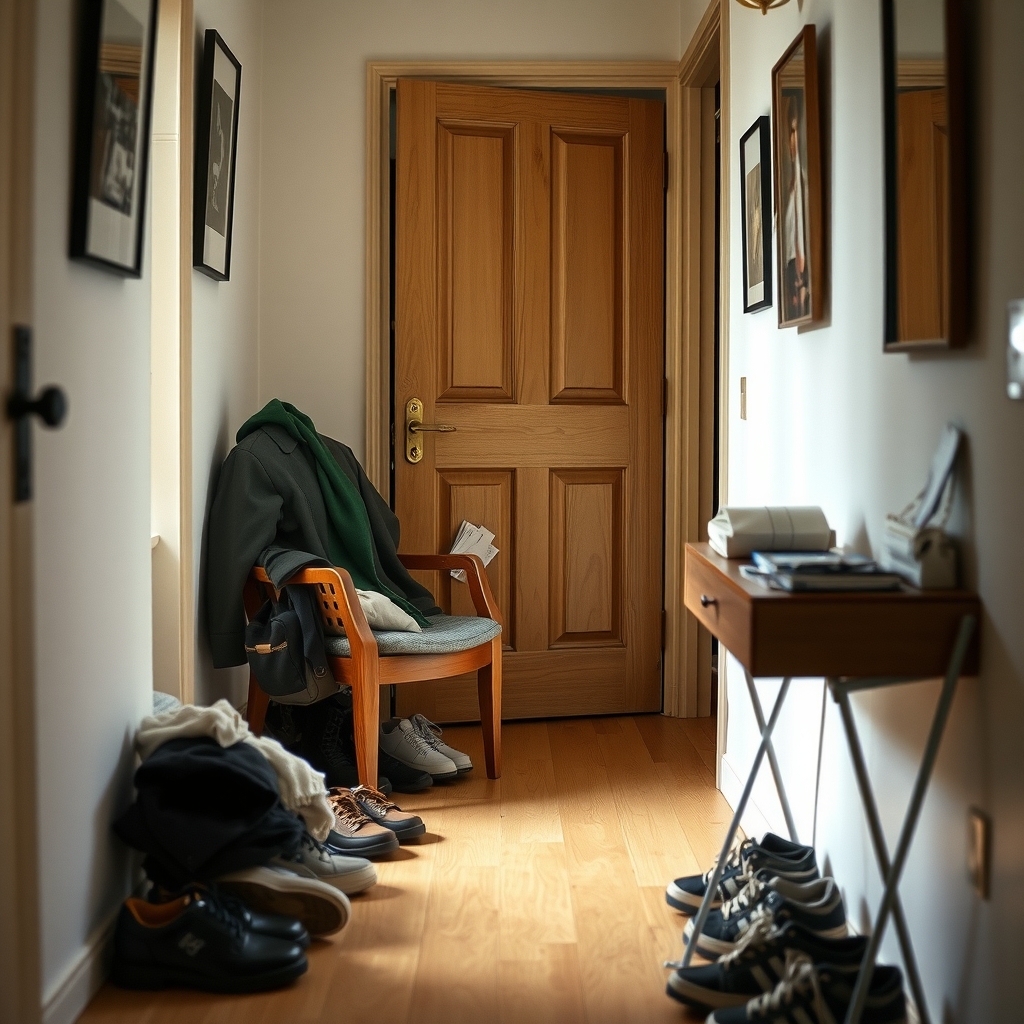
An entryway turns into a dumping ground because coats, bags, keys and shoes have no fixed place to go. Give each person a hook, cut the shoes down to what you wear, and make a two-minute reset part of coming home. A wall-mounted rack with hooks and a small shelf then holds the clutter off the floor, so the system does not depend on willpower.
Free fix vs. permanent fix
One hook, one tray, one habit
- Give each person one spot for a coat and a bag
- Keep only the shoes in daily use by the door
- Put a bowl or tray out for keys and mail
- Do a two-minute reset each evening
How long it lasts: A few weeks if you stick with it. With nothing on the wall, coats drop on a chair and the pile grows back.
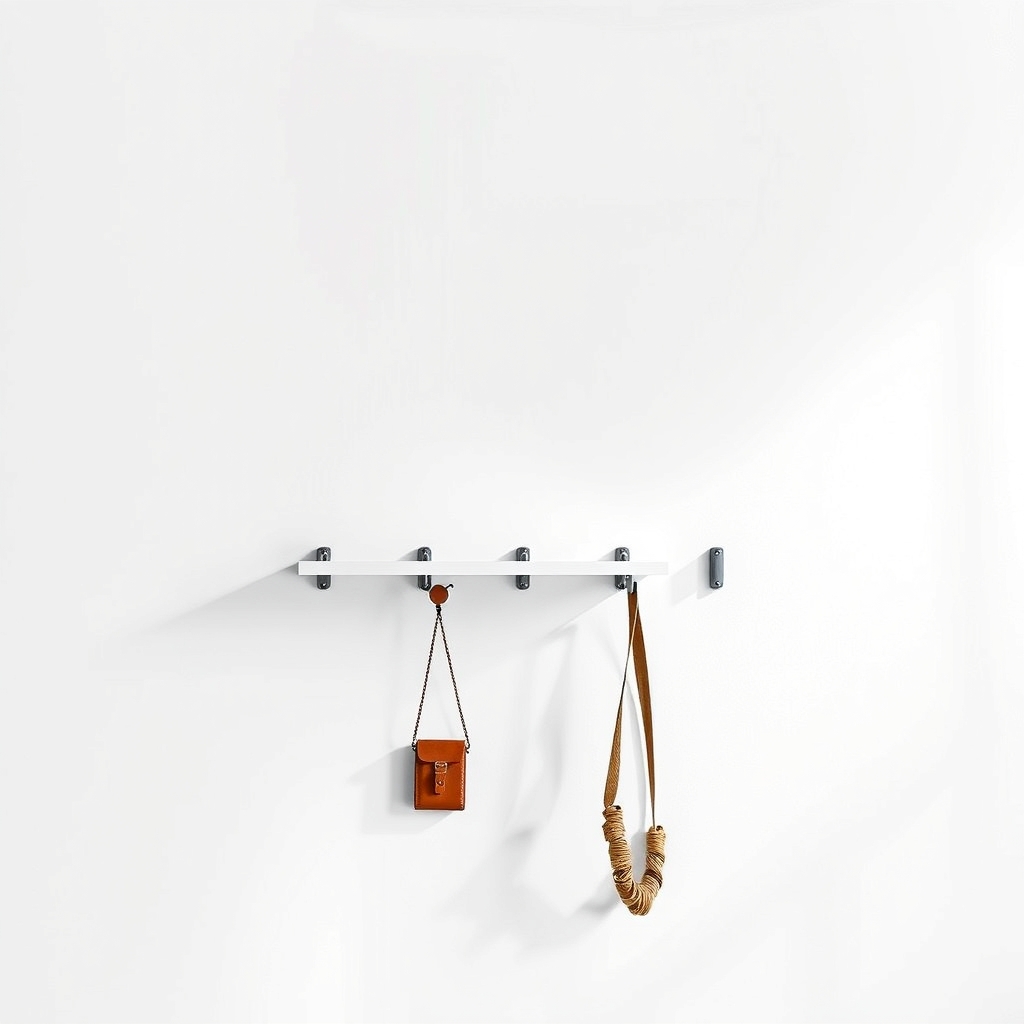
A wall-mounted entryway rack with hooks
Clutter piles up where putting things away takes more effort than dropping them. Hooks at arm height remove the effort, and a shelf above catches keys, mail and hats. On the wall it takes no floor space, which is the thing a small entry lacks.
What to get: Wall-mounted entryway organizer with hooks and a shelf
How long it lasts: Years, once it is anchored properly. The hooks are always there, so putting things away takes one second.
As an Amazon Associate I earn from qualifying purchases.
What you'll need
-
Pencil and tape measure
For marking hook heights and spacing
You have it -
Key tray or bowl
Any dish you already own works
Free - Illustration
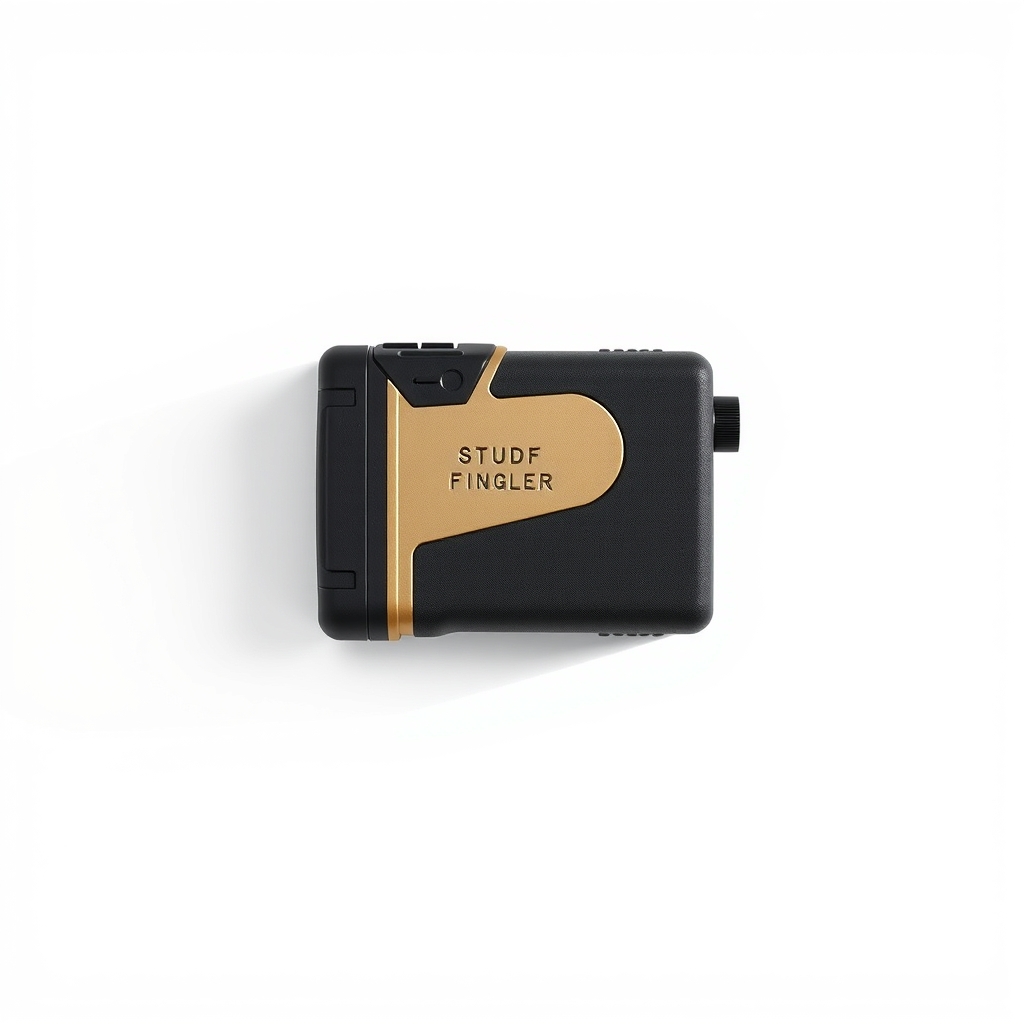
Stud finder
A basic one is enough, since a rack full of wet coats is heavy
- Our pick Illustration
Wall-mounted entryway rack with hooks and a shelf
Check the weight rating and the hook count
- Illustration
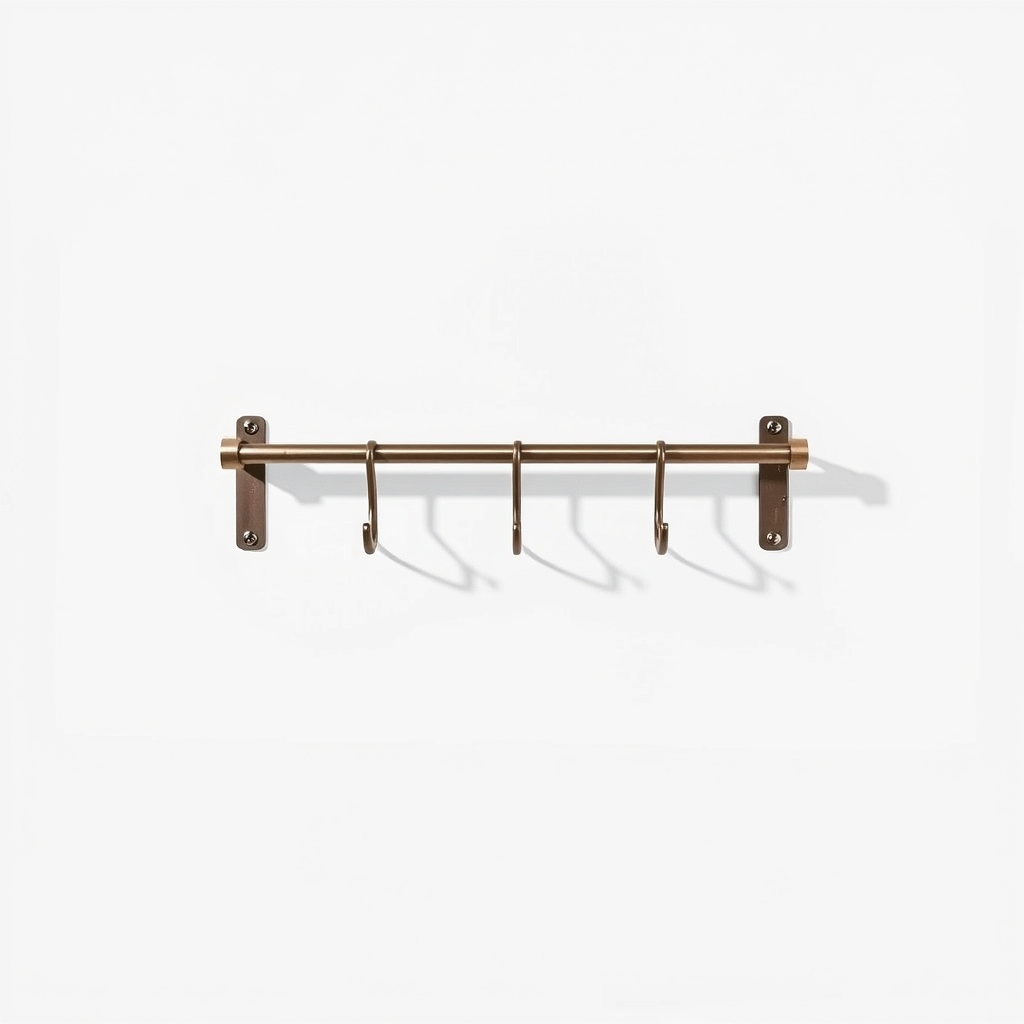
Wall hook rail
A simpler, cheaper way to get coats off the floor
Why it happens
No home for each item
When keys, bags and coats have no fixed spot, they land on the nearest flat surface: the floor, a chair or the console. The pile then looks like a mess, so people add to it.
More stuff than the entry can hold
Shoes for every season, spare umbrellas and guests' coats all end up at the door. The entry stores what the whole household owns, not what is in use this week.
Storage that sits on the floor
Shoe racks and baskets eat floor space and are hard to use with your hands full. In a narrow entry, they leave less room to step in, so things get dropped.
A routine with too many steps
If hanging a coat means opening a closet door and finding a hanger, most people will not do it. A system survives when putting things away is one motion.
Try this first (free)
Do these in order, starting with the simplest.
-
Clear the entry and sort what comes back
Pull everything out. Keep the shoes each person wears weekly, one coat per person for the current season, and bags in use. The rest goes to a closet or leaves the house.
-
Mark where hooks would go
Tool used: Pencil and tape measureStand at the door and hold a hook where you naturally reach. Around 5 feet suits most adults and 3 to 4 feet suits kids. Mark the spots with a pencil and measure the spacing.
-
Set up a landing spot for keys and mail
Tool used: Key tray or bowlPut a tray or bowl on the nearest surface for keys, wallet and sunglasses. Sort the mail on the spot: recycle the junk and put the rest in one pile.
-
Limit shoes at the door
Keep two pairs per person on a mat or boot tray. Everything else lives in bedroom closets. If a pair has not been worn in two weeks, it does not belong by the door.
-
Reset for two minutes each evening
Hang coats, return shoes, empty the tray. Two minutes keeps the entry clear, and it only works if hanging something is easy. That is where a wall rack helps.
When free fixes aren't enough
If you have no hooks anywhere near the door, the routine has nothing to attach to, and coats end up on chairs and the floor. The signs are a pile that returns within a week, bags on the floor and a coat tossed over the nearest chair. A wall rack removes the work: one hook per person is waiting at arm height, and the shelf above holds what the tray cannot. If you rent and cannot drill, see the avoid-if note below.
Buy the fix
Still stuck after the free fixes? These are the products we would look at.
| Pick | Product | Fixes | Who it's for | Buy |
|---|---|---|---|---|
| Best pick | Wall-mounted entryway organizer with hooks and a shelf | coats, bags and keys landing on the floor and furniture | Households that want one tidy spot at the door and have bare wall space for it. | Check price |
| Budget pick | Wall hook rail | no place to hang coats and bags | Small entries with room for hooks but not a shelf, or anyone on a tight budget. | Check price |
| Upgrade pick | 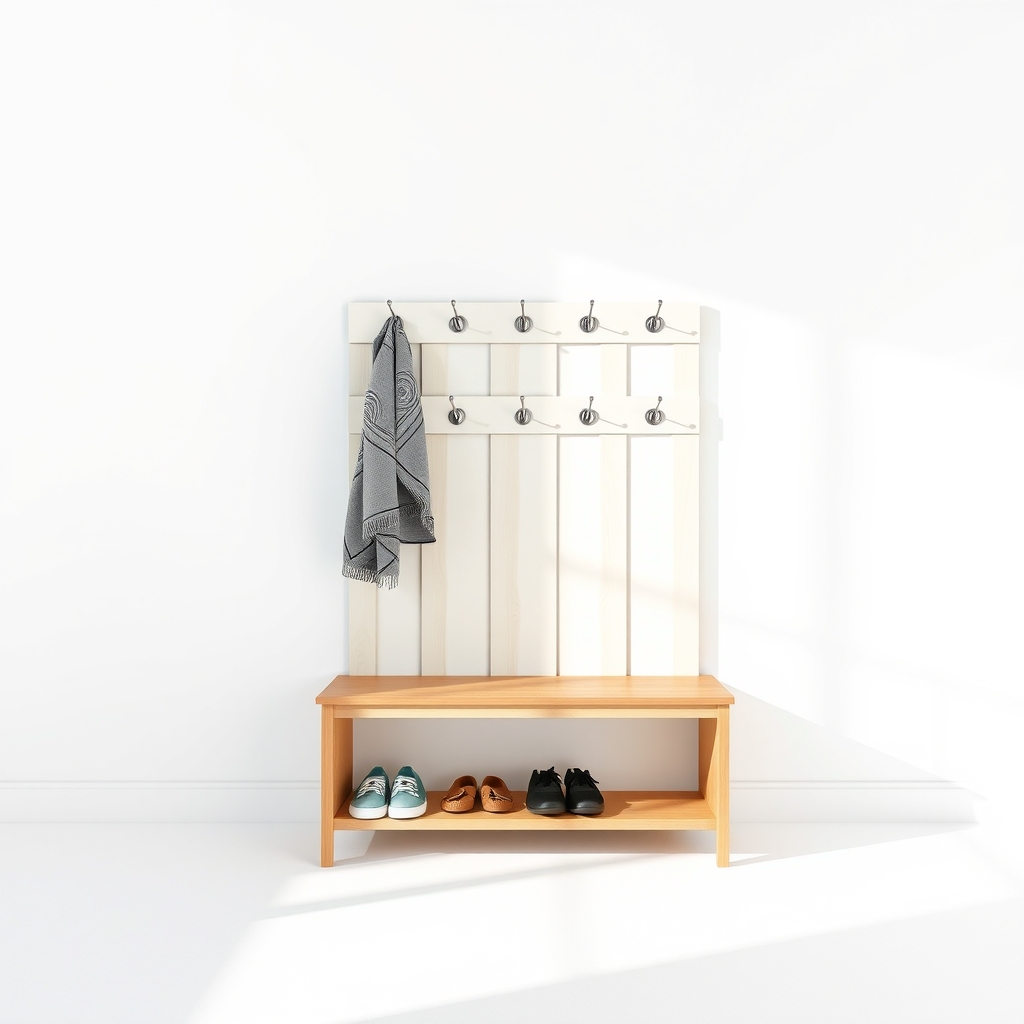 Entryway hall tree or bench with hooks and shoe storage | shoes and coats both piling up in a larger entry | Families with a wide entry who want a place to sit and store shoes in one piece. | Check price |
Wall-mounted entryway organizer with hooks and a shelf
Fixes: coats, bags and keys landing on the floor and furniture
Look for: A hook count that matches your household, with two or three spare; A top shelf deep enough for keys, mail and a hat; A listed weight rating for each hook and for the whole rack; Mounting hardware included, with stud screws or drywall anchors.
- Who it's for
- Households that want one tidy spot at the door and have bare wall space for it.
- Honest downside
- Your lease bans drilling, or your wall will not take a stud or anchor. Use adhesive hooks for light items only.
Wall hook rail
Fixes: no place to hang coats and bags
Look for: Sturdy metal or solid-wood hooks; A rail long enough for one hook per person; Mounting holes that line up with a stud.
- Who it's for
- Small entries with room for hooks but not a shelf, or anyone on a tight budget.
- Honest downside
- You also need a spot for keys and mail. Add a tray, or choose the rack with a shelf.
Entryway hall tree or bench with hooks and shoe storage
Fixes: shoes and coats both piling up in a larger entry
Look for: A seat sturdy enough for an adult putting on shoes; Open shoe storage under the seat; Hooks at several heights for adults and kids.
- Who it's for
- Families with a wide entry who want a place to sit and store shoes in one piece.
- Honest downside
- Your entry is narrow. A bench takes floor space, so a wall-mounted rack is the better fit.
As an Amazon Associate I earn from qualifying purchases. We don't show prices because they change, so use the button to see today's price.
How we picked: How we picked: this page is based on home-organizing guides, mounting instructions from wall rack makers, and the problems and fixes owners report in reviews. We do not test products by hand.
How to mount a wall rack so it holds
- Find the studs with a stud finder and mark them with a pencil.
- Hold the rack against the wall at hook height and mark the screw holes with a level on top.
- If a hole lands on a stud, drive the screw straight in. If not, use drywall anchors rated for more than the weight you plan to hang.
- Hang a loaded coat and a bag on it and give it a firm tug before you trust it.
What to skip
Adhesive hooks for heavy winter coats
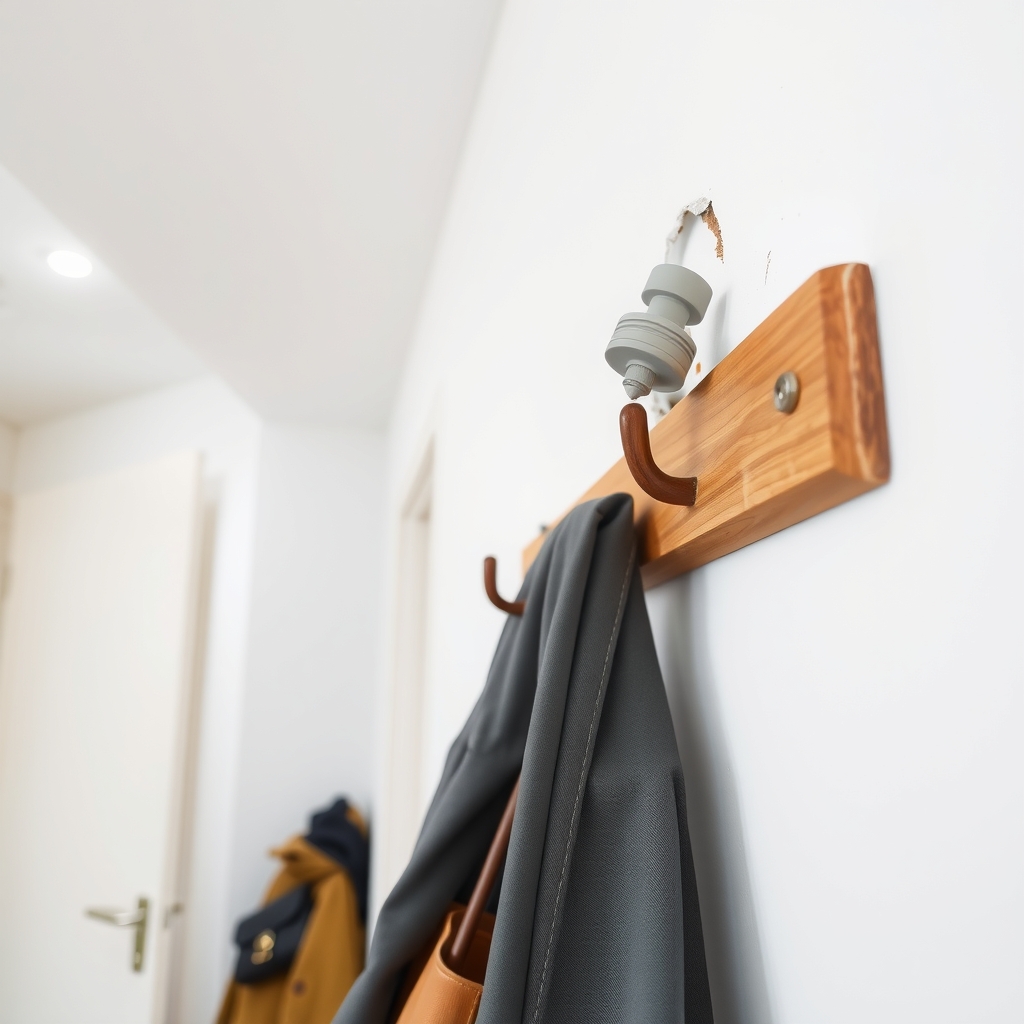
Stick-on hooks are rated for light loads. A wet wool coat plus a bag can pull them off the wall and take paint with them. Use them for hats and keys, and use screws for anything heavy.
Frequently asked questions
How do I keep my entryway tidy with kids?
Where should shoes go in a small entryway?
How high should I mount entryway hooks?
Related problems
As an Amazon Associate I earn from qualifying purchases. Affiliate disclosure