Coat Rack Keeps Falling Off the Wall? Anchors That Hold in Drywall
Screws alone and the little plastic plugs in the box pull out of soft drywall. Find a stud, or use a heavy-duty anchor made for the weight of your coats.
By Jamilur Rahman Updated November 5, 2026 · 6 min read
- Time
- 30 min
- Cost
- Under $20
- Difficulty
- Medium
In this guide
Quick answer
Drywall is soft, crumbly gypsum, so a screw or the small plastic plug that comes with a coat rack pulls straight out once coats, bags and wet jackets load it. The strongest fix is a screw into a wall stud. Where no stud lines up, use a heavy-duty hollow-wall anchor, such as a toggle bolt or a snap-toggle, rated for well over the weight you plan to hang. Choose the anchor by its rating, not by what was in the box.
Free fix vs. permanent fix
Find a stud and screw into it
- Find the studs, usually about 16 inches apart
- Mark the rack height with a level and pencil
- Drill a pilot hole and drive long wood screws into the stud
- Load the rack evenly, heavy coats nearest the studs
How long it lasts: As long as the wall does, if a stud sits behind the mounting holes. A screw in a stud holds most coat racks for years.
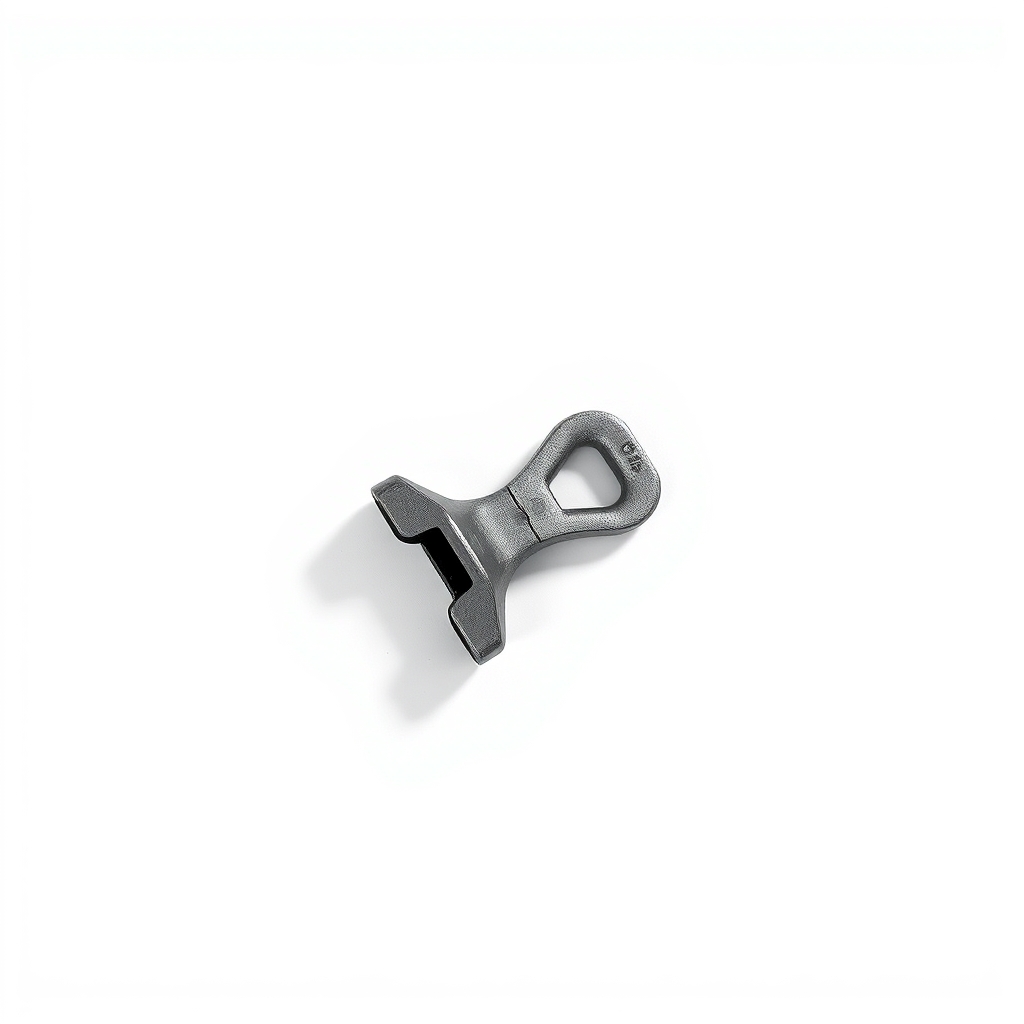
Heavy-duty hollow-wall drywall anchors
Most coat racks do not line up with studs. A toggle or heavy-duty hollow-wall anchor opens behind the drywall and spreads the load across a wide area, instead of relying on the crumbly gypsum around a screw thread. That is the difference between a rack that hangs for years and one that pulls out in a month.
What to get: Heavy-duty hollow-wall drywall anchors (toggle or snap-toggle)
How long it lasts: Years, when rated for the load and set in a clean hole.
As an Amazon Associate I earn from qualifying purchases.
What you'll need
- Illustration
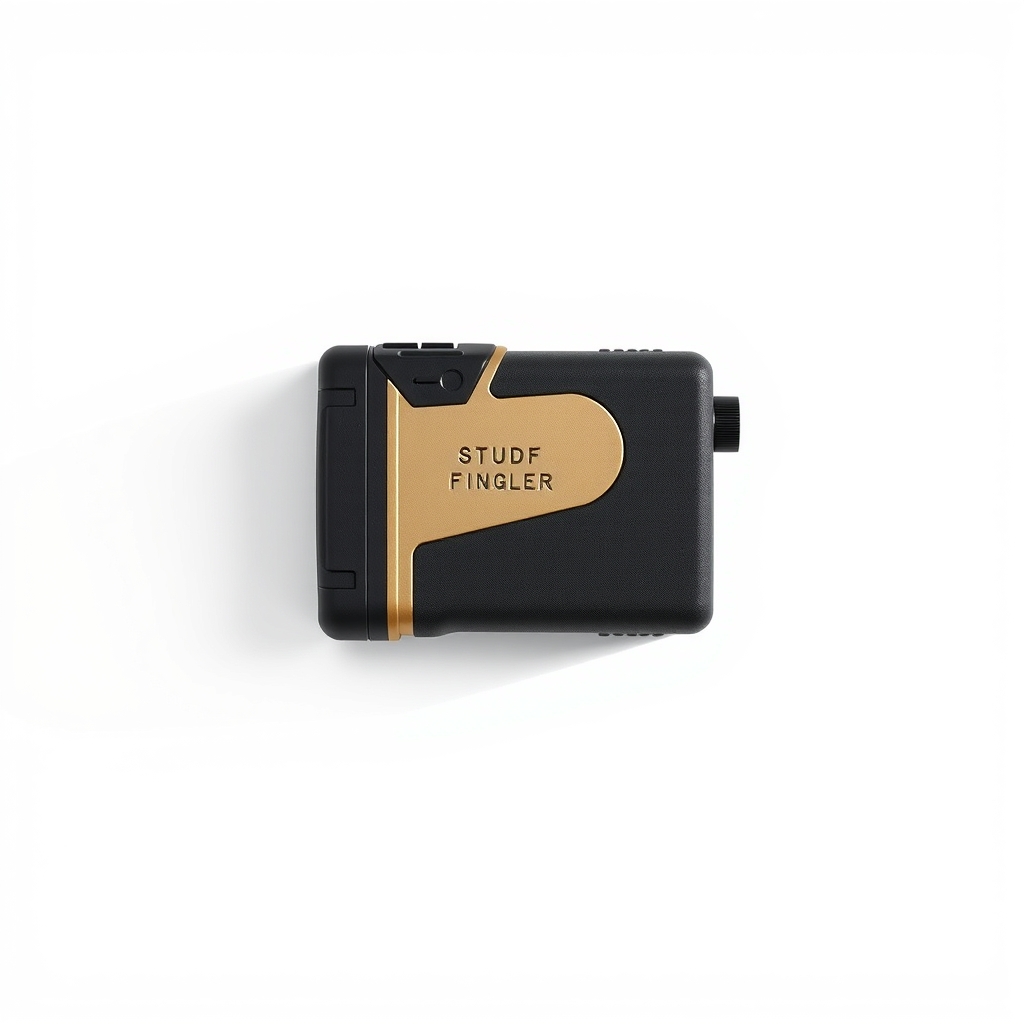
Stud finder
Finds the studs, and many also warn of live wires
-
Drill and drill bits
For pilot holes and anchor holes
You have it -
Level and pencil
Keeps the rack straight
You have it -
Screwdriver
Drives the screws and sets the anchors
You have it - Our pick Illustration
Heavy-duty drywall anchors
Toggle or snap-toggle type, for where no stud lines up
- Illustration
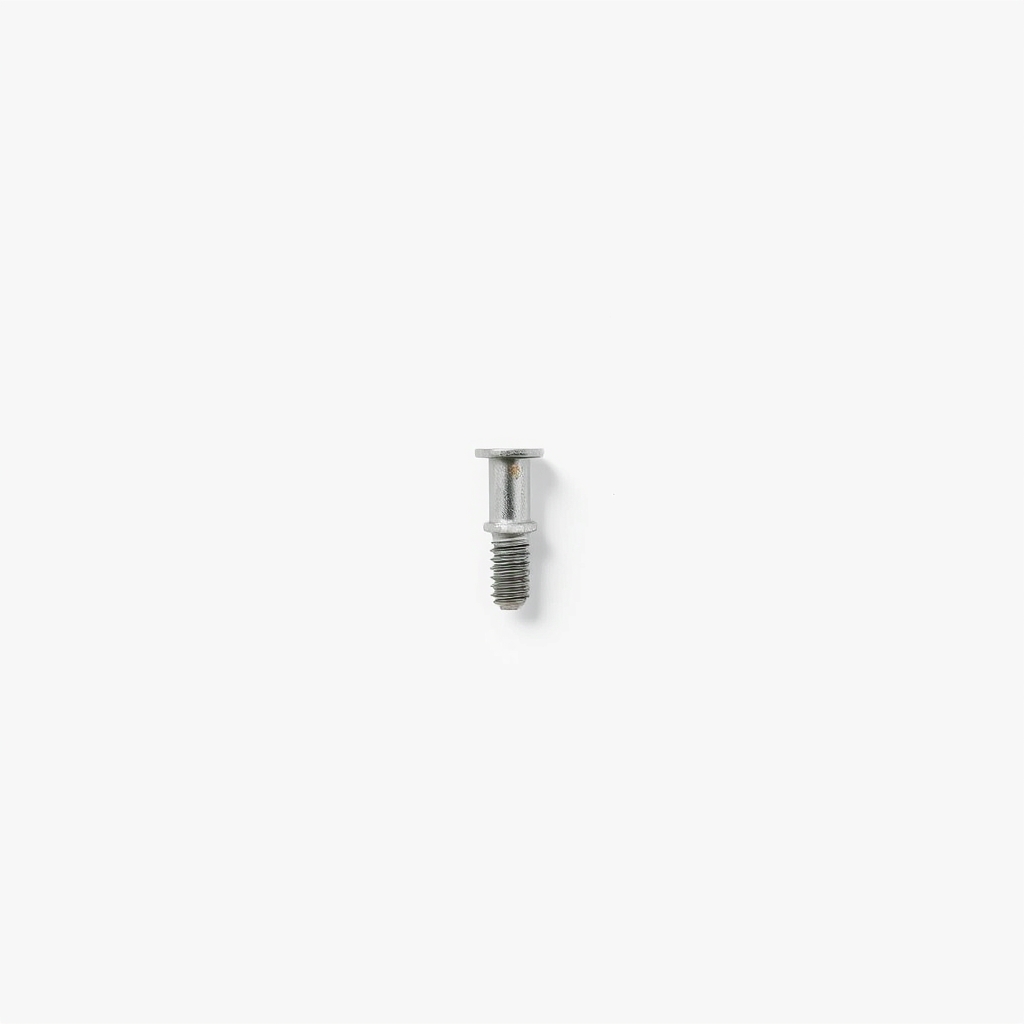
Self-drilling drywall anchors
Cheaper and easier, for light jackets
Why it happens
Screws going straight into drywall
Drywall has little holding power. A screw with no anchor pulls out as soon as it takes a load, and wet coats and full backpacks add weight.
Weak plastic plugs in the box
The small ribbed plugs supplied with racks are made for light loads. A coat rack pulls out and down at an angle, which is harder on an anchor than a straight pull.
The wrong anchor for the weight
Anchor ratings come from test conditions in thick, sound drywall. Pick one rated well above your real load, since coats, bags and hanging keys all add up.
A hole that has already been chewed out
Once a screw spins in an old hole, the paper face is torn and nothing bites. Driving a new screw into the same spot will not hold.
Try this first (free)
Do these in order, starting with the simplest.
-
Check what is behind the wall
Tool used: Stud finderRun a stud finder with wire detection over the spot. Stay clear of the area directly above and below outlets and switches, where cables often run. If you hit a pipe or cable, stop.
IllustrationCheck price on AmazonTool for this step
Stud finder · Finds the studs, and many also warn of live wires
-
Mark the studs and the rack height
Tool used: Level and pencilStuds are usually 16 inches apart, sometimes 24. Mark the center of each stud, pick a height where coats will not drag on the floor and draw a level line.
-
Screw into a stud if the holes line up
Tool used: Drill and drill bitsDrill a pilot hole slightly narrower than the screw, then drive 2 to 2 1/2 inch wood screws straight into the stud. This is the strongest mount.
-
Use an anchor where no stud lines up
Tool used: Heavy-duty drywall anchorsDrill the hole size printed on the anchor pack, set the anchor following its instructions and screw the rack on. A toggle bolt needs a bigger hole than you may expect, so read the pack first.
IllustrationCheck price on AmazonTool for this step
Heavy-duty drywall anchors · Toggle or snap-toggle type, for where no stud lines up
-
Fix a blown-out hole first
If an old hole is chewed up, fill it with spackle and let it dry, or move the rack a few inches and drill fresh holes. Never try again in a hole where the screw spins.
-
Load it evenly
Hang heavy coats on the hooks nearest the studs or anchors, and do not pile bags on one hook. A small rack with three heavy coats can still fail.
When free fixes aren't enough
A stud is stronger than any anchor, but studs rarely line up with the holes in a rack, and moving the rack to a stud may not suit the hallway. In that case an anchor is the answer. A rack that has already fallen is at its limit, so do not put the same screw back in the old hole. If it still pulls out with rated anchors, the load is too heavy, or the wall is plaster and lath, tile or masonry, where drywall anchors are not made to work. In a rental, check the lease first, since small holes are usually patched with spackle.
Buy the fix
Still stuck after the free fixes? These are the products we would look at.
| Pick | Product | Fixes | Who it's for | Buy |
|---|---|---|---|---|
| Best pick | Heavy-duty hollow-wall drywall anchors (toggle or snap-toggle) | a rack that pulls out of drywall where no stud lines up | Anyone hanging a coat rack with heavy winter coats and bags. | Check price |
| Budget pick | Self-drilling threaded drywall anchors | light to medium coat racks in drywall with no stud | Renters or beginners hanging a small rack with light jackets. | Check price |
Heavy-duty hollow-wall drywall anchors (toggle or snap-toggle)
Fixes: a rack that pulls out of drywall where no stud lines up
Look for: A rating well above the weight of your fully loaded rack; A toggle or wing that opens behind the board; Matching screws or bolts in the pack; A drill bit size printed on the pack.
- Who it's for
- Anyone hanging a coat rack with heavy winter coats and bags.
- Honest downside
- The mounting holes line up with studs, so just use screws. Also skip them on plaster-and-lath or tile, which need other anchors.
Self-drilling threaded drywall anchors
Fixes: light to medium coat racks in drywall with no stud
Look for: Metal anchors, not plastic; A load rating listed for your drywall thickness, where 1/2 inch is common; Screws included.
- Who it's for
- Renters or beginners hanging a small rack with light jackets.
- Honest downside
- You will hang heavy coats or bags. Use toggles instead. Also skip them in soft or damaged drywall.
As an Amazon Associate I earn from qualifying purchases. We don't show prices because they change, so use the button to see today's price.
How we picked: How we picked: this page is based on anchor and fastener guides from hardware makers, home-improvement instructions for mounting into studs, and the problems and fixes people report in reviews. We do not test products by hand.
Which anchor for which job
- On a stud: 2 to 2 1/2 inch wood screws, no anchor needed.
- No stud, light jackets: self-drilling threaded anchors.
- No stud, heavy coats and bags: toggle bolts or snap-toggles.
- Plaster-and-lath, tile or masonry: these need different anchors, so ask at a hardware store.
What to skip
The plastic plugs from the box, and over-tightening
Skip the plastic plugs for anything heavier than a light jacket. Skip over-tightening, which crushes the drywall around the anchor and cuts its holding power. And skip adhesive strips for a loaded rack unless their weight limit clearly covers it.
Frequently asked questions
How do I install a coat rack on drywall?
How much weight can a drywall anchor hold?
How high should I mount a coat rack?
Can I reuse a hole the rack tore out?
Related problems
As an Amazon Associate I earn from qualifying purchases. Affiliate disclosure