How to Store Coats Without a Closet: 4 Setups for Any Entry
No coat closet or entryway? Pick a spot by the door and one of four setups. A sturdy freestanding rack is the easiest, and it needs no drilling.
By Jamilur Rahman Updated November 5, 2026 · 6 min read
- Time
- 20 min
- Cost
- $20-$50
- Difficulty
- Easy
In this guide
Quick answer
To store coats without a closet, give them one spot right next to the door and keep only this season's coats there. Four setups cover almost any entry: a freestanding rack, over-the-door hooks, wall hooks or a rail, and a slim rolling rack. A freestanding coat rack is the easiest, because it needs no drilling and fits a corner of any room. Choose one with a wide, heavy base so it does not tip.
Free fix vs. permanent fix
One spot, current coats only
- Choose a spot within a few steps of the door
- Keep only this season's coats there
- Hang one or two on the back of an interior door
- Bag the off-season coats and store them under the bed
How long it lasts: As long as you stick to it. With no hooks to hang on, coats drift back to chairs and the sofa.
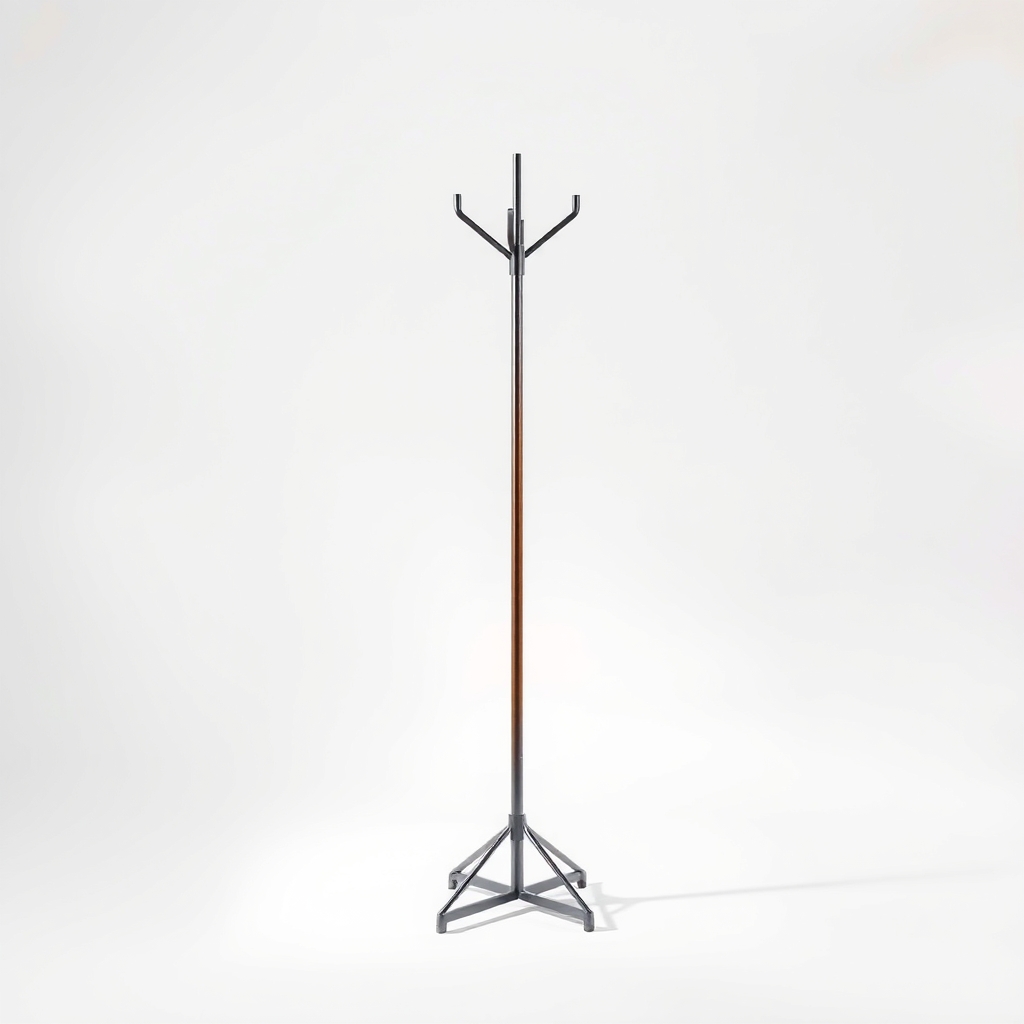
A freestanding coat rack with a heavy, wide base
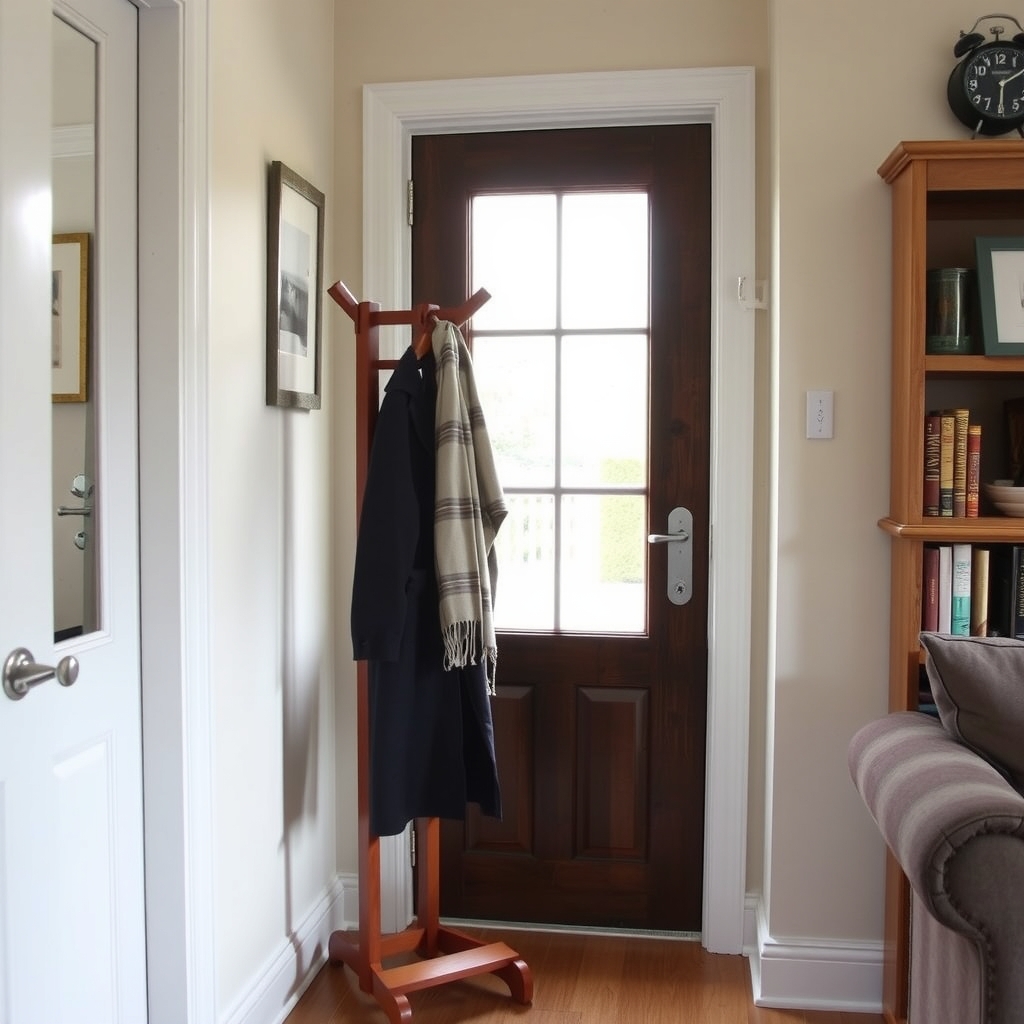
Coats pile up when they have no home at the door. A rack gives each person a hook within reach, with no holes in the wall. A weighted base keeps it upright when it is loaded, so the coats stay off the sofa.
What to get: Freestanding coat rack with a heavy base
How long it lasts: Years. It stands in any corner and goes with you when you move.
As an Amazon Associate I earn from qualifying purchases.
What you'll need
-
Tape measure
To check the corner and the door swing
You have it -
Zip bag or bin for off-season coats
Keeps the rack to coats you wear now
You have it -
Back of an interior door
Hang one or two coats there while you decide
Free - Our pick Illustration
Freestanding coat rack
Look for a heavy base and hooks at mixed heights
- Illustration
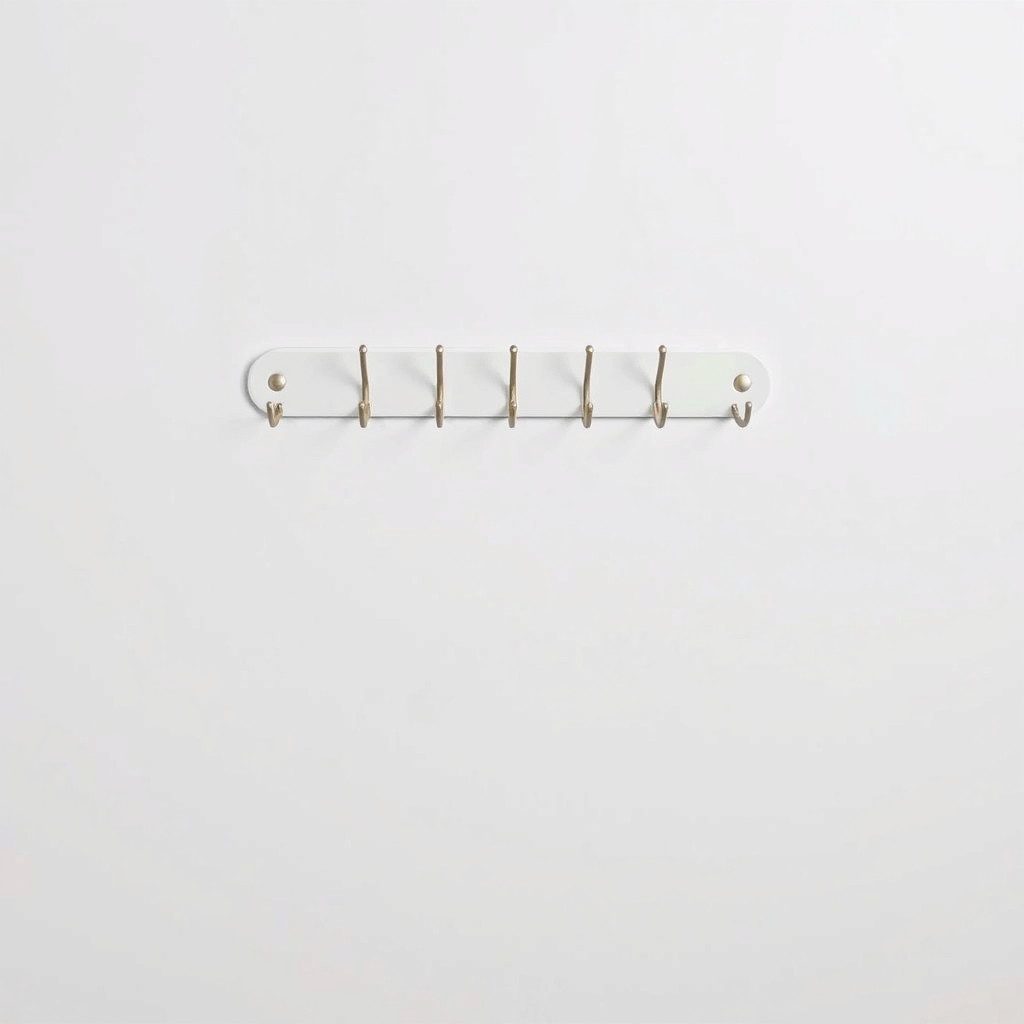
Over-the-door hook rack
Uses no floor space at all
- Illustration
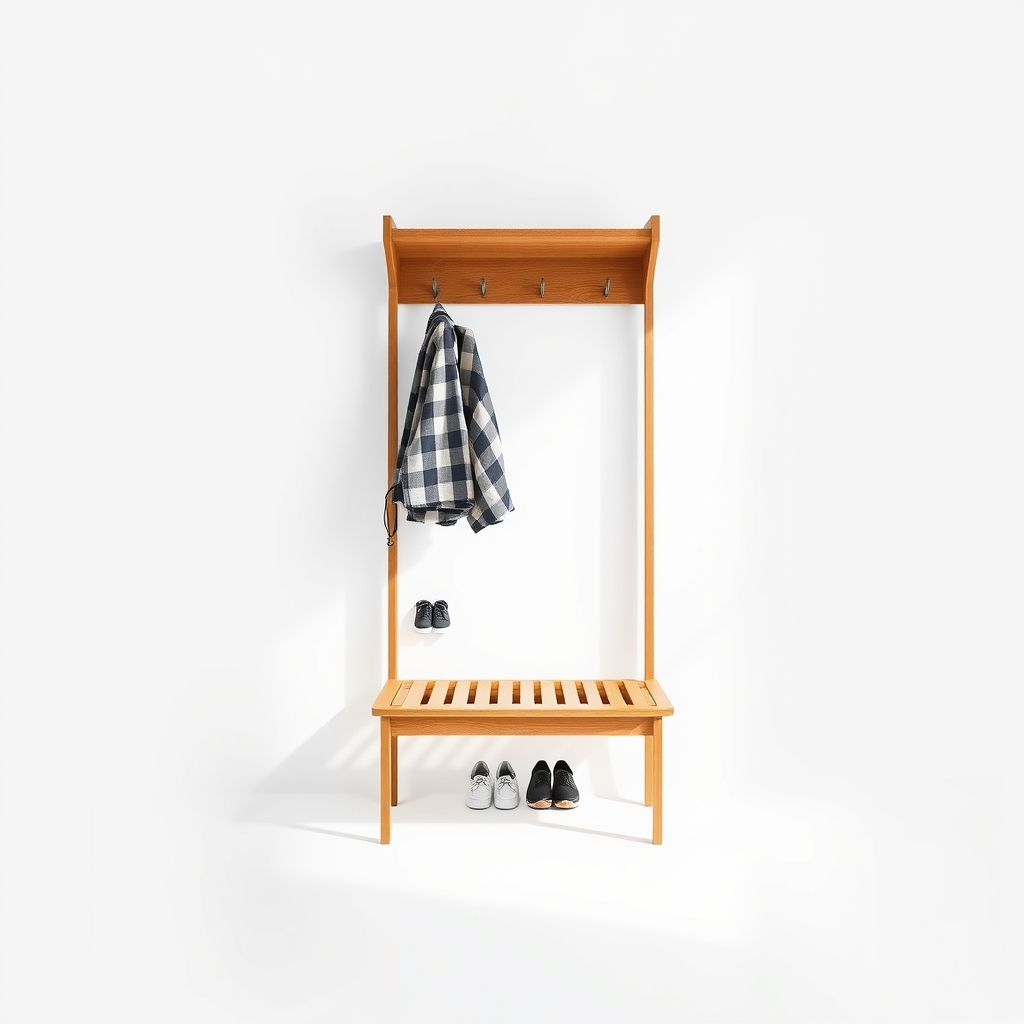
Hall tree with bench and shoe shelf
Adds seating and shoe storage if you have the wall
Why it happens
No landing spot at the door
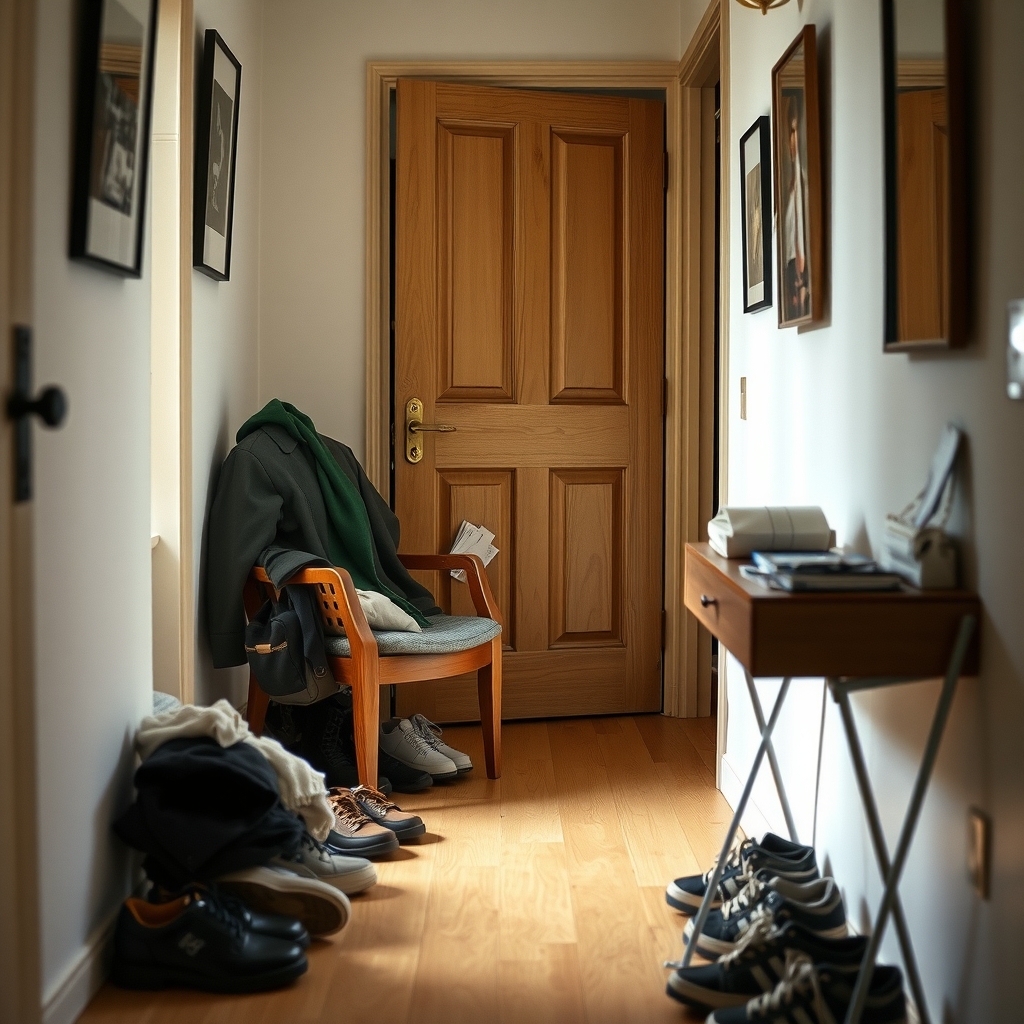
When a coat has no hook within reach of the door, it lands on the nearest chair or sofa. After a week, that pile becomes the default.
Every coat out at once
Winter coats, light jackets and raincoats all compete for a few hooks. Keeping only the current season at the door shrinks the problem.
The wrong hook for the space
Wall hooks need a stud or an anchor. Stick-on hooks give up under a wet winter coat. A tall rack in a narrow hall gets knocked every day.
Try this first (free)
Do these in order, starting with the simplest.
-
Pick the spot
Tool used: Tape measureChoose the nearest corner or wall within a few steps of the door, clear of the door swing. A freestanding rack needs about two by two feet of floor, and the walkway beside it must stay open.
-
Keep this season's coats only
Tool used: Zip bag or bin for off-season coatsLeave one or two coats per person by the door. Move the off-season ones into a zip bag or bin and slide it under the bed. This cuts the number of hooks you need.
-
Use the back of a door
Tool used: Back of an interior doorHang a coat or two on the back of an interior door while you decide. It is free and uses no floor. A hook rack there makes it permanent.
-
Hang by weight
Tool used: Freestanding coat rackPut heavy coats on the lowest hooks and light jackets and bags up high. Keep one heavy bag from hanging on a single hook. This keeps a freestanding rack steady.
IllustrationCheck price on AmazonTool for this step
Freestanding coat rack · Look for a heavy base and hooks at mixed heights
When free fixes aren't enough
Free works while coats are few. With three or more coats, plus bags, scarves and hats, the back of a door and a chair run out fast, and the pile is back by the end of the week. A rack gives everyone a hook and a spot for bags at head height. Its honest limit is stability: a light or top-heavy rack will tip when you load one side. Choose a wide, heavy base and hang heavy coats low. In a very narrow hall, go over-the-door or wall-mounted instead.
Buy the fix
Still stuck after the free fixes? These are the products we would look at.
| Pick | Product | Fixes | Who it's for | Buy |
|---|---|---|---|---|
| Best pick | Freestanding coat rack with a heavy base | coats with no home when there is no closet | Anyone with a free corner by the door who does not want to drill. | Check price |
| Budget pick | Over-the-door hook rack | coats off the sofa with no floor space used | Renters with a spare door who need only a few hooks. | Check price |
| Upgrade pick | Hall tree with bench and shoe shelf | coats, shoes and bags all in one spot at the door | A household that wants seating and shoe storage, with about three feet of free wall. | Check price |
Freestanding coat rack with a heavy base
Fixes: coats with no home when there is no closet
Look for: A wide, weighted base that resists tipping; Eight or more hooks at mixed heights; A solid steel or hardwood pole, not thin tubing; A listed weight capacity.
- Who it's for
- Anyone with a free corner by the door who does not want to drill.
- Honest downside
- The hall is narrow or the door swings into that spot. Use wall hooks or an over-the-door rack.
Over-the-door hook rack
Fixes: coats off the sofa with no floor space used
Look for: A fit for your door's thickness; Foam or rubber backing to protect the door; Hooks that carry a winter coat.
- Who it's for
- Renters with a spare door who need only a few hooks.
- Honest downside
- The door will not close with it on, or you need to hang more than three or four coats.
Hall tree with bench and shoe shelf
Fixes: coats, shoes and bags all in one spot at the door
Look for: A base wide enough to stay upright; A seat that holds an adult; A weight capacity for coats and bags; Wall anchor hardware included.
- Who it's for
- A household that wants seating and shoe storage, with about three feet of free wall.
- Honest downside
- You have little floor space or the unit is deeper than the walkway allows.
As an Amazon Associate I earn from qualifying purchases. We don't show prices because they change, so use the button to see today's price.
How we picked: How we picked: this page is based on small-entry organizing guides, weight-capacity and anchoring notes from coat-rack makers, and the problems and fixes people report in reviews of freestanding racks. We do not test products by hand.
The 4 setups, and which entry each suits
- Freestanding rack: any corner near the door; no drilling.
- Over-the-door hooks: a door you do not use every day; no floor space needed.
- Wall hooks or a rail: you can drill into studs or use proper anchors; best for a narrow hall.
- Slim rolling rack: a long wall or hall, when you need to hang several coats and move them away.
What to skip
Stick-on hooks for heavy coats
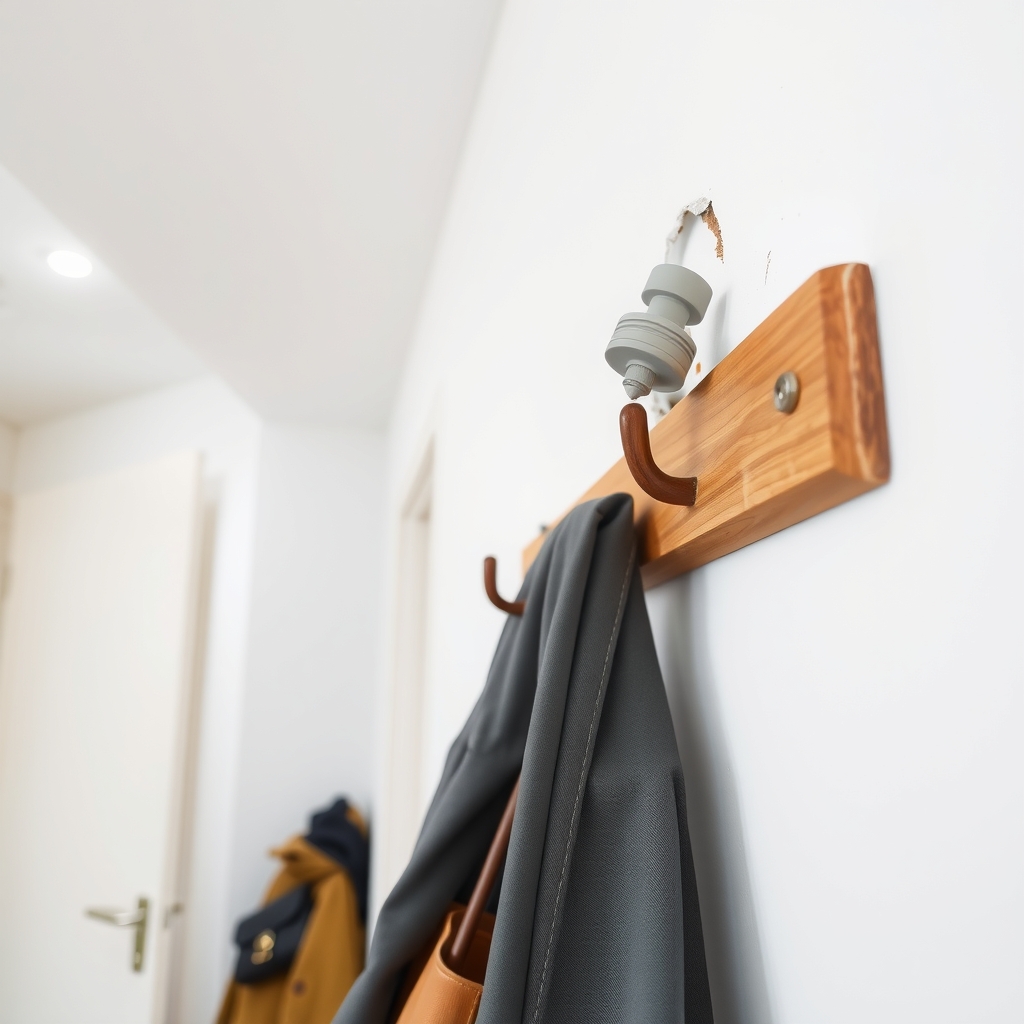
Adhesive hooks often let go under a wet winter coat and can pull paint with them. Use them only for light scarves and bags, and check the weight rating on the pack.
Frequently asked questions
What can I use instead of a coat closet?
How do I make an entryway when I do not have one?
How many hooks do I need?
How do I stop a coat rack tipping over?
Related problems
As an Amazon Associate I earn from qualifying purchases. Affiliate disclosure