How to Keep an Entryway Clean in Winter: The Boot Tray Setup
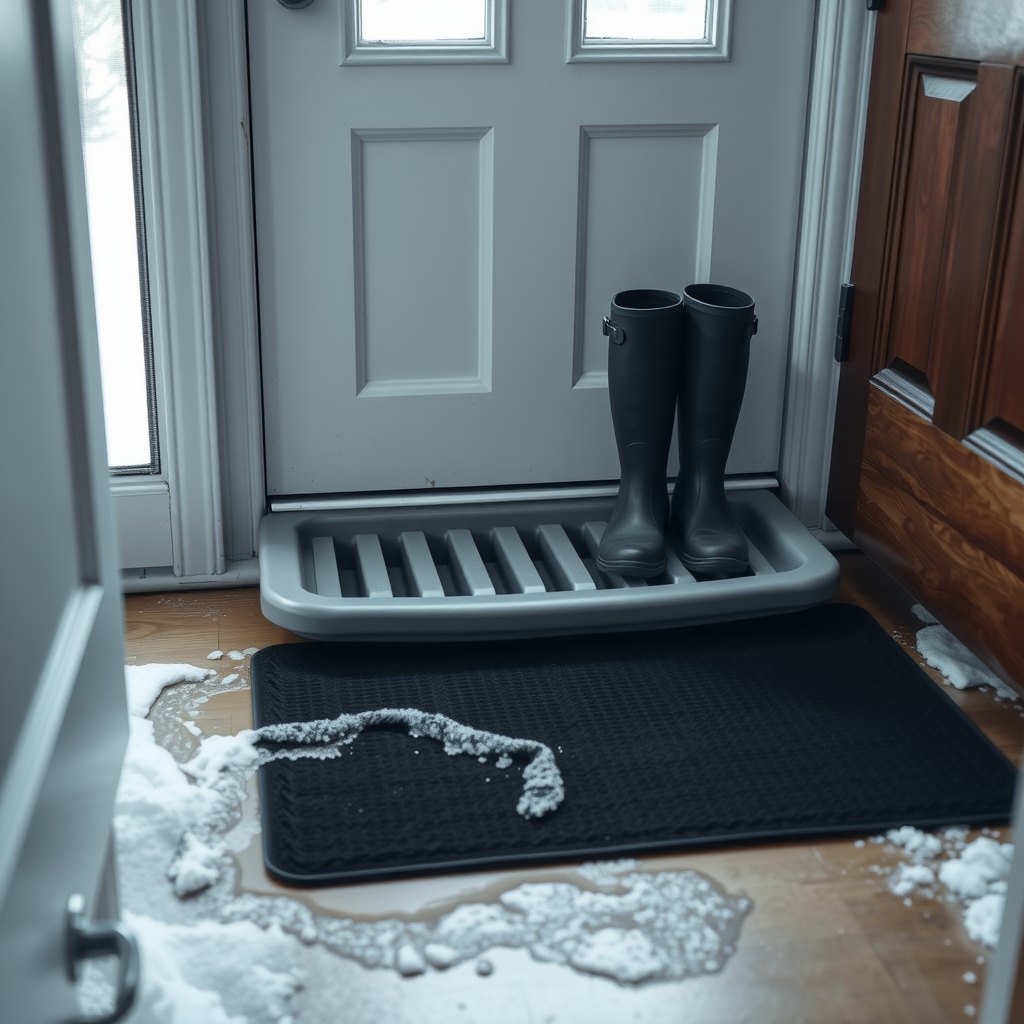
Slush, salt and sand walk straight onto your floor. A mat to wipe on and a lipped tray to park boots in keep it all at the door.
By Jamilur Rahman Updated November 5, 2026 · 6 min read
- Time
- 20 min to set up
- Cost
- $20-$50
- Difficulty
- Easy
In this guide
Quick answer
To keep an entryway clean in winter, stop the mess at the door: stomp outside, take boots off inside and park them on a lipped boot tray, with an absorbent mat to catch the rest. That setup holds slush, sand and meltwater in one spot, so it never reaches your floor or carpet. A weekly vinegar wipe handles the white salt marks that get past it.
Free fix vs. permanent fix
Shoes off, stomp and wipe
- Stomp snow off on an outside doormat
- Take boots off at the door
- Sweep or vacuum grit daily
- Wipe salt away weekly
How long it lasts: As long as everyone remembers. Melted snow and salt still need somewhere to drip, and that ends up on the floor.
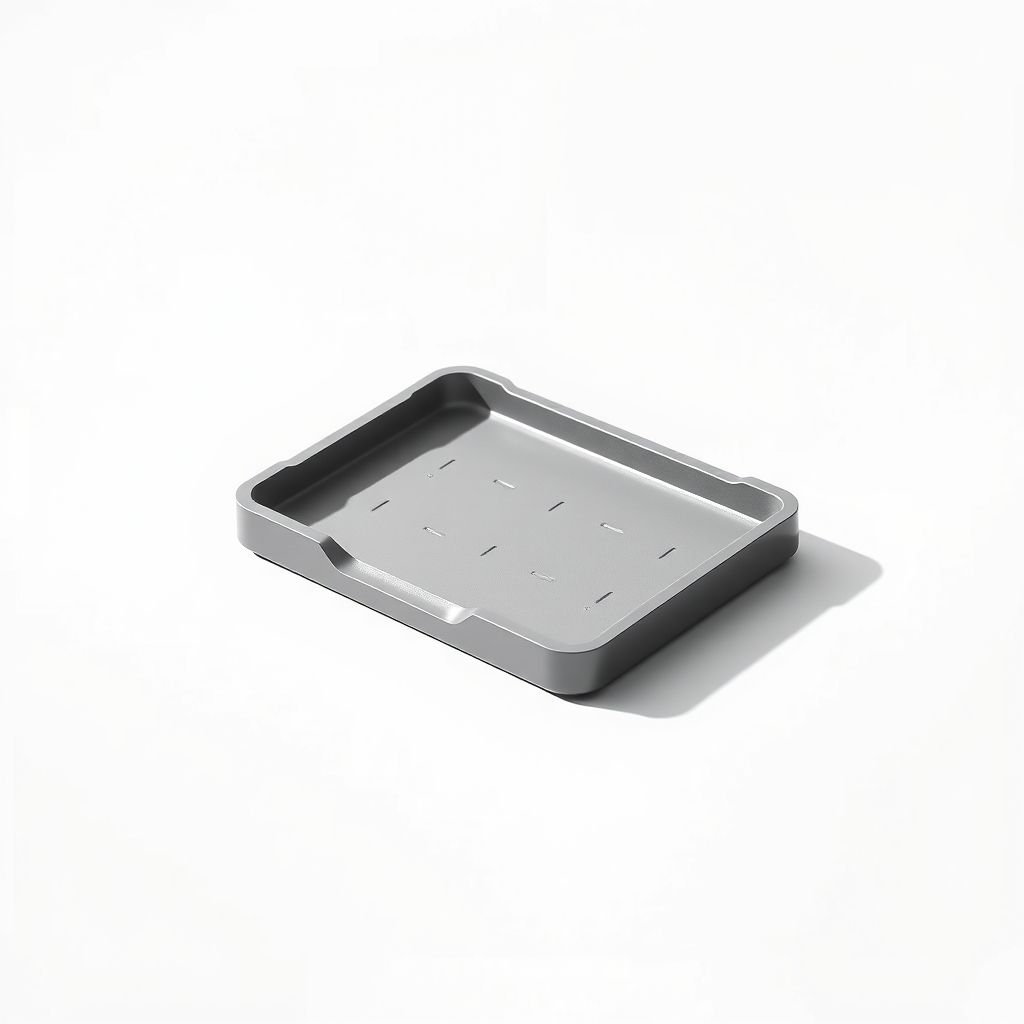
A lipped boot tray plus an absorbent entry mat
The tray has raised edges, so meltwater and salt stay in it and off the floor. The mat soaks up what soles carry in. Together they turn a messy habit into a spot you wipe in a minute.
What to get: Lipped boot tray
How long it lasts: Every winter. You rinse the tray and wash the mat weekly.
As an Amazon Associate I earn from qualifying purchases.
What you'll need
-
Outside doormat
A coarse mat scrapes off snow and sand
You have it -
White vinegar and warm water
Mix 1 to 1 to dissolve salt marks
You have it -
Microfiber cloth or mop
For salt and wet footprints
You have it - Our pick Illustration
Boot tray
Pick a lipped tray that fits your boot count
- Illustration
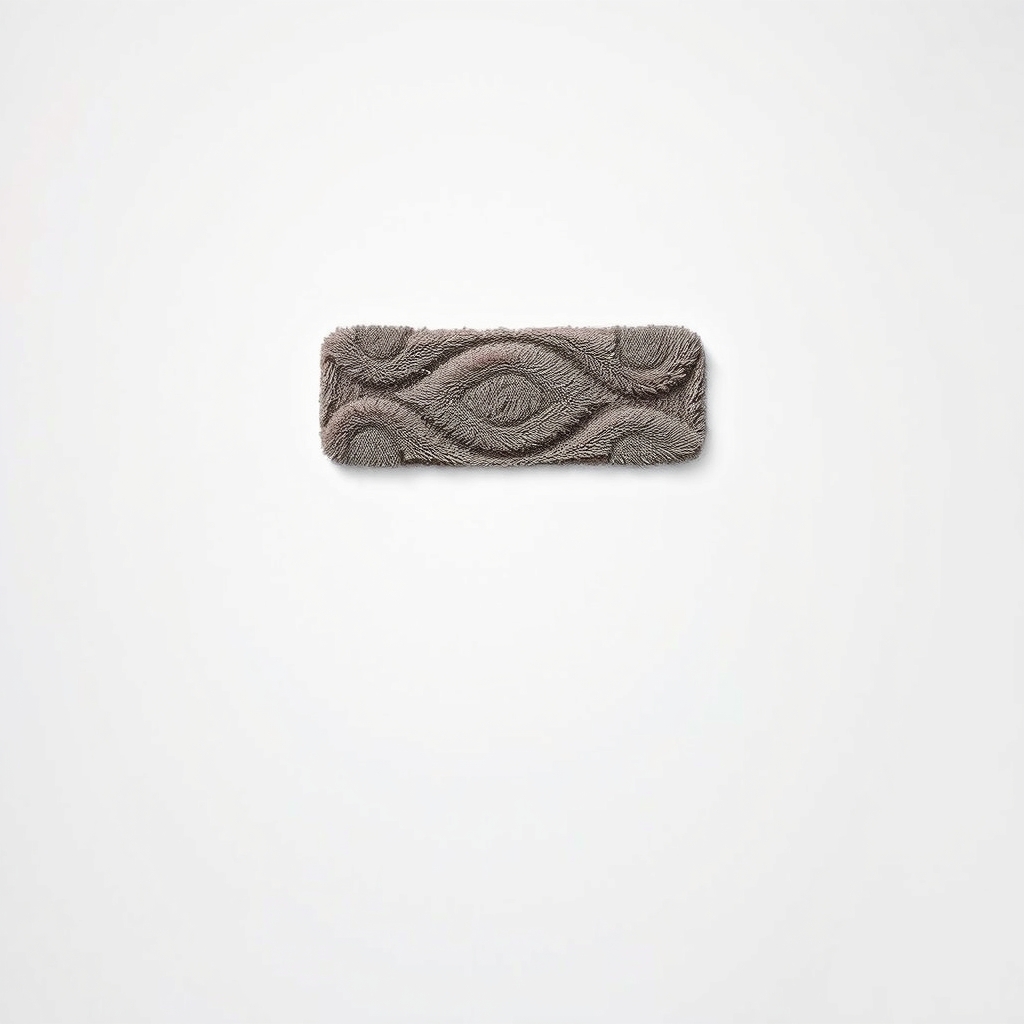
Absorbent entry mat
Washable, with a non-slip backing
Why it happens
Slush and sand on soles
Boots carry wet grit in with every step. It scratches wood and tile and grinds into carpet.
De-icing salt
Salt dries to a white film on floors and carpet. It can dull wood and stain fabric if it sits.
Meltwater with nowhere to go
Snow melts off boots and coats and spreads across the floor. A damp spot near the door stays wet, which wears the finish and can swell wood.
Try this first (free)
Do these in order, starting with the simplest.
-
Make shoes off at the door the rule
Shoes off the moment people step inside is the single biggest fix. It also keeps dirt out of the rest of the house.
-
Stomp on a coarse mat outside
Tool used: Outside doormatA bristly outside doormat scrapes off packed snow and sand before it comes in. Stamp for a count of five.
-
Park boots on the tray
Tool used: Boot trayPut the tray against the wall inside the door, away from the walkway, and stand wet boots on it. The raised lip holds the meltwater in. Empty it when it fills.
IllustrationCheck price on AmazonTool for this step
Boot tray · Pick a lipped tray that fits your boot count
-
Lay the absorbent mat in the walking path
Tool used: Absorbent entry matPut it just inside the door, so anyone who keeps their shoes on can wipe the soles. Shake it out outside each day.
IllustrationCheck price on AmazonTool for this step
Absorbent entry mat · Washable, with a non-slip backing
-
Sweep or vacuum grit every day
A quick pass picks up sand before it scratches the floor. Do the mat's edges too.
-
Wipe salt away weekly
Tool used: White vinegar and warm waterMix white vinegar and warm water 1 to 1, wipe the floor with a damp microfiber cloth and then wipe again with plain water. Skip vinegar on natural stone such as marble, which it can etch.
When free fixes aren't enough
If you still find puddles and white salt rings every week, shoes off alone is not catching the water. Boots and coats keep dripping long after they are off. A tray and an absorbent mat give that water a place to go and make the clean-up one wipe. Choose a rubber or PVC tray with a real lip, since flat trays let water run over the edge.
Buy the fix
Still stuck after the free fixes? These are the products we would look at.
| Pick | Product | Fixes | Who it's for | Buy |
|---|---|---|---|---|
| Best pick | Lipped boot tray | meltwater, slush and salt spreading across the entryway floor | Anyone whose entryway has hardwood, tile or carpet and sees snow or rain. | Check price |
| Upgrade pick | Absorbent washable entry mat | wet soles and salt carried in on shoes that stay on | Busy doors where people wipe their feet and hold shoes on. | Check price |
Lipped boot tray
Fixes: meltwater, slush and salt spreading across the entryway floor
Look for: A raised lip all the way around to hold meltwater; Rubber or PVC that wipes clean and will not crack in the cold; Large enough for your family's boots, with a non-slip underside.
- Who it's for
- Anyone whose entryway has hardwood, tile or carpet and sees snow or rain.
- Honest downside
- The entry is very narrow and the tray would block the door. Measure the space and the swing first.
Absorbent washable entry mat
Fixes: wet soles and salt carried in on shoes that stay on
Look for: A fast-absorbing top such as microfiber or chenille; A non-slip rubber backing; Machine-washable, in a size that fits your doorway.
- Who it's for
- Busy doors where people wipe their feet and hold shoes on.
- Honest downside
- The door swings over a thick rug or carpet. A thick mat may catch and trip people.
As an Amazon Associate I earn from qualifying purchases. We don't show prices because they change, so use the button to see today's price.
How we picked: How we picked: this page is based on floor and carpet care guides, winter salt-stain advice, and the problems and fixes owners report in reviews of boot trays and entry mats. We do not test products by hand.
How to keep an entryway floor clean: hard floor or carpet
On hard floors, sweep daily and damp-mop weekly with the vinegar mix to lift salt. Dry the spot by the door, since standing water dulls wood. On carpet, vacuum daily and use a mat or runner as a barrier. Salt sits in carpet fibers, so rinse and blot rather than rub.
How to keep an entryway dry in winter
Stand wet boots on a tray, hang coats on wall hooks and not over a chair, and leave wet gloves to dry on a rack. Open a window a crack for a few minutes if the air feels damp. Wipe the tray when it fills so water does not spill.
What to skip
Thin decorative mats and flat trays
A thin fashion mat soaks up very little and slides on the floor. A flat tray with no lip lets water run straight over the edge. If it does not hold water, it is only decoration.
Frequently asked questions
How do I keep an entryway carpet clean in winter?
How do I get white salt stains off an entryway floor?
Do I need a mat outside and inside?
Can I put a boot tray on hardwood?
Related problems
 Free fix inside
Small Spaces & Storage · Entryway
How to Keep an Entryway Organized: Wall Racks That Catch the Clutter
Read the fix Free fix inside
Small Spaces & Storage · Coat Storage
How to Store Coats Without a Closet: 4 Setups for Any Entry
Read the fix Free fix inside
Small Spaces & Storage · Coat Rack
Coat Rack on a Door: Over-the-Door Hooks That Skip the Drill
Read the fix Free fix inside
Small Spaces & Storage · Entryway
Why Is My Hallway So Cold? Find the Draft and Stop It Cheaply
Read the fixAs an Amazon Associate I earn from qualifying purchases. Affiliate disclosure