Fish Tank Water Evaporating Fast? A Lid Fixes More Than Water Loss
A warm heater, a busy filter and an open top all pull water out. Measure the loss, slow it down, then fit a glass lid that also stops jumpers.
By Jamilur Rahman Updated November 5, 2026 · 6 min read
- Time
- 20 min
- Cost
- $20-$50
- Difficulty
- Easy
In this guide
Quick answer
To stop fish tank water from evaporating, cover the open top with a fitted glass lid. Water leaves fastest from warm water, a wide open surface and a busy filter, so a lid, a slightly lower heater setting and a calmer surface all help. Mark the waterline first so you can tell evaporation from a leak.
Free fix vs. permanent fix
Slow it down and top off
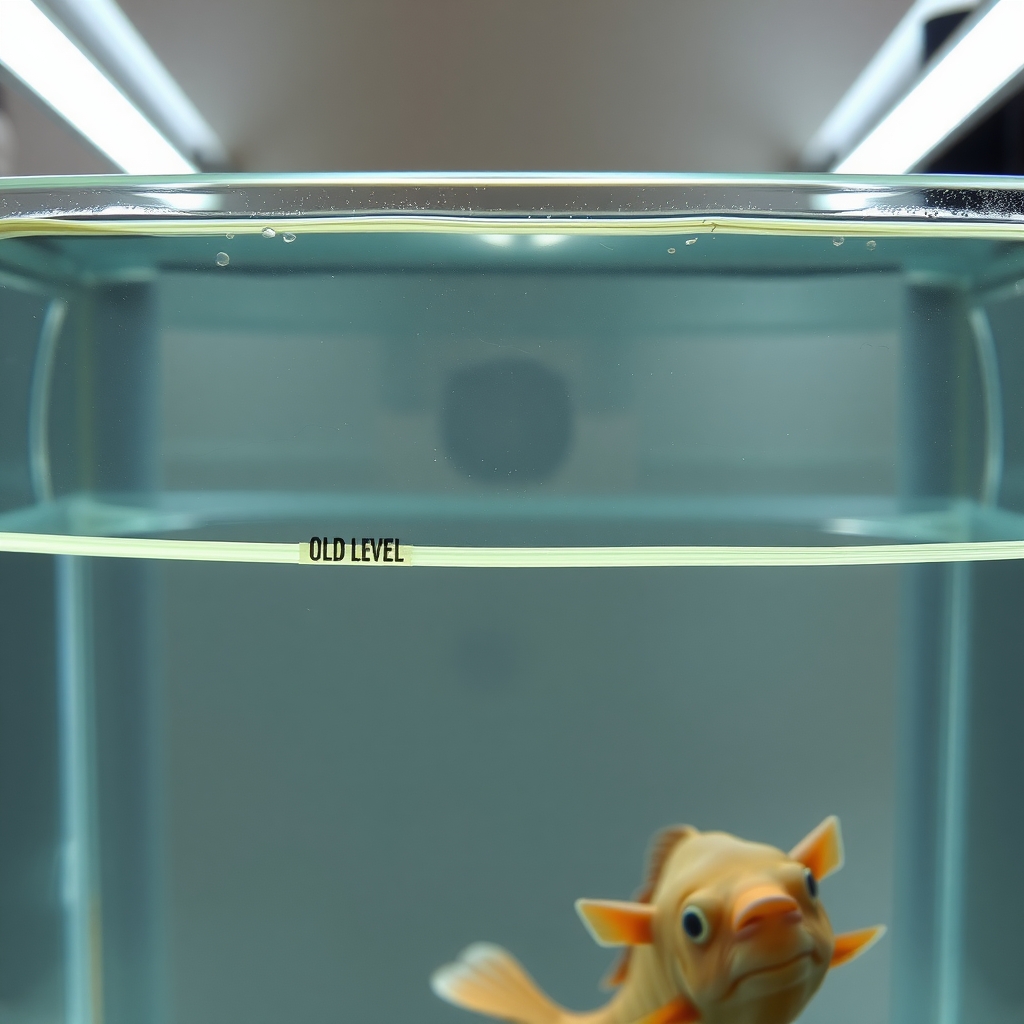
- Mark the waterline on the glass and check a day later
- Top off with dechlorinated water close to tank temperature
- Aim the filter outflow so it ripples the surface less
- Lower the heater a degree or two if your fish allow it
How long it lasts: It slows the loss a little. An open top keeps losing water every day, so you keep topping off.
A fitted aquarium glass lid
Evaporation happens at the surface. A lid keeps the humid air above the water instead of letting it drift off, so the tank loses far less. It also stops jumping, keeps out dust and holds heat in. Cut-outs let the filter and heater cords through.
What to get: Aquarium glass lid
How long it lasts: Years. Glass does not warp, and the lid works every day without you.
As an Amazon Associate I earn from qualifying purchases.
What you'll need
-
Tape or marker
To mark the waterline on the outside of the glass
You have it -
Measuring tape
To size the lid to the top frame
You have it -
Bucket
For topping off with dechlorinated water
You have it - Our pick Illustration
Fitted aquarium glass lid
Choose cut-outs for the filter and heater cord
- Illustration
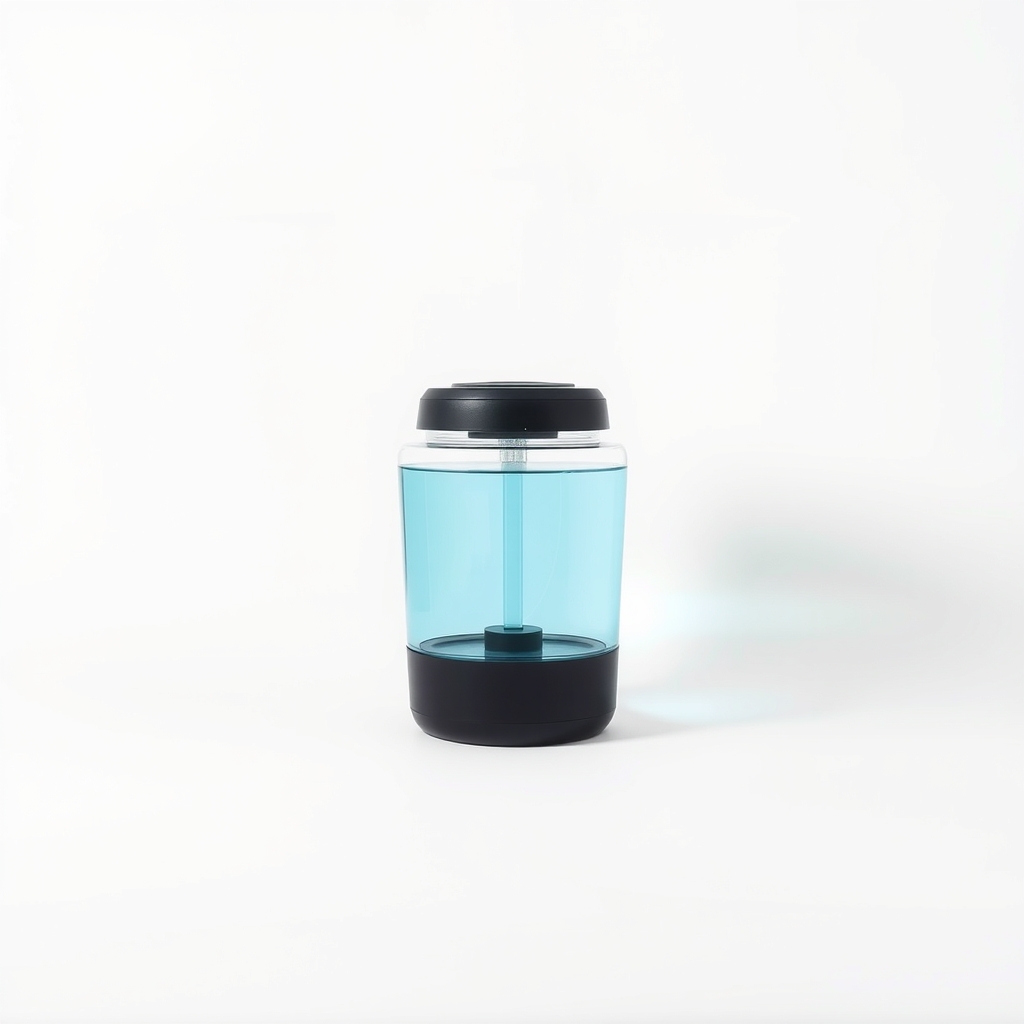
Aquarium auto top-off system
For big or saltwater tanks that still lose a lot
Why it happens
Warm water and an open top
Warmer water gives off more vapor. A heater set high, a hot light or a warm room speeds it up, and an open top lets the vapor escape.
A churning surface
Filter outflow that splashes the surface, an airstone or a spray bar all expose more water to the air, and that speeds up evaporation.
Dry room air
Winter heating and summer air conditioning both dry the room, so water leaves the tank faster.
A slow leak that looks like evaporation
If the level falls fast and the stand or floor under the tank is damp, it is not evaporation. See the page on a leaking tank.
Try this first (free)
Do these in order, starting with the simplest.
-
Mark the waterline
Tool used: Tape or markerStick a strip of tape on the outside of the glass at the water level. Look again in 24 hours. A small drop is normal. A fast drop, or a wet stand, points to a leak.
-
Top off with the right water
Tool used: BucketIn a freshwater tank, add dechlorinated tap water at about tank temperature. In a saltwater tank, top off with fresh purified water only, because salt stays behind when water evaporates.
-
Calm the surface
Point the filter outlet so it ripples the surface instead of churning it. Turn an airstone or spray bar down if your fish are comfortable.
-
Check the heater setting
Match the temperature to your fish's range, not above it. A lower setting slows evaporation a little.
-
Measure for a lid
Tool used: Measuring tapeMeasure the inside length and width of the top frame. Note where the filter, heater cord and feeding hole need cut-outs.
When free fixes aren't enough
If you still top off more than twice a week, the free fixes are not enough, because the open surface is the problem. A lid cuts most of the loss on its own. If a lid is not an option, such as a tall planted tank or a reef, an auto top-off system keeps the level steady for you. If the level keeps dropping and the stand is wet, stop looking at evaporation. That is a leak.
Buy the fix
Still stuck after the free fixes? These are the products we would look at.
| Pick | Product | Fixes | Who it's for | Buy |
|---|---|---|---|---|
| Best pick | Aquarium glass lid | fast evaporation, jumping fish and dust from an open top | Any open-top tank that needs topping off more than once or twice a week. | Check price |
| Upgrade pick | Aquarium auto top-off system | constant manual top-offs on a large or saltwater tank | Saltwater and big tanks, or anyone who is away for a few days. | Check price |
Aquarium glass lid
Fixes: fast evaporation, jumping fish and dust from an open top
Look for: Sized to your tank's top frame, so measure the inside of the rim; Cut-outs or a gap for the filter, heater cord and feeding; Hinged or lift-off panes so you can reach the water.
- Who it's for
- Any open-top tank that needs topping off more than once or twice a week.
- Honest downside
- Your tank already has a full hood, or you run a hot light that needs open airflow. Check the water temperature after fitting.
Aquarium auto top-off system
Fixes: constant manual top-offs on a large or saltwater tank
Look for: A reservoir that holds several days of water loss; A float or optical sensor that switches the pump on and off; A built-in shutoff or alarm so it cannot overfill.
- Who it's for
- Saltwater and big tanks, or anyone who is away for a few days.
- Honest downside
- You have a small freshwater tank with a lid already. It would be more gear than you need.
As an Amazon Associate I earn from qualifying purchases. We don't show prices because they change, so use the button to see today's price.
How we picked: How we picked: this page is based on aquarium care guides, lid and top-off equipment instructions, and what fish keepers report about evaporation, heat and jumping. We do not test products by hand.
What a glass lid does besides stop water loss
- Keeps fish in. Many species jump, and a jumper on the floor is a common loss.
- Keeps debris and pets out. Dust, a stray hair and a curious cat all stay out of the water.
- Holds heat in. The heater cycles less often.
- Needs a wipe now and then. Mineral crust and condensation build up on the underside.
Choosing the right lid size
Rimmed tanks have a plastic frame, and the lid sits on the lip of that frame. Rimless tanks are bare glass, so you need a lid made for rimless edges, or a bracket set. Measure the inside of the rim or the glass edge, and check the listing's size against the tank's length and width, not its gallons.
What to skip
Sealing the tank shut
A lid should leave a gap for the filter and heater cords. A fully sealed top can trap heat, and a small opening helps keep gas exchange at the surface going.
Frequently asked questions
Fish tank keeps losing water: is it evaporation or a leak?
How much evaporation is normal in a fish tank?
Can I top off with tap water?
Will a lid make my tank too hot?
Related problems
 Free fix inside
Pets · Fish Tank
Fish Tank Smells Bad? Where the Funk Comes From, and the Fix
Read the fix Free fix inside
Pets · Fish Tank
Fish Tank Leak? When to Patch It and When to Replace the Tank
Read the fix Free fix inside
Pets · Fish Tank
Fish Tank Keeps Turning Green? Cut the Light, Then Pick One Tool
Read the fix Free fix inside
Pets · Fish Tank Equipment
Fish Tank Not Level? Why It Matters and the Foam Mat Fix
Read the fixAs an Amazon Associate I earn from qualifying purchases. Affiliate disclosure