Fish Tank Smells Bad? Where the Funk Comes From, and the Fix
A healthy tank has almost no smell. If yours stinks, waste is rotting somewhere. Find it, change some water, then use a gravel vacuum so it stops building up.
By Jamilur Rahman Updated November 5, 2026 · 7 min read
- Time
- 45 min
- Cost
- $20-$50
- Difficulty
- Easy
In this guide
Quick answer
To stop a fish tank from smelling, find the waste that is rotting: uneaten food, fish waste in the gravel, a dead plant or fish, or a clogged filter. Test the water, remove the source, then change about a quarter of the water. Water changes alone leave debris in the gravel, so a gravel vacuum cleans the substrate as it drains, which is what keeps the smell from returning.
Free fix vs. permanent fix
Remove the source, test and change water
- Net out any dead fish, snails, plants or uneaten food
- Test ammonia, nitrite and nitrate
- Change about a quarter of the water with treated, same-temperature water
- Rinse the filter media in old tank water, never in tap water
How long it lasts: A week or two if waste is still collecting in the gravel. The smell comes back when it rots again.
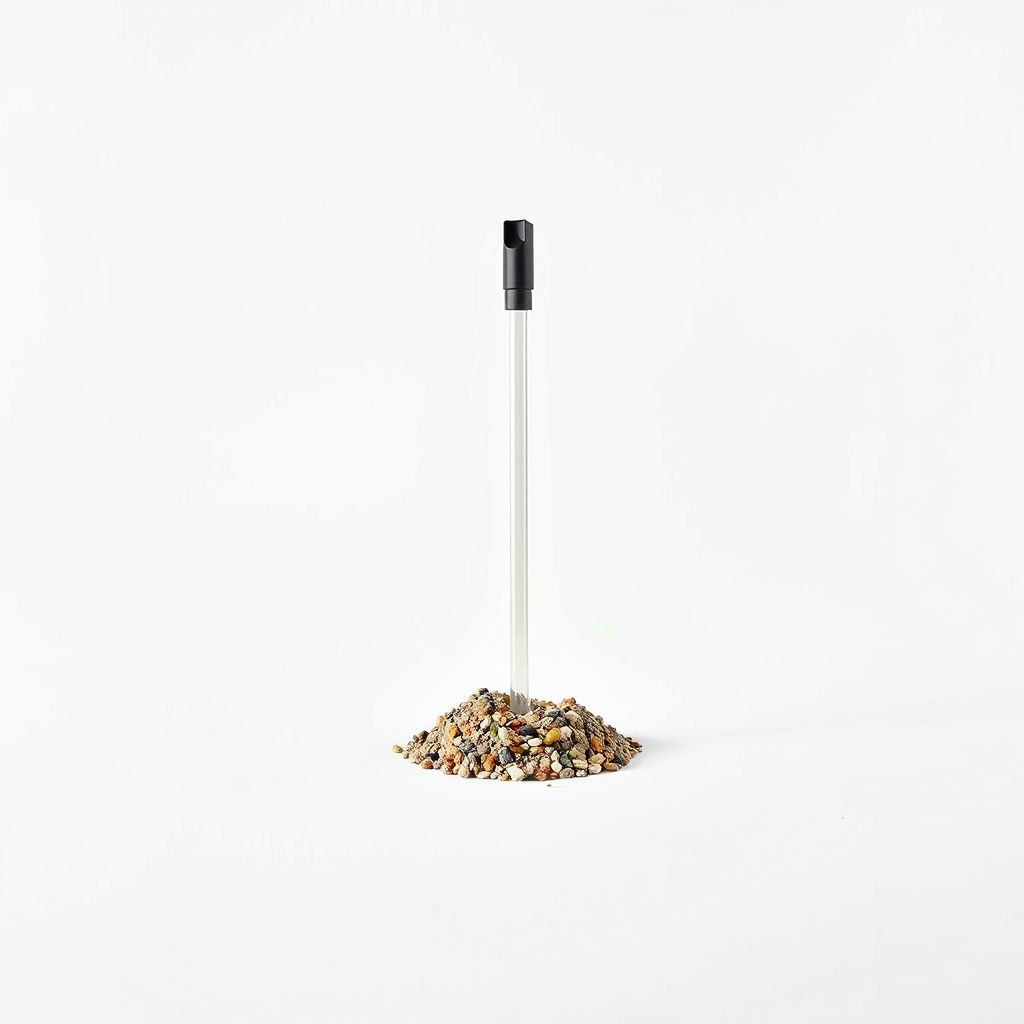
An aquarium gravel vacuum
Most of the funk comes from waste packed in the gravel, which a simple water change misses. A gravel vacuum lifts it out and drains the water in one job. The free steps clear today's smell, and the vacuum keeps it away.
What to get: Aquarium gravel vacuum with siphon
How long it lasts: As long as you use it on your weekly water change. The waste leaves with the old water and never gets the chance to rot.
As an Amazon Associate I earn from qualifying purchases.
What you'll need
-
Fish net
For lifting out debris and dead plant leaves
You have it -
Clean bucket kept only for the tank
Never used with soap or household cleaners
You have it - Illustration
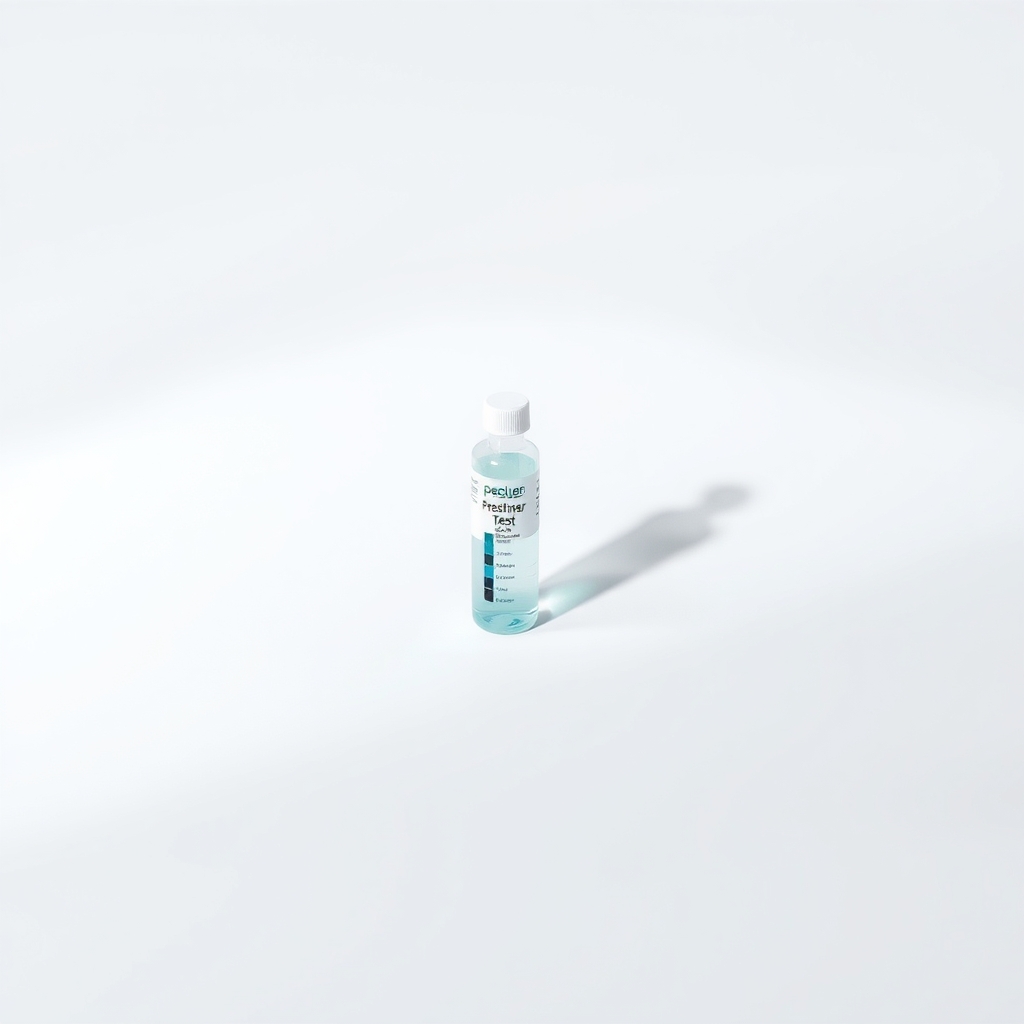
Freshwater liquid test kit
Shows ammonia, nitrite and nitrate
- Our pick Illustration
Aquarium gravel vacuum
Siphons waste out of the gravel while you drain water
- Illustration
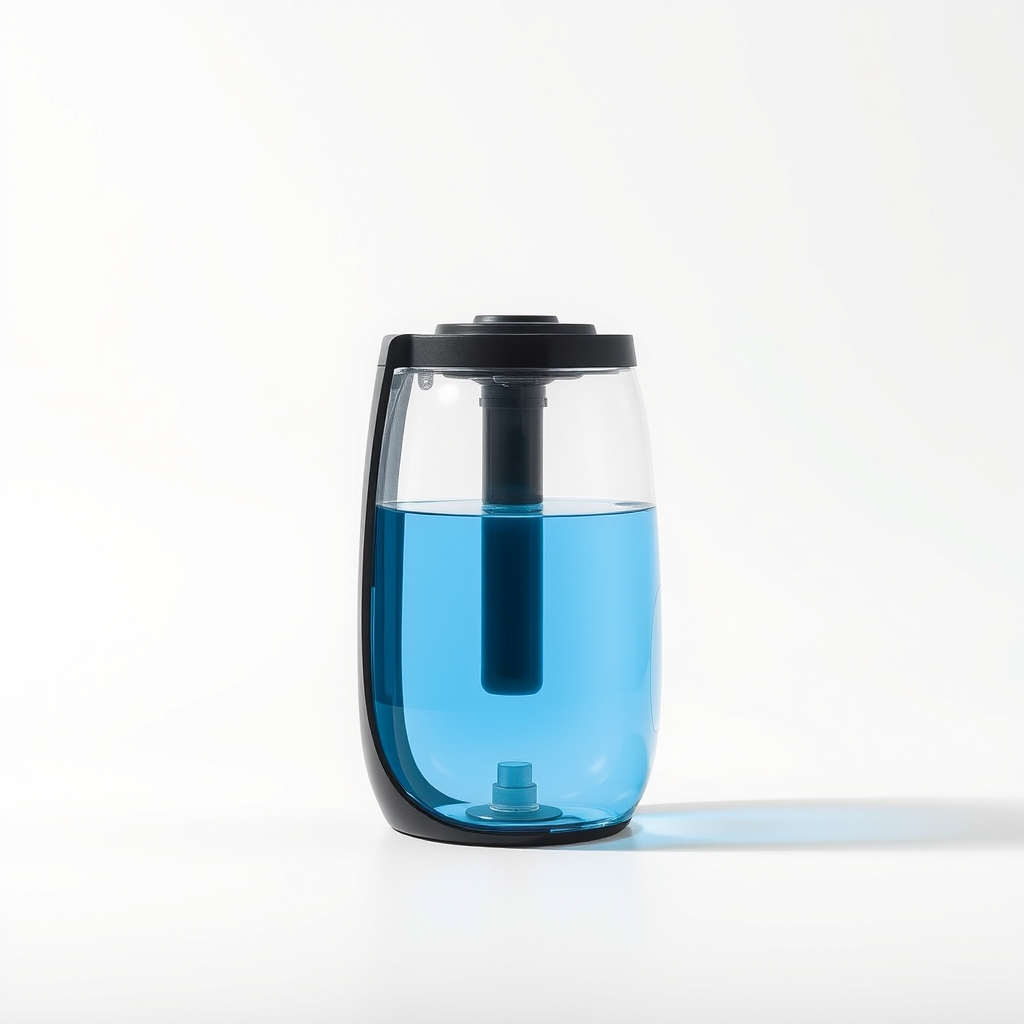
Aquarium water conditioner
Removes chlorine from tap water before it goes in
Why it happens
Waste and uneaten food in the gravel
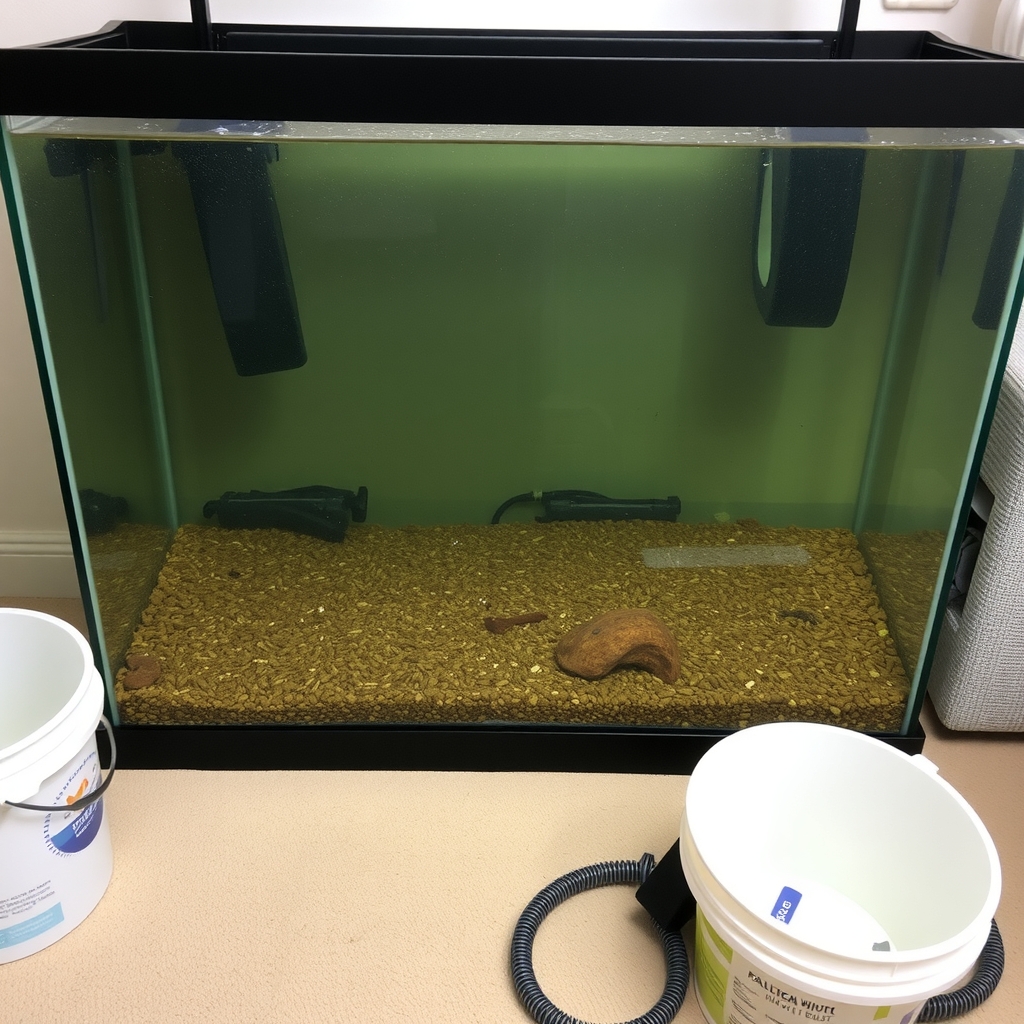
Fish waste and leftover food sink into the gravel and rot. Deep pockets can give off a rotten-egg smell. This is the most common cause of a tank that smells even though the water looks clear.
A dead fish, snail or plant
Something small can die behind a rock or under a plant and go unnoticed. A fishy, rotten smell that comes on fast is often this.
A dirty or overworked filter
Clogged filter media holds debris and slows the flow. If the filter is too small for the tank, waste builds faster than it can handle.
Too many fish or too much food
More fish and heavier feeding means more waste. Ammonia and nitrite then rise, and the tank smells sharp and chemical.
Try this first (free)
Do these in order, starting with the simplest.
-
Hunt for the source
Tool used: Fish netLook behind decor, under plants and in the filter intake. Net out any dead fish, snails, rotting leaves and clumps of uneaten food. Unplug the heater and filter before you put your hands in.
-
Test the water
Tool used: Freshwater liquid test kitTest for ammonia and nitrite. A healthy tank reads zero for both. A high nitrate reading means a water change is overdue. If fish gasp at the surface, change water the same day.
IllustrationCheck price on AmazonTool for this step
Freshwater liquid test kit · Shows ammonia, nitrite and nitrate
-
Siphon the gravel and drain about a quarter of the water
Tool used: Aquarium gravel vacuumPush the vacuum into the gravel until it lifts and releases, and move across about a third of the tank each time. Drain into the bucket as you go. Vacuum another third next week.
IllustrationCheck price on AmazonTool for this step
Aquarium gravel vacuum · Siphons waste out of the gravel while you drain water
-
Refill with treated water at the same temperature
Tool used: Aquarium water conditionerTreat new water with conditioner and match the temperature to the tank. Pour it in slowly so you do not blast the gravel.
IllustrationCheck price on AmazonTool for this step
Aquarium water conditioner · Removes chlorine from tap water before it goes in
-
Rinse the filter media in old tank water
Tool used: Clean bucket kept only for the tankSqueeze sponges and media in a bucket of the water you removed, not in tap water. Chlorine kills the helpful bacteria. Replace media only when it is falling apart, and never all at once.
-
Feed less
Give only what your fish eat in about two minutes and remove the rest. If you have a lot of fish for the tank size, waste may build faster than the filter can handle.
When free fixes aren't enough
If the smell returns within a week or two, waste is probably building in the gravel faster than you remove it. Weekly gravel vacuuming fixes that. If ammonia or nitrite still reads above zero after a change, change water more often in smaller amounts and test each day. In a tank under a month old, ammonia spikes are part of the cycling process, so go slowly and ask the shop for advice. If fish are gasping or lying on the bottom, treat it as urgent. A clean filter alone will not fix a tank that is overstocked or overfed.
Buy the fix
Still stuck after the free fixes? These are the products we would look at.
| Pick | Product | Fixes | Who it's for | Buy |
|---|---|---|---|---|
| Best pick | Aquarium gravel vacuum with siphon | waste hiding in the gravel that causes the smell | Anyone with gravel or sand and a regular water change. | Check price |
| Budget pick | Freshwater liquid test kit | guessing whether the smell means unsafe water | New fish keepers and anyone whose tank smells but looks clear. | Check price |
Aquarium gravel vacuum with siphon
Fixes: waste hiding in the gravel that causes the smell
Look for: A tube sized for your tank, so you do not suck up the gravel; A hose long enough to reach a bucket or drain; A gravel guard or screen at the intake; A hand pump or bulb to start the siphon.
- Who it's for
- Anyone with gravel or sand and a regular water change.
- Honest downside
- Your tank is bare-bottomed, where a plain hose works, or has a deep planted sand bed. In that case skim the surface only.
Freshwater liquid test kit
Fixes: guessing whether the smell means unsafe water
Look for: Tests for ammonia, nitrite, nitrate and pH; Liquid reagents, which are generally more accurate than strips; Clear color charts you can read in normal light.
- Who it's for
- New fish keepers and anyone whose tank smells but looks clear.
- Honest downside
- You already test your water each week and trust your kit.
As an Amazon Associate I earn from qualifying purchases. We don't show prices because they change, so use the button to see today's price.
How we picked: How we picked: this page is based on aquarium care guides from fish-keeping groups, test kit and vacuum maker instructions, and what fish keepers report in reviews. We do not test products by hand.
Why does my fish tank smell? What each smell means
- Almost nothing or a light earthy smell: a healthy tank.
- Rotten eggs: trapped waste in deep gravel or sand.
- Sharp, chemical or like a cleaner: ammonia from waste, an overfed tank or a filter that is not working.
- Swampy or musty: a dirty filter, dying plants or too much algae.
- Fishy and rotten: a dead fish or snail, or old food, hidden somewhere.
What to skip
Soap, household cleaners and a total teardown
Soap and sprays leave residue that can kill fish. Scrubbing every surface and replacing all the filter media in one go also wipes out the helpful bacteria and can spike ammonia. Clean in stages instead, and use only water on anything that touches the tank.
Frequently asked questions
Why does my fish tank smell like ammonia?
Why does my fish tank smell like rotten eggs?
How do I fix fish tank smell and stop the tank from smelling bad again?
Is a smelly tank dangerous for my fish?
Related problems
 Free fix inside
Pets · Fish Tank
Fish Tank Cloudy? What White, Green or Brown Water Is Telling You
Read the fix Free fix inside
Pets · Fish Tank
Fish Tank Keeps Turning Green? Cut the Light, Then Pick One Tool
Read the fix Free fix inside
Pets · Fish Tank Equipment
Fish Tank Filter Not Working? Clean, Prime, or Replace the Media
Read the fix Free fix inside
Pets · Fish Tank Water
Fish Tank pH Off? How to Test It and Adjust It Safely
Read the fixAs an Amazon Associate I earn from qualifying purchases. Affiliate disclosure