Fish Tank Keeps Turning Green? Cut the Light, Then Pick One Tool
Green water and green glass both come from extra light and nutrients. Cut the light first; a magnetic scraper handles the algae you can see.
By Jamilur Rahman Updated November 5, 2026 · 7 min read
- Time
- 30 min
- Cost
- Under $20
- Difficulty
- Easy
In this guide
Quick answer
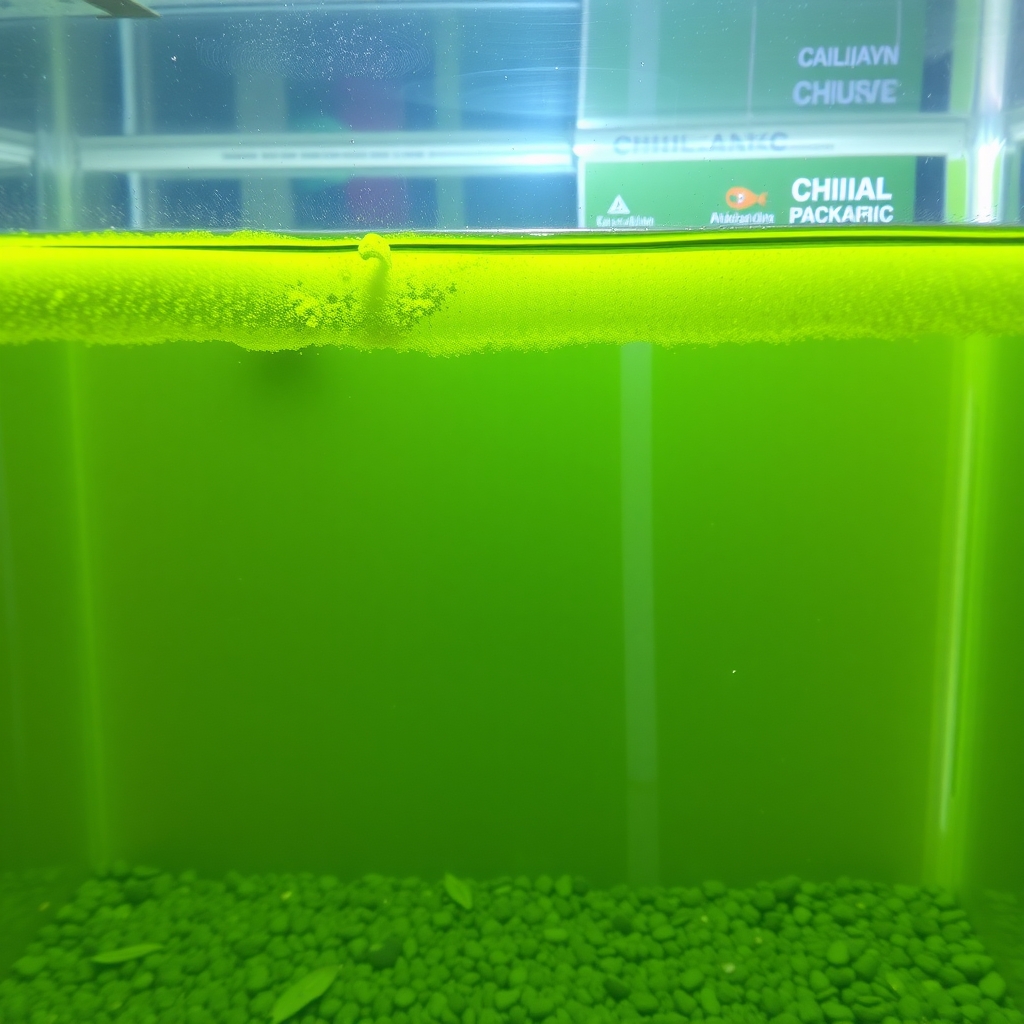
If your fish tank keeps turning green, the cause is almost always too much light plus too many nutrients, so algae grows faster than the tank can use it. Cut the light to about 6 to 8 hours a day, keep the tank out of direct sun, feed less and change some water every week. A magnetic algae scraper then wipes the green off the glass in seconds, without wet sleeves, while those habits take effect.
Free fix vs. permanent fix
Cut the light, feed less, change water
- Move the tank out of direct sun
- Run the light about 6 to 8 hours a day
- Feed only what the fish finish in a minute or two
- Change about 25 percent of the water each week
How long it lasts: The fix is the habit. If light and feeding creep back, so does the algae. Expect two to three weeks to see a difference.
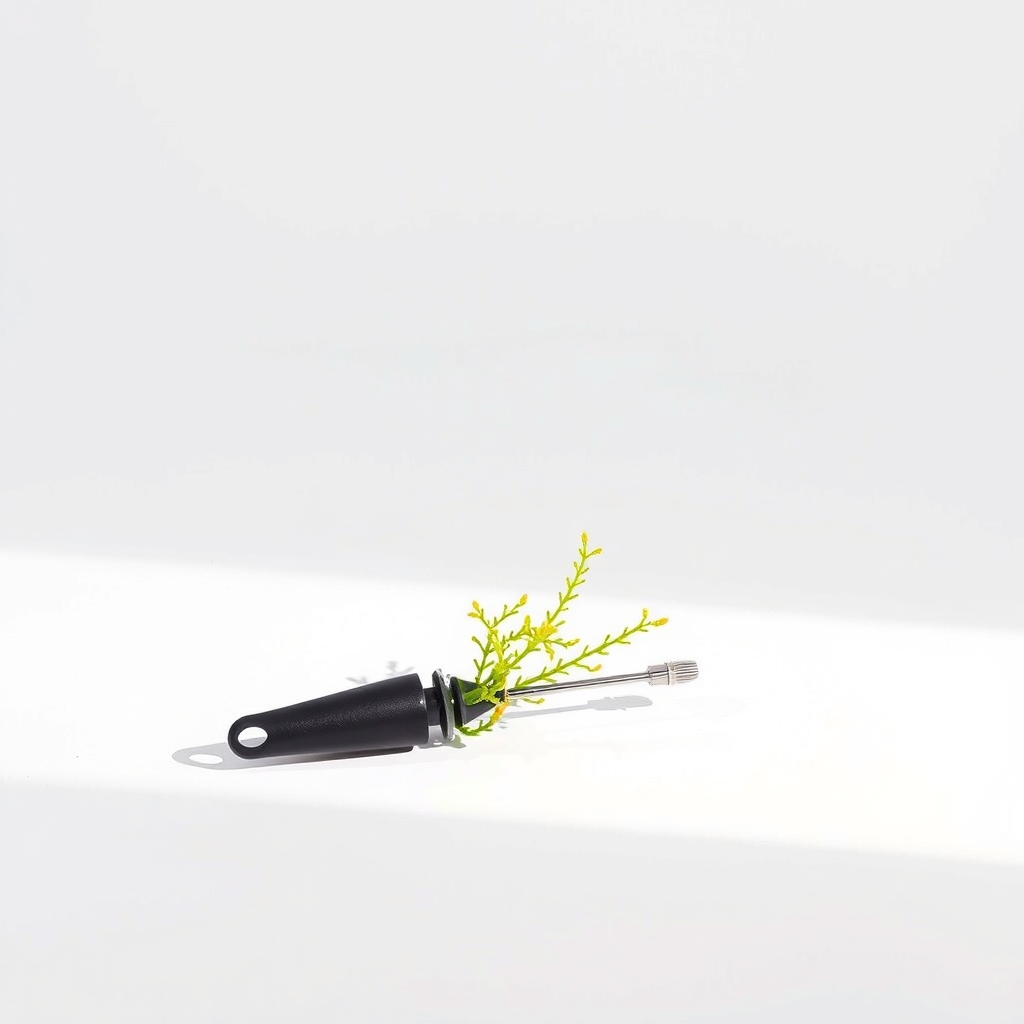
A magnetic aquarium algae scraper
Light control stops the algae growing. The scraper removes what is already there and keeps the glass clear while the tank settles. A pair of magnets holds the cleaner to the glass, so you wipe from outside without putting your arm in the tank.
What to get: Magnetic aquarium algae scraper
How long it lasts: Years. It cleans the glass in a minute, so the algae never gets thick enough to bake on.
As an Amazon Associate I earn from qualifying purchases.
What you'll need
-
Cardboard or a thick towel
Covers the tank if the water itself is green
You have it -
Water conditioner
Needed for every water change
You have it - Illustration
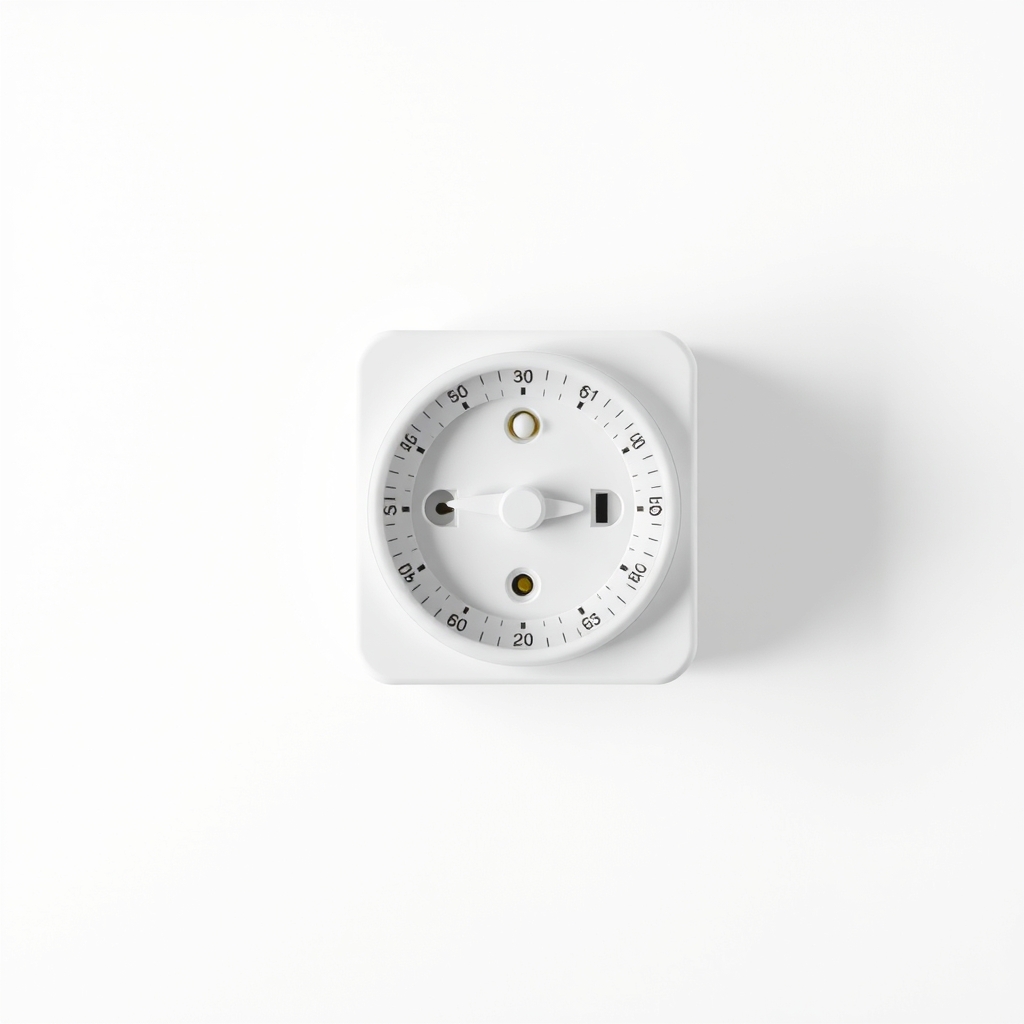
Outlet timer
Keeps the light on a steady schedule
- Our pick Illustration
Magnetic aquarium algae scraper
Check your glass thickness against its rating
- Illustration
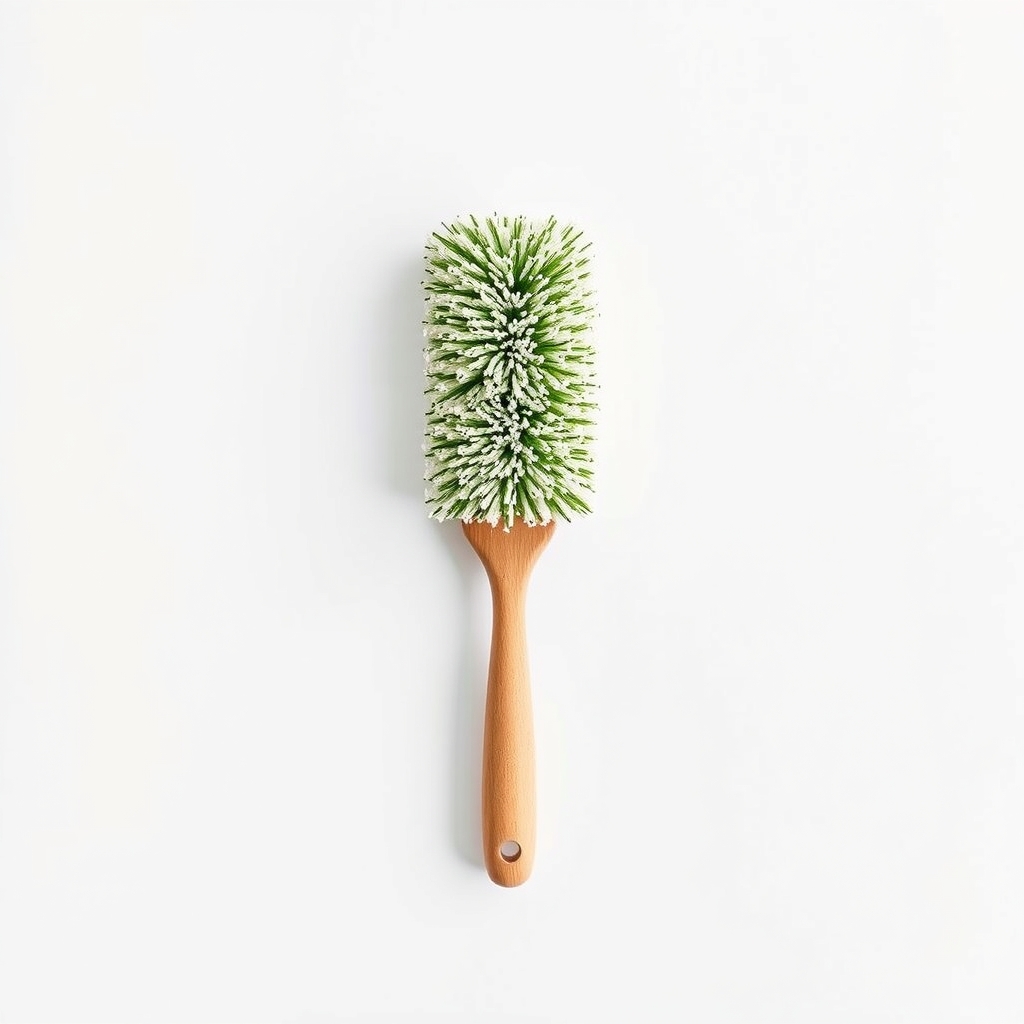
Long-handled algae scrubber pad
Cheaper and works on thick-walled tanks
Why it happens
Too much light
Direct sun, or a tank light left on 10 to 12 hours, feeds algae. Bright window light counts too.
Extra nutrients
Overfeeding, fish waste and skipped water changes build up nitrate and phosphate, and algae uses both. Some tap water carries phosphate as well.
A new tank finding its balance
New tanks often get brown algae in the first weeks and green algae later while plants and bacteria settle. This phase usually fades.
Too few plants or too many fish
Live plants compete with algae for nutrients. A heavily stocked tank with few plants leaves a surplus for algae.
Try this first (free)
Do these in order, starting with the simplest.
-
Move or shade the tank
Take the tank out of direct sunlight, or close the blinds on that window. A few hours of direct sun can start a bloom.
-
Put the light on a timer
Tool used: Outlet timerSet the tank light to run about 6 to 8 hours a day, at the same hours every day. Do not leave it on all night.
IllustrationCheck price on AmazonTool for this step
Outlet timer · Keeps the light on a steady schedule
-
Feed less
Give only what your fish finish in a minute or two, and net out leftovers. Uneaten food rots and feeds the algae.
-
Change water and vacuum the gravel
Tool used: Water conditionerReplace about 25 percent of the water each week with treated tap water at a similar temperature, and vacuum the gravel to lift waste.
-
Wipe the glass
Tool used: Magnetic aquarium algae scraperSlide the magnetic scraper over the glass in slow passes, then net out any floating bits. Do the front glass weekly, and check for gravel stuck under the scraper, which can scratch.
IllustrationCheck price on AmazonTool for this step
Magnetic aquarium algae scraper · Check your glass thickness against its rating
-
If the water itself is green, black it out
Tool used: Cardboard or a thick towelCover the whole tank with cardboard or a thick towel for three to four days, then change about 25 percent of the water. Free-floating algae die off without light. This is fine for most fish but hard on live plants.
When free fixes aren't enough
Light and feeding fixes take two or three weeks to show. In that time algae keeps building on the glass and you cannot see the fish. Wiping with a scraper removes the film, so the tank looks clean while the habits catch up, and it stops algae getting thick enough to need a blade. A scraper will not cure green water, which needs a blackout, a water change or a UV clarifier. It also will not remove hard green spot algae, which needs a blade or stronger scrubber. If fish gasp or the water smells, test ammonia and nitrite before anything else.
Buy the fix
Still stuck after the free fixes? These are the products we would look at.
| Pick | Product | Fixes | Who it's for | Buy |
|---|---|---|---|---|
| Best pick | Magnetic aquarium algae scraper | green film on the glass | Anyone with a glass or acrylic tank that grows green film every week. | Check price |
| Budget pick | Long-handled algae scrubber pad | algae on the glass and decor if you do not mind a wet arm | Tanks too thick for magnets, or owners who want the cheapest fix. | Check price |
Magnetic aquarium algae scraper
Fixes: green film on the glass
Look for: A rating that covers your tank's glass thickness; A scrubbing face marked safe for your tank material, glass or acrylic; A float, or a design you can recover if it drops; Magnets strong enough not to let go mid-wipe.
- Who it's for
- Anyone with a glass or acrylic tank that grows green film every week.
- Honest downside
- Your tank wall is thicker than the scraper's rating, or the scraper is glass-only and your tank is acrylic. Check the specs first.
Long-handled algae scrubber pad
Fixes: algae on the glass and decor if you do not mind a wet arm
Look for: A non-scratch pad rated for your tank material; A handle long enough to reach the bottom; A comfortable grip.
- Who it's for
- Tanks too thick for magnets, or owners who want the cheapest fix.
- Honest downside
- You have a deep tank and do not want to put your arm in. A magnetic scraper is easier.
As an Amazon Associate I earn from qualifying purchases. We don't show prices because they change, so use the button to see today's price.
How we picked: How we picked: this page is based on aquarium care guidance from fish-keeping groups, scraper manufacturer instructions, and what hobbyists report in reviews. We do not test products by hand.
Green water or green glass? Check first
- Green glass and decor: algae growing on surfaces. A scraper and better light habits fix it.
- Green, cloudy water: free-floating algae. Use a three-to-four day blackout and a water change.
- Brown dust on everything: diatoms, common in new tanks. Wipe it off and give the tank time.
A weekly routine that keeps algae down
- Check that the light is on its timer and out of direct sun.
- Wipe the front glass with the scraper.
- Change about 25 percent of the water and vacuum the gravel.
- Net out uneaten food and skim off dead leaves.
What to skip
Algae chemicals and total water changes
Skip liquid algae killers. They can harm fish, shrimp and plants, and the algae returns if the light and nutrients stay the same. Skip a 100 percent water change and rinsing filter media under tap water too, since both can wipe out the bacteria that keep the water safe.
Frequently asked questions
Why is my fish tank green?
Why does my fish tank keep turning green after I clean it?
Fish tank keeps getting green algae: is it harmful to my fish?
Fish tank keeps getting brown algae. Is that different?
How to stop fish tank going green for good?
Related problems
 Free fix inside
Pets · Fish Tank
Fish Tank Cloudy? What White, Green or Brown Water Is Telling You
Read the fix Free fix inside
Pets · Fish Tank
Fish Tank Smells Bad? Where the Funk Comes From, and the Fix
Read the fix Free fix inside
Pets · Fish Tank Equipment
Fish Tank Filter Not Working? Clean, Prime, or Replace the Media
Read the fix Free fix inside
Pets · Fish Tank
Fish Tank Water Evaporating Fast? A Lid Fixes More Than Water Loss
Read the fixAs an Amazon Associate I earn from qualifying purchases. Affiliate disclosure