Cat-Scratched Wood Furniture: Hide the Marks in an Afternoon
Most cat scratches on wood sit in the finish, not deep in the wood. Try a free walnut rub, then fill the deeper marks with wax sticks matched to your wood.
By Jamilur Rahman Updated November 5, 2026 · 6 min read
- Time
- 1 hour
- Cost
- Under $20
- Difficulty
- Medium
In this guide
Quick answer
Cat scratches on wood come in three depths: marks in the finish only, scratches through the color, and gouges. Light ones often darken with a rub of walnut or a bit of paste wax. For anything you can feel with a fingernail, fill it with a wax filler stick in a matching color, scrape it level and buff. It is the fastest way to hide the damage without refinishing the piece.
Free fix vs. permanent fix
Walnut rub and polish
- Wipe the area clean and dry
- Rub the cut side of a walnut along the scratch
- Wait a few minutes, then buff with a soft cloth
- Add a thin coat of furniture polish or paste wax
How long it lasts: Hides surface scratches for weeks to months on medium and dark wood. It does not fill anything, so deeper marks stay visible.
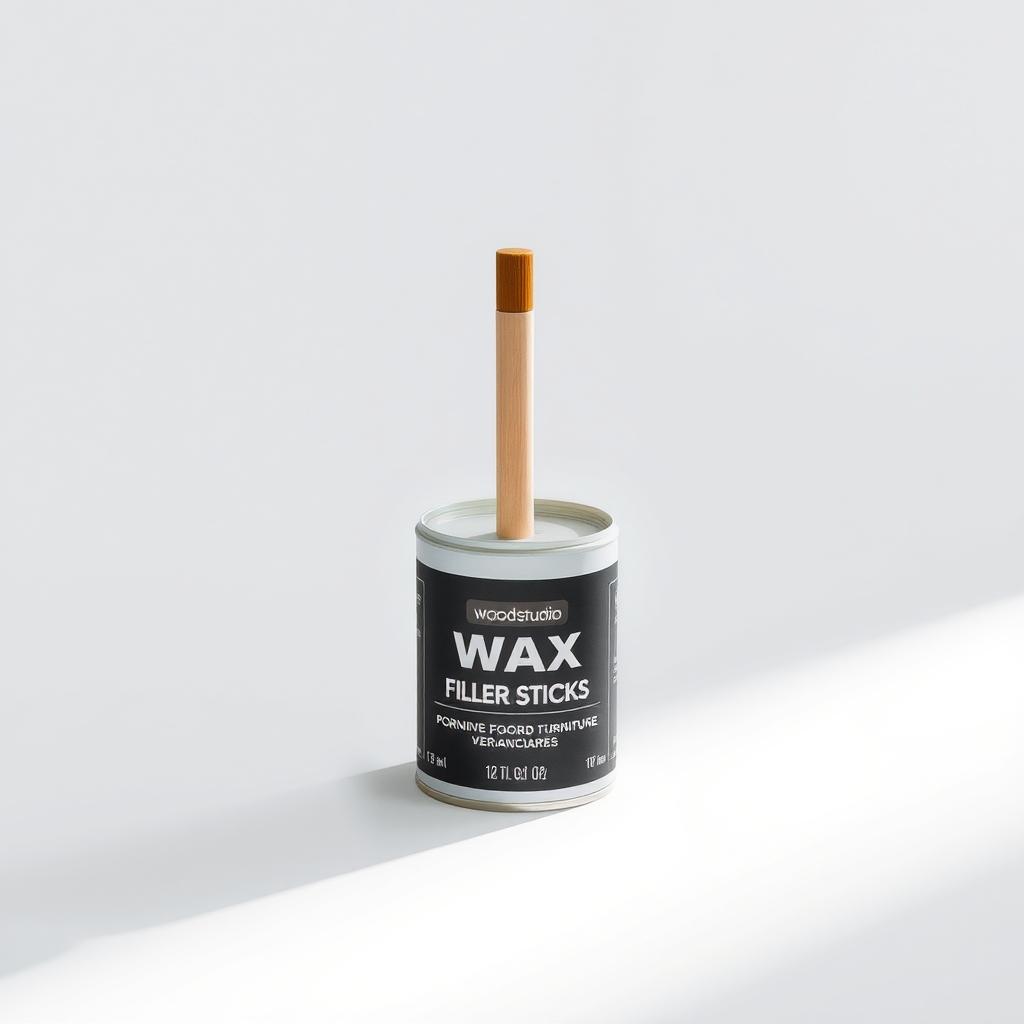
A wax filler stick kit in matching colors
A walnut rub only tints the surface. A wax filler stick fills the scratch itself, so light no longer catches the edge. A kit gives you several shades to blend, because wood color is rarely one flat tone.
What to get: Wax filler stick kit for wood furniture
How long it lasts: Years on furniture that does not get hot or heavy scrubbing. The wax fills the groove and holds the color.
As an Amazon Associate I earn from qualifying purchases.
What you'll need
-
Soft cotton cloth
For cleaning and buffing
You have it -
Walnut or pecan
The oils darken light scratches
You have it -
Old plastic card
Scrapes extra wax level without scratching
You have it - Our pick Illustration
Wax filler stick kit
Pick a kit with several wood tones to blend
- Illustration
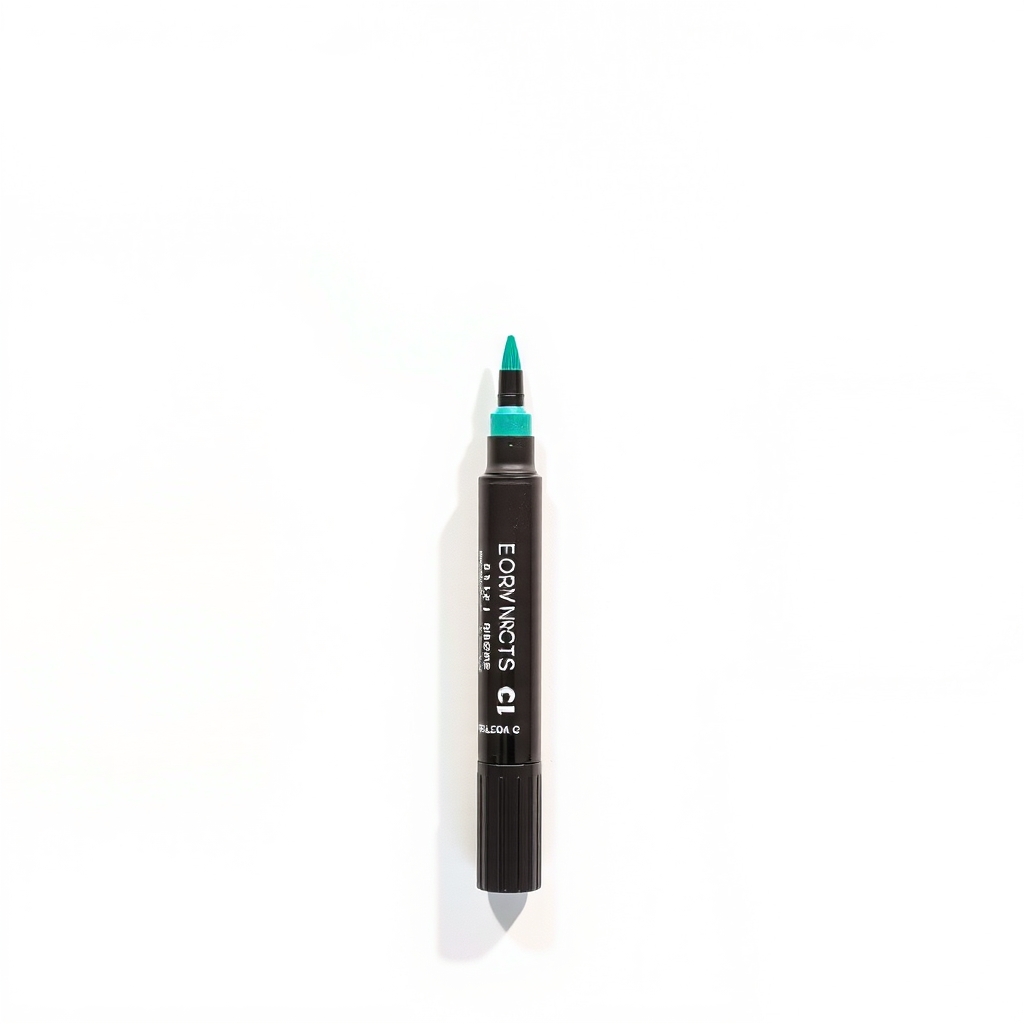
Furniture touch-up markers
For pale scratches that do not catch a fingernail
- Illustration
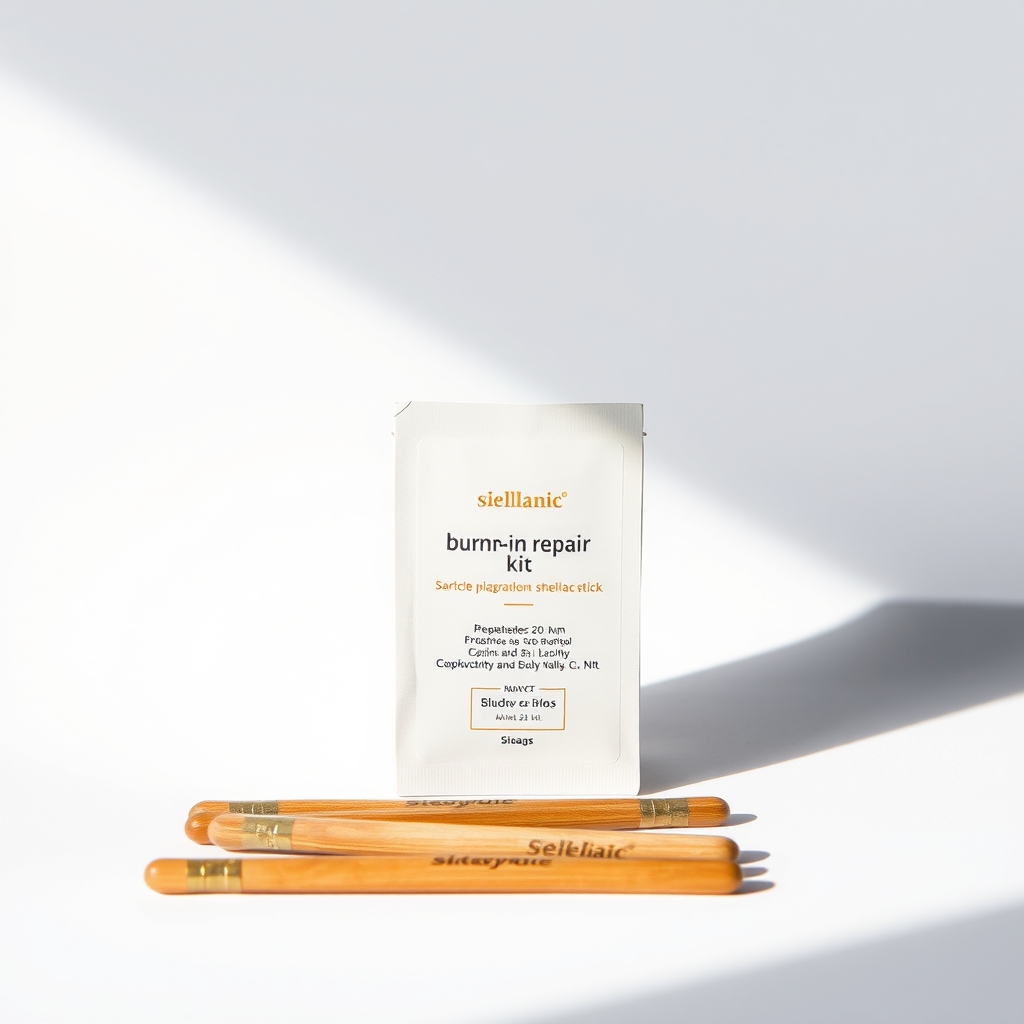
Burn-in repair kit
Only for deep gouges on tabletops that see heat
Why it happens
Claws cut through the finish
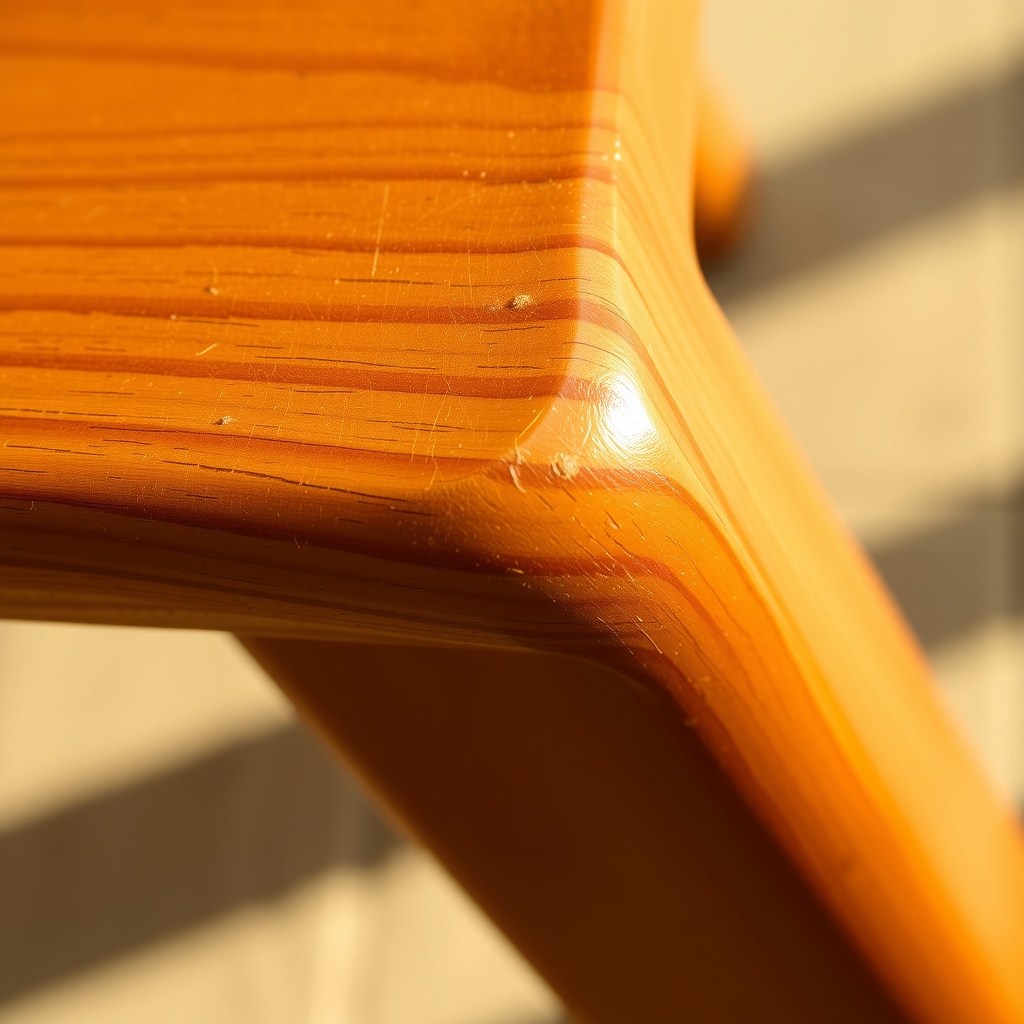
Cats scratch to stretch and to leave a scent mark. Sharp claws cut through the clear coat first, then the stain, and leave pale lines.
Legs and corners are favorite targets
Cats like tall, firm surfaces that grip their claws. Table legs and cabinet corners are ideal, and a spot that already has marks gets scratched again.
Bare wood shows
Once a scratch goes below the stain, the lighter wood underneath shows. That is why scratches look pale and obvious even when they are shallow.
Try this first (free)
Do these in order, starting with the simplest.
-
Clean the area
Tool used: Soft cotton clothWipe with a barely damp cloth, then dry it. Wax and polish will not stick to dust or old polish buildup.
-
Judge the depth
Run a fingernail across the scratch. If it does not catch, the damage is in the finish and a walnut rub may hide it. If your nail catches, plan to use wax.
-
Try the walnut rub on light marks
Tool used: Walnut or pecanCut a walnut in half, rub the cut side along the scratch, wait five minutes and buff. It works best on medium and dark wood. On pale wood it can leave a brown tint.
-
Fill deeper scratches with wax
Tool used: Wax filler stick kitPick a stick close to the wood color, or blend two. Press the wax along the groove, then scrape across it with a plastic card until it is level with the surface.
IllustrationCheck price on AmazonTool for this step
Wax filler stick kit · Pick a kit with several wood tones to blend
-
Buff and protect
Tool used: Old plastic cardRub with a soft cloth until the sheen matches the rest of the piece. Finish with a thin coat of paste wax. If the fill shrinks overnight, add a little more.
When free fixes aren't enough
If your fingernail catches in the scratch, or the wood looks pale, a walnut rub will not hide it. A wax filler stick fills the groove and is the lasting fix for most cat scratches. Wax is soft, so on a table that sees hot mugs or heavy scrubbing it can melt or wear away. A shellac burn-in stick is harder wearing but a trickier job. If a leg or edge is chewed or splintered, or the piece is an antique, ask a furniture restorer before you fill it.
Buy the fix
Still stuck after the free fixes? These are the products we would look at.
| Pick | Product | Fixes | Who it's for | Buy |
|---|---|---|---|---|
| Best pick | Wax filler stick kit for wood furniture | scratches and gouges you can feel with a fingernail | Anyone with scratches on tables, chairs, dressers or door frames. | Check price |
| Budget pick | Furniture touch-up markers | pale surface scratches that do not catch a fingernail | Light scratches on one or two spots. | Check price |
| Upgrade pick | Burn-in repair kit with shellac sticks | deep gouges on surfaces that see heat and wear | People comfortable with a slower repair who want a harder, longer-lasting fill. | Check price |
Wax filler stick kit for wood furniture
Fixes: scratches and gouges you can feel with a fingernail
Look for: Six or more wood tones, so you can blend; Soft wax that presses into a groove; A scraper or plastic spatula included; Colors named for woods such as oak, cherry and walnut.
- Who it's for
- Anyone with scratches on tables, chairs, dressers or door frames.
- Honest downside
- The scratch is on a tabletop that gets hot dishes. Wax can soften with heat.
Furniture touch-up markers
Fixes: pale surface scratches that do not catch a fingernail
Look for: A shade range close to common wood stains; A fine tip that stays inside the scratch; A wax or polish to seal the color.
- Who it's for
- Light scratches on one or two spots.
- Honest downside
- The scratch is deep. A marker colors the groove but does not fill it, so it stays visible.
Burn-in repair kit with shellac sticks
Fixes: deep gouges on surfaces that see heat and wear
Look for: Hard shellac sticks in several wood tones; A melting knife or tool that heats the stick; Clear instructions.
- Who it's for
- People comfortable with a slower repair who want a harder, longer-lasting fill.
- Honest downside
- You have never done a repair like this. Heat can scorch the wood, so practice on a hidden spot first.
As an Amazon Associate I earn from qualifying purchases. We don't show prices because they change, so use the button to see today's price.
How we picked: How we picked: this page is based on furniture care and repair guides, instructions from wax and shellac repair makers, and what owners report in reviews of furniture repair kits. We do not test products by hand.
Match the color the right way
Test colors on the underside of the piece or a hidden edge, in daylight. Wax can look a little darker on the wood than in the stick. Start with the lighter shade, then blend a darker one on top. Most wood has both light and dark tones in the grain, so two sticks usually look better than one.
Stop a repeat
A repaired spot can look like a fresh target. Put a sisal post or cardboard scratcher right beside the damaged corner and rub it with catnip. Cover the repaired spot with double-sided cat tape for two to three weeks, since cats dislike sticky paws.
What to skip
Oil soaks and crayons
Soaking the scratch in cooking oil darkens the whole area and can leave a greasy patch that attracts dust. Crayons are cheap, but they rarely match wood tones and smear when wiped. Neither fills the groove properly.
Frequently asked questions
How do you fix cat scratched wood furniture without sanding?
How do I repair cat scratched furniture that has a deep gouge?
Will the repair last if my cat scratches again?
Does this work on veneer?
Related problems
 Free fix inside
Pets · Cat Scratching
Cat Scratching Furniture? Why Your Post Isn't Working (and What Is)
Read the fix Free fix inside
Pets · Cat Scratch Repair
Cat Scratches on Leather? A Repair Kit Can Hide Most of Them
Read the fix Free fix inside
Pets · Cat Scratch Repair
Cat Scratching the Door Frame? Repair It and Stop a Repeat
Read the fix Free fix inside
Pets · Cat Scratch Repair
Cat-Scratched Sofa Fabric: Repair Patches vs. Reupholstering
Read the fixAs an Amazon Associate I earn from qualifying purchases. Affiliate disclosure