Cat Scratching Furniture? Why Your Post Isn't Working (and What Is)
Cats scratch to stretch, mark and shed claw sheaths. A short or wobbly post fails all three. Move it, dull the sofa's appeal, then add a tall sisal post.
By Jamilur Rahman Updated November 5, 2026 · 7 min read
- Time
- 30 min setup
- Cost
- $20-$50
- Difficulty
- Easy
In this guide
Quick answer
Cats scratch furniture to stretch, leave scent and strip old claw sheaths, so scratching is normal and cannot be trained out. The problem is usually the post: too short, too wobbly, covered in carpet or in the wrong spot. Put a tall, sturdy sisal post right beside the spot your cat already scratches, make the furniture less appealing for a few weeks and trim the claws.
Free fix vs. permanent fix
Move the scratcher and make the sofa less fun
- Put a scratcher right beside the damaged spot
- Cover that spot with double-sided tape for two to four weeks
- Trim claws every two to three weeks
- Reward every use with a treat or play
How long it lasts: Weeks to months. It works when the cat already likes scratching a post. If the post is short or wobbly, the cat goes back to the sofa.
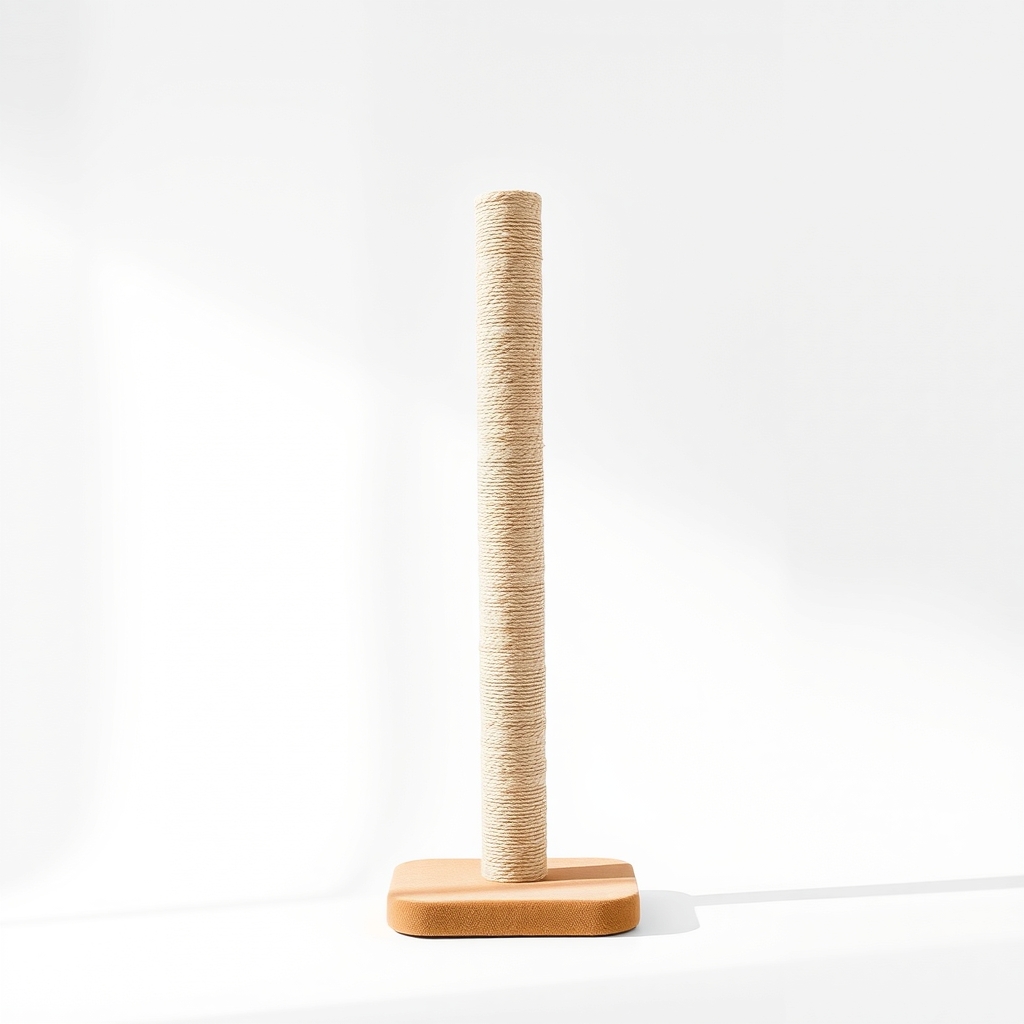
A tall, sturdy sisal scratching post
Cats want to stretch their whole body and dig into something that does not move. A short or wobbly post fails that test, so they return to the sofa. A tall post with a heavy base passes it, and the sofa stops being the best option.
What to get: Tall sisal cat scratching post with a heavy base
How long it lasts: Years. A stable, full-height sisal post gives a cat what the sofa did: a full stretch and a rough surface.
As an Amazon Associate I earn from qualifying purchases.
What you'll need
- Illustration
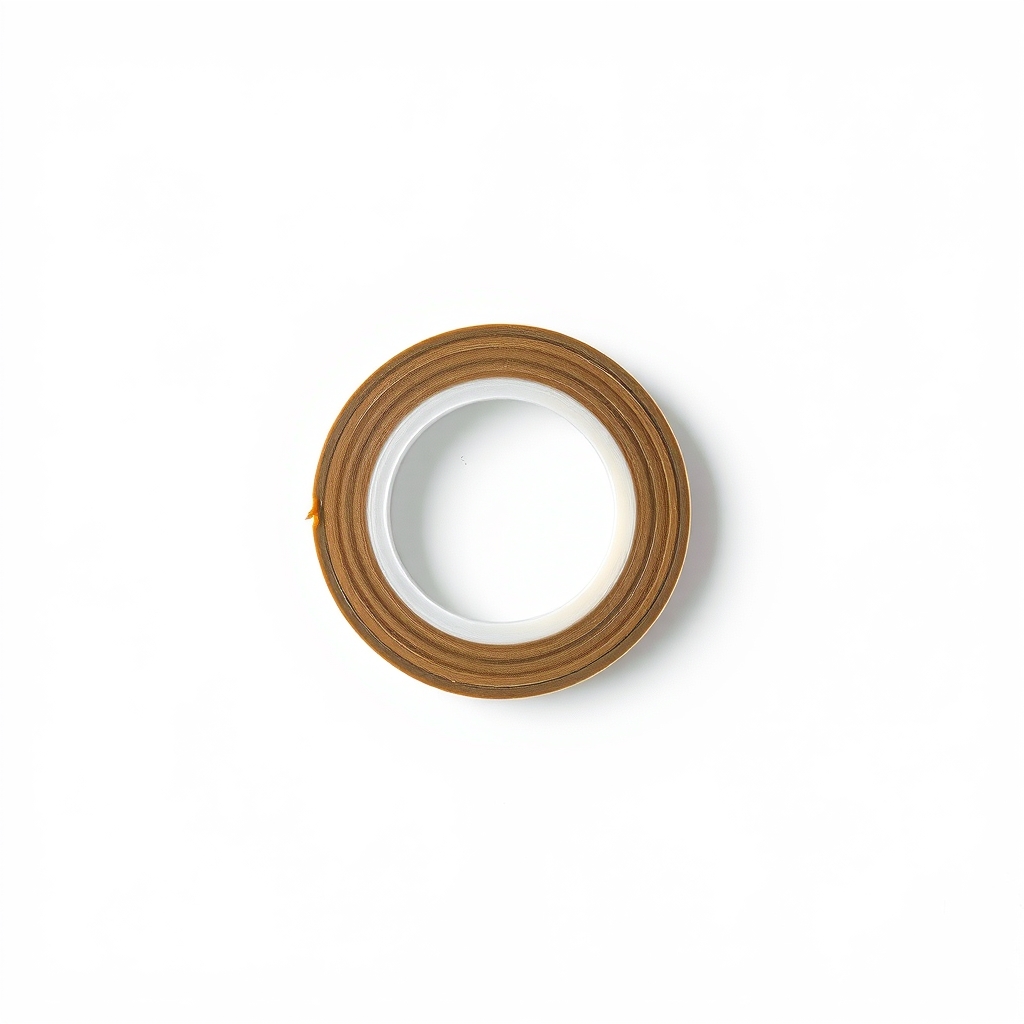
Double-sided sticky tape
Cats dislike the sticky feel. Peel it off after a few weeks
- Illustration
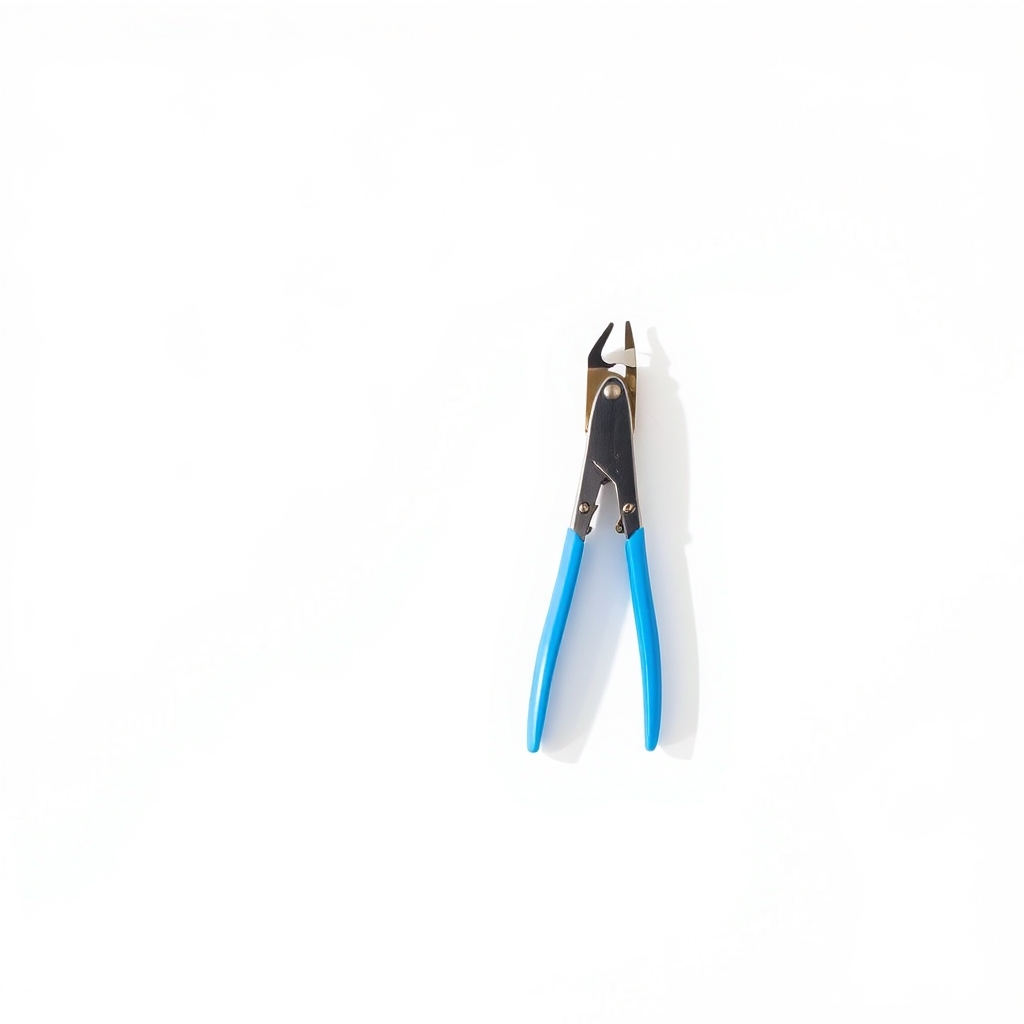
Cat nail clippers
Blunt the tips so scratches do less damage
-
Treats or a favorite toy
Reward every use of the post
You have it - Our pick Illustration
Tall sisal scratching post
Tall enough for a full stretch, with a heavy base
- Illustration
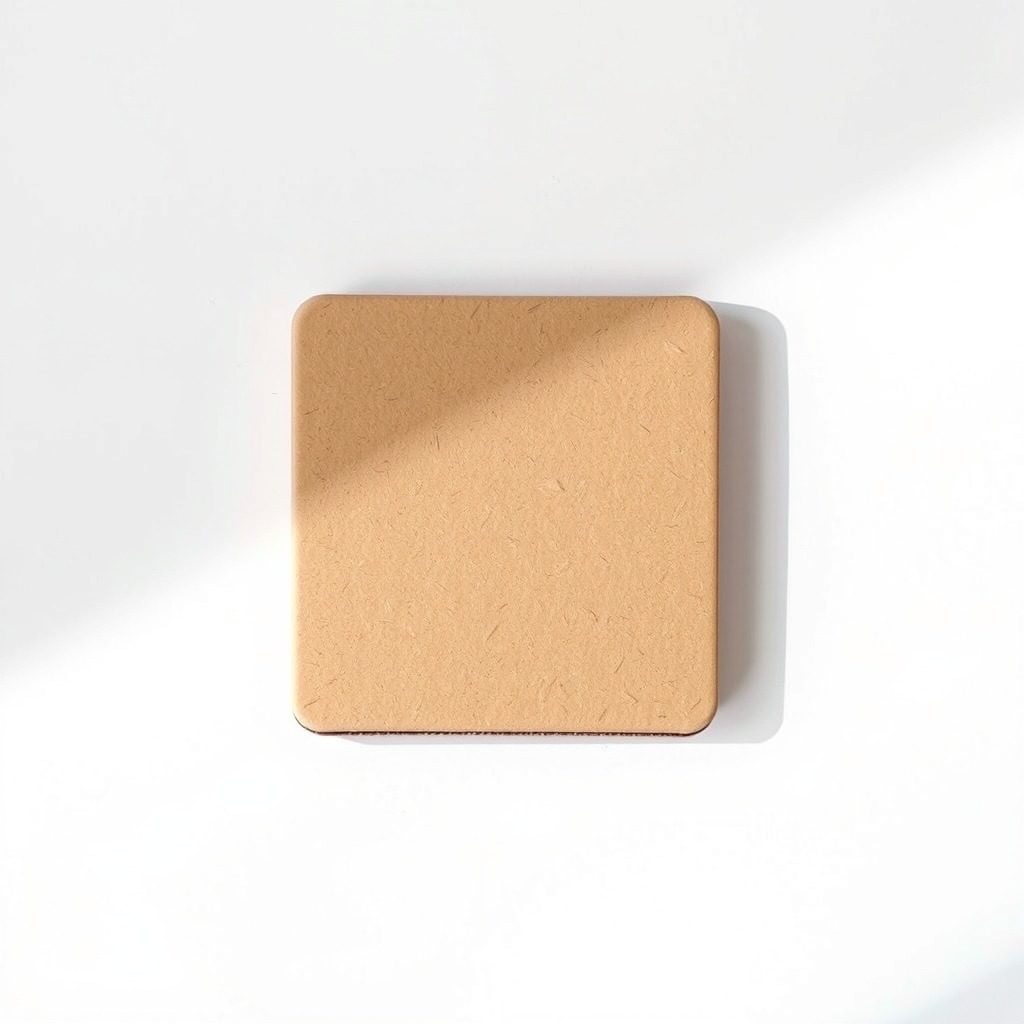
Cardboard scratcher pad
A cheap flat option for cats that scratch the floor
- Illustration
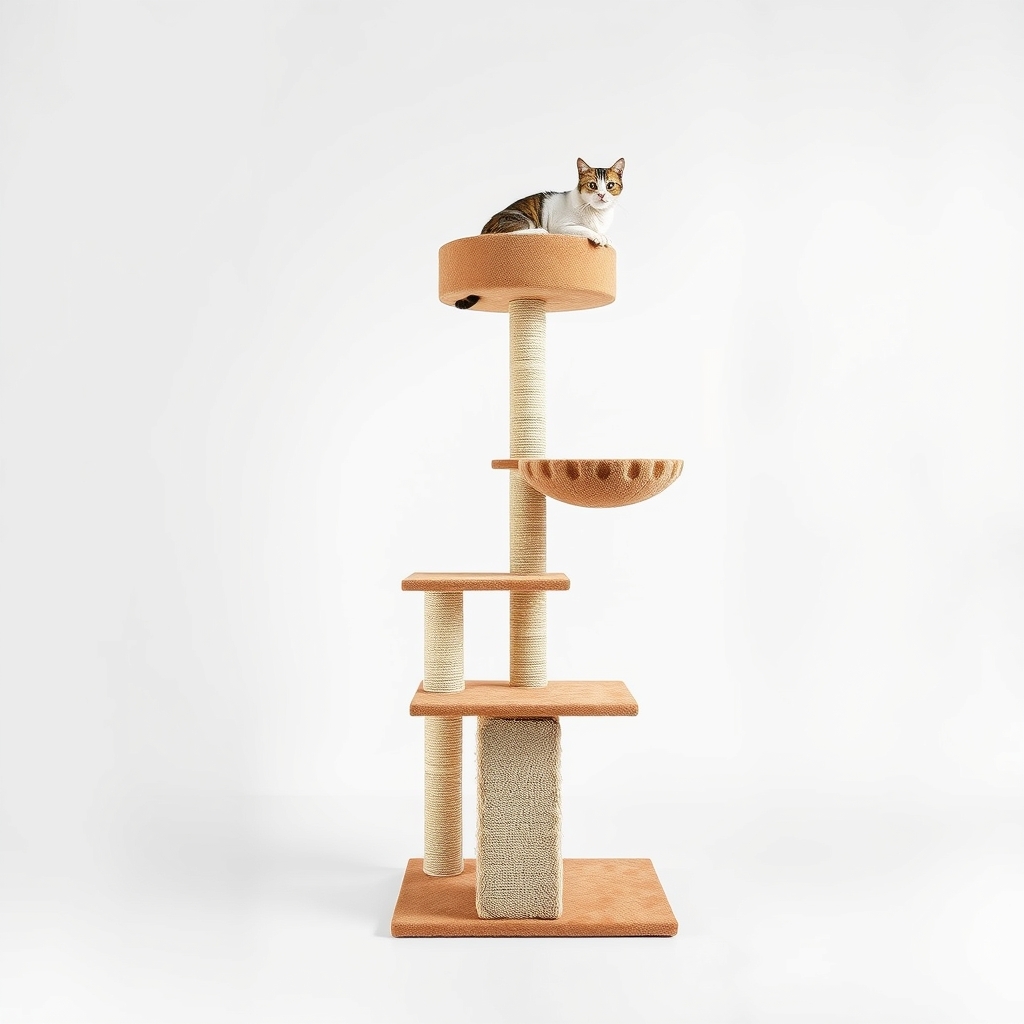
Cat tree with sisal posts
For multi-cat homes and climbers
Why it happens
Instinct, not spite
Scratching stretches the back and shoulders, sheds the outer claw sheath and leaves scent from glands in the paws. Cats scratch most after waking up and when excited.
The post is too short
A cat wants a full stretch. If the post is shorter than your cat stretched out, it is not worth the effort. Look for one at least as tall as your cat's stretched body, usually 30 inches or more.
The post wobbles
A post that tips when the cat pulls teaches the cat not to trust it. A sofa never moves, so the cat goes back to it.
Wrong material or direction
Carpet-covered posts feel like your carpet and teach cats to scratch rugs. Sisal rope or fabric feels like bark and gives claws something to catch. Some cats prefer flat or angled scratchers.
Wrong spot
Cats scratch where they sleep, by the door and in the room where the family sits. A post in a back room goes unused.
Try this first (free)
Do these in order, starting with the simplest.
-
Find the target spot
Note which furniture your cat hits and where: near the bed, by the door or beside the sofa arm. The scratcher belongs there.
-
Put a scratcher next to it
Tool used: Tall sisal scratching postPlace the post or scratcher directly beside the damaged spot, even if it looks odd. Once it is in use, move it a few inches each week toward a better spot, never all at once.
IllustrationCheck price on AmazonTool for this step
Tall sisal scratching post · Tall enough for a full stretch, with a heavy base
-
Make the furniture less appealing
Tool used: Double-sided sticky tapeStick double-sided tape on the scratched area. Cats dislike a sticky feel. Keep it on for two to four weeks, then remove it. Skip homemade essential-oil sprays, since many oils are toxic to cats.
IllustrationCheck price on AmazonTool for this step
Double-sided sticky tape · Cats dislike the sticky feel. Peel it off after a few weeks
-
Trim the claws
Tool used: Cat nail clippersTrim the sharp tips every two to three weeks. Cut only the white tip and stop before the pink quick. Do it after a meal or play, when your cat is calm.
IllustrationCheck price on AmazonTool for this step
Cat nail clippers · Blunt the tips so scratches do less damage
-
Reward every use
Tool used: Treats or a favorite toyWhen your cat uses the post, give a treat or a short play session. A pinch of catnip or silvervine on the post helps at first. Never push a cat's paws onto it, and do not scold after the fact.
When free fixes aren't enough
A short, wobbly or carpet-covered post is the one thing the free steps cannot fix. If your cat sniffs the post and goes back to the sofa, or the post wobbles when the cat pulls, replace it with a tall, heavy-based sisal post. Do not declaw: it removes part of each toe, and vets generally advise against it. If scratching is sudden or constant, or comes with hiding, skipping the litter box or over-grooming, call your vet. Stress or pain can be the cause.
Buy the fix
Still stuck after the free fixes? These are the products we would look at.
| Pick | Product | Fixes | Who it's for | Buy |
|---|---|---|---|---|
| Best pick | Tall sisal cat scratching post with a heavy base | cats ignoring a short or wobbly post and using the sofa instead | Cats that stretch up the side of a sofa or a door frame. | Check price |
| Budget pick | Cardboard scratcher pad | cats that scratch flat on rugs and carpet | Cats that scratch the floor, and owners who want a cheap test first. | Check price |
| Upgrade pick | Cat tree with sisal scratching posts | multi-cat homes and cats that climb as well as scratch | Homes with more than one cat, or with a big cat. | Check price |
Tall sisal cat scratching post with a heavy base
Fixes: cats ignoring a short or wobbly post and using the sofa instead
Look for: A height of 30 inches or more, or tall enough for a full stretch; A wide, heavy base that does not tip when the cat pulls; Sisal rope or sisal fabric, not carpet; Sisal wound tightly so it does not unravel.
- Who it's for
- Cats that stretch up the side of a sofa or a door frame.
- Honest downside
- Your cat scratches flat on the floor or at an angle. Try a flat scratcher first.
Cardboard scratcher pad
Fixes: cats that scratch flat on rugs and carpet
Look for: Dense corrugated cardboard; A flat or angled shape that stays put; Refill sheets you can buy later.
- Who it's for
- Cats that scratch the floor, and owners who want a cheap test first.
- Honest downside
- Your cat reaches up to scratch a sofa arm. Cardboard on the floor will not give the stretch.
Cat tree with sisal scratching posts
Fixes: multi-cat homes and cats that climb as well as scratch
Look for: Sisal-wrapped posts; A base wide and heavy enough for your cat's size; Perches at several heights.
- Who it's for
- Homes with more than one cat, or with a big cat.
- Honest downside
- You have little floor space, or a small cat that needs only one post.
As an Amazon Associate I earn from qualifying purchases. We don't show prices because they change, so use the button to see today's price.
How we picked: How we picked: this page is based on cat behavior and veterinary guidance on scratching, product instructions from scratching-post makers and the problems and fixes owners report in reviews. We do not test products by hand.
Pick the scratcher by your cat's habits
- Stretches up the sofa arm: a tall vertical sisal post.
- Claws the rug or carpet: a flat or angled cardboard or sisal scratcher.
- Hits the door frame: a post right beside the door.
- Large cat: a wide, heavy base so the post does not tip.
When to see a vet
Normal scratching is a few times a day. If your cat starts scratching constantly, avoids the litter box, hides, over-grooms or acts differently, book a vet visit. Stress, pain and skin problems can all change a cat's habits.
What to skip
Declawing, homemade sprays and scolding
Declawing is surgery on the toe bones. Homemade essential-oil sprays can harm cats, and many cats sniff and scratch anyway. Scolding after the fact does not link the scratching to your reaction, so your cat learns only to avoid you.
Frequently asked questions
How do I stop my cat from scratching furniture?
Why does my cat scratch the couch and not the post?
How long until my cat uses the new post?
Do scratching deterrent sprays work?
Should I get a vertical or horizontal scratcher?
Related problems
 Free fix inside
Pets · Cat Scratching
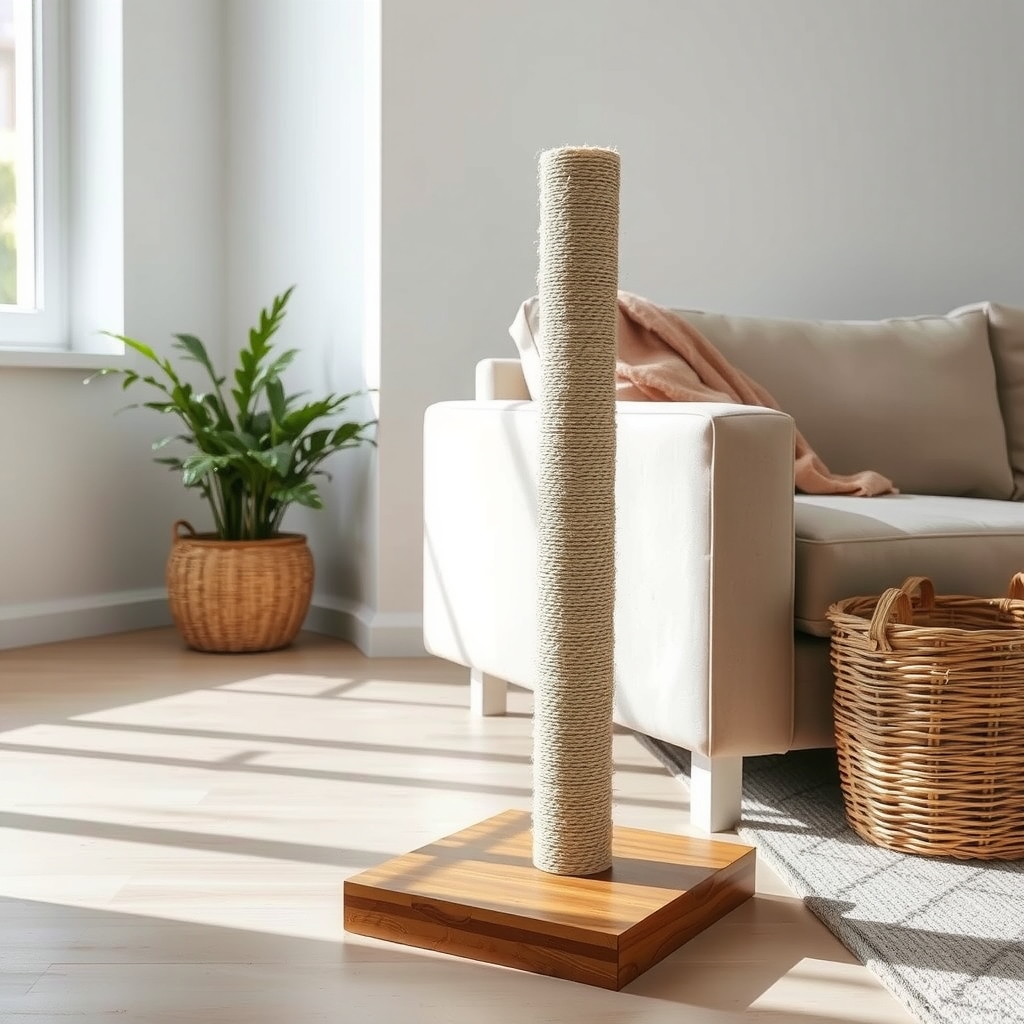
Cat Scratching Post That Isn't Ugly: 5 Stylish Posts Cats Use
Read the fix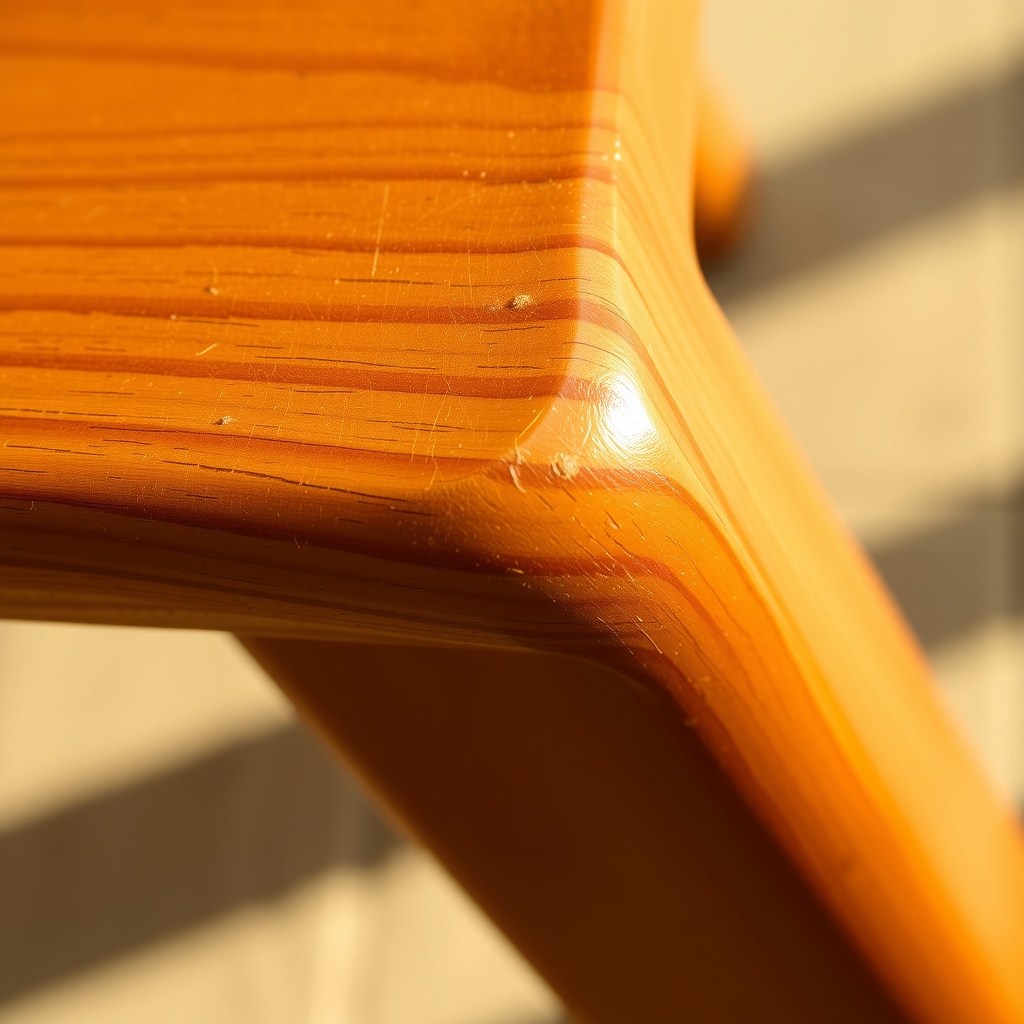 Free fix inside
Pets · Cat Scratch Repair
Cat-Scratched Wood Furniture: Hide the Marks in an Afternoon
Read the fix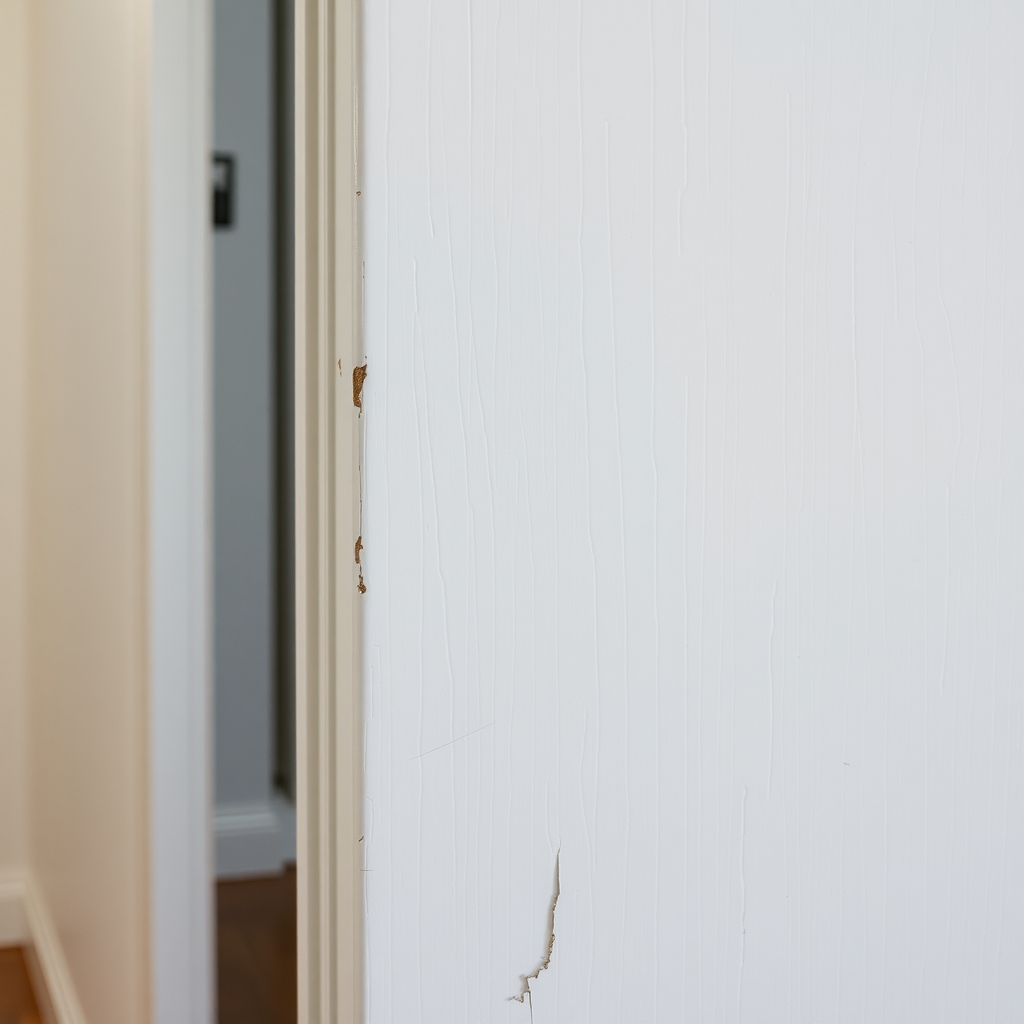 Free fix inside
Pets · Cat Scratch Repair
Cat Scratching the Door Frame? Repair It and Stop a Repeat
Read the fix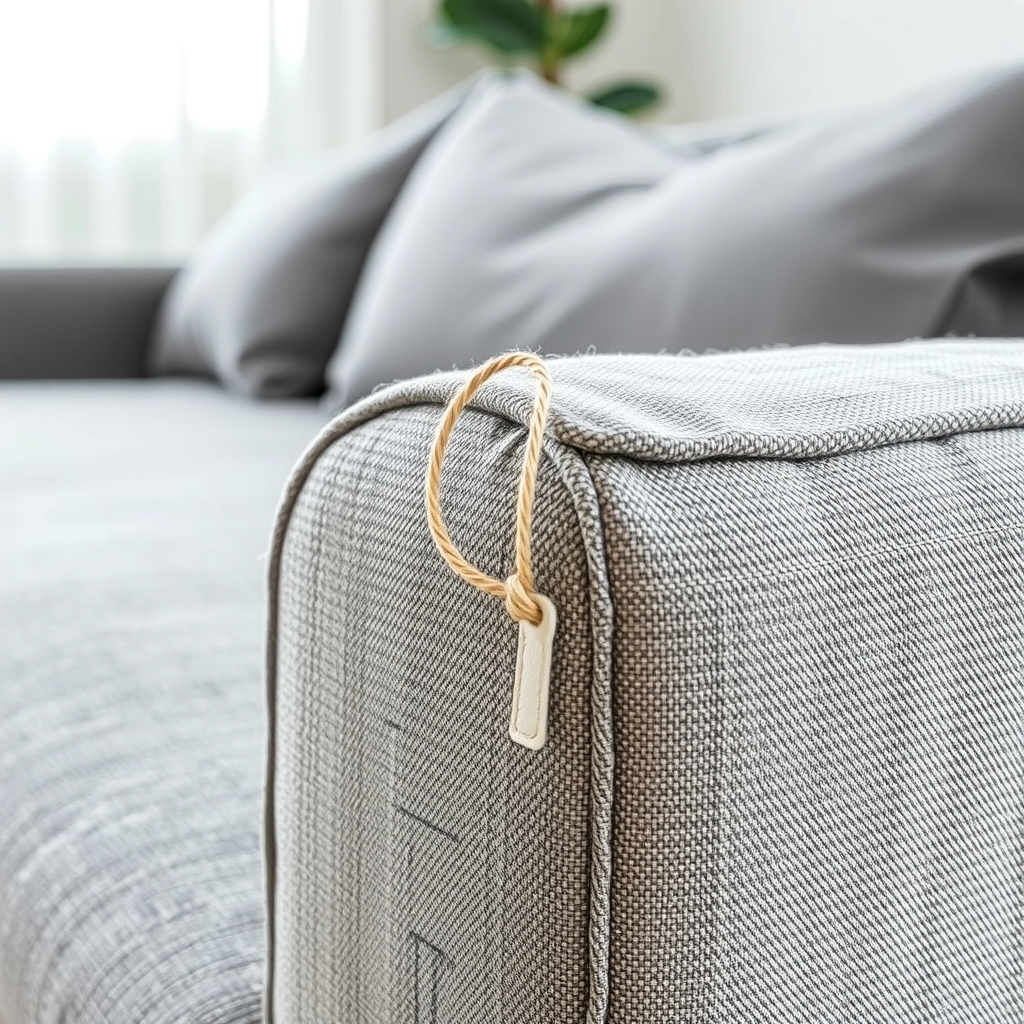 Free fix inside
Pets · Cat Scratch Repair
Cat-Scratched Sofa Fabric: Repair Patches vs. Reupholstering
Read the fixAs an Amazon Associate I earn from qualifying purchases. Affiliate disclosure