Cat Scratching the Door Frame? Repair It and Stop a Repeat
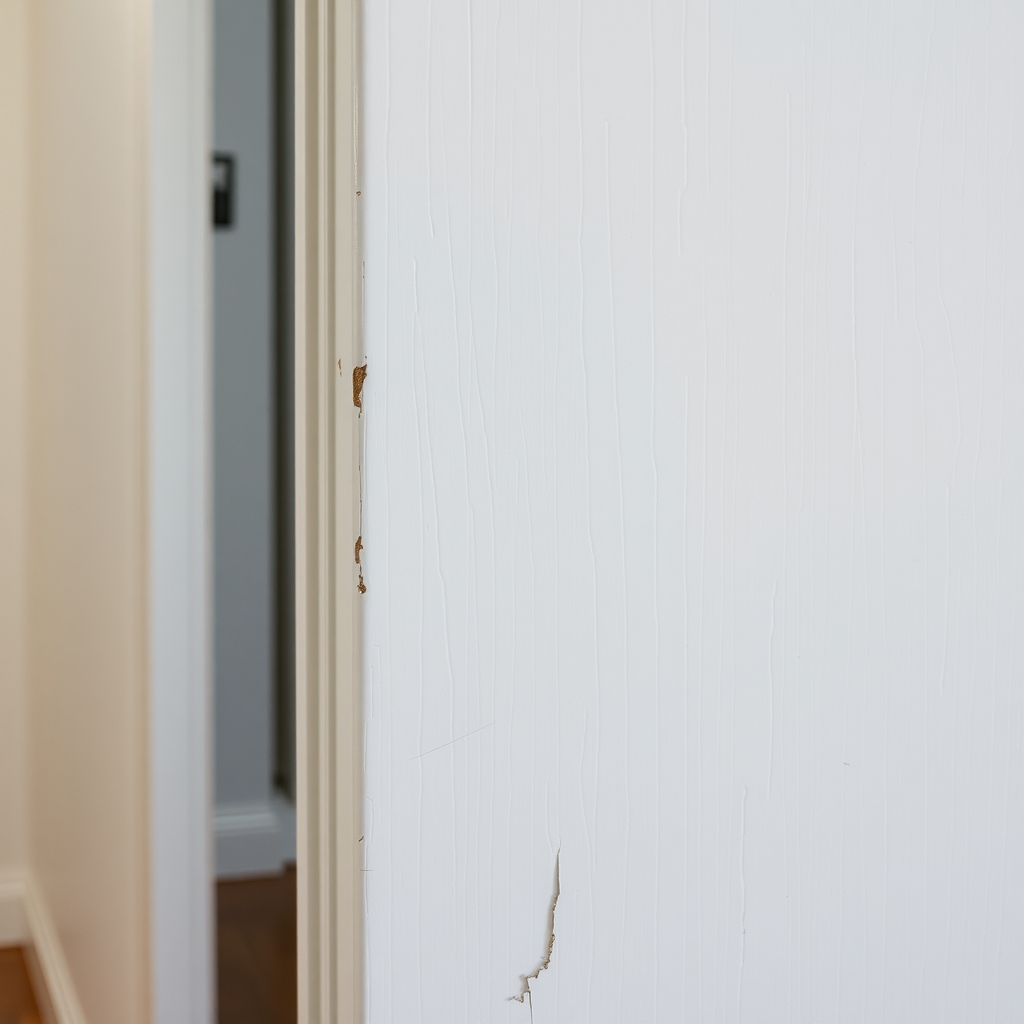
Cats shred door frames to get through or to mark them. Fill and repaint the damage, then cover the spot with a clear guard so claws find nothing to grab.
By Jamilur Rahman Updated November 5, 2026 · 6 min read
- Time
- 1 hour plus drying
- Cost
- Under $20
- Difficulty
- Medium
In this guide
Quick answer
Cats scratch door frames because they want through a shut door, or because the frame is a tall, firm post that grips their claws. Sand off the splinters, fill the gouges, repaint the trim and then cover the area with a clear door frame scratch guard. The guard is what stops the repeat. If the cat only wants in or out, the free fix is to leave the door open.
Free fix vs. permanent fix
Open the door and add a scratcher
- Leave the door open or ajar if you can
- Put a sisal post or cardboard scratcher right beside the frame
- Sand off rough splinters so they do not catch
- Reward the cat each time it uses the scratcher
How long it lasts: Works if the cat scratches to get through, or if it takes to the scratcher. If it marks the frame as its territory, it keeps going back.
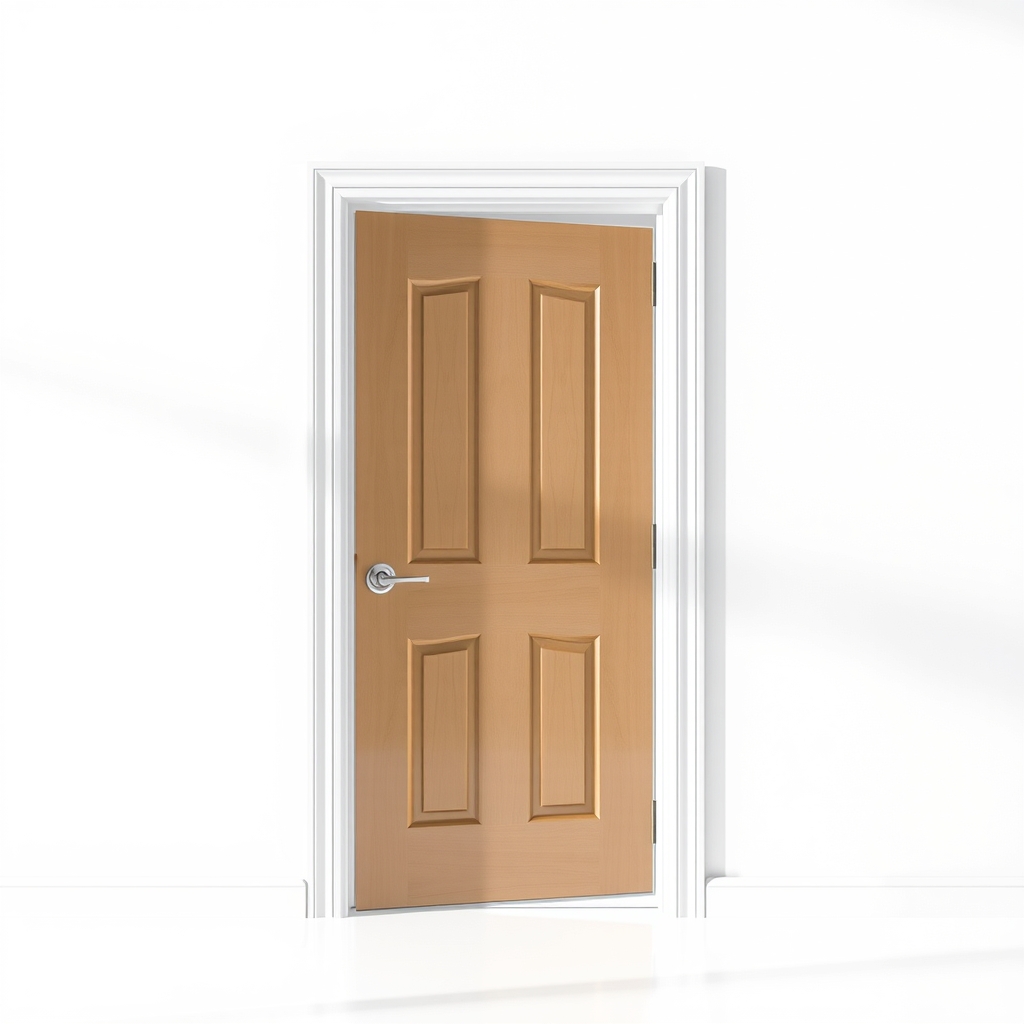
A clear door frame scratch guard
Cats scratch where claws grip and where they can leave a scent. A hard, smooth, clear guard gives claws nothing to catch, and it hides the repair behind it. You keep the door shut and the frame survives.
What to get: Clear door frame scratch guard
How long it lasts: Usually a year or more, though the adhesive can loosen over time. Check the edges now and then.
As an Amazon Associate I earn from qualifying purchases.
What you'll need
-
Sandpaper (120 and 220 grit)
Smooths splinters and feathers the filler
You have it - Illustration
Wood filler or spackle
Paintable, for gouges in the frame
-
Leftover trim paint and brush
A small can is enough for touch-ups
You have it - Our pick Illustration
Clear door frame scratch guard
Goes on after the paint is dry
- Illustration

Double-sided cat tape
A cheap way to test the idea first
- Illustration
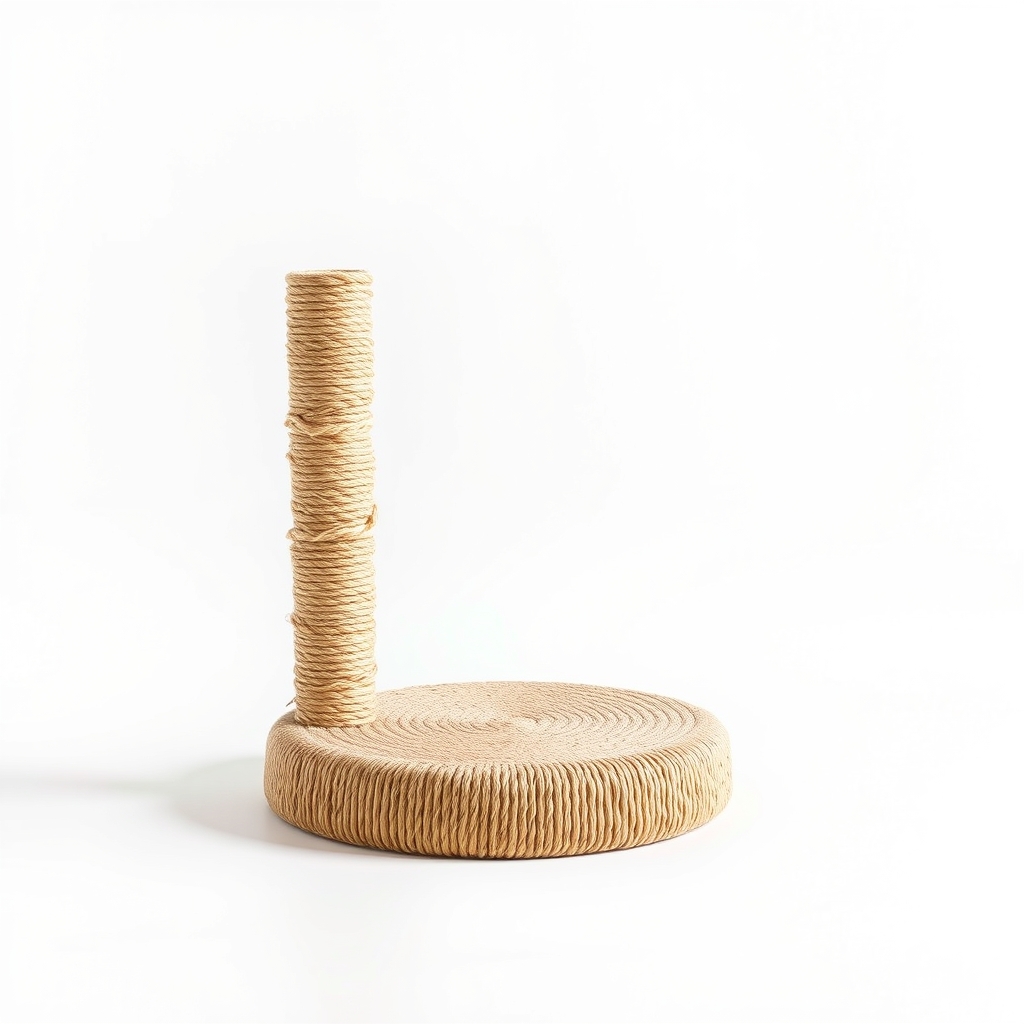
Sisal scratching post
Give the cat a better place to scratch beside the frame
Why it happens
The cat wants through the door
A shut door is a barrier, and scratching at the gap is how a cat says it wants in or out. The latch side of the frame takes most of the damage.
Scent marking
Cats have scent glands in their paws. Scratching leaves a visible mark and a scent mark, and a frame that smells of the cat gets scratched again.
A good vertical post
A tall, firm edge is what cats look for when they stretch. Door frames are tall, solid and right in the traffic path.
No better option nearby
If the only scratcher is across the room, the frame wins. Placement matters more than price.
Try this first (free)
Do these in order, starting with the simplest.
-
Sand off the splinters
Tool used: Sandpaper (120 and 220 grit)Use 120-grit paper to take off splinters and raised paint, then wipe with a damp cloth. Wear a dust mask. If the house was built before 1978, read the lead paint note below first.
-
Fill the gouges
Tool used: Wood filler or spacklePress paintable wood filler or spackle into each gouge with a putty knife or old card, a little proud of the surface. Let it dry as the label says, then sand it flush with 220 grit.
IllustrationCheck price on AmazonTool for this step
Wood filler or spackle · Paintable, for gouges in the frame
-
Prime and repaint
Tool used: Leftover trim paint and brushSpot-prime the filled areas, then apply two thin coats of matching trim paint. Let the paint dry fully, at least a day, before sticking anything on it.
-
Add the guard
Tool used: Clear door frame scratch guardCut the guard to length, wipe the frame with a dry cloth and press the guard on from the bottom up. Cover the scratched stretch plus several inches above it. Smooth out air bubbles as you go.
IllustrationCheck price on AmazonTool for this step
Clear door frame scratch guard · Goes on after the paint is dry
-
Give the cat a better place
Tool used: Sisal scratching postSet a sisal post right beside the frame and sprinkle on a little catnip. Over several weeks, move it a few inches at a time to where you want it.
IllustrationCheck price on AmazonTool for this step
Sisal scratching post · Give the cat a better place to scratch beside the frame
When free fixes aren't enough
A scratcher only helps if the cat likes it better than the frame. If the cat claws at a closed bedroom or bathroom door every night, or you cannot leave the door open, the cat will keep going back and a fresh repair can be wrecked within days. A clear guard removes the grip, so the repair stays. If the cat seems anxious, scratches at doors a lot at night or is doing it out of character, mention it to your vet.
Buy the fix
Still stuck after the free fixes? These are the products we would look at.
| Pick | Product | Fixes | Who it's for | Buy |
|---|---|---|---|---|
| Best pick | Clear door frame scratch guard | claws shredding the wood and paint at the door frame | Cats that scratch at a door you need to keep shut. | Check price |
| Budget pick | Double-sided cat deterrent tape | scratching at one spot while the cat learns another place | Cats that scratch one spot, or anyone who wants a cheap test before buying a guard. | Check price |
Clear door frame scratch guard
Fixes: claws shredding the wood and paint at the door frame
Look for: Thick, hard clear plastic that claws cannot cut; Adhesive that holds but peels off without ripping paint; Long enough to cover the stretch the cat reaches; A width that fits your trim.
- Who it's for
- Cats that scratch at a door you need to keep shut.
- Honest downside
- Your trim is rough, textured or freshly painted. A guard needs a clean, smooth, fully dry surface to stick.
Double-sided cat deterrent tape
Fixes: scratching at one spot while the cat learns another place
Look for: Wide strips that cover the scratched area; Adhesive made to come off painted wood; Clear, so it does not show.
- Who it's for
- Cats that scratch one spot, or anyone who wants a cheap test before buying a guard.
- Honest downside
- You want a long-term fix. Tape picks up dust and loses grip within a few weeks.
As an Amazon Associate I earn from qualifying purchases. We don't show prices because they change, so use the button to see today's price.
How we picked: How we picked: this page is based on trim repair guides, cat behavior advice from veterinary sources, and what owners report in reviews of door frame scratch guards. We do not test products by hand.
Lead paint note for older homes
Homes built before 1978 may have lead paint. Test the trim with a lead test swab from a hardware store before you sand. If it tests positive, do not dry-sand. Wipe with damp paper towels, keep children and pets out of the room and ask a certified pro how to deal with it.
Where to put the guard so it works
- Cover the latch side of the frame first, since that is where cats scratch to get through.
- Start at the floor and go up about as high as the cat can stretch, plus a few inches.
- Cover any gap between the guard and the wall so claws cannot get under the edge.
- Press the guard down for a minute, then leave it for a day before the cat tests it.
What to skip
Scolding and strong-smelling sprays
Scolding teaches a cat to scratch when you are out of the room. Citrus and bitter sprays wear off within days and can stain painted trim. If the cat wants through the door, a spray does not change that. Cover the spot or open the door.
Frequently asked questions
How do I fix cat scratches on a door frame?
Why does my cat scratch the door frame at night?
Will a scratch guard damage my paint?
Can I just paint over the scratches?
Related problems
 Free fix inside
Pets · Cat Scratching
Cat Scratching Furniture? Why Your Post Isn't Working (and What Is)
Read the fix Free fix inside
Pets · Cat Scratch Repair
Cat-Scratched Wood Furniture: Hide the Marks in an Afternoon
Read the fix Free fix inside
Pets · Cat Scratch Repair
Cat-Scratched Sofa Fabric: Repair Patches vs. Reupholstering
Read the fix Free fix inside
Pets · Cat Scratching
Cat Scratching Post That Isn't Ugly: 5 Stylish Posts Cats Use
Read the fixAs an Amazon Associate I earn from qualifying purchases. Affiliate disclosure