Cat-Scratched Sofa Fabric: Repair Patches vs. Reupholstering
Most cat damage on a sofa is small enough to tuck in or patch. Here is which damage needs which fix, before you pay for reupholstery.
By Jamilur Rahman Updated November 5, 2026 · 6 min read
- Time
- 30 min
- Cost
- Under $20
- Difficulty
- Easy
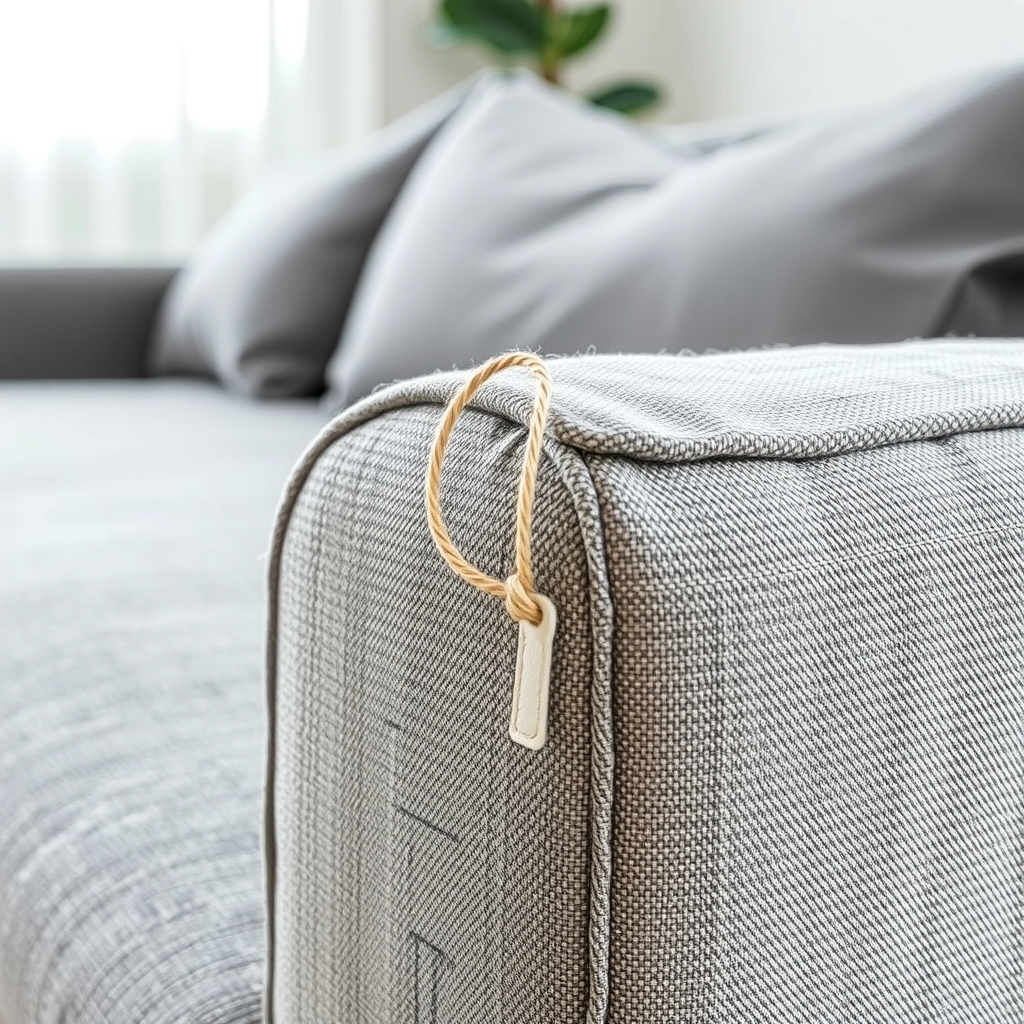
In this guide
Quick answer
Cat claws leave three kinds of damage on fabric: pulled loops, small tears and shredded panels. Tuck loops back in and never cut them. Small tears and holes lie flat under a fabric repair patch. Reupholstering only makes sense when a whole panel is shredded, and it can cost about as much as a decent new sofa. A fitted slipcover sits in between for damage in several places.
Free fix vs. permanent fix
Tuck, trim and cover
- Push pulled loops back through with a needle or toothpick
- Snip only loose, dangling ends
- Brush off fuzz with a soft brush
- Cover a bad spot with a throw until you patch it
How long it lasts: Fine for pulled loops and light snags. It does not close a tear, so a hole keeps growing with every sit.
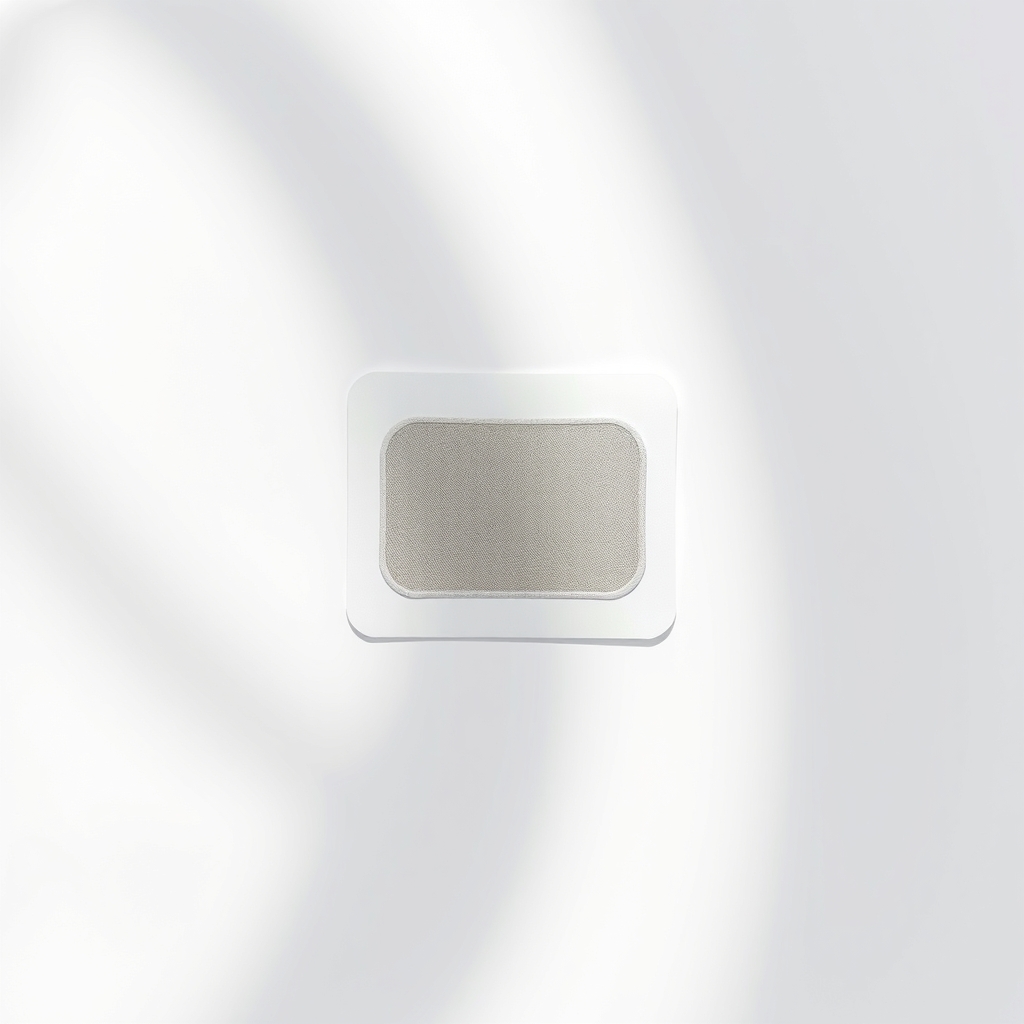
Fabric couch repair patches
A tear spreads each time someone sits down or the cat claws it again. A patch holds the edges together and covers the hole, and a color-matched one blends into most fabrics. It costs a fraction of reupholstering and takes minutes.
What to get: Self-adhesive fabric couch repair patches
How long it lasts: Often years when the edges are pressed down well and the spot is not under heavy strain. Edges can lift on seat cushions that get sat on hard.
As an Amazon Associate I earn from qualifying purchases.
What you'll need
-
Needle or crochet hook
Tucks pulled loops back in
You have it -
Small sharp scissors
For loose, dangling threads only
You have it - Our pick Illustration
Fabric couch repair patches
Match the color and weight of your fabric
- Illustration
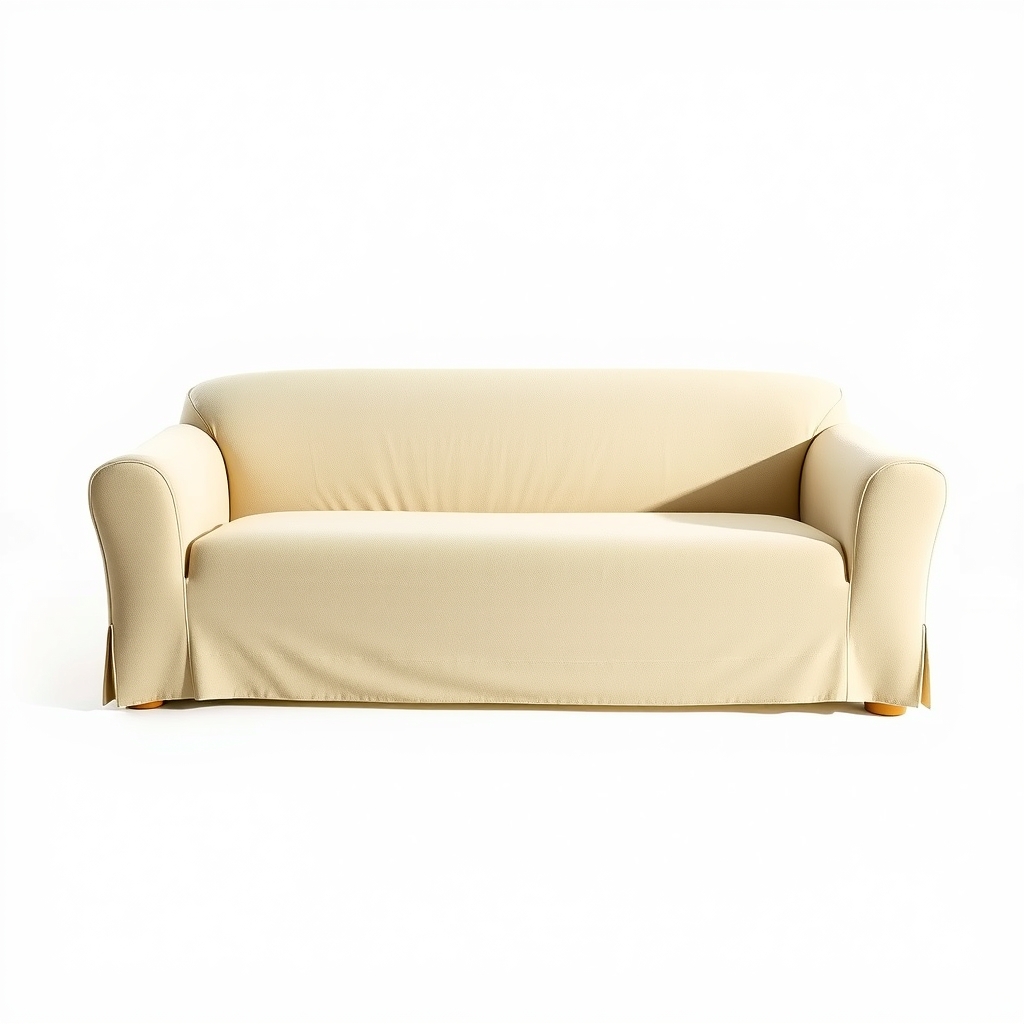
Stretch sofa slipcover
For damage in several places
- Illustration
Clear couch scratch guards
Protect the corner the cat always picks
Why it happens
Loose weaves snag easily
Bouclé, chenille, linen blends and other loose weaves have loops that claws hook into. Tight-weave microfiber holds up better.
Pulls turn into tears
A cat that scratches or kneads pulls a thread each time. Repeated pulls turn a snag into a run, then a tear.
One spot becomes a favorite
Cats go back to the same arm or corner. Damage that is not covered gets worse.
Try this first (free)
Do these in order, starting with the simplest.
-
Tuck pulled loops back in
Tool used: Needle or crochet hookPush the needle through the base of the loop and pull it to the back, or work it in with a toothpick. Never cut a loop at the surface, because the weave can unravel.
-
Trim only loose ends
Tool used: Small sharp scissorsSnip dangling threads flush with the fabric and brush off fuzz. Stop if a thread starts to run.
-
Clean and dry the damaged spot
Dab with a damp cloth, then let it dry fully. Patches and glue will not hold on dust or oils.
-
Apply a repair patch
Tool used: Fabric couch repair patchesCut the patch a little bigger than the damage and round the corners. Apply it from the surface or slide it under the tear, as the instructions say. Press for at least 30 seconds, then wait the time on the package before anyone sits there.
IllustrationCheck price on AmazonTool for this step
Fabric couch repair patches · Match the color and weight of your fabric
-
Guard the favorite spot
Tool used: Clear couch scratch guardsFit clear scratch guards or a tight throw over the corner the cat always picks. A repaired spot is the next target.
IllustrationCheck price on AmazonTool for this step
Clear couch scratch guards · Protect the corner the cat always picks
When free fixes aren't enough
Tucking only works for loops. If the fabric is torn through, a hole is bigger than a coin, or the cat has shredded the same area again and again, a patch is the lasting fix. If the damage covers several places, a slipcover hides all of it at once. A patch will not hide damage on a seam, on a seat edge that gets rubbed daily, or over a full panel of shredded fabric. Then price reupholstery and compare it to a new sofa.
Buy the fix
Still stuck after the free fixes? These are the products we would look at.
| Pick | Product | Fixes | Who it's for | Buy |
|---|---|---|---|---|
| Best pick | Self-adhesive fabric couch repair patches | small tears and holes in sofa fabric | Anyone with one or two tears or holes they want hidden quickly. | Check price |
| Upgrade pick | Stretch sofa slipcover | damage in many spots, and protection from now on | Households where cats scratch several places, or where damage is too big to patch. | Check price |
Self-adhesive fabric couch repair patches
Fixes: small tears and holes in sofa fabric
Look for: Made for fabric, not just leather; Colors or a pattern close to your sofa; Strong adhesive that survives sitting; Large enough to cut down to the right shape.
- Who it's for
- Anyone with one or two tears or holes they want hidden quickly.
- Honest downside
- The damage is on a seam or a heavily used seat edge, or the fabric is thick, textured or strongly patterned. A patch may show or peel.
Stretch sofa slipcover
Fixes: damage in many spots, and protection from now on
Look for: Sized for your sofa's length and arm style; A tight weave that claws cannot snag; Elastic or tuck-in grips that keep it in place; Machine-washable fabric.
- Who it's for
- Households where cats scratch several places, or where damage is too big to patch.
- Honest downside
- Your sofa is an unusual shape or has built-in recliners that a slipcover cannot fit. Measure first.
As an Amazon Associate I earn from qualifying purchases. We don't show prices because they change, so use the button to see today's price.
How we picked: How we picked: this page is based on upholstery care and repair guides, instructions from fabric patch makers, and what owners report in reviews of couch repair patches. We do not test products by hand.
Patch, slipcover or reupholster: how to decide
- Pulled loops or snags: tuck them back in. Free.
- One or two tears or small holes: a repair patch.
- Many scratches in several places: a fitted slipcover.
- A shredded panel, or damage along a seam: get a reupholstery quote and compare it to the price of a new sofa.
Make the patch last
Vacuum or brush the area, then let it dry fully before you start. Press the patch from the center out so no air is trapped, and hold it down for the full time on the package. Do not sit on it, or let the cat on it, until the adhesive has set. Check the edges after a week and press down any that lift.
What to skip
Super glue and scissors
Super glue sets hard and makes a stiff patch that cracks and shows. Cutting a pulled loop at the surface lets the weave unravel. Use fabric glue only on frayed edges, and tuck loops instead of cutting them.
Frequently asked questions
How do I fix a cat scratched sofa?
How do I fix cat scratched fabric furniture, like a chair?
Is reupholstering ever worth it?
How do I stop my cat scratching the sofa again?
Related problems
 Free fix inside
Pets · Cat Pee Smell
Cat Pee Smell on the Couch: Clean It Without Ruining the Fabric
Read the fix Free fix inside
Pets · Cat Scratching
Cat Scratching Furniture? Why Your Post Isn't Working (and What Is)
Read the fix Free fix inside
Pets · Cat Scratch Repair
Cat Scratches on Leather? A Repair Kit Can Hide Most of Them
Read the fix Free fix inside
Pets · Cat Scratch Repair
Cat-Scratched Wood Furniture: Hide the Marks in an Afternoon
Read the fixAs an Amazon Associate I earn from qualifying purchases. Affiliate disclosure