Cat Pee Smell on the Couch: Clean It Without Ruining the Fabric
Urine soaks through the fabric into the cushion foam, so a surface wipe misses it. Check the tag, blot, then use a fabric-safe enzyme upholstery spray.
By Jamilur Rahman Updated November 5, 2026 · 7 min read
- Time
- 30 min plus drying
- Cost
- Under $20
- Difficulty
- Easy
In this guide
Quick answer
Cat urine soaks through couch fabric into the foam underneath, so a quick wipe leaves most of it behind and the smell returns. Read the cleaning code tag first, then blot, add baking soda and vacuum it up. If a smell remains, use an enzyme upholstery spray labeled for fabric. It breaks down urine in the cushion instead of masking it, and it is gentler on fabric than harsh stain removers.
Free fix vs. permanent fix
Blot, baking soda and vacuum
- Blot the spot with a towel; do not rub
- Check the cleaning code tag before you wet anything
- Bury the spot in baking soda and leave it overnight
- Vacuum the baking soda with an upholstery tool
How long it lasts: Enough for a fresh, small accident. If the urine reached the foam, the smell comes back when the fabric is warm or damp.
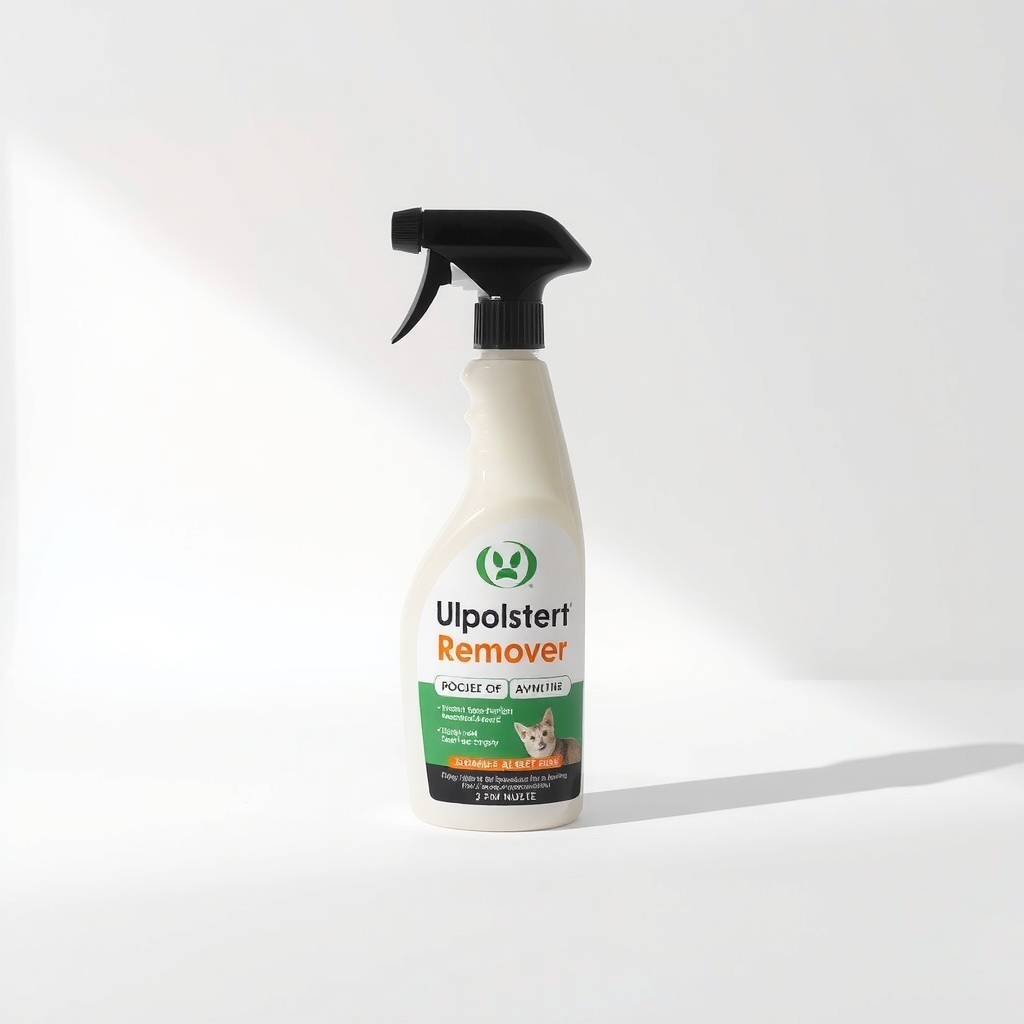
An enzyme upholstery pet odor spray
Enzymes break down the compounds in urine that cause the smell. A spray made for upholstery is formulated to be used on fabric and foam without soaking them, so you get the odor out without the water damage.
What to get: Upholstery pet odor remover spray (enzyme-based)
How long it lasts: For good once dry, if it reaches the urine in the cushion.
As an Amazon Associate I earn from qualifying purchases.
What you'll need
-
Paper towels or old towel
For blotting
You have it -
Baking soda
Draws out moisture and odor overnight
You have it -
Vacuum with upholstery tool
To lift the baking soda out of the weave
You have it - Our pick Illustration
Upholstery pet odor remover spray
Enzyme-based, labeled for fabric and upholstery
- Illustration
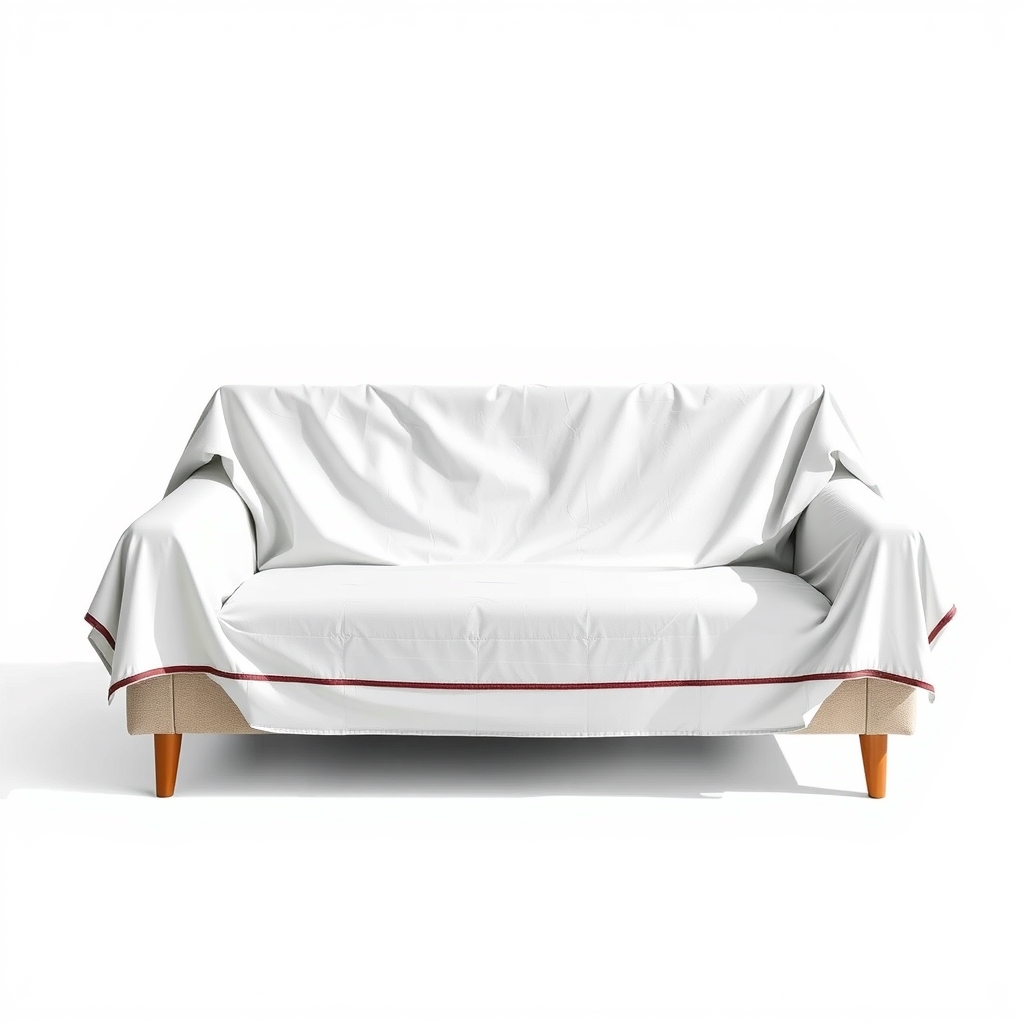
Waterproof washable couch cover
Protects the couch if a cat keeps targeting it
Why it happens
Urine that reaches the foam
Fabric absorbs the surface, but the foam under it acts like a sponge. Most of the urine ends up in the cushion where wiping cannot reach.
Crystals that return when the air is damp
Dried urine leaves uric acid crystals that soap does not dissolve. Humid air and body warmth wake them up, so the smell comes back after you sit down.
Cleaners that wet the fabric too much
Too much liquid pushes urine deeper and leaves water rings on some fabrics, especially velvet and microfiber.
Scent that tells the cat to return
A cat that can still smell urine on a spot tends to go back to it. That is why cleaning the smell, not just the stain, matters.
Try this first (free)
Do these in order, starting with the simplest.
-
Blot, do not rub
Tool used: Paper towels or old towelPress a towel into the wet spot and replace it until it comes up dry. Rubbing frays fabric and pushes the urine deeper into the cushion.
-
Read the cleaning code tag
Look under a cushion for the tag. W means water-based cleaners are fine, S means solvent only, WS allows either, and X means vacuum only. If it says S or X, skip the water and use a product labeled for it, or call a cleaner.
-
Cover the spot with baking soda
Tool used: Baking sodaSpread a thick layer on the damp spot, including the area around it, and leave it for at least eight hours. It pulls moisture and odor out of the weave.
-
Vacuum it up
Tool used: Vacuum with upholstery toolUse the upholstery tool and go slowly in both directions. If the smell is gone once the fabric has dried, you are done.
-
Spray the enzyme cleaner and let it dry
Tool used: Upholstery pet odor remover sprayTest a hidden corner first. Then mist the spot until it is damp, not soaked, and let it sit as long as the label says. Point a fan at it. Do not cover it until it is completely dry.
IllustrationCheck price on AmazonTool for this step
Upholstery pet odor remover spray · Enzyme-based, labeled for fabric and upholstery
When free fixes aren't enough
Baking soda handles light, fresh accidents, but it cannot reach urine that has gone into the foam. If the smell returns on a warm day or when you sit down, the cushion still holds urine, and an enzyme spray is the step that reaches it. For a heavily soaked cushion, a second treatment after drying may be needed. If the foam stays damp for days, smells strongly after two rounds or the couch has been targeted many times, replacing the cushion insert is often the more reliable fix.
Buy the fix
Still stuck after the free fixes? These are the products we would look at.
| Pick | Product | Fixes | Who it's for | Buy |
|---|---|---|---|---|
| Best pick | Upholstery pet odor remover spray (enzyme-based) | urine smell that keeps returning after surface cleaning | Anyone with a cat that has had an accident on a fabric couch, chair or cushion. | Check price |
| Upgrade pick | Waterproof washable couch cover | repeat accidents that soak the cushion before you can clean them | Households where a cat has already used the couch more than once, or while you sort out the cause. | Check price |
Upholstery pet odor remover spray (enzyme-based)
Fixes: urine smell that keeps returning after surface cleaning
Look for: Enzyme formula labeled for pet urine; Labeled safe for fabric upholstery, with a spot-test instruction; A spray bottle that mists, so you do not soak the foam; Free of strong perfume that only masks the smell.
- Who it's for
- Anyone with a cat that has had an accident on a fabric couch, chair or cushion.
- Honest downside
- The tag says X (vacuum only), or the couch is leather or suede. Check the maker's care guide, and test a hidden corner first.
Waterproof washable couch cover
Fixes: repeat accidents that soak the cushion before you can clean them
Look for: A waterproof layer that stops liquid from reaching the cushion; Machine washable, with a non-slip back or straps; Fits your couch size, with room for seat and arm covers if you need them; Soft enough that people will still sit on it.
- Who it's for
- Households where a cat has already used the couch more than once, or while you sort out the cause.
- Honest downside
- The accident was a one-off and you cleaned it well. A cover is extra work you may not need.
As an Amazon Associate I earn from qualifying purchases. We don't show prices because they change, so use the button to see today's price.
How we picked: How we picked: this page is based on upholstery cleaning code guidance, pet-odor care guides, product instructions for enzyme sprays, and what cat owners report in reviews. We do not test products by hand.
Velvet, microfiber and other fabrics that show water rings
On velvet and microfiber, a wet patch can dry stiff or leave a ring. Use light misting, blot after treating and let the cushion dry flat with a fan on it. Once dry, brush the fabric gently with a soft clean brush to lift the nap.
If the cover comes off
If the cushion covers are removable and the tag allows washing, take them off and wash them as the tag directs. Treat the foam insert separately with the enzyme spray and dry it flat in a warm spot, not in direct heat.
What to skip
Soaking the cushion and hot-water stain removers
Pouring on a lot of cleaner leaves a damp cushion that can grow mildew and smells worse as it dries. Hot water and steam can set the urine into the fabric. Stick to light layers and let it dry between rounds.
Frequently asked questions
Will vinegar get cat pee out of a couch?
Can I use an enzyme cleaner on any couch fabric?
Why does the smell come back after I clean it?
Why is my cat peeing on the couch?
Related problems
 Free fix inside
Pets · Cat Pee Smell
Cat or Dog Pee Smell in Carpet? Why Soap Fails and Enzymes Win
Read the fix Free fix inside
Pets · Cat Pee Smell
Cat or Dog Pee Smell on Wood Floors: Get It Out of the Grain
Read the fix Free fix inside
Pets · Cat Scratching
Cat Scratching Furniture? Why Your Post Isn't Working (and What Is)
Read the fix Free fix inside
Pets · Cat Scratch Repair
Cat-Scratched Sofa Fabric: Repair Patches vs. Reupholstering
Read the fixAs an Amazon Associate I earn from qualifying purchases. Affiliate disclosure