Cat or Dog Pee Smell on Wood Floors: Get It Out of the Grain
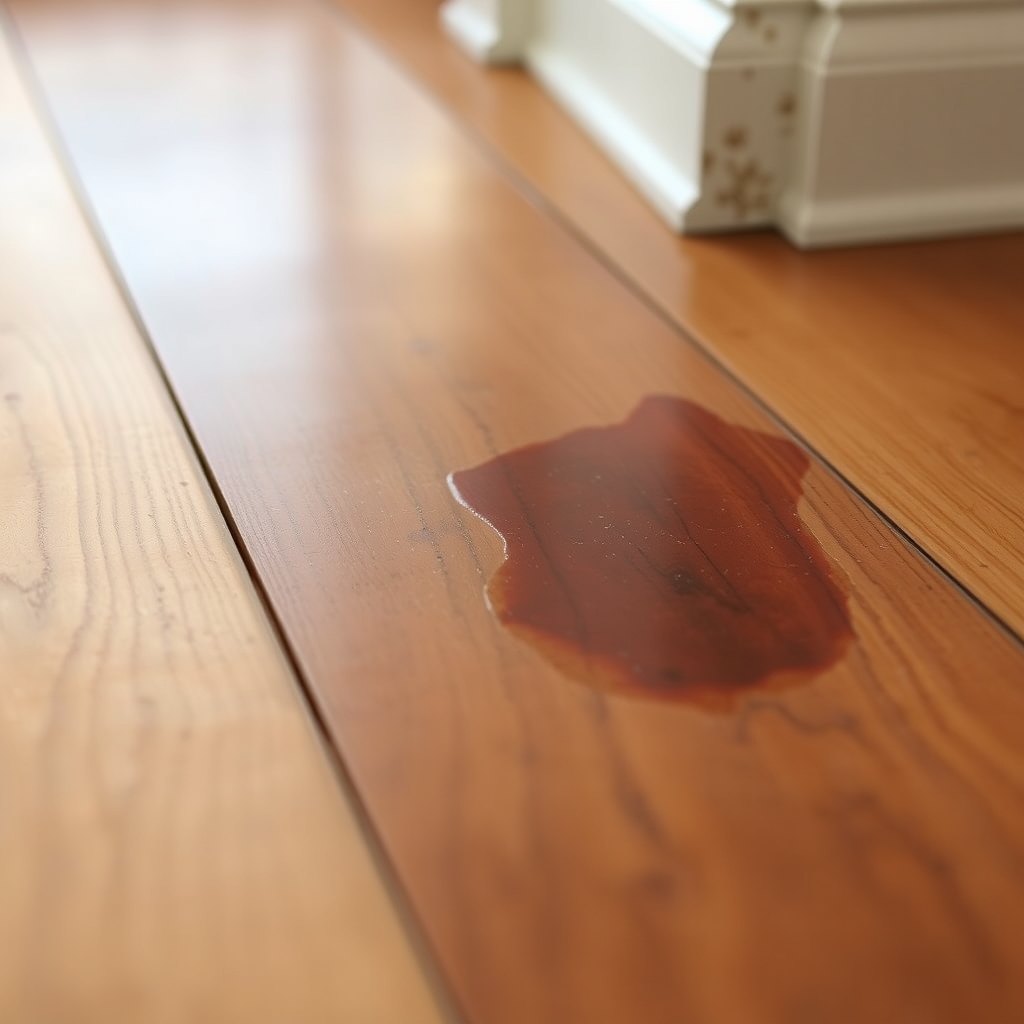
Urine soaks into wood grain and the seams between boards, so the smell returns on humid days. Blot it, find every spot, then use an enzyme cleaner for hardwood.
By Jamilur Rahman Updated November 5, 2026 · 6 min read
- Time
- 30 min plus drying
- Cost
- $20-$50
- Difficulty
- Medium
In this guide
Quick answer
Urine smells again because uric acid dries into crystals that stay in the grain and the gaps between boards, and humid air wakes them up. Blot fresh spots right away and wipe with a barely damp cloth. For anything older, or a smell that keeps returning, use an enzyme cleaner labeled safe for hardwood, keep the spot wet for the time on the label and let the floor dry fully. Skip ammonia and steam.
Free fix vs. permanent fix
Blot, wipe and dry
- Blot with paper towels. Press, do not rub
- Wipe with a cloth wrung almost dry, with one drop of dish soap
- Dry the spot with a towel and run a fan
- Sniff again after a humid day
How long it lasts: Fully fixes a fresh accident on a sealed floor. Old or deep stains smell again on humid days because the crystals stay behind.
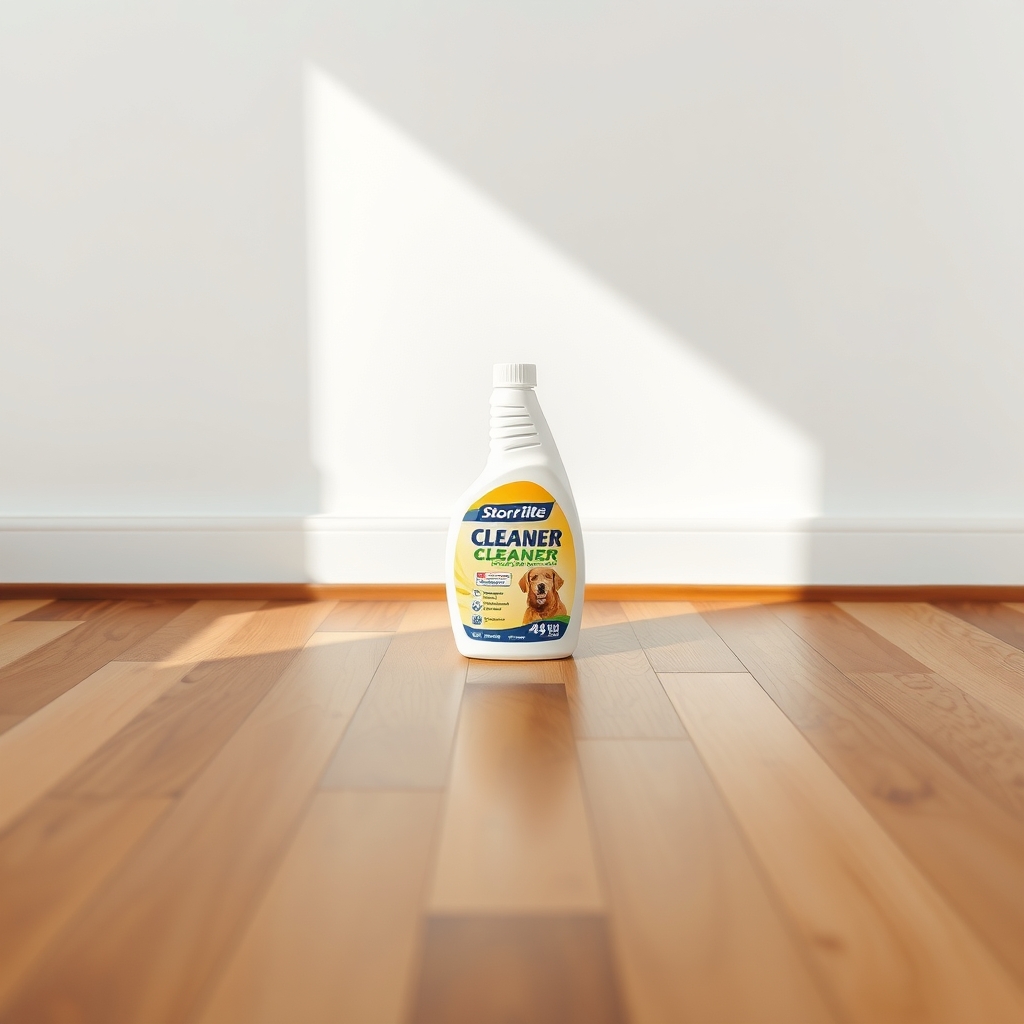
An enzyme cleaner made for hardwood floors
Soap and water do not dissolve uric acid. An enzyme cleaner uses enzymes and friendly bacteria that break the urine down, so the smell has nothing left to come from. A formula made for hardwood is gentle on the finish.
What to get: Enzyme cleaner for pet urine on hardwood floors
How long it lasts: Permanent for most stains, once the cleaner reaches the source and the wood dries.
As an Amazon Associate I earn from qualifying purchases.
What you'll need
-
Paper towels
For blotting fresh urine
You have it -
Microfiber cloth
For wiping with almost no water
You have it - Illustration
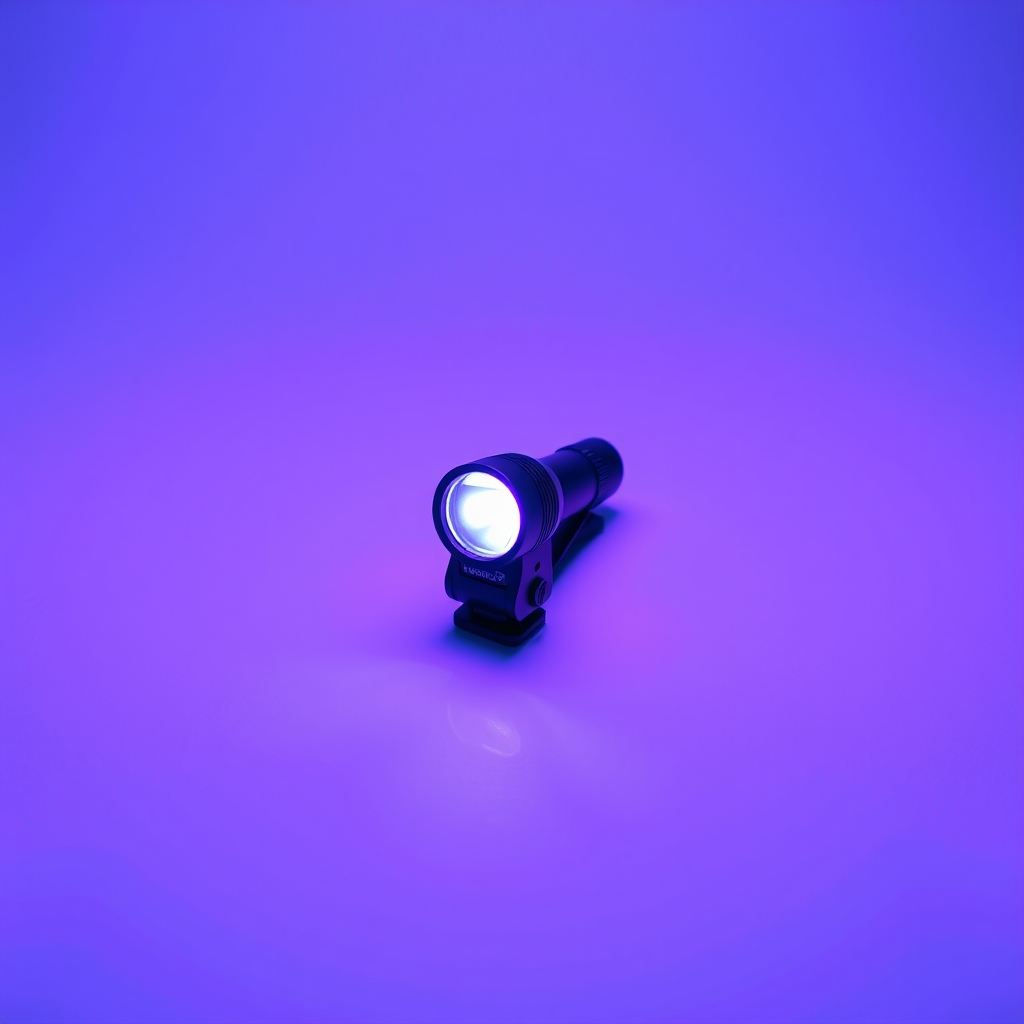
Black light (UV flashlight)
Old urine glows faintly in a dark room, so you find every spot
- Our pick Illustration
Enzyme cleaner for hardwood floors
Test it on a hidden spot first
- Illustration
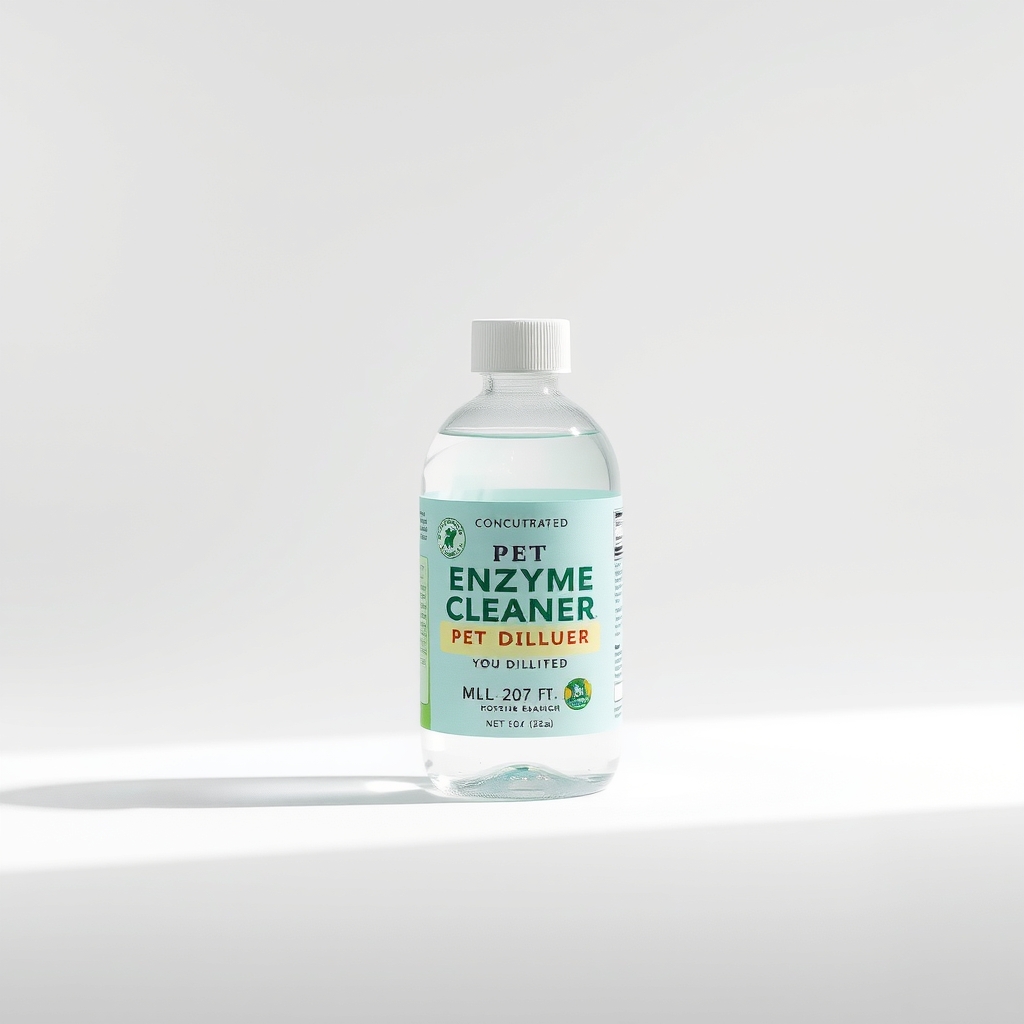
Concentrated enzyme cleaner
Cheaper per treatment if you have many spots
Why it happens
Urine soaks in faster than you think
Wood is porous. Urine runs along the grain and drops into the gaps between boards, where a mop never reaches.
Uric acid crystals stay behind
Wiping removes the liquid, but uric acid dries into crystals that water and soap do not dissolve. Humidity wakes them up, so the smell returns.
Strong cleaners make it worse
Ammonia-based cleaners smell like urine to pets, which can draw them back to the same spot. Soaking the floor in vinegar can also dull the finish.
A worn finish lets it in
A scratched or worn finish lets urine reach bare wood. A sealed floor holds out much longer than a waxed or unfinished one.
Try this first (free)
Do these in order, starting with the simplest.
-
Blot fresh urine right away
Tool used: Paper towelsPress paper towels onto the spot, standing on them if needed, and change them until they come up dry. Rubbing pushes the urine deeper into the grain.
-
Wipe with a barely damp cloth
Tool used: Microfiber clothMix one drop of dish soap into a cup of warm water, wring the cloth almost dry and wipe along the grain. Dry the spot with a clean towel straight away. Standing water warps hardwood.
-
Find every spot in the dark
Tool used: Black light (UV flashlight)Turn the lights off and shine a UV flashlight low across the floor. Urine usually glows a faint yellow-green. Mark each patch with painter's tape. Old spots you missed are often the real source of the smell.
IllustrationCheck price on AmazonTool for this step
Black light (UV flashlight) · Old urine glows faintly in a dark room, so you find every spot
-
Test, then treat each marked spot
Tool used: Enzyme cleaner for hardwood floorsTry the enzyme cleaner on a hidden patch first and check for dulling once it dries. Then spray each marked spot lightly and keep it damp for as long as the label says, often 10 to 15 minutes. Do not flood the boards.
IllustrationCheck price on AmazonTool for this step
Enzyme cleaner for hardwood floors · Test it on a hidden spot first
-
Dry it and repeat if needed
Blot the spot, then let it air-dry with a fan. Sniff again once the floor is fully dry. Old stains often need a second round.
When free fixes aren't enough
If the smell returns after soap and water, it is in the grain or the seams, and plain cleaning cannot reach it. An enzyme cleaner can. If you see dark gray or black patches, the urine went through the finish and stained the wood itself. No cleaner will lift that, and those boards need sanding and refinishing, so call a floor pro. If the boards feel soft or have lifted at the edges, treat it as water damage and have a pro look at it.
Buy the fix
Still stuck after the free fixes? These are the products we would look at.
| Pick | Product | Fixes | Who it's for | Buy |
|---|---|---|---|---|
| Best pick | Enzyme cleaner for pet urine on hardwood floors | the urine smell that comes back after regular cleaning | Anyone with an older stain, or a smell that keeps coming back on humid days. | Check price |
| Budget pick | Concentrated pet enzyme cleaner you dilute | the same smell, at a lower cost per treatment | Households with several spots or several pets. | Check price |
Enzyme cleaner for pet urine on hardwood floors
Fixes: the urine smell that comes back after regular cleaning
Look for: A label that says safe for sealed hardwood; Enzymes or bacteria that break down urine, not just a fragrance; A spray bottle that lets you control how much goes on; No bleach or ammonia.
- Who it's for
- Anyone with an older stain, or a smell that keeps coming back on humid days.
- Honest downside
- Your floor is unfinished or waxed. Test first or ask the floor maker, since long contact with moisture can darken bare wood.
Concentrated pet enzyme cleaner you dilute
Fixes: the same smell, at a lower cost per treatment
Look for: Dilution instructions you can follow with a measuring cup; A label that allows use on sealed floors; A spray bottle that you can refill.
- Who it's for
- Households with several spots or several pets.
- Honest downside
- You want a ready-to-use bottle with no mixing, or the label does not mention hardwood.
As an Amazon Associate I earn from qualifying purchases. We don't show prices because they change, so use the button to see today's price.
How we picked: How we picked: this page is based on flooring care guides, pet-odor advice from veterinary and cleaning sources, and what owners report in reviews of enzyme cleaners. We do not test products by hand.
Sealed or bare wood? Check before you spray
Put a few drops of water on a hidden board. If they bead up, the floor is sealed, and the cleaner will work mainly on the surface and the seams. If the water soaks in or darkens the wood, the finish is worn or missing. Use the cleaner sparingly, dry it fast and ask the floor maker or a pro before treating a large area.
Keep it from happening again
Clean every accident the same day. Ask a floor pro about re-coating worn patches once the smell is gone. If your pet keeps going in one place, put a waterproof mat there while you work out why.
What to skip
Ammonia, vinegar soaks and steam cleaners
Ammonia smells like urine to pets and can bring them back to the spot. Soaking boards in vinegar can dull the finish. Steam pushes water and heat into the seams, where it can cup or warp hardwood. Never mix bleach with ammonia, because the fumes are toxic.
Frequently asked questions
Why does my hardwood floor smell like dog urine after I cleaned it?
How do I fix hardwood floors from dog pee if there is a stain?
Why does my hardwood floor smell like cat pee when I see no stain?
Could this be a health problem?
Related problems
As an Amazon Associate I earn from qualifying purchases. Affiliate disclosure