Cat Scratches on Leather? A Repair Kit Can Hide Most of Them
Light scratches often buff out with a little warmth and conditioner. For the deeper ones, a color-matched leather repair kit fills and hides the damage.
By Jamilur Rahman Updated November 5, 2026 · 6 min read
- Time
- 1 hour plus drying
- Cost
- Under $20
- Difficulty
- Medium
In this guide
Quick answer
Cat claws scuff the color coat or cut into the hide, and the right fix depends on how deep the mark is. Light scratches often blend away when you warm them with a fingertip and rub in a little leather conditioner. Deeper ones need a leather repair kit: a filler to level the cut, color matched to your leather and a sealer. A kit can hide most scratches, though not all of them, and not perfectly.
Free fix vs. permanent fix
Warm it, condition it, buff it
- Clean the area with a damp soft cloth and let it dry
- Rub the scratch with a clean fingertip to warm the leather
- Work in a little leather conditioner
- Buff with a soft cloth until the mark fades
How long it lasts: Permanent for surface scuffs that only moved the finish. A cut into the hide stays visible.
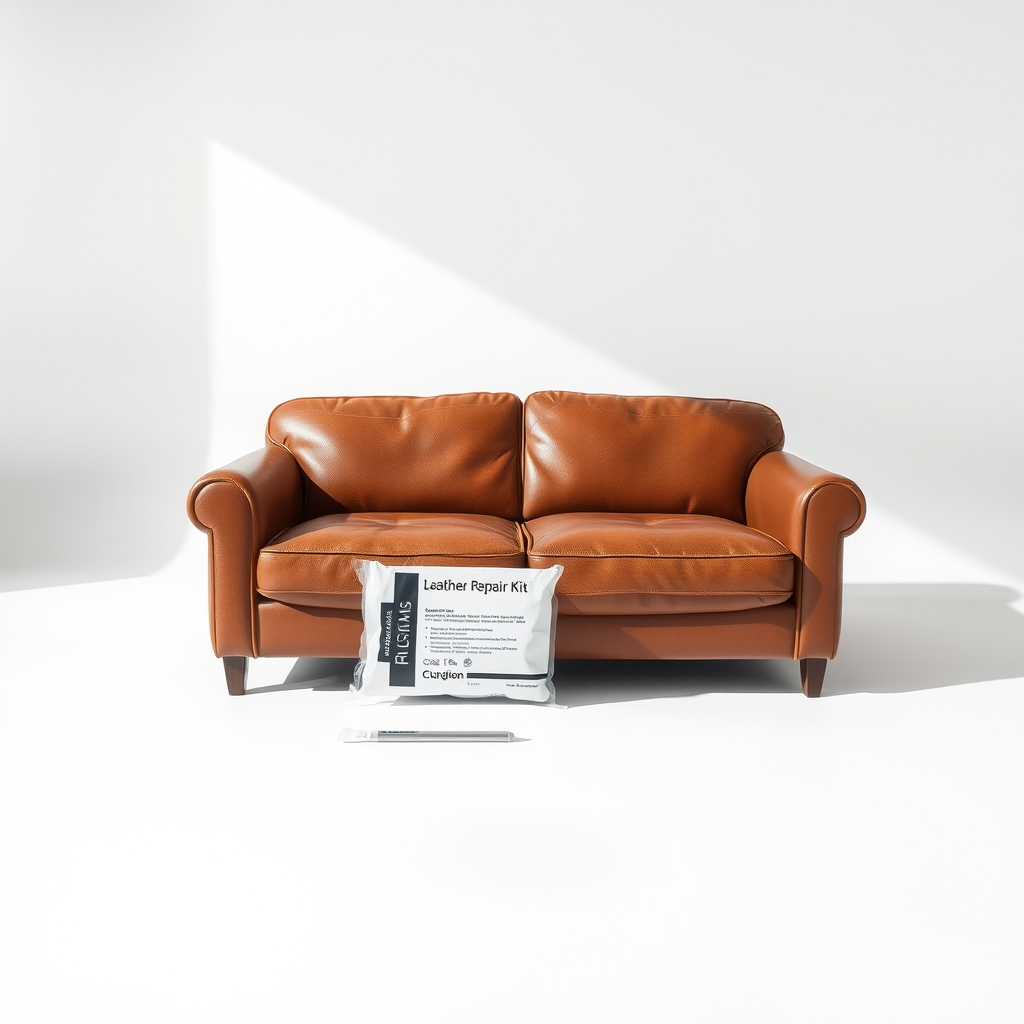
A color-matched leather repair kit
A kit does what rubbing cannot: it fills the cut so it is level with the surface, adds color where the claws removed it and seals it with a finish. Most scratches that conditioner cannot hide, a kit can.
What to get: Leather repair kit for couches
How long it lasts: Years, when sealed. It wears like the rest of the leather and may need a touch-up.
As an Amazon Associate I earn from qualifying purchases.
What you'll need
-
Soft microfiber cloth
For cleaning and buffing
You have it -
Hair dryer
On low heat, to dry thin layers of filler
You have it - Illustration
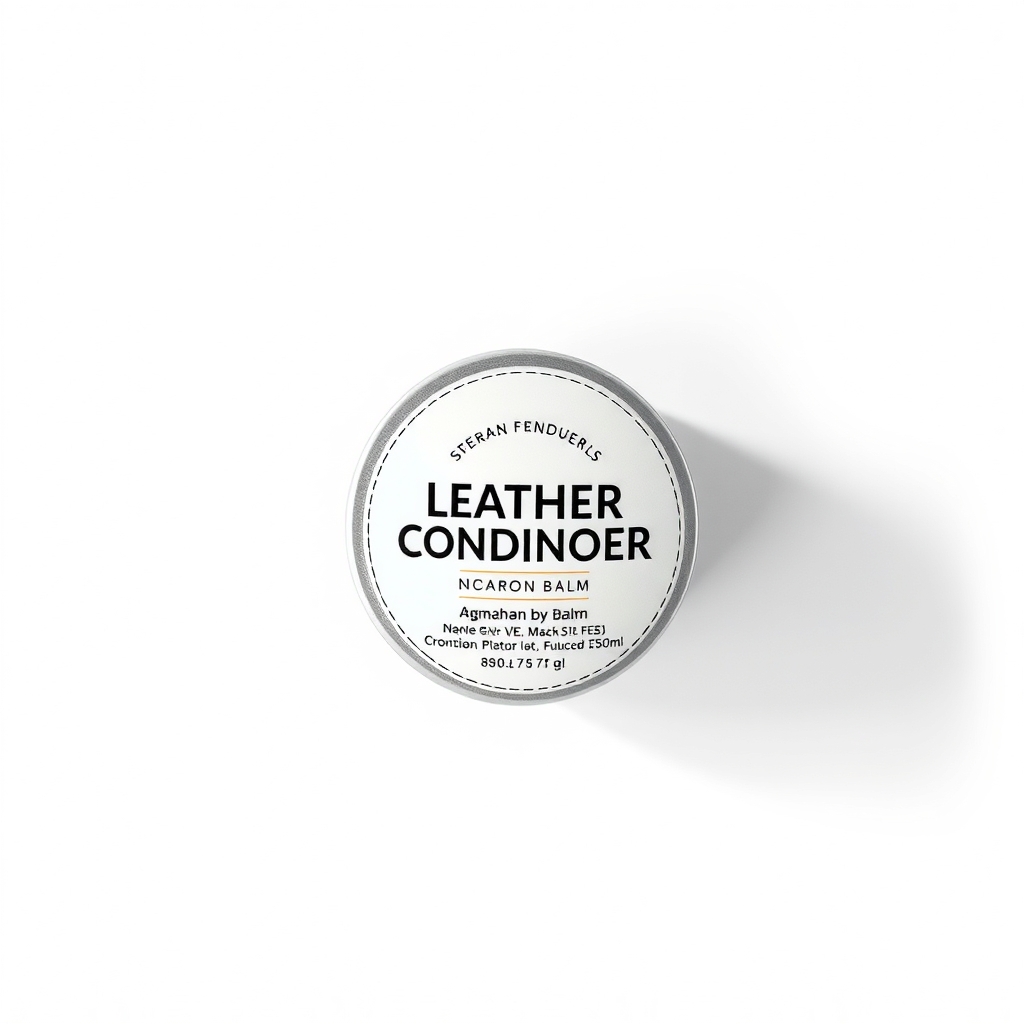
Leather conditioner
For light scratches that only moved the finish
- Our pick Illustration
Leather repair kit
Filler, color mixing and a sealer, with a way to match your shade
Why it happens
Claws scraping the finish
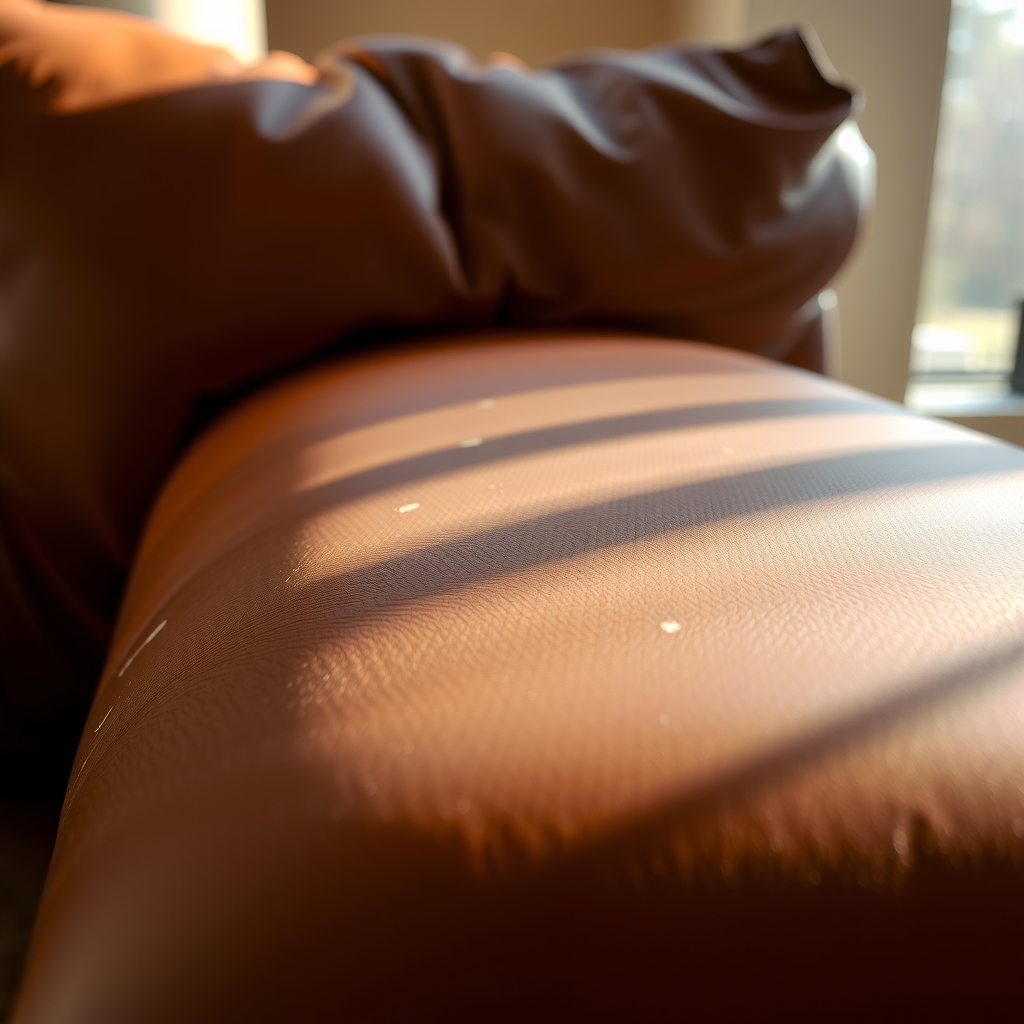
Most couch leather has a thin color coat on top. Claws drag through it and leave pale lines, even when the hide underneath is not cut.
Claws cutting into the hide
Sharp claws can slice into the leather itself. These marks show raised fibers or a visible groove, and conditioner alone will not hide them.
Unprotected leather that marks easily
Aniline and similar soft leathers have little or no protective coat. They scratch and stain easily, though light scratches often blend away as the leather's oils spread.
A cat that has found a favorite spot
Cats scratch to stretch and mark territory. Once a spot has been scratched, it keeps drawing them back unless you give them a better option.
Try this first (free)
Do these in order, starting with the simplest.
-
Check what kind of leather you have
Put a drop of water on a hidden spot. If it soaks in and darkens, the leather is unprotected, so use a light touch. If it beads up, the leather has a protective coat and takes repairs well. Faux or bonded leather peels and needs a different kit.
-
Clean the scratch
Tool used: Soft microfiber clothWipe the area with a slightly damp cloth and let it dry. Dirt under the filler will show later.
-
Warm and condition light scratches
Tool used: Leather conditionerRub the scratch with a clean fingertip for about a minute to warm the leather. Work in a little conditioner and buff with a soft cloth. Many surface scuffs fade at this step.
IllustrationCheck price on AmazonTool for this step
Leather conditioner · For light scratches that only moved the finish
-
Fill deeper scratches in thin layers
Tool used: Leather repair kitTrim any loose fibers with small scissors. Spread a thin layer of filler across the cut, dry it with the hair dryer on low and repeat until it is level. Sand it lightly if the kit includes sandpaper.
IllustrationCheck price on AmazonTool for this step
Leather repair kit · Filler, color mixing and a sealer, with a way to match your shade
-
Color and seal
Tool used: Hair dryerMix the colorants on a scrap to match your leather. Dab thin coats over the filler, drying between each, then add the sealer. Judge the match in daylight, not under a lamp.
When free fixes aren't enough
Conditioner can hide marks in the finish, but it cannot fill a cut. If the scratch has raised fibers or you can feel a groove with your fingernail, the hide itself is damaged, and the repair kit's filler and color are what level and hide it. A kit works best on finished (protected) leather and small to medium damage. Large gouges, torn seams, cracking or peeling leather and bonded leather are better handled by an upholstery repair professional. Use a kit made for your leather type, and test the color first.
Buy the fix
Still stuck after the free fixes? These are the products we would look at.
| Pick | Product | Fixes | Who it's for | Buy |
|---|---|---|---|---|
| Best pick | Leather repair kit for couches | cuts and deep scratches that conditioner cannot hide | Anyone with a leather couch or chair that has visible claw cuts and wants to avoid paying for a pro. | Check price |
| Budget pick | Leather conditioner or balm | light scuffs and fine scratches that only moved the finish | Anyone whose scratches are light, shallow and not through the color coat. | Check price |
Leather repair kit for couches
Fixes: cuts and deep scratches that conditioner cannot hide
Look for: Filler plus several colorants you can mix to match your shade; A sealer or finish to protect the repair; Applicators and, ideally, grain paper for textured leather; Clear instructions and a color mixing guide.
- Who it's for
- Anyone with a leather couch or chair that has visible claw cuts and wants to avoid paying for a pro.
- Honest downside
- Your leather is suede, nubuck or bonded leather. A standard kit is not made for those surfaces.
Leather conditioner or balm
Fixes: light scuffs and fine scratches that only moved the finish
Look for: Made for the type of leather on your furniture; Soft cream or balm that is easy to work into scratches; No heavy solvent smell; Safe on colored leather, with a patch-test instruction.
- Who it's for
- Anyone whose scratches are light, shallow and not through the color coat.
- Honest downside
- You can feel a groove or see raised fibers. Conditioner will not fill it.
As an Amazon Associate I earn from qualifying purchases. We don't show prices because they change, so use the button to see today's price.
How we picked: How we picked: this page is based on leather-care and furniture repair guides, product instructions from repair kit makers, and what owners report in reviews. We do not test products by hand.
Matching the color
Color matching is the hardest part. Mix a small amount of colorant on a scrap or a hidden spot and let it dry, because wet color looks darker. Add a drop of a lighter or darker shade until it matches in daylight. Build up thin coats instead of one thick one.
Saving the leather from the next scratch
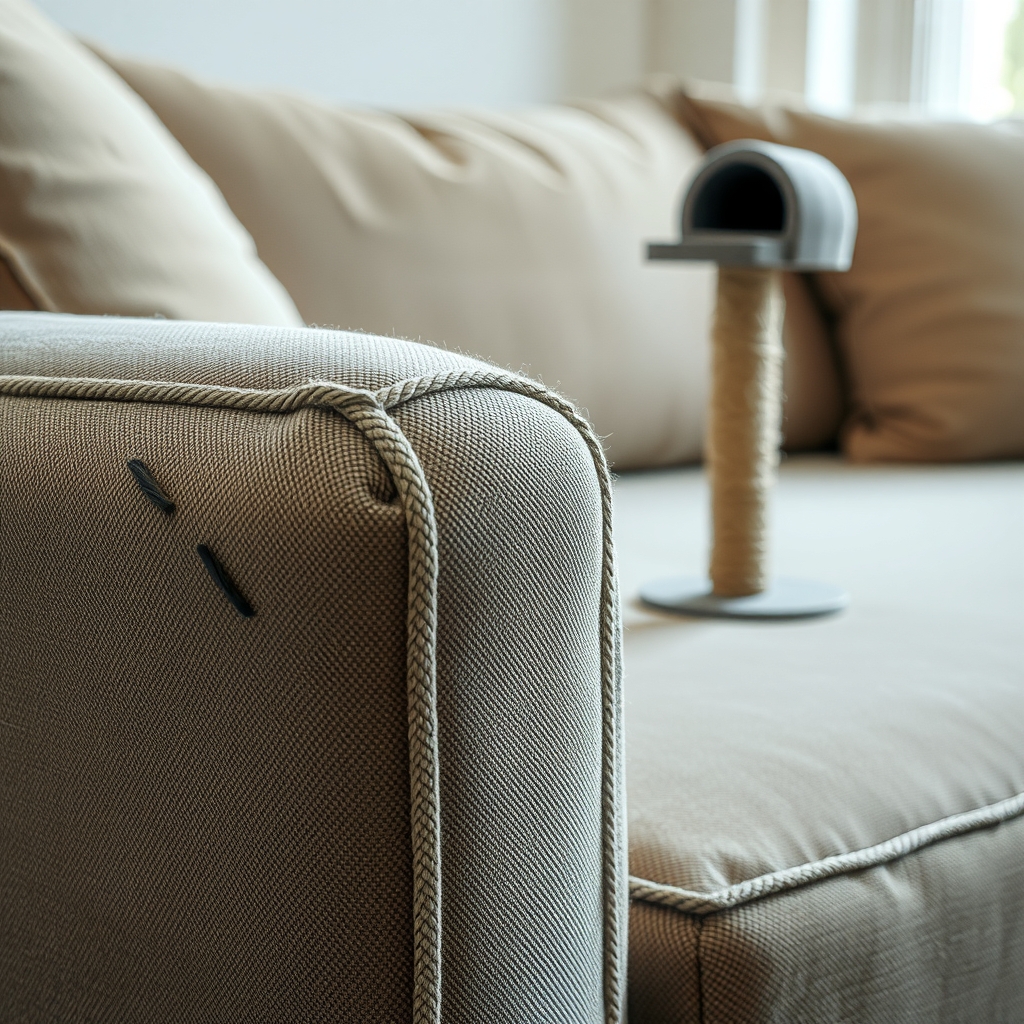
Condition leather a few times a year so it stays supple and the finish holds. Keep claws trimmed, and put a scratching post where the cat likes to scratch. A cat that has a satisfying post is less likely to go back to the leather.
What to skip
Super glue, nail polish and marker touch-ups
They dry hard and shiny, they look worse in daylight and they are hard to undo, which can make a pro repair more costly later. Use a product made for leather, and test it first.
Frequently asked questions
Can you fix cat scratches on leather yourself?
Will leather conditioner remove scratches?
Does a repair kit work on faux or bonded leather?
How do I keep the cat from scratching the leather again?
Related problems
 Free fix inside
Pets · Cat Scratching
Cat Scratching Furniture? Why Your Post Isn't Working (and What Is)
Read the fix Free fix inside
Pets · Cat Scratching
Cat Scratching Post That Isn't Ugly: 5 Stylish Posts Cats Use
Read the fix Free fix inside
Pets · Cat Scratch Repair
Cat-Scratched Wood Furniture: Hide the Marks in an Afternoon
Read the fix Free fix inside
Pets · Cat Scratch Repair
Cat Scratching the Door Frame? Repair It and Stop a Repeat
Read the fixAs an Amazon Associate I earn from qualifying purchases. Affiliate disclosure