Driveway Sealer Peeling? Strip It and Reseal the Right Way
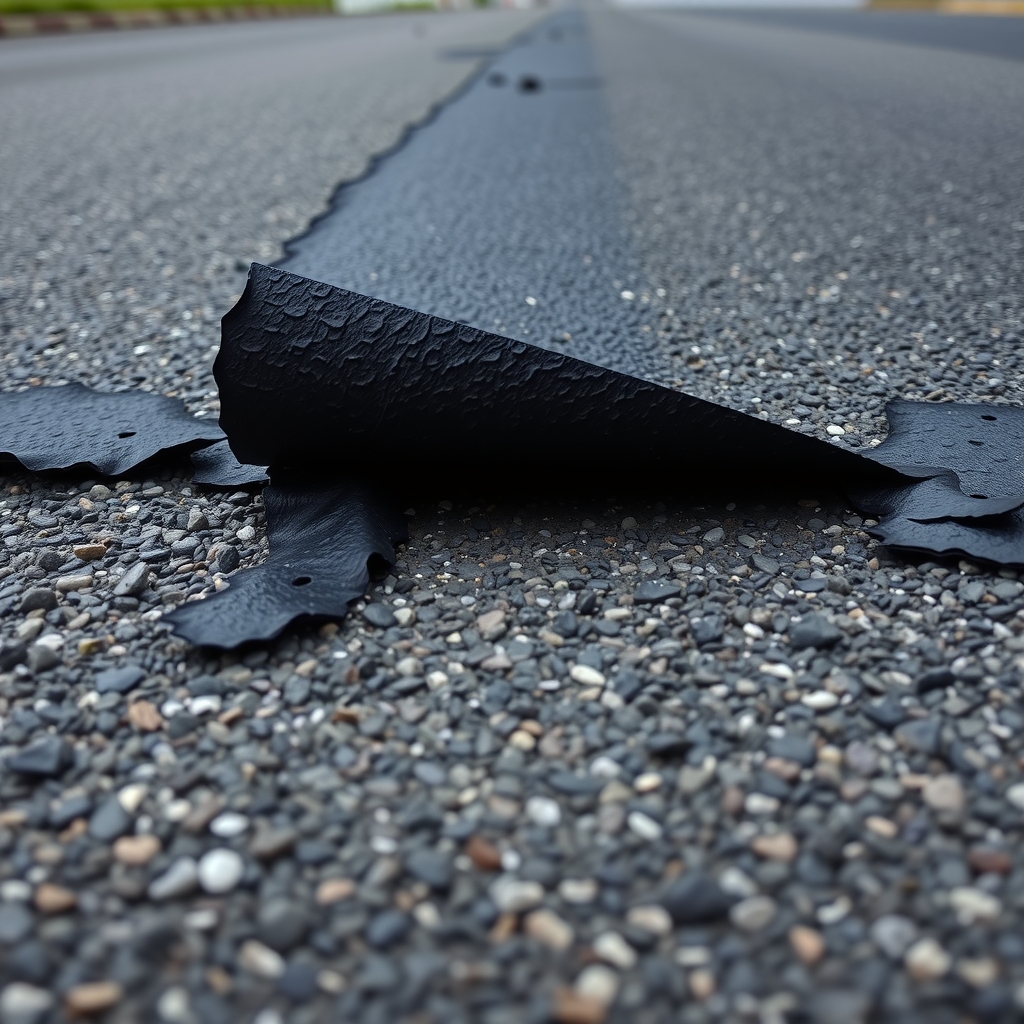
Sealer peels when it goes on too thick, too soon or onto a dirty surface. Scrape off what is loose, repair the cracks, then reseal in thin coats.
By Jamilur Rahman Updated November 5, 2026 · 6 min read
- Time
- 1 weekend
- Cost
- $50-$150
- Difficulty
- Medium
In this guide
Quick answer
Why is my driveway sealer peeling? Usually it went on too thick, over a dirty, oily or damp surface, or before new asphalt had cured, so it never bonded. Scrape off everything loose, clean the surface, fill the cracks and let it dry. Then apply a fresh driveway sealer in two thin coats.
Free fix vs. permanent fix
Scrape and wash off the loose sealer
- Scrape or wire-brush every flake that lifts
- Sweep and wash the surface, then let it dry fully
- Scrub oil spots with degreaser and rinse
- Wait for a dry, warm stretch before sealing
How long it lasts: Stops the flakes spreading and leaves a clean surface. Bare asphalt left unsealed ages in sun and water, so this only buys time.
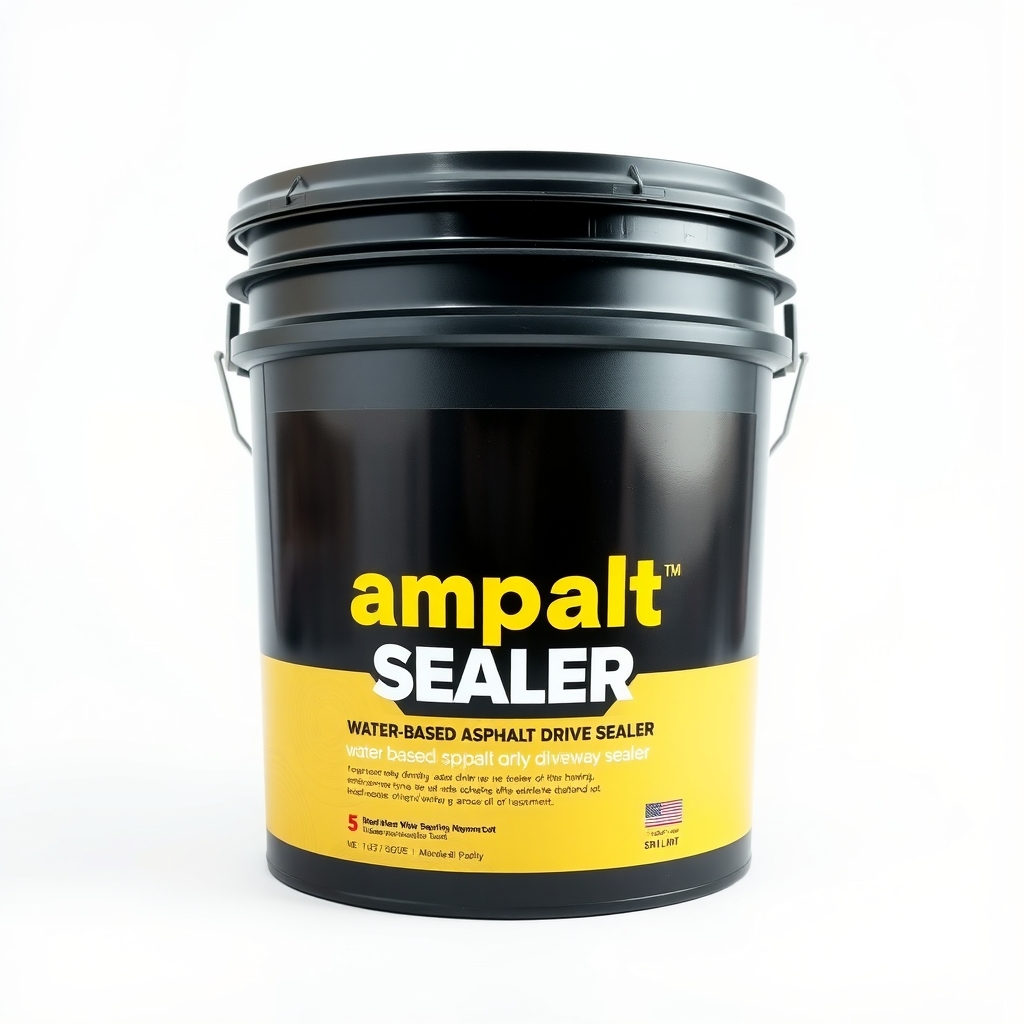
A fresh coat of asphalt driveway sealer, in two thin layers
Peeling is a bonding problem. Once the loose layer is off and the surface is clean and dry, a new coat has something to grip. The sealer then shields the asphalt from sun, water and oil, which is the job the failed coat was not doing.
What to get: Water-based asphalt driveway sealer, 5-gallon pail
How long it lasts: Often two to three years before it needs redoing, if it bonds properly.
As an Amazon Associate I earn from qualifying purchases.
What you'll need
-
Stiff broom and garden hose
To sweep and wash off dust and flakes
You have it -
Wire brush or paint scraper
Lifts loose sealer; a cheap one from a hardware store works
You have it -
Gloves, eye protection and old clothes
Sealer stains and irritates skin and eyes
You have it - Illustration
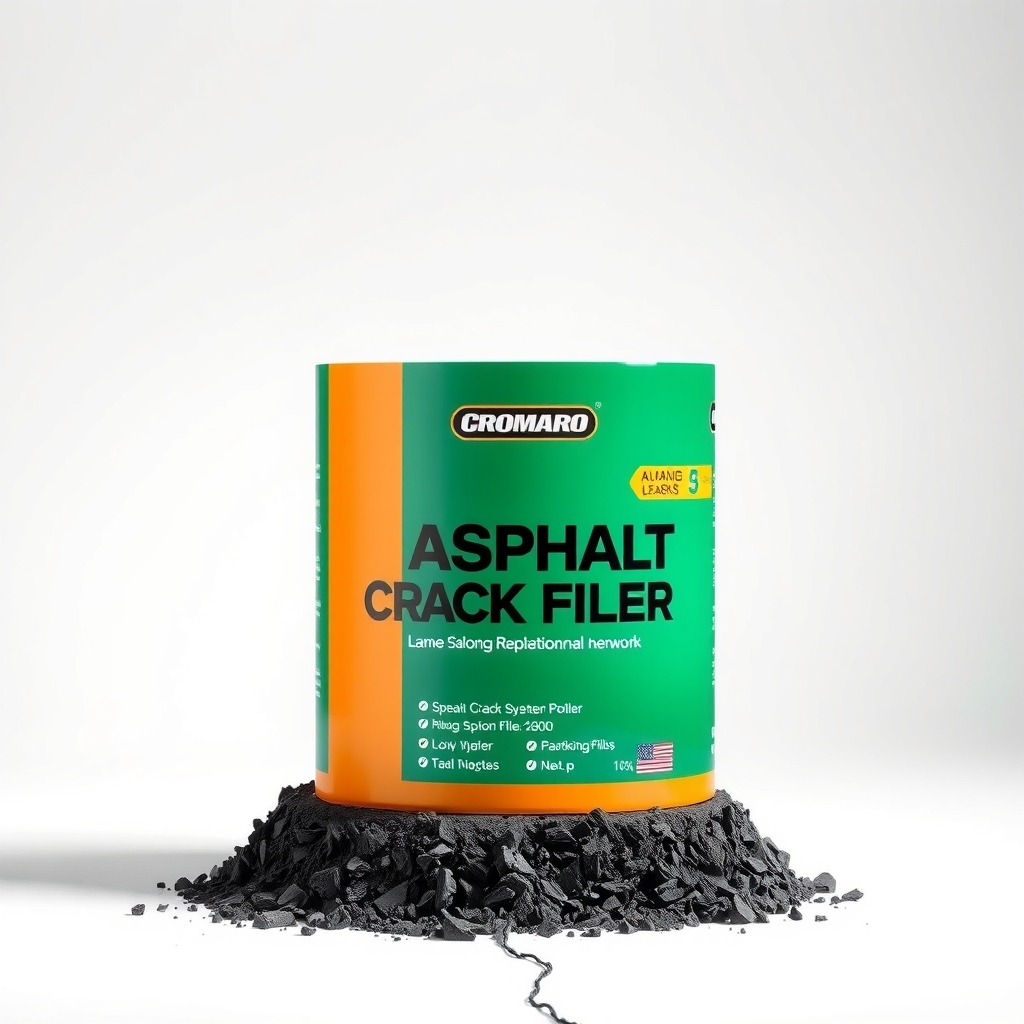
Asphalt crack filler
Fill cracks before you seal, or water gets under the new coat
- Illustration
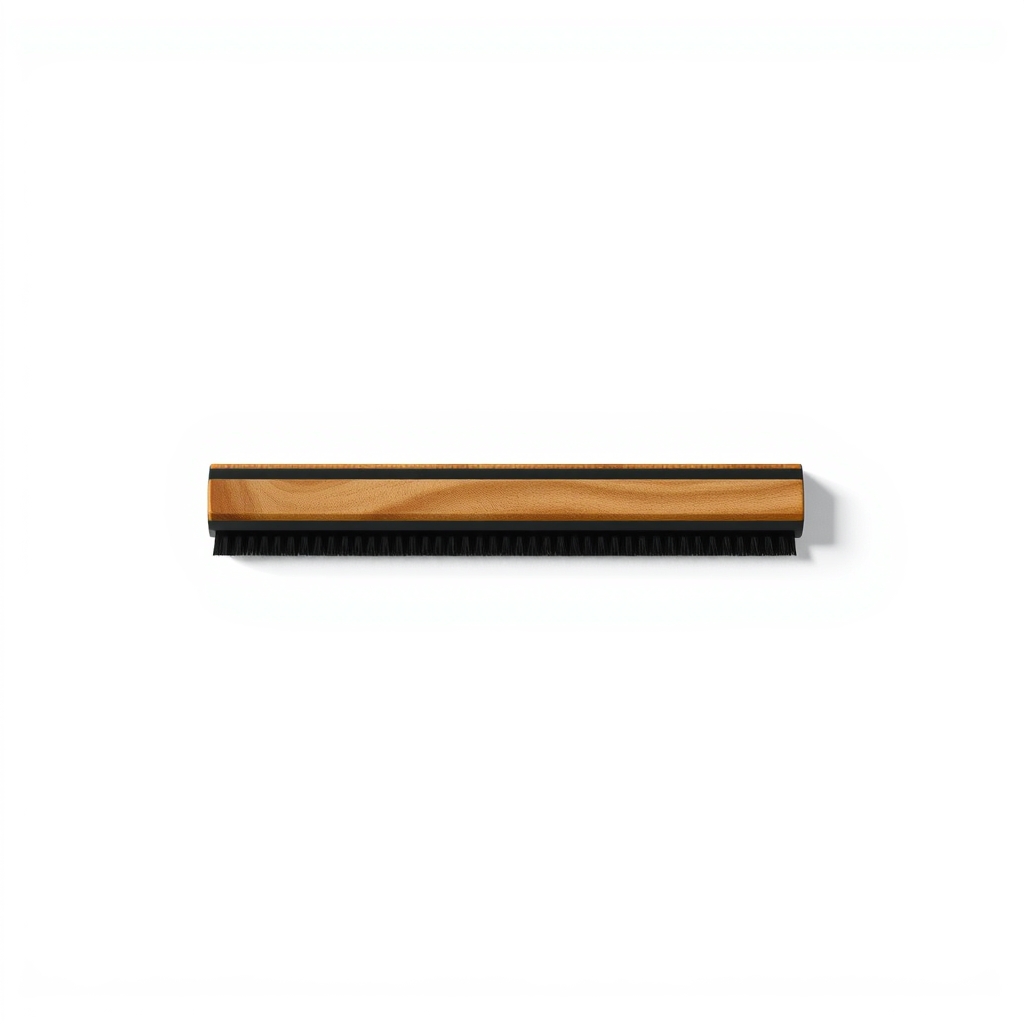
Sealer squeegee or brush
Spreads the sealer in a thin, even coat
- Our pick Illustration
Asphalt driveway sealer
Two thin coats, not one thick one
Why it happens
Applied too thick
One heavy coat dries on top and stays soft underneath, then curls and peels. Two thin coats bond better and dry through.
A dirty, oily or damp surface
Sealer cannot stick to dust, oil or wet pavement. Oil spots are the usual place where peeling starts.
Sealing new asphalt too soon
New asphalt needs time to cure. Many guides suggest waiting six months to a year before sealing, so check with your paving contractor.
Wrong weather
Sealer needs warm, dry days to cure. Many labels ask for temperatures above about 50°F and no rain for at least a day, so follow the one on your pail.
New coat over a failing old one
If the old coat is flaking underneath, the new coat peels off with it. Loose sealer has to go before anything new goes on.
Try this first (free)
Do these in order, starting with the simplest.
-
Check the weather and read the label
Pick a stretch of dry days with temperatures above the minimum on your sealer label, often 50°F. Read the label for coverage, number of coats and drying time before you start.
-
Scrape off all the loose sealer
Tool used: Wire brush or paint scraperWork from the edge of each peeling area inward until what is left is firmly stuck down. Wear glasses, because flakes fly.
-
Sweep, wash and let it dry
Tool used: Stiff broom and garden hoseSweep off dust and flakes, then wash with a hose or a low-setting pressure washer. Let the driveway dry fully, which often takes a day or more. Wet asphalt will not take sealer.
-
Fill cracks and treat oil spots
Tool used: Asphalt crack fillerFill cracks with pourable filler and let it set as the label says. For oil, scrub with a degreaser, rinse well and use an oil-spot primer if your sealer label calls for one.
IllustrationCheck price on AmazonTool for this step
Asphalt crack filler · Fill cracks before you seal, or water gets under the new coat
-
Apply two thin coats
Tool used: Sealer squeegee or brushStir the sealer well and work in sections, pulling it thin across the surface with a squeegee or brush. Let the first coat dry as the label says before the second. Keep cars off for the time on the label, commonly 24 to 48 hours.
IllustrationCheck price on AmazonTool for this step
Sealer squeegee or brush · Spreads the sealer in a thin, even coat
When free fixes aren't enough
Scraping and washing alone leaves a patchy, bare driveway that ages quickly, so a new coat is the one thing no free step replaces. If the asphalt itself is crumbling, has wide cracks, potholes or a soft, sinking base, sealer will not hold it together. Repair or resurface it first, or call a paving pro. Sealer made for asphalt also peels from concrete, so do not use it there. Sealer irritates skin and eyes, so wear gloves, glasses and long sleeves, and keep pets and children off the surface until it cures. Some areas restrict coal-tar sealers, so check the label and your local rules.
Buy the fix
Still stuck after the free fixes? These are the products we would look at.
Water-based asphalt driveway sealer, 5-gallon pail
Fixes: a driveway left bare or patchy after the old sealer peeled
Look for: Made for asphalt, not concrete; A label with a clear coverage number and cure time per coat; A minimum application temperature that suits your climate; Water-based or acrylic, for lower odor and easier cleanup.
- Who it's for
- Homeowners with a sound but worn asphalt driveway who want it sealed properly this time.
- Honest downside
- Your driveway is concrete, gravel or pavers, or the asphalt is crumbling. Also check local rules on coal-tar products.
As an Amazon Associate I earn from qualifying purchases. We don't show prices because they change, so use the button to see today's price.
How we picked: How we picked: this page is based on sealer maker instructions, pavement care guides from extension services, and the peeling and bonding problems people report in owner reviews. We do not test products by hand.
Read the peeling pattern
- Large sheets lifting: too thick, or put on over dust or damp.
- Peeling around dark oil spots: no degreaser or primer was used.
- Peeling in low spots where water sits: applied while damp, or the dip holds water.
- Peeling in tire tracks within days: driven on before it cured.
Best conditions for sealing
Pick a day above the label's minimum temperature, often around 50°F and rising, with no rain in the forecast for at least 24 hours. Avoid direct midday sun on a hot surface, which makes the sealer dry too fast. Block off the driveway so no one walks or drives on it while it cures.
What to skip
Painting over loose sealer and thick coats
A new coat over loose sealer will peel off with the old one. Skip the idea that a thick coat lasts longer, since it is the most common reason sealer peels. And skip sealing in cold or wet weather, which stops it curing.
Frequently asked questions
Why is my new driveway sealer peeling after a few weeks?
Can you put new sealer over peeling sealer?
How long should I wait to seal new asphalt?
How soon can I drive on a freshly sealed driveway?
How often should I reseal an asphalt driveway?
Related problems
 Free fix inside
Outdoor & Garage · Driveway Repair
Asphalt Driveway Cracks: Fill Them Before Winter Widens Them
Read the fix Free fix inside
Outdoor & Garage · Driveway Repair
Driveway Potholes? A Cold Patch Fix in an Afternoon
Read the fix Free fix inside
Outdoor & Garage · Driveway Repair
Driveway Pitting? A Resurfacer Can Make Concrete Smooth Again
Read the fix Free fix inside
Outdoor & Garage · Driveway Repair
Driveway Expansion Joints Failing? Re-Seal Them Right
Read the fixAs an Amazon Associate I earn from qualifying purchases. Affiliate disclosure