Deck Turning Green? Clean Off the Algae Before It Stains
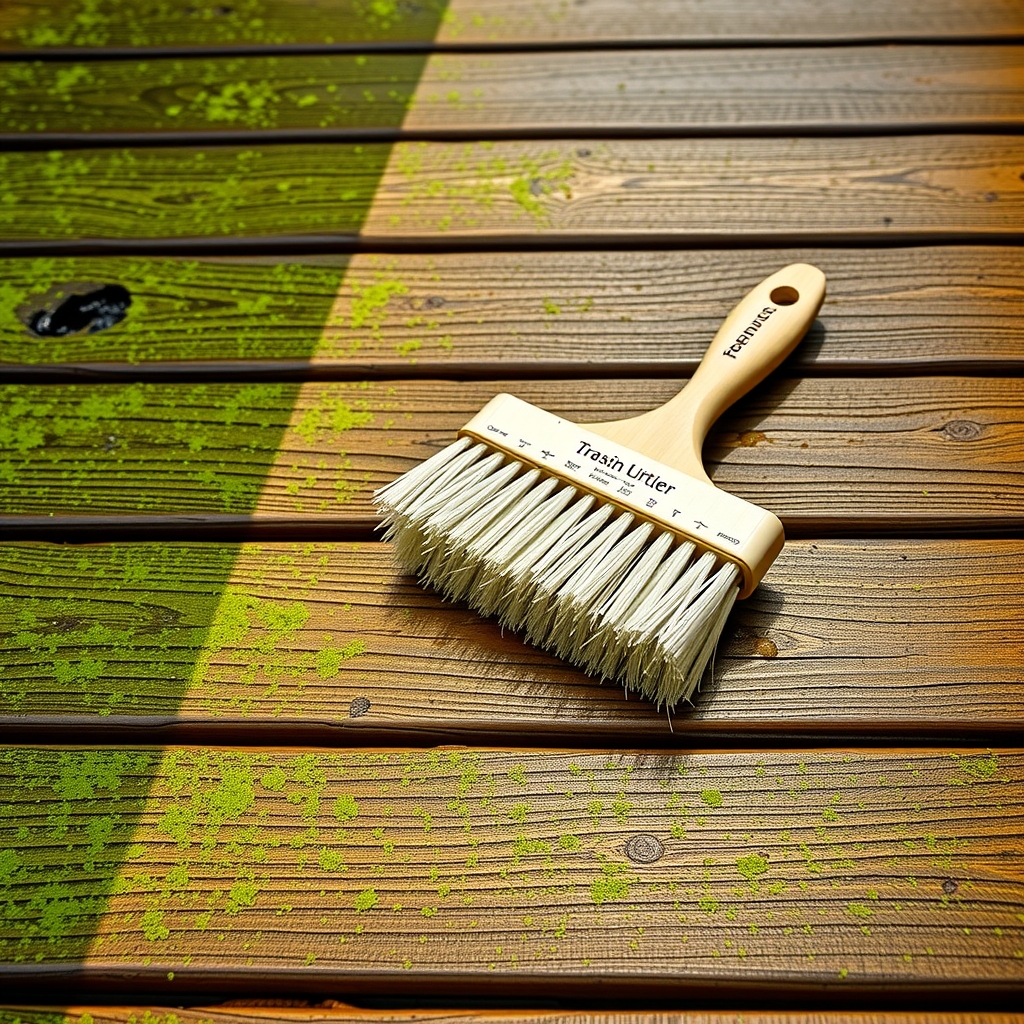
Green film and dark spots are algae and mildew on damp, shaded boards. Scrub them off safely, then use a deck cleaner to slow the return.
By Jamilur Rahman Updated November 5, 2026 · 6 min read
- Time
- 2 hours
- Cost
- $20-$50
- Difficulty
- Easy
In this guide
Quick answer
Why is my deck turning green? Algae and mildew grow on boards that stay damp and shaded, and the film turns slippery fast. Sweep, wet the deck and scrub with a stiff brush and a deck cleaner made for algae and mildew, then rinse well. A cleaner that kills the growth, not just the surface film, keeps the boards clear for longer.
Free fix vs. permanent fix
Soap, water and a stiff brush
- Sweep and clear debris from between the boards
- Scrub with dish soap and water, with the grain
- Rinse well and let the boards dry for a day or two
- Wear non-slip shoes, since wet algae is slick
How long it lasts: Weeks to a season. Where boards stay damp, the film grows back.
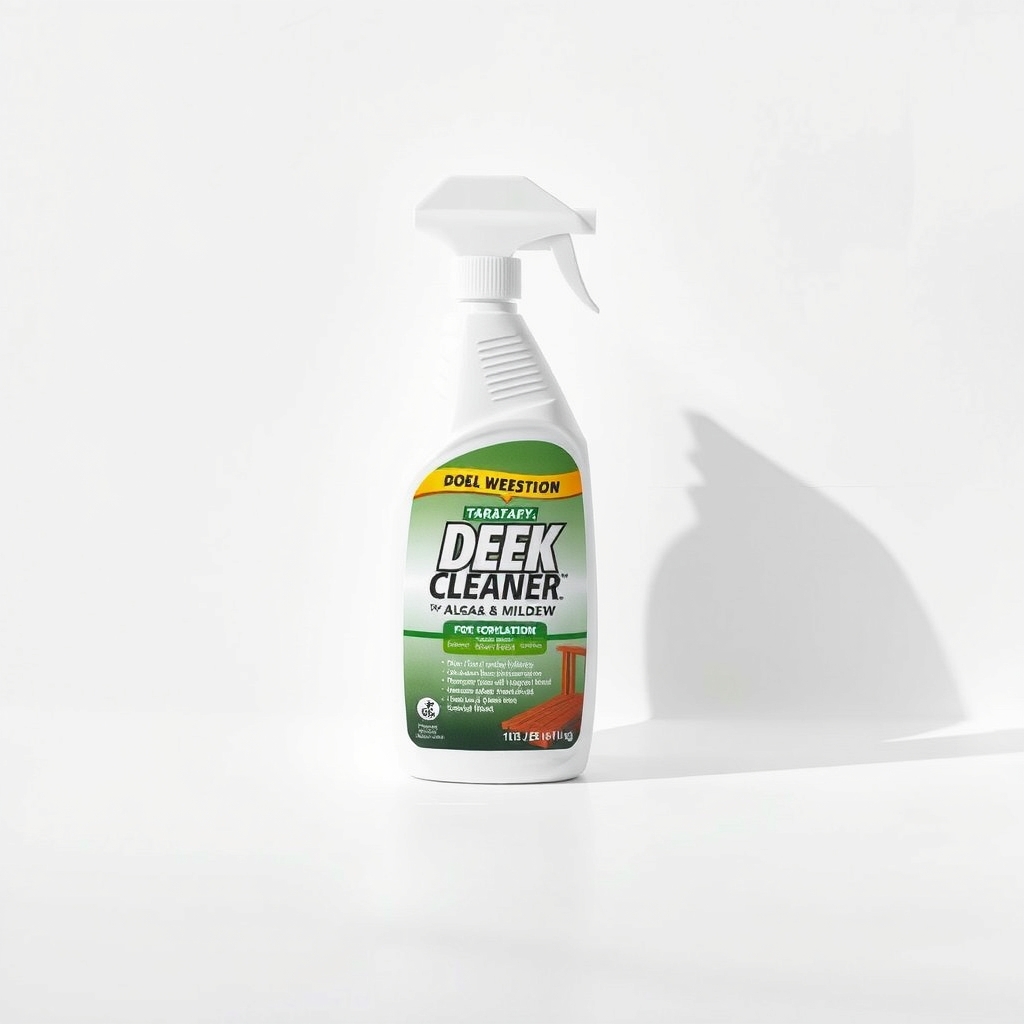
A deck cleaner for algae and mildew
Soap lifts the surface film but can leave spores in the grain. A deck cleaner made for algae and mildew, often oxygen-bleach based, soaks into the wood and breaks down the growth, so you scrub less and the green takes longer to return.
What to get: Deck cleaner for algae and mildew
How long it lasts: Often a season or more, depending on shade and rain. It cleans deeper than soap.
As an Amazon Associate I earn from qualifying purchases.
What you'll need
-
Garden hose with nozzle
For wetting and rinsing the boards
You have it -
Putty knife
For scraping debris from the gaps between boards
You have it -
Gloves and safety glasses
Cleaner splashes can sting
You have it - Our pick Illustration
Deck cleaner for algae and mildew
Choose one labeled for your decking type
- Illustration
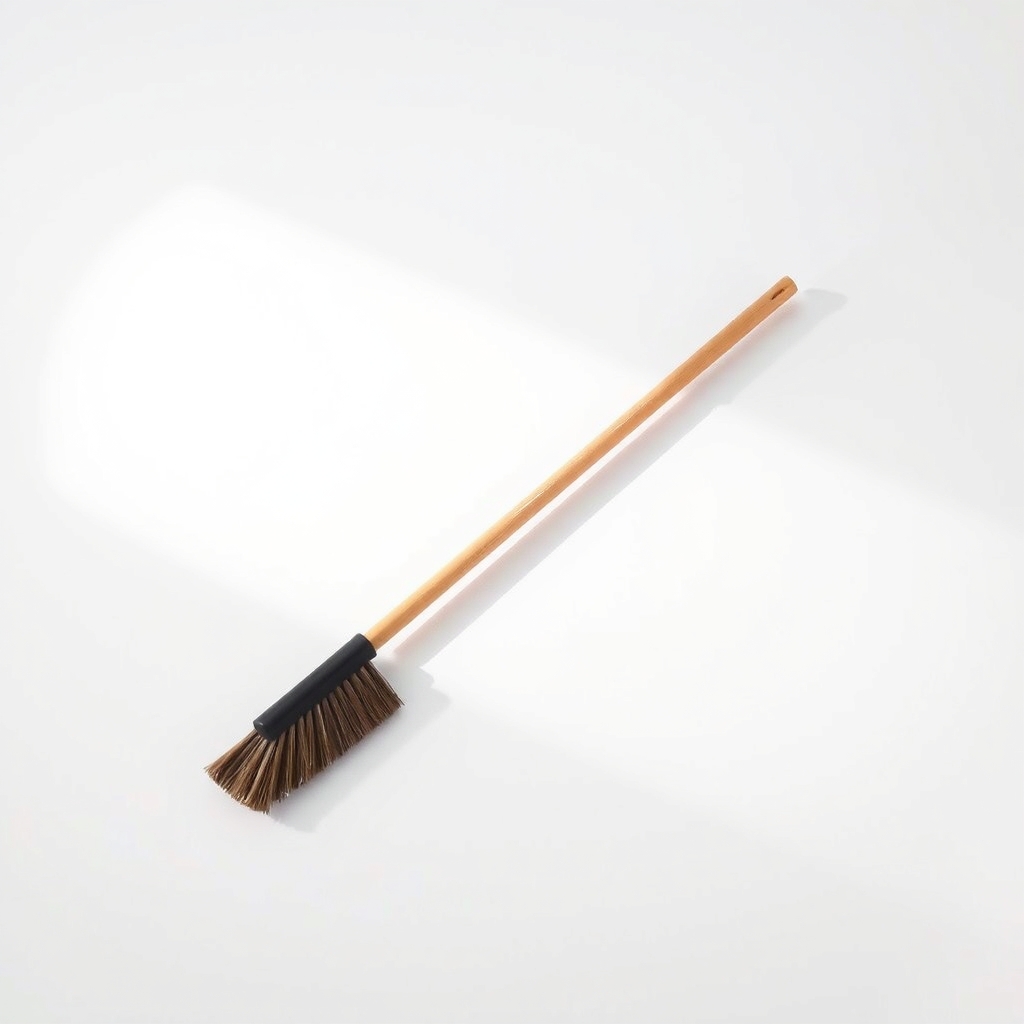
Long-handled stiff deck brush
Saves your knees and scrubs evenly
Why it happens
Shade and damp
Algae need moisture. Boards under trees, beside a wall or on the north side stay wet longer and turn green first.
Spores in the grain
Wood is porous, so algae and mildew spores sit in tiny cracks. Pollen, leaves and dirt feed them.
Debris between boards
Leaves and dirt in the gaps hold water against the wood and block airflow, which feeds mildew.
A worn finish
When the sealer wears off, boards soak up water. Composite boards do not rot, but they also grow mildew where dirt collects.
Try this first (free)
Do these in order, starting with the simplest.
-
Clear and sweep
Tool used: Putty knifeMove furniture and planters. Sweep the deck and scrape out leaves and dirt from the gaps.
-
Wet the boards and protect plants
Tool used: Garden hose with nozzleSoak plants beside the deck with the hose and cover small ones. Wet the deck so the cleaner does not soak in unevenly.
-
Apply the cleaner and wait
Tool used: Gloves and safety glassesMix the cleaner as the label says, using warm water. Oxygen bleach powder is a common choice. Work in sections of a few boards. Let it sit 10 to 15 minutes and keep the boards wet.
-
Scrub with the grain
Tool used: Long-handled stiff deck brushUse a stiff nylon-bristle deck brush and scrub along the boards. Skip wire brushes, which gouge the wood.
IllustrationCheck price on AmazonTool for this step
Long-handled stiff deck brush · Saves your knees and scrubs evenly
-
Rinse and let it dry
Tool used: Garden hose with nozzleRinse until the water runs clear. If you use a pressure washer, stay under about 1,500 psi on wood, use a wide fan tip and keep it a foot away. Let the deck dry for a day or two.
-
Cut the damp
Trim branches that shade the deck, sweep leaves weekly and keep planters on feet so water cannot sit underneath. A water-bead test shows if the sealer still works. If water soaks in, it is time to reseal.
When free fixes aren't enough
If soap and scrubbing clear the surface but the green returns within weeks, spores are staying in the grain. A deck cleaner that kills growth does more than a bucket of soap. Skip chlorine bleach on wood, which can lighten and weaken it and harm plants and metal fasteners. If dark patches stay after cleaning, press a screwdriver into them. If it sinks into soft wood, the board is rotting and needs replacing. Wet algae is also slippery, so a deck that stays green is a fall risk, especially on stairs.
Buy the fix
Still stuck after the free fixes? These are the products we would look at.
| Pick | Product | Fixes | Who it's for | Buy |
|---|---|---|---|---|
| Best pick | Deck cleaner for algae and mildew | algae and mildew that soap leaves behind in the grain | Anyone whose deck turns green every season and who would rather scrub less. | Check price |
| Budget pick | Long-handled stiff deck brush | scrubbing time and uneven cleaning | Anyone with a deck that only needs a seasonal scrub. | Check price |
Deck cleaner for algae and mildew
Fixes: algae and mildew that soap leaves behind in the grain
Look for: Labeled for algae and mildew, and for your decking type; Oxygen-bleach or other deck-safe formula, per the label; Clear dilution and dwell times for the size of your deck; Safe around plants and pets once rinsed, per the label.
- Who it's for
- Anyone whose deck turns green every season and who would rather scrub less.
- Honest downside
- Your decking maker bans certain cleaners. Check the care guide for composite boards first.
Long-handled stiff deck brush
Fixes: scrubbing time and uneven cleaning
Look for: Stiff nylon bristles, not wire; A long handle that lets you scrub standing up; A head wide enough to cover a board.
- Who it's for
- Anyone with a deck that only needs a seasonal scrub.
- Honest downside
- You already own a good stiff broom. A brush alone will not kill spores in the grain.
As an Amazon Associate I earn from qualifying purchases. We don't show prices because they change, so use the button to see today's price.
How we picked: How we picked: this page is based on deck care guides from decking makers and extension services, cleaner labels, and the problems and fixes people report in reviews. We do not test products by hand.
Wood or composite? Check before you clean
Composite decking makers often name the cleaners and tools they accept, and some warn against stiff brushes or high pressure. Look up your brand's care guide first. Pressure-treated and cedar boards are softer than they look, so keep pressure low and scrub with the grain.
What to skip
Wire brushes and a pressure washer on full blast
Both gouge soft wood and leave fuzzy, splintery boards that hold even more moisture. If you use a washer, keep the pressure low and the tip wide.
Frequently asked questions
Why does my deck turn green, and why is my deck green in some spots only?
Why is my deck turning black?
Why does my deck have black spots?
Why does my deck have white spots?
Can I use bleach on my deck?
Related problems
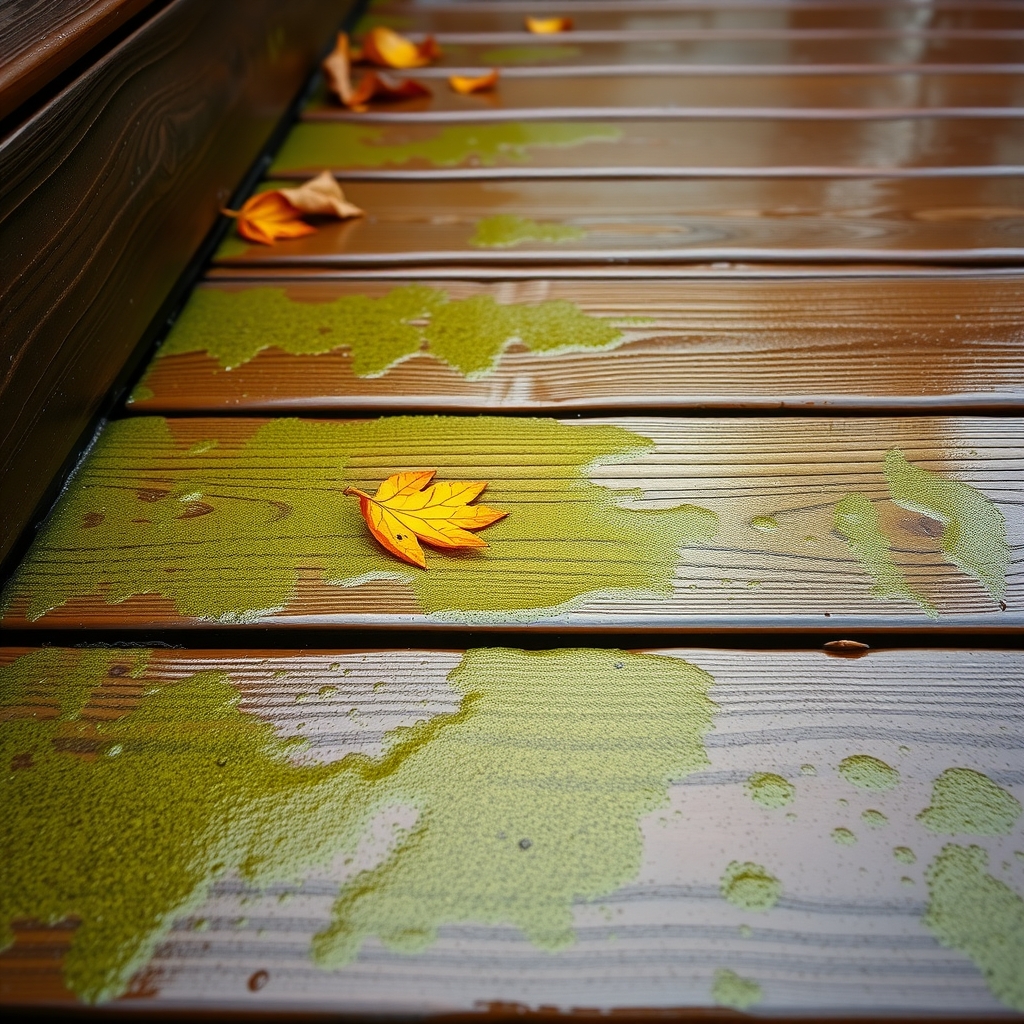 Free fix inside
Outdoor & Garage · Deck
Decking Slippery When Wet? Anti-Slip Fixes That Last a Season
Read the fix Free fix inside
Outdoor & Garage · Patio
Patio Keeps Going Green? Kill the Algae So It Stays Gone
Read the fix Free fix inside
Outdoor & Garage · Deck
Deck Stain Peeling? Strip It Right Before You Restain
Read the fix Free fix inside
Outdoor & Garage · Deck
Stop a Deck From Rotting: Sealers That Hold Up to Rain
Read the fixAs an Amazon Associate I earn from qualifying purchases. Affiliate disclosure