Decking Slippery When Wet? Anti-Slip Fixes That Last a Season
Algae and mildew make decks slick when wet. Scrub the film off first, then add grit tape on steps and wet spots so the slick does not come back.
By Jamilur Rahman Updated November 5, 2026 · 7 min read
- Time
- 2 hours
- Cost
- $20-$50
- Difficulty
- Easy
In this guide
Quick answer
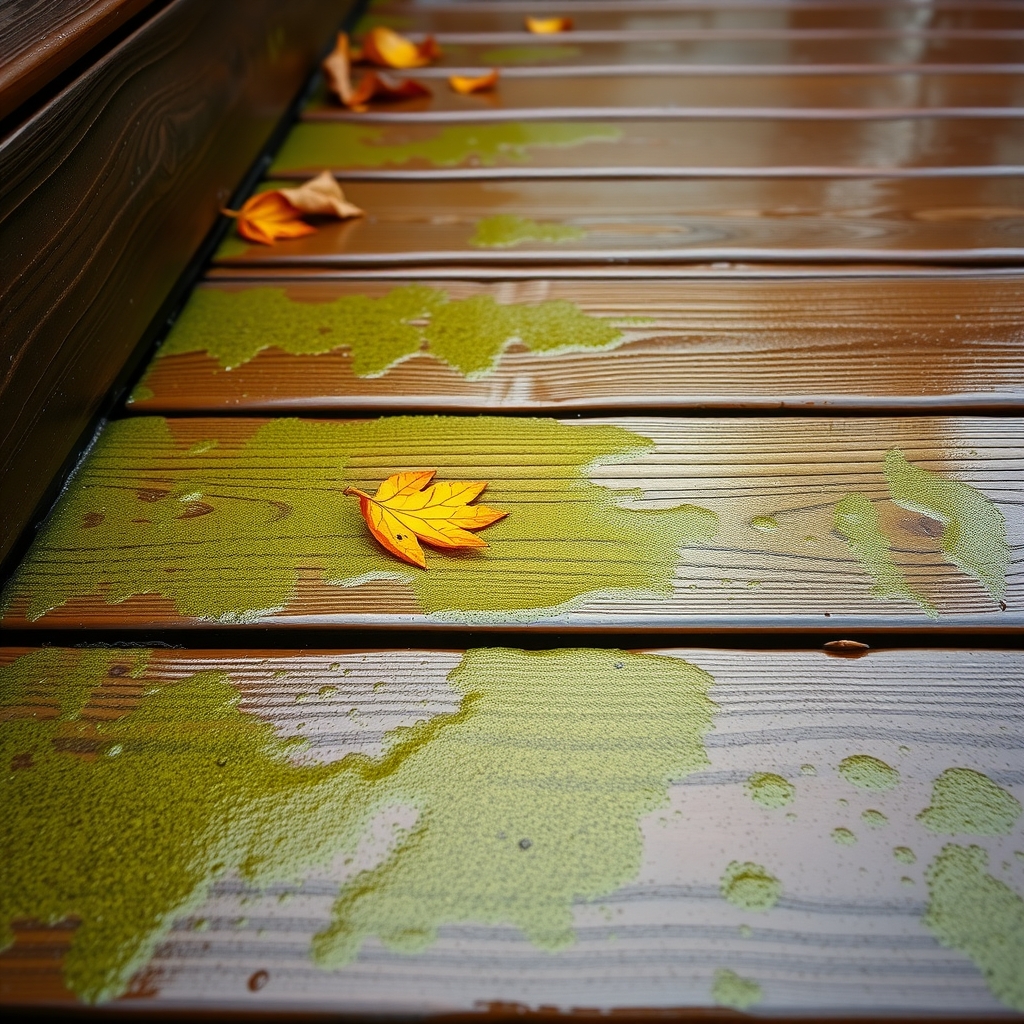
Decks turn slick when a thin film of algae, mildew or old sealer builds up on the boards, usually in shade or where water lingers. Scrub it off with an oxygen bleach cleaner and a stiff brush, then let the deck dry. For steps and spots that stay slick, anti-slip tape adds grip right where your feet land, and many owners get a season or two from it.
Free fix vs. permanent fix
Scrub the slick film off
- Sweep leaves and debris off the boards
- Scrub with oxygen bleach cleaner and a stiff brush
- Rinse well and let the deck dry fully
- In winter, clear snow early and sprinkle sand for grip
How long it lasts: A season, if algae was the cause. The film returns in shade and damp corners, and cleaning does not add grip to smooth composite or glossy sealer.
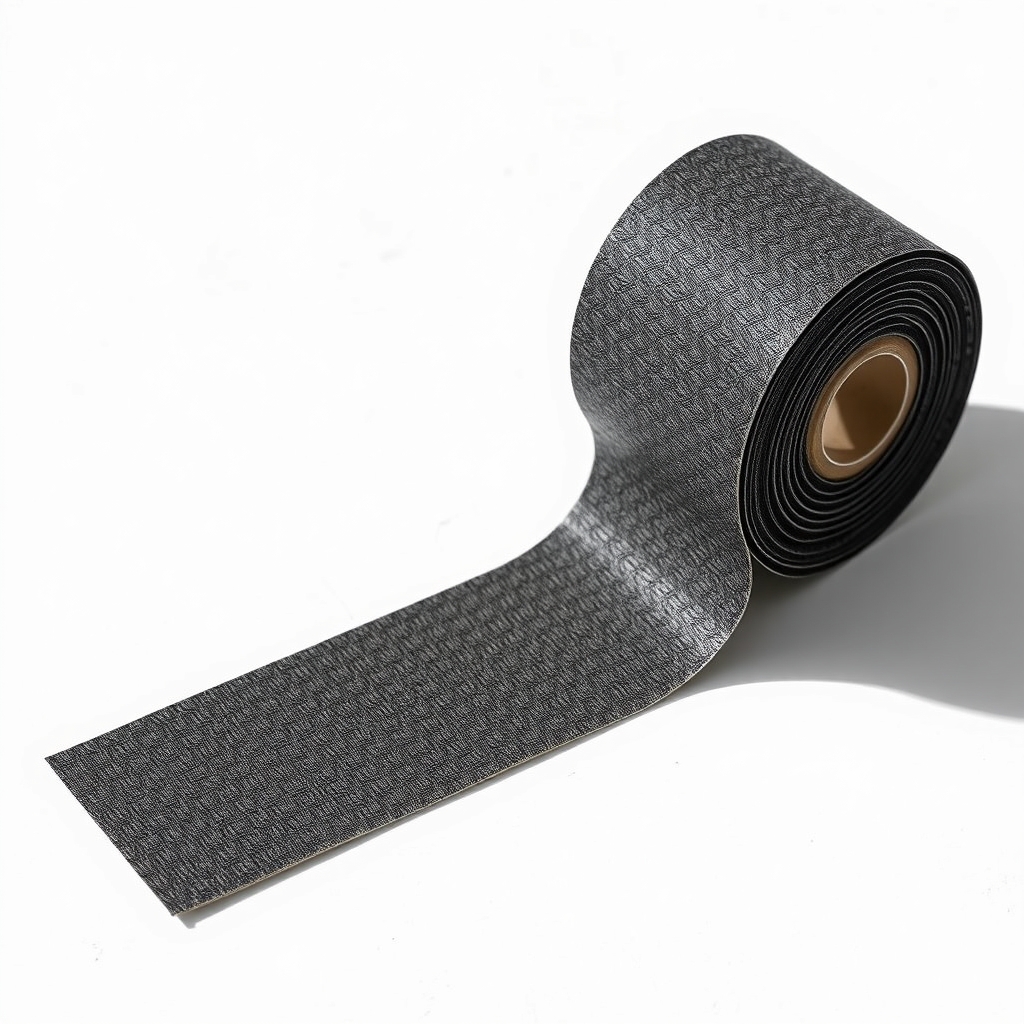
Anti-slip tape on steps and wet spots
Cleaning removes the film, but wet boards can still feel smooth, especially stair edges and shaded spots. Tape adds a gritty surface right where feet land, so grip holds up even when the deck is wet.
What to get: Outdoor anti-slip tape, grit-coated strips
How long it lasts: A season or two, going by owner reports. The edges lift first in freeze and thaw, so press them down and replace worn strips.
As an Amazon Associate I earn from qualifying purchases.
What you'll need
-
Stiff deck brush
A synthetic brush is gentler on boards than a wire brush
You have it -
Garden hose
To wet the deck and rinse it
You have it -
Sand
For winter grip; sweep it up in spring
Free - Illustration
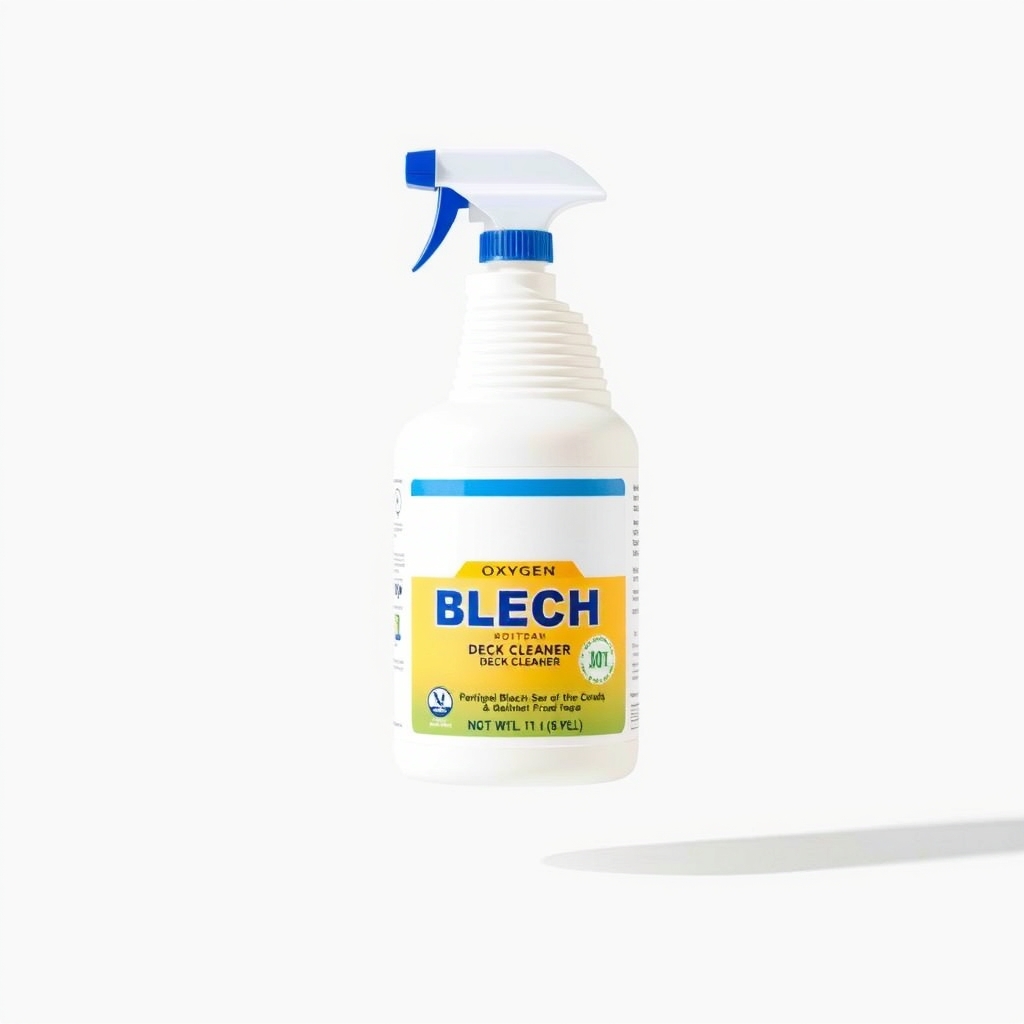
Oxygen bleach deck cleaner
Follow the label, and wet nearby plants first
- Our pick Illustration
Outdoor anti-slip tape
Measure your stair treads first
- Illustration
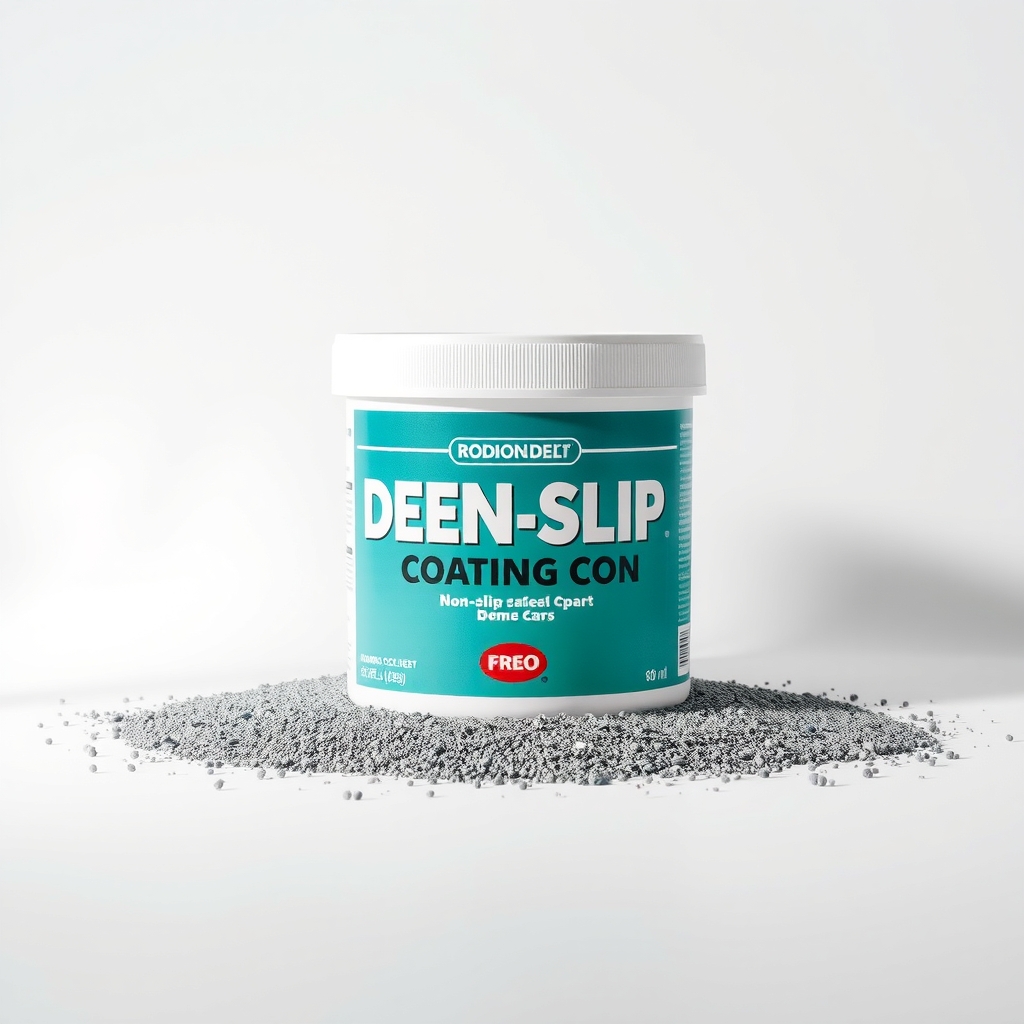
Non-slip deck coating with grit
For a whole deck rather than strips
Why it happens
Algae and mildew film
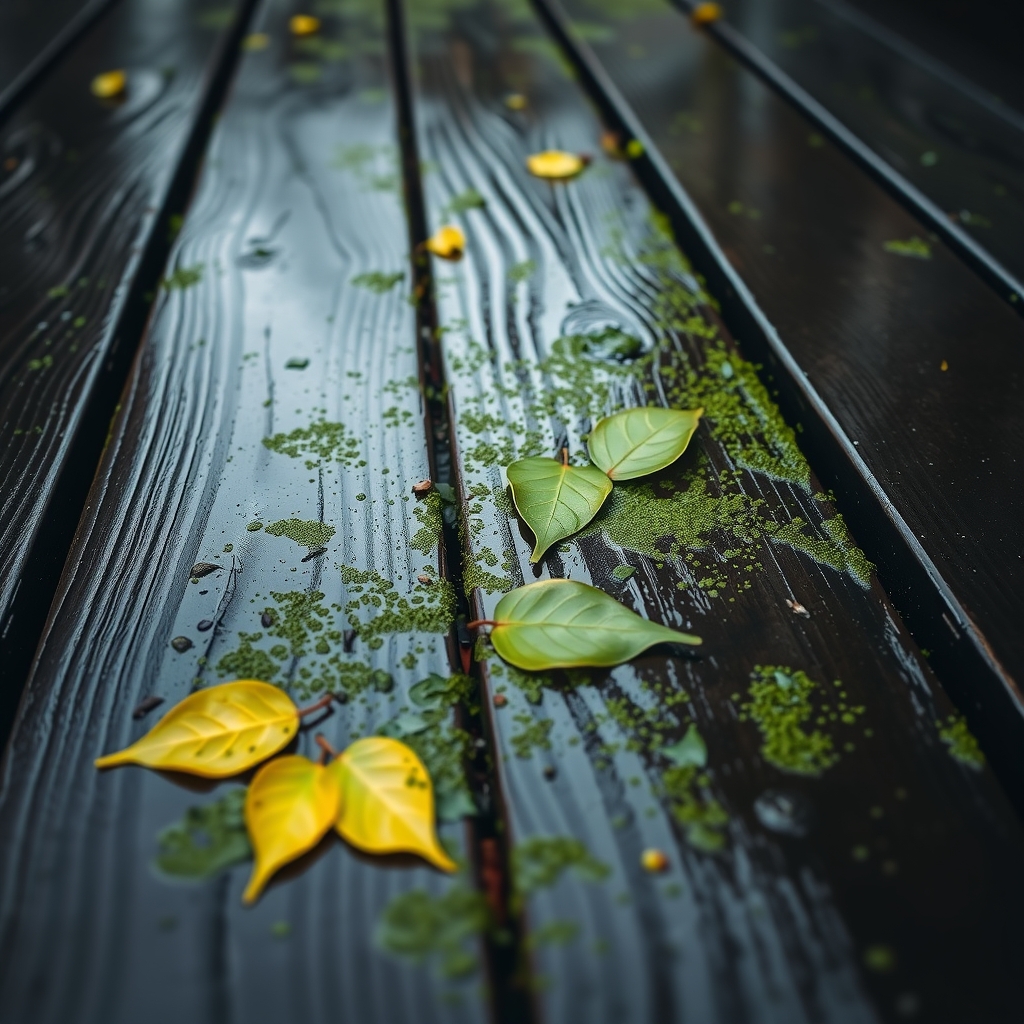
In damp, shaded spots, a thin green, gray or black film grows on the boards. It feels like wet soap underfoot. This is the most common cause.
A smooth or glossy surface
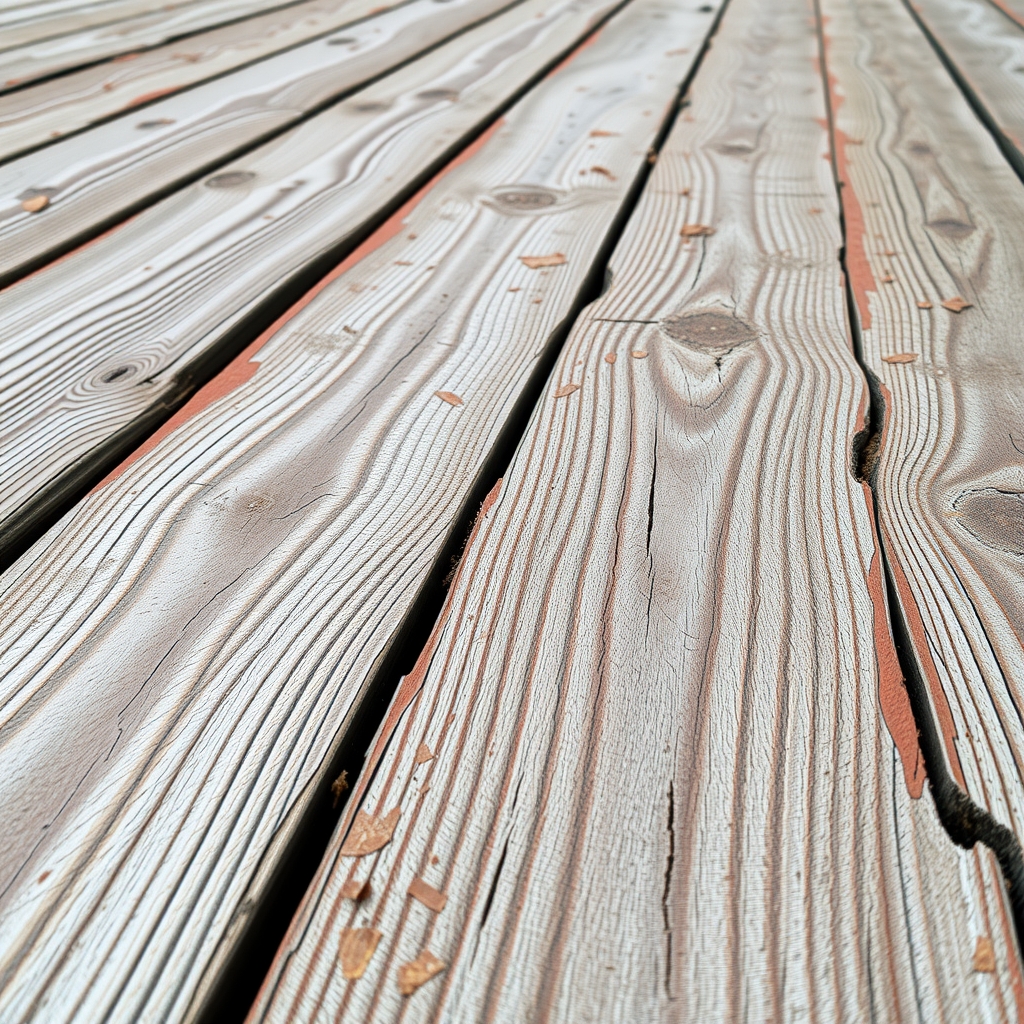
Capped composite boards, painted boards and a thick coat of sealer can feel slick when wet even if they are clean.
Leaves, pollen and dirt
Wet leaves and fine grit trap water against the boards and feed the algae. They also make a slippery layer of their own.
Shade and poor airflow
A deck under trees or against a wall stays damp for days after rain. Moisture sticks around, so the film regrows quickly.
Frost and packed snow
In winter, thin ice forms in the morning and on shaded boards. Foot traffic packs snow into a slick layer.
Try this first (free)
Do these in order, starting with the simplest.
-
Sweep and wet the deck
Tool used: Garden hoseSweep off leaves and grit. Wet nearby plants, then hose the boards so the cleaner works evenly.
-
Scrub with oxygen bleach
Tool used: Stiff deck brushMix the cleaner as the label says and spread it on one section at a time. Let it sit for the time on the label without drying out, then scrub along the grain.
-
Rinse and let it dry
Rinse well so no residue is left on the boards. If you use a pressure washer on wood, keep the pressure low with a wide tip. Wait for a dry day before stepping on it or taping.
-
Cut the moisture
Trim branches that shade the deck and clear leaves after each storm. A deck that dries faster grows less film.
-
Add grip naturally in winter
Tool used: SandClear snow soon after it falls with a plastic shovel, so it does not pack into ice. Sprinkle sand on icy boards for traction, and sweep it up in spring. Skip rock salt, which can corrode fasteners and harm plants.
-
Stick tape where it counts
Tool used: Outdoor anti-slip tapeOn clean, dry boards, cut strips to length and round the corners so they do not catch. Press them down hard, starting with the front edge of each step. Check the label for a minimum temperature, often around 50 degrees F.
IllustrationCheck price on AmazonTool for this step
Outdoor anti-slip tape · Measure your stair treads first
When free fixes aren't enough
If the deck is slick again within weeks, or cleaning changes little, the surface itself is the problem. Smooth composite, glossy sealer and worn boards stay slick when wet even when they are clean. Stair edges and shaded boards are the worst. Tape adds grip right where feet land. If boards feel soft or crumble, or a step or railing wobbles, that is a rot or structure problem. Stay off those areas and call a deck pro.
Buy the fix
Still stuck after the free fixes? These are the products we would look at.
| Pick | Product | Fixes | Who it's for | Buy |
|---|---|---|---|---|
| Best pick | Outdoor anti-slip tape, grit-coated strips | slick steps and boards that stay slippery after cleaning | Anyone with stairs, a ramp or a shaded deck, and homes with kids, older adults or pets. | Check price |
| Budget pick | Oxygen bleach deck cleaner | slick algae, mildew and grime | Anyone whose deck turned green or black and feels slick underfoot. | Check price |
| Upgrade pick | Non-slip deck coating with grit | slick open boards across a whole surface | Large decks where tape on every board would be too much. | Check price |
Outdoor anti-slip tape, grit-coated strips
Fixes: slick steps and boards that stay slippery after cleaning
Look for: Rated for outdoor use, with a UV-resistant surface; Adhesive that works on your deck, wood or composite, as the listing says; A width to fit your stair treads, so measure first; Grit rough enough to grip shoes in the wet.
- Who it's for
- Anyone with stairs, a ramp or a shaded deck, and homes with kids, older adults or pets.
- Honest downside
- People go barefoot on the deck, for example around a pool, since coarse grit is rough on feet. Also skip it on boards that are rotted.
Oxygen bleach deck cleaner
Fixes: slick algae, mildew and grime
Look for: An oxygen bleach base, often listed as sodium percarbonate; A label that lists your deck type, wood or composite; Enough powder for the size of your deck.
- Who it's for
- Anyone whose deck turned green or black and feels slick underfoot.
- Honest downside
- The deck is clean but still slick. Then you need grip, not more cleaner.
Non-slip deck coating with grit
Fixes: slick open boards across a whole surface
Look for: A label that names your decking, wood or composite; Grit already mixed in, or a grit additive; Clear prep and recoat instructions.
- Who it's for
- Large decks where tape on every board would be too much.
- Honest downside
- The boards are damaged, or you do not want to prep the surface. A coating needs a clean, bare deck and later touch-ups.
As an Amazon Associate I earn from qualifying purchases. We don't show prices because they change, so use the button to see today's price.
How we picked: How we picked: this page is based on deck-care guides from decking makers, outdoor product instructions, and the problems and fixes owners report in reviews. We do not test products by hand.
Which surface do you have?
- Bare or stained wood: clean it with oxygen bleach and a stiff brush. Wait before adding a new stain, which can add its own slick layer.
- Composite: follow the maker's cleaning advice. Tape sticks to most clean composite, but test a small piece first.
- Painted boards: paint is slick when wet. Add tape, or recoat with a grit coating.
Where to put the tape
Put strips along the front edge of each step, near the door and on any board that stays damp. Add them across the path from the door to the grill. Rounded corners are less likely to catch and peel.
What to skip
Hard pressure washing and rock salt
A strong pressure wash can gouge soft wood and leave fuzzy boards that hold more moisture. Rock salt can corrode fasteners and harm plants. A thick, glossy sealer can also make a deck slicker when wet. Use low pressure, oxygen bleach and sand.
Frequently asked questions
Why is my deck slippery when wet?
How do I stop decking being slippery in winter naturally?
Does anti-slip tape work on composite decking?
How long does anti-slip tape last outdoors?
Related problems
As an Amazon Associate I earn from qualifying purchases. Affiliate disclosure