Stop a Deck From Rotting: Sealers That Hold Up to Rain
Decks rot where water sits and wood stays wet. Clear the damp spots for free, then seal the boards and cut ends with a sealer that repels rain.
By Jamilur Rahman Updated November 5, 2026 · 6 min read
- Time
- 1 day
- Cost
- $50-$150
- Difficulty
- Medium

In this guide
Quick answer
Deck wood rots when it stays wet for long stretches. That means water pooling, debris packed between boards, plants against the wood and bare end grain. Fix the damp spots first, for free. Then clean the deck and seal it with a water-repellent deck sealer, including the cut ends. The sealer makes rain bead off. Reapply it every year or two, and replace any board that is already soft.
Free fix vs. permanent fix
Keep it dry: debris, plants and airflow
- Scrape debris out from between boards
- Cut back plants and branches
- Keep soil and mulch off the wood
- Probe for soft spots and replace them
How long it lasts: Slows rot as long as you keep doing it. It does not make the wood itself water-resistant.
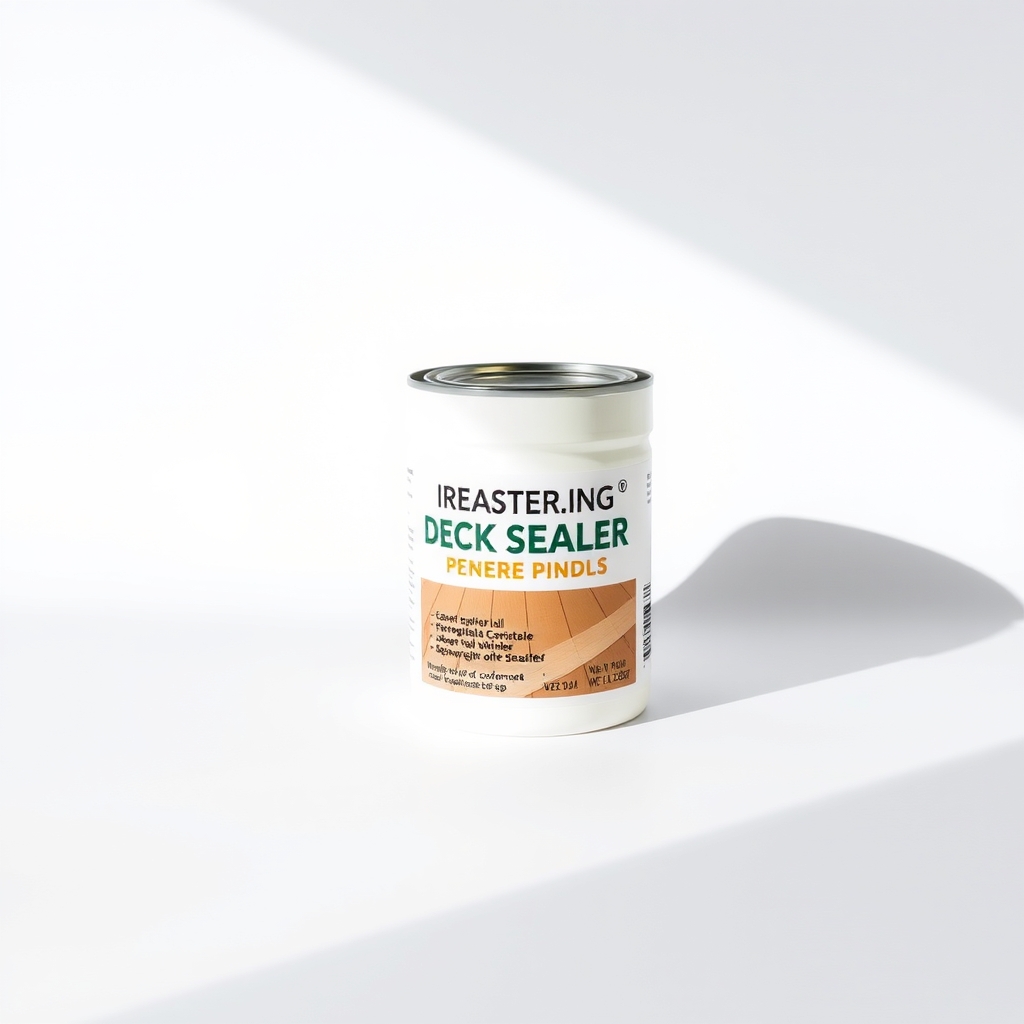
A water-repellent deck sealer
Rot fungi need wood that stays damp. A penetrating sealer soaks into the wood and repels water, so rain beads off and the boards dry between storms. Cleaning only helps at the surface. Sealer is what keeps boards from soaking up water day after day.
What to get: Penetrating water-repellent deck sealer
How long it lasts: Usually one to two years per coat in sun and rain, depending on the product. Then reapply.
As an Amazon Associate I earn from qualifying purchases.
What you'll need
-
Putty knife
Scrape the debris out of the gaps
You have it -
Screwdriver
Probe boards and posts for soft wood
You have it - Illustration
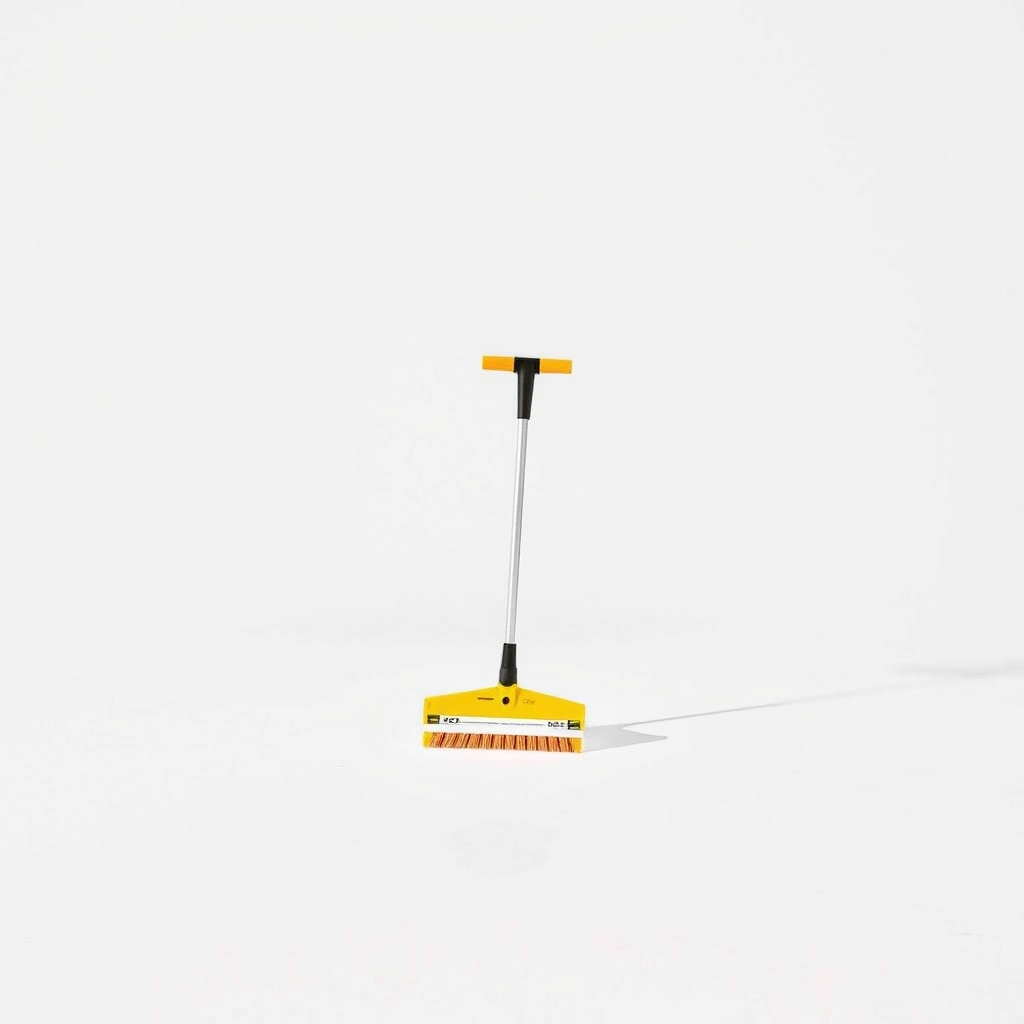
Deck cleaner
Clean wood takes sealer better
- Our pick Illustration
Water-repellent deck sealer
For the top, edges and end grain
- Illustration
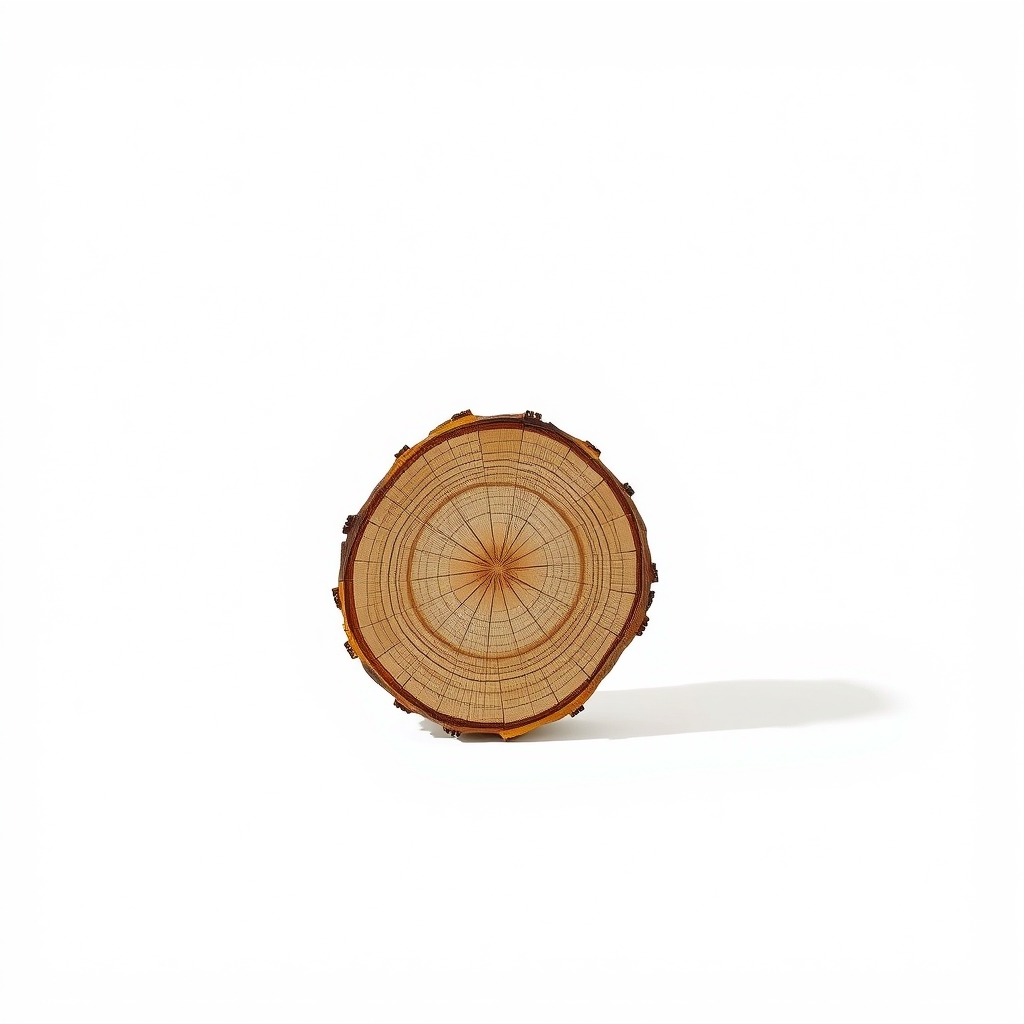
End-cut wood preservative
Brush it on every cut end and screw hole
- Illustration
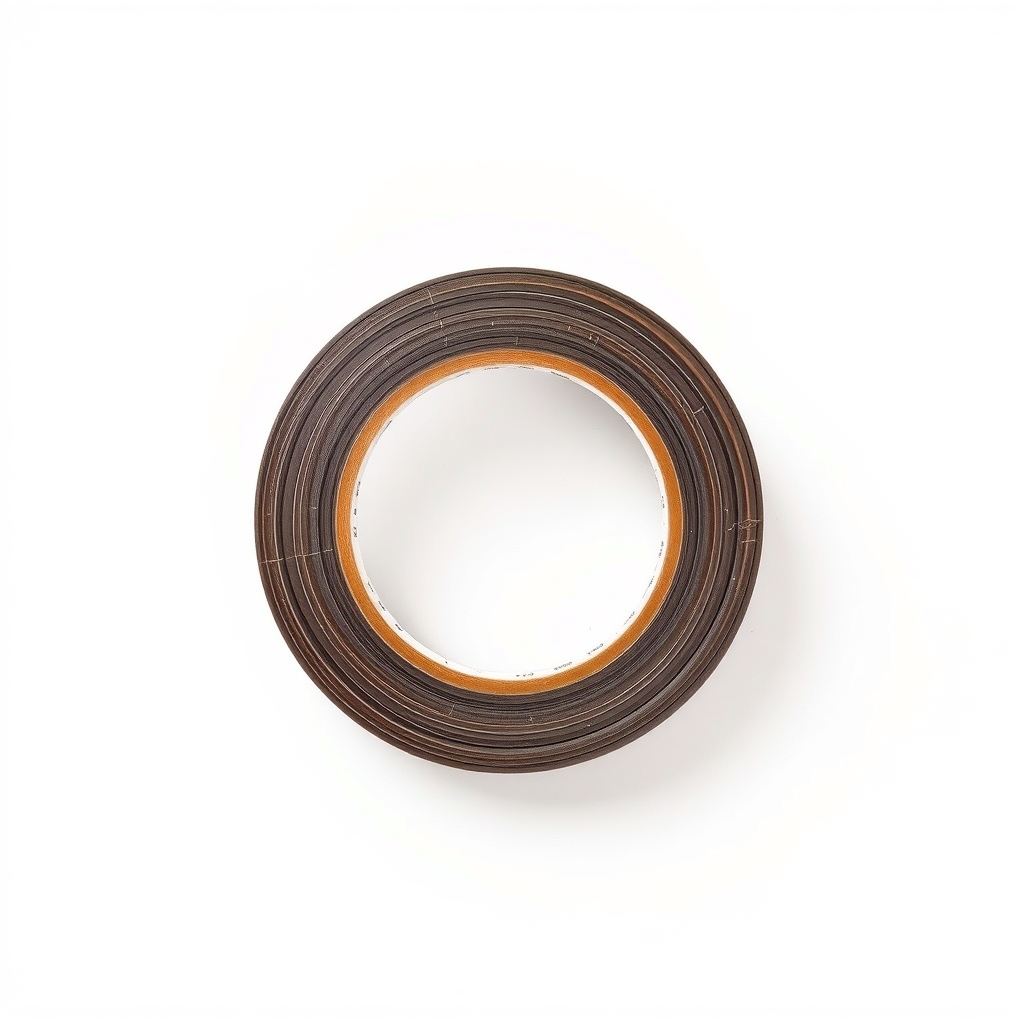
Butyl joist tape
Only if you are lifting boards to replace them
Why it happens
Water that pools and stays
Low spots, blocked gaps and flat boards hold water. Decay fungi start to grow when wood stays above about 20 percent moisture.
Debris packed between boards
Leaves and dirt in the gaps act like a sponge. They hold water against board edges and joist tops.
Wood touching soil or plants
Posts, stair bottoms and boards that touch soil, mulch or plants soak up ground moisture.
Unsealed end grain and cut ends
End grain drinks water like a straw. When you cut pressure-treated wood, the cut end loses its protection and is often the first place rot starts.
Water sitting on joist tops
Water seeps through screw holes and gaps and rests on top of the joists. The frame rots where you cannot see it.
Try this first (free)
Do these in order, starting with the simplest.
-
1. Clear the gaps
Tool used: Putty knifeScrape leaves and dirt out from between the boards with a putty knife, then sweep. Do it each fall and spring.
-
2. Cut back what holds moisture
Trim plants, branches and vines back from the deck. Pull mulch and soil away from posts and stair bottoms so there are at least 6 inches of open air.
-
3. Probe for soft wood
Tool used: ScrewdriverPush a screwdriver into boards, post bases, stair stringers and any joist ends you can see. Wood that sinks in easily or crumbles is rotten and needs replacing. Check where the deck meets the house too.
-
4. Clean the deck
Tool used: Deck cleanerScrub with deck cleaner and a stiff brush, then rinse well. Wait 48 hours of dry weather so the wood can take the sealer.
-
5. Seal the top, edges and cut ends
Tool used: Water-repellent deck sealerOn dry wood, brush on a thin coat of water-repellent sealer and work it into the end grain and edges. Wipe puddles and excess after about 15 minutes. Brush end-cut preservative on every cut end and screw hole.
IllustrationCheck price on AmazonTool for this step
Water-repellent deck sealer · For the top, edges and end grain
When free fixes aren't enough
Keeping the deck clean helps, but it cannot stop rain from soaking wood that has no protection. If boards are gray, soak up a splash of water within a minute or have gone dark in spots, they are taking on water. That is when a sealer earns its place. If probing finds soft joists, posts, stair stringers or the ledger board where the deck meets the house, sealing will not fix it. Stay off that area and call a pro.
Buy the fix
Still stuck after the free fixes? These are the products we would look at.
| Pick | Product | Fixes | Who it's for | Buy |
|---|---|---|---|---|
| Best pick | Penetrating water-repellent deck sealer | bare wood soaking up rain and staying damp | Anyone with sound wood that soaks up water. | Check price |
| Budget pick | End-cut wood preservative | bare cut ends and screw holes that soak up water | Anyone who cuts or replaces boards. | Check price |
| Upgrade pick | Butyl joist tape | water sitting on joist tops under the boards | People replacing decking or building a new deck. | Check price |
Penetrating water-repellent deck sealer
Fixes: bare wood soaking up rain and staying damp
Look for: A label that says water-repellent or waterproofing for exterior decks; Mildewcide and UV blockers included; A fit for your wood type and any existing finish, per the label; Coverage that matches your deck size, with a second coat if needed.
- Who it's for
- Anyone with sound wood that soaks up water.
- Honest downside
- The wood is wet or rotten, or has a failing stain on it. Dry it, strip it or replace boards first.
End-cut wood preservative
Fixes: bare cut ends and screw holes that soak up water
Look for: Labeled for the cut ends of treated lumber; Brush-on, no mixing; Rated for exterior and ground-contact wood.
- Who it's for
- Anyone who cuts or replaces boards.
- Honest downside
- Your deck is composite, which does not rot.
Butyl joist tape
Fixes: water sitting on joist tops under the boards
Look for: Wide enough to cover the top of your joists; A butyl adhesive that seals around fasteners; Rated for exterior use.
- Who it's for
- People replacing decking or building a new deck.
- Honest downside
- The boards are staying down. The tape goes under them.
As an Amazon Associate I earn from qualifying purchases. We don't show prices because they change, so use the button to see today's price.
How we picked: How we picked: this page is based on wood-care guides, sealer maker instructions, and the problems and fixes homeowners report in reviews. We do not test products by hand.
The splash test: is your deck due for sealer?
Sprinkle water on a few boards. If the water beads up, the sealer is still working. If it soaks in within a minute, or the wood darkens right away, it is time to clean and reseal.
Where decks rot first
- Board ends and cut ends: end grain soaks up water.
- Stair stringer bottoms and post bases: they sit close to the ground.
- The ledger board: the board where the deck meets the house.
- Joist tops: water gathers on them under the boards.
What to skip
Thick coatings on wet wood, and folk fixes
Thick paint or a film-forming topcoat on damp wood traps moisture, peels and hides rot. Skip folk fixes like motor oil or roofing tar. They are messy and do not protect the wood. And never seal soft wood. Replace it.
Frequently asked questions
How often should I seal a deck?
How do I stop deck wood from rotting at the bottom of posts?
Can I seal a deck that is already starting to rot?
What is the best time to seal a deck?
Related problems
 Free fix inside
Outdoor & Garage · Deck
Deck Stain Peeling? Strip It Right Before You Restain
Read the fix Free fix inside
Outdoor & Garage · Deck
Deck Boards Squeaking? Screws Beat Nails for the Fix
Read the fix Free fix inside
Outdoor & Garage · Deck
Decking Slippery When Wet? Anti-Slip Fixes That Last a Season
Read the fixAs an Amazon Associate I earn from qualifying purchases. Affiliate disclosure