Deck Stain Peeling? Strip It Right Before You Restain
Peeling or tacky stain means the old finish never soaked in. Strip it back to bare wood, let it dry, then restain in thin coats so it stays put.
By Jamilur Rahman Updated November 5, 2026 · 7 min read
- Time
- 1 weekend
- Cost
- $50-$150
- Difficulty
- Medium
In this guide
Quick answer
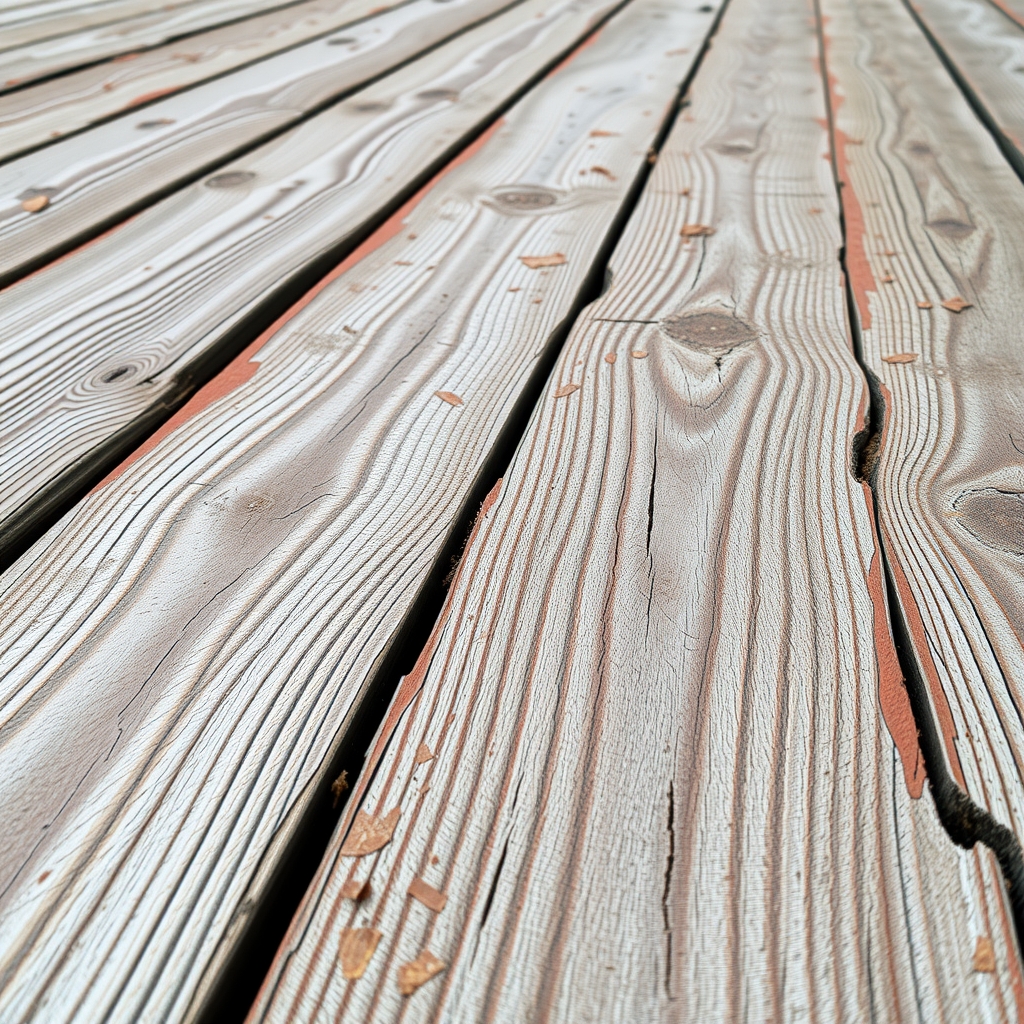
Stain peels when it forms a film on top of the wood instead of soaking in. It went on over damp wood, over old finish, or too thick. Sticky stain is usually too much product or too little dry time. Scraping and sanding will spot-fix it for a season. For a lasting job, strip the old finish with a deck stain stripper, rinse, let the wood dry, and restain in thin coats.
Free fix vs. permanent fix
Scrape, sand and spot-restain
- Scrape off every loose flake
- Sand the ragged edges smooth
- Wash the boards and let them dry for two days
- Restain thin and wipe off any excess
How long it lasts: One season at best. Moisture keeps getting under the old film around your patches, so it lifts again.
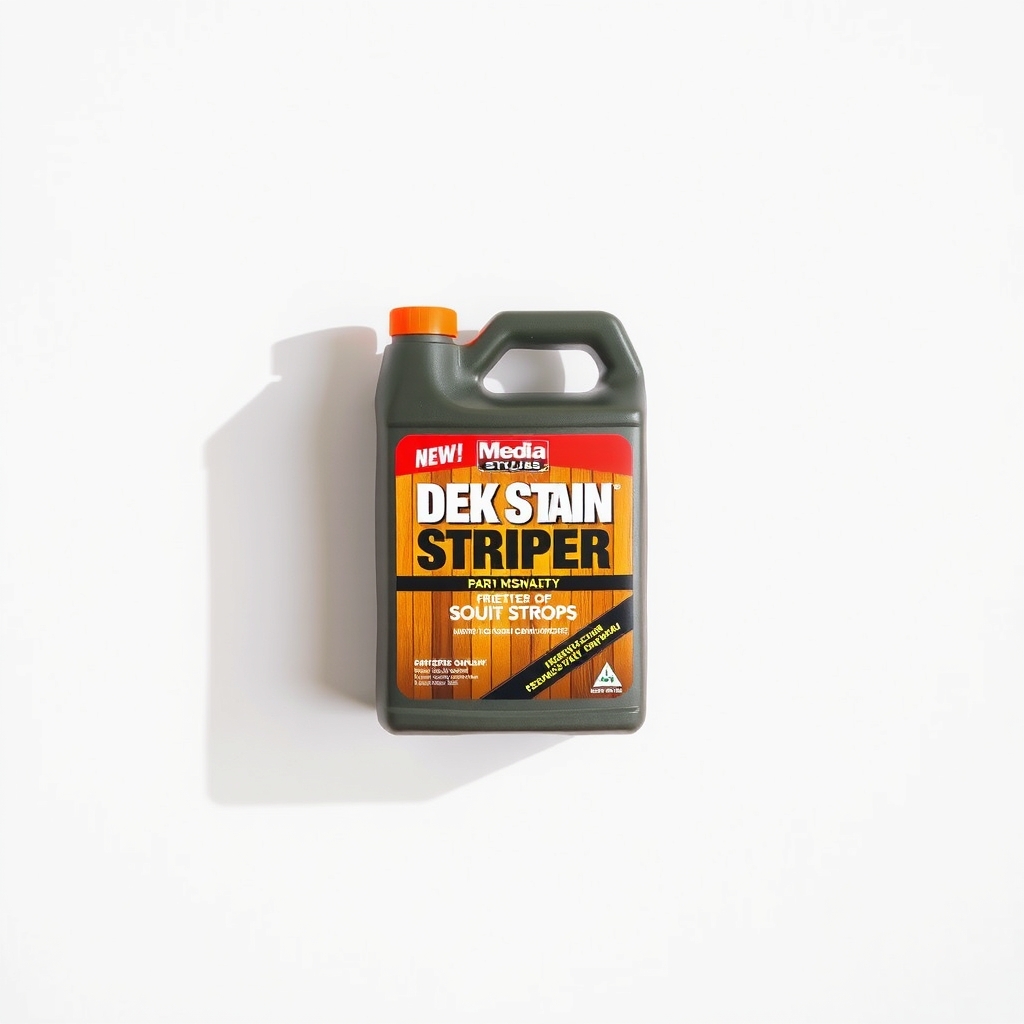
Strip the old finish back to bare wood
A new coat is only as good as what is under it. Stain over a failing film peels again when the film does. A stripper dissolves the old finish so fresh stain soaks into the wood instead of sitting on top. This is the step that most 'it peeled again' decks skipped.
What to get: Deck stain stripper
How long it lasts: A full restain cycle, often two to three years with a penetrating stain, depending on sun and traffic.
As an Amazon Associate I earn from qualifying purchases.
What you'll need
-
Paint scraper and sandpaper
Use 80-grit paper for ragged edges
You have it -
Gloves and safety glasses
Strippers are caustic. Cover your skin and eyes
You have it - Illustration
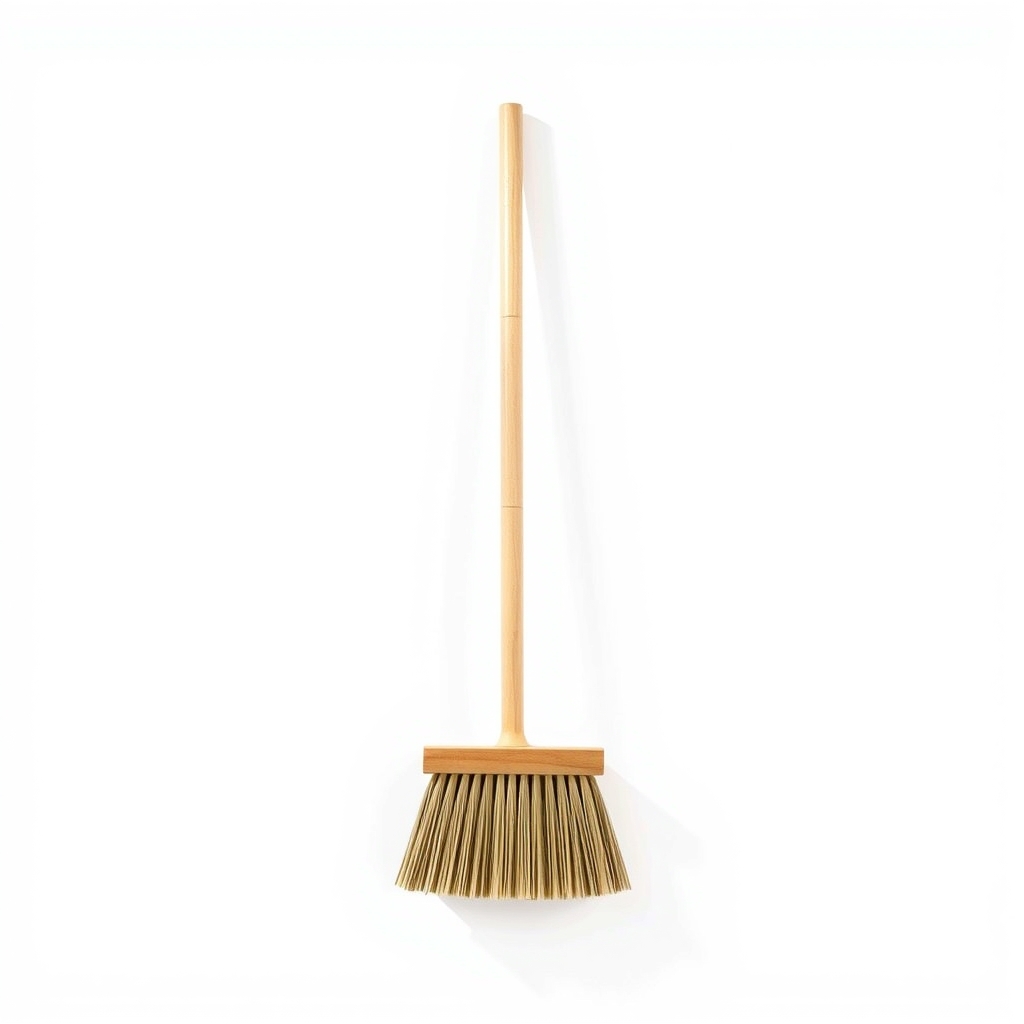
Stiff-bristle deck brush
A long handle saves your knees
- Our pick Illustration
Deck stain stripper
Pick one labeled for the finish you have
- Illustration
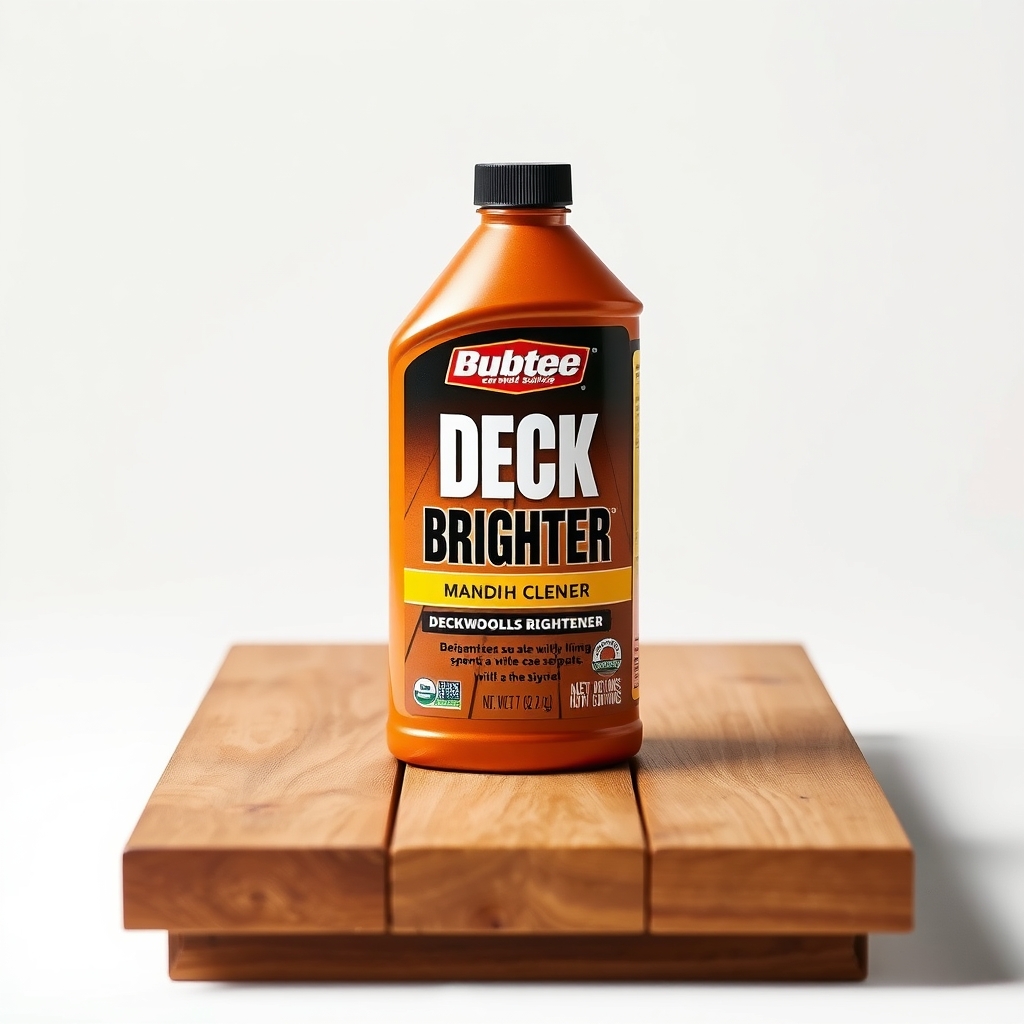
Wood brightener
Neutralizes stripper and revives the wood color
Why it happens
A film sitting on top of the wood
Solid stains and paint form a film. Water that gets in through a crack or a board end cannot get out, so the film bubbles and peels.
Damp or dirty wood
Wood over about 15 percent moisture will not take stain properly, and dirt or mildew stops the finish from bonding.
New stain over old finish
A coat over a failing finish peels when the old one does. Mixing oil-based and water-based products can fail too.
Coats too thick, or applied in heat
Thick coats stay soft below and skin over on top. In direct sun the surface dries before the stain can soak in.
Sticky stain: excess and slow drying
A tacky deck usually has stain that never soaked in, or cool, humid weather slowed drying. Oil-based stains can take a day or two, sometimes longer.
Try this first (free)
Do these in order, starting with the simplest.
-
1. Scrape off the loose stain
Tool used: Paint scraper and sandpaperScrape off every flake and bubble, working with the grain. Stop where the finish is firmly stuck.
-
2. Sand ragged edges
Tool used: Paint scraper and sandpaperSand the edges of the bare spots with 80-grit paper so they blend. Wipe off the dust. If sandpaper clogs with gummy stain, the finish is tacky and spot-fixing will not hold.
-
3. Scrub and rinse
Tool used: Stiff-bristle deck brushScrub with deck cleaner and a stiff brush, then rinse. If you pressure wash, use a wide fan tip, stay 8 to 12 inches away and keep the pressure low. High pressure chews the wood.
IllustrationCheck price on AmazonTool for this step
Stiff-bristle deck brush · A long handle saves your knees
-
4. Strip what will not come off
Tool used: Deck stain stripperWhere stain is still firm but failing, brush on stripper and wait the time on the label. Scrub, then rinse. Work in small sections, and never let it dry on the wood.
IllustrationCheck price on AmazonTool for this step
Deck stain stripper · Pick one labeled for the finish you have
-
5. Let the wood dry fully
Wait 48 hours of dry weather. Sprinkle water on a board: if it soaks in within a few minutes, the wood is ready. If it beads, wait. A pin meter should read under about 15 percent.
-
6. Restain thin
Brush on a thin coat, then wipe off any puddles after 10 to 15 minutes. Do not stain in direct sun, below the label's temperature or when rain is due within 24 hours.
When free fixes aren't enough
Scraping and spot-staining holds only if the finish under the patches is solid. If peeling covers more than a few boards, or new patches lift within weeks, the whole film is failing, and spot repairs will keep failing. Stripping removes it all so fresh stain can soak in. A stripper also clears tacky, pooled stain that clogs sandpaper. If you find black, soft or spongy boards, rot is the problem and stain will not fix it. See our page on stopping a deck from rotting.
Buy the fix
Still stuck after the free fixes? These are the products we would look at.
| Pick | Product | Fixes | Who it's for | Buy |
|---|---|---|---|---|
| Best pick | Deck stain stripper | old stain that keeps peeling or stays sticky | Anyone whose stain peels on many boards or across the whole deck. | Check price |
| Budget pick | Long-handled stiff-bristle deck brush | softened stain and grime that has to be scrubbed off | Anyone working without a pressure washer. | Check price |
| Upgrade pick | Deck wood brightener | dull gray or blotchy wood left after stripping | Anyone stripping an older, weathered deck. | Check price |
Deck stain stripper
Fixes: old stain that keeps peeling or stays sticky
Look for: A label that names the finish you have: oil, water-based or solid stain; Safe for the wood and nearby plants, per the label; Coverage that matches your deck's square footage; A dwell time you can manage in one session.
- Who it's for
- Anyone whose stain peels on many boards or across the whole deck.
- Honest downside
- The deck was painted before 1978 and has not been tested for lead, or the boards are rotten. Test first, and replace rotten wood instead of stripping it.
Long-handled stiff-bristle deck brush
Fixes: softened stain and grime that has to be scrubbed off
Look for: Stiff synthetic bristles that will not shed; A threaded handle that reaches from standing height; A head wide enough to cover several boards.
- Who it's for
- Anyone working without a pressure washer.
- Honest downside
- You already own a good scrub brush.
Deck wood brightener
Fixes: dull gray or blotchy wood left after stripping
Look for: Made for decks and safe for your wood type; Says it neutralizes stripper and restores color; Rinses off with a hose.
- Who it's for
- Anyone stripping an older, weathered deck.
- Honest downside
- Your stripper's label says no neutralizer is needed. Follow its directions.
As an Amazon Associate I earn from qualifying purchases. We don't show prices because they change, so use the button to see today's price.
How we picked: How we picked: this page is based on deck-finish maker instructions, wood-care guides, and the problems and fixes homeowners report in reviews. We do not test products by hand.
Before you strip or sand: safety
If your house was built before 1978 and the deck was painted, the old paint may contain lead. Test with a lead check kit, or call a pro, before you sand or scrape it dry. Wear gloves and eye protection with strippers, cover nearby plants, and rinse runoff away from storm drains.
What to skip
Restaining over the old finish, and rushing the dry time
A new coat over peeling stain just buries the problem, and it peels again with the old one. Skip it. Do not stain wood that is still damp either, since it will not bond. And skip high-pressure washing hard against the grain; it chews the wood.
Frequently asked questions
Why does my deck paint keep peeling?
Why is my deck stain sticky?
Why does my deck feel tacky after staining a week ago?
How long should stain dry before I walk on it?
Related problems
 Free fix inside
Outdoor & Garage · Deck
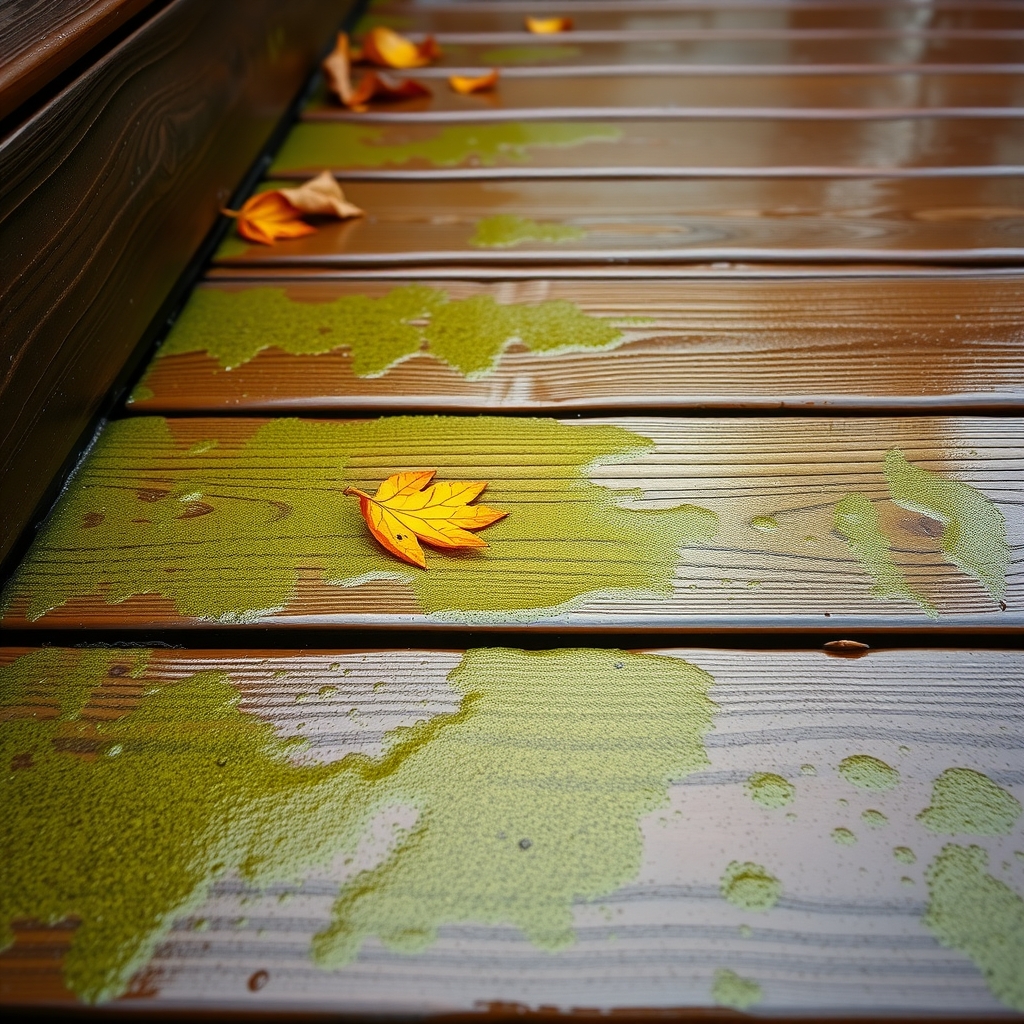
Decking Slippery When Wet? Anti-Slip Fixes That Last a Season
Read the fix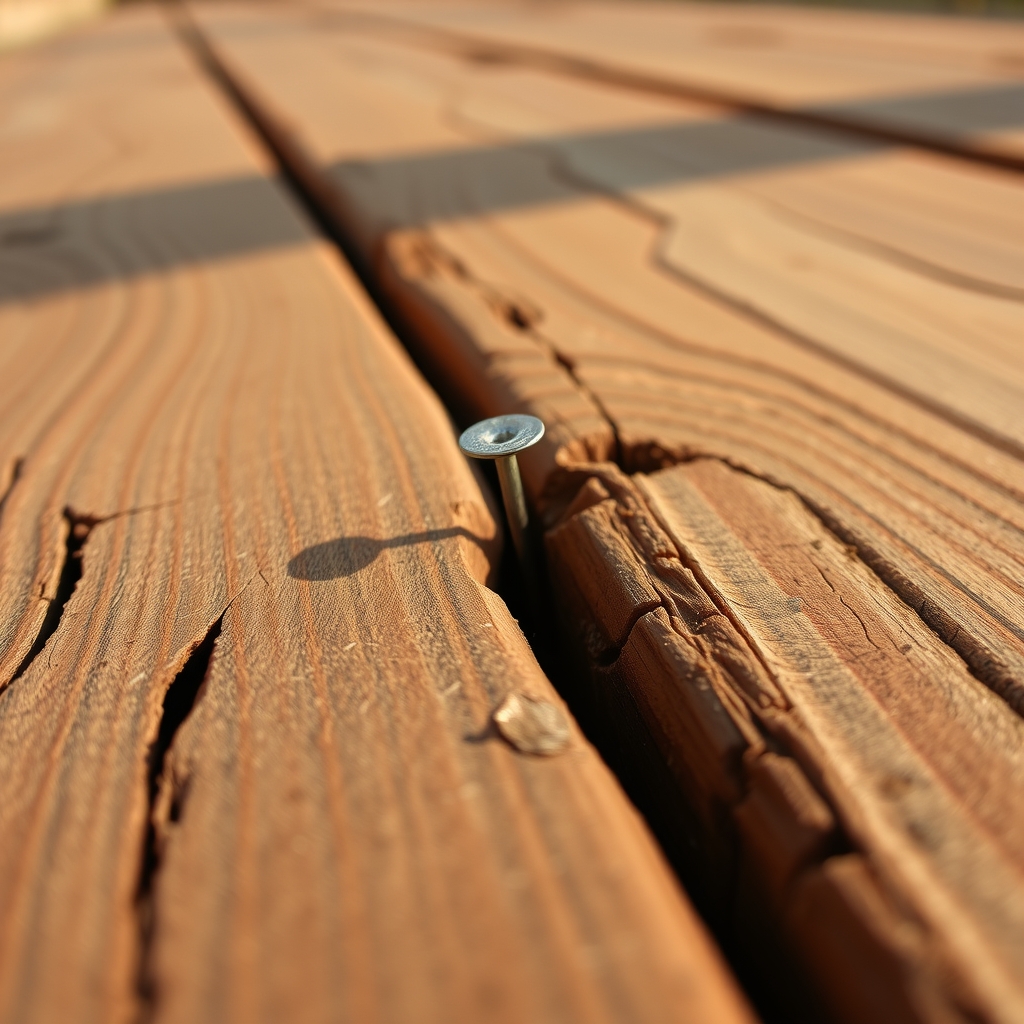 Free fix inside
Outdoor & Garage · Deck
Deck Boards Squeaking? Screws Beat Nails for the Fix
Read the fix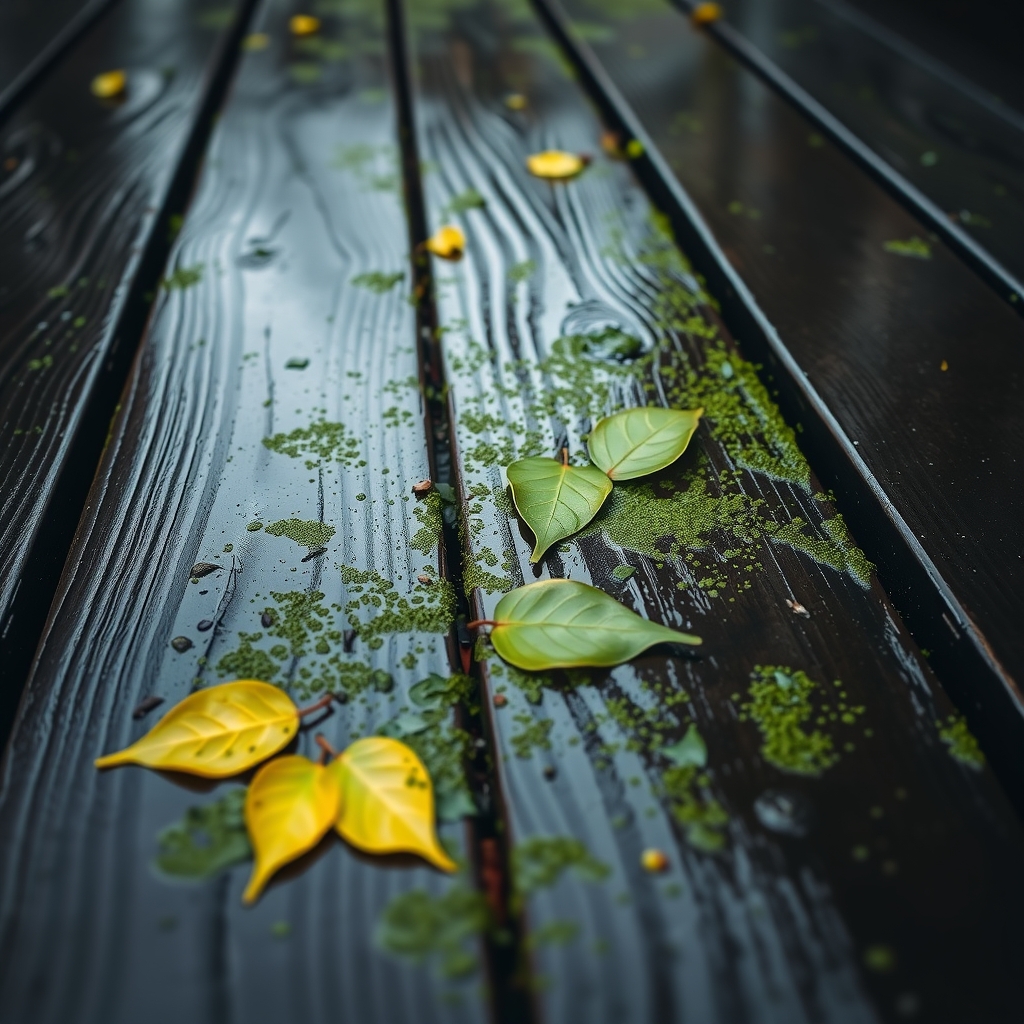 Free fix inside
Outdoor & Garage · Deck
Stop a Deck From Rotting: Sealers That Hold Up to Rain
Read the fixAs an Amazon Associate I earn from qualifying purchases. Affiliate disclosure