Deck Boards Squeaking? Screws Beat Nails for the Fix
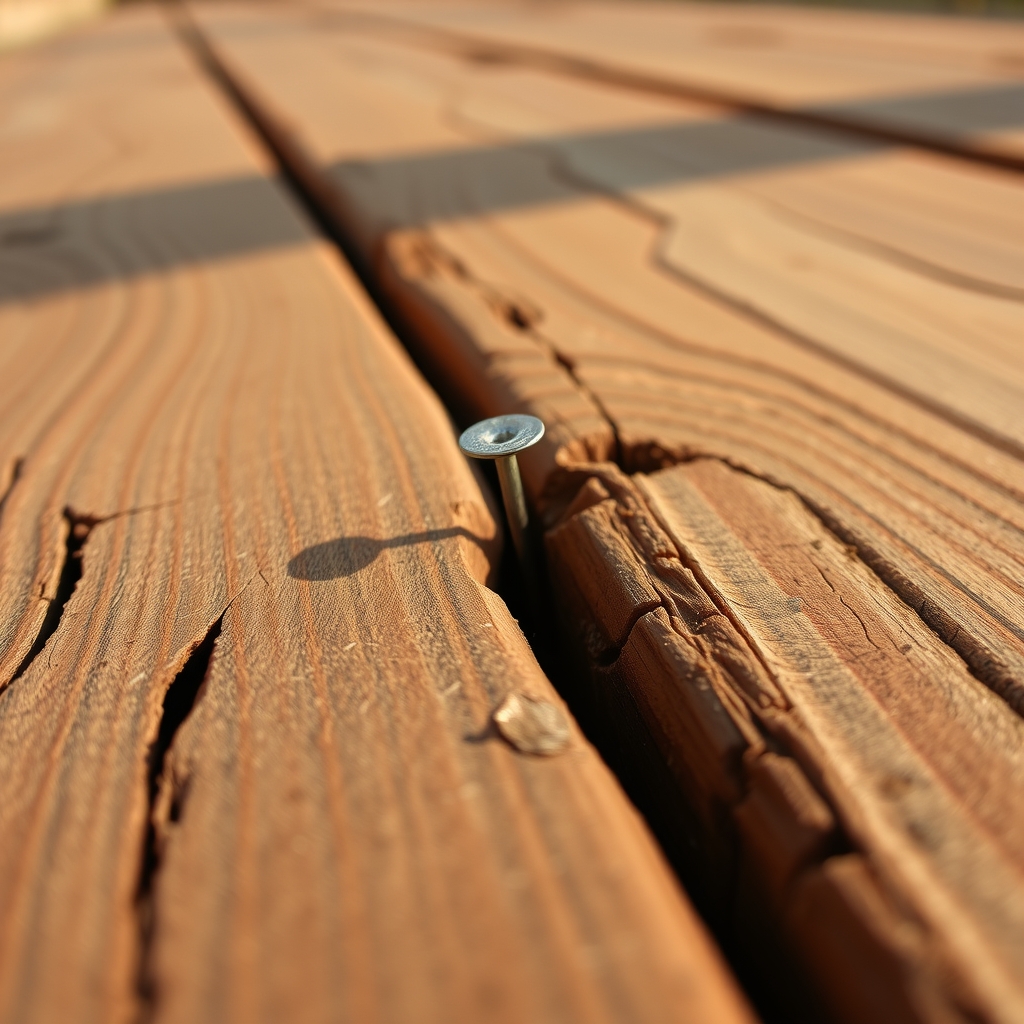
Squeaks and popped nails come from loose boards rubbing and smooth nails backing out. Coated deck screws through each board into the joist end both.
By Jamilur Rahman Updated November 5, 2026 · 6 min read
- Time
- 1 to 2 hours
- Cost
- Under $20
- Difficulty
- Easy
In this guide
Quick answer
Deck boards squeak and nails pop up because smooth nails slowly back out as the wood swells and shrinks, so boards rub the nail and each other. Walk the deck to find the loose boards and tap popped nails flush for a short-term fix. The lasting fix is a coated deck screw driven through each loose board into the joist. Threads grip the wood and do not back out.
Free fix vs. permanent fix
Tap the nails flush and mark the loose boards
- Walk the deck and mark every squeak
- Tap popped nails back below the surface
- Pull the nails that keep lifting
- Do not add more nails
How long it lasts: Weeks to a few months. Smooth nails back out again as the wood moves.
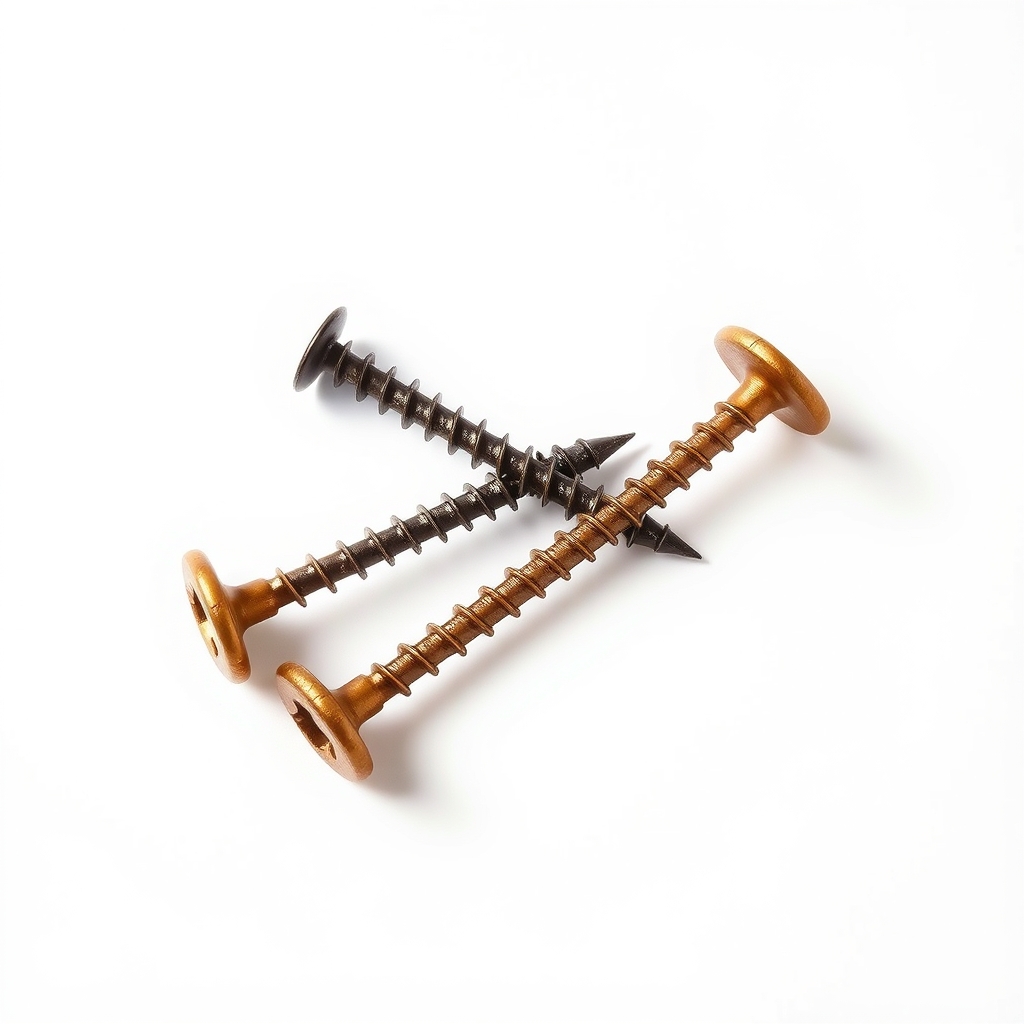
Coated deck screws
A nail's smooth shank has little to grip, so it slides out as the wood moves. A screw's threads hold the board down against the joist. Coated screws also resist rust in treated lumber.
What to get: Coated exterior deck screws
How long it lasts: Years. The threads grip the joist and pull the board tight, so it cannot lift or rub.
As an Amazon Associate I earn from qualifying purchases.
What you'll need
-
Claw hammer
To tap or pull popped nails
You have it -
Cordless drill or impact driver
To drive screws and drill pilot holes near board ends
You have it - Our pick Illustration
Coated deck screws
2-1/2 inch for standard 5/4 boards, 3 inch for 2x boards
- Illustration
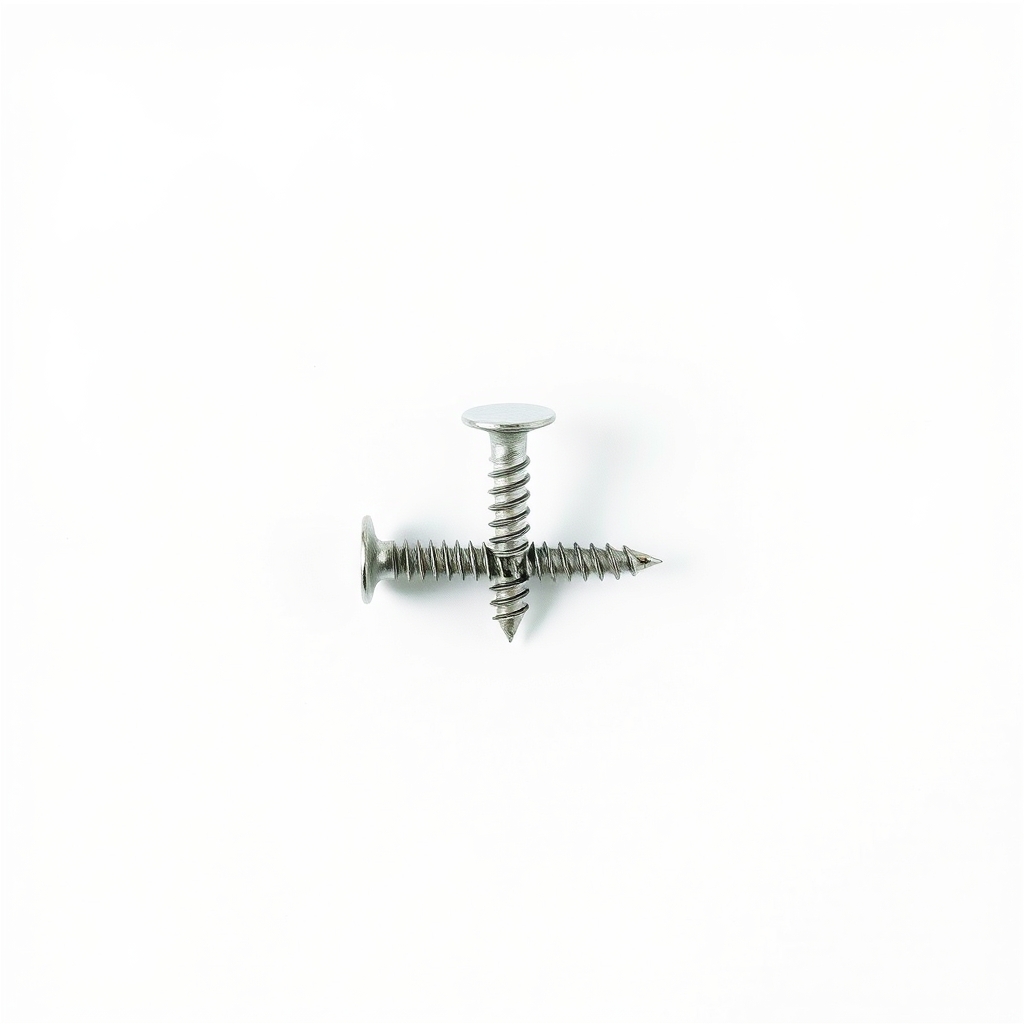
Stainless deck screws
For coastal decks, cedar and redwood
- Illustration
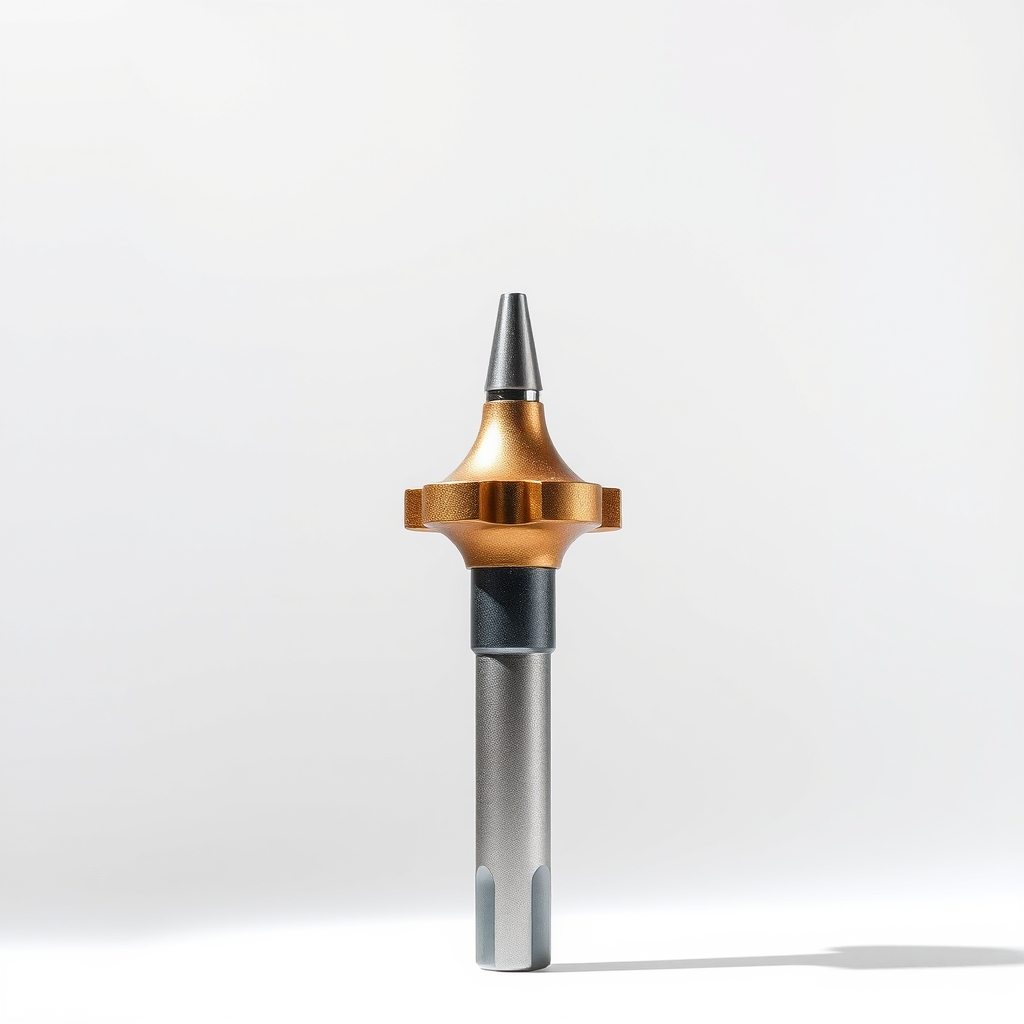
Star-drive driver bit
A fresh bit that fits the screw head tightly
Why it happens
Smooth nails backing out
Decks soak up rain and dry out again and again. Each swell and shrink nudges a smooth nail up a little. Soon the head pokes up and the board moves.
Boards rubbing each other
Tight boards rub edge to edge. When they shrink in dry weather and slide, the squeak is wood on wood.
A gap between the board and the joist
Boards cup or shrink away from the joist. The loose board flexes underfoot and moves against the fastener.
The wrong fasteners
Plain nails and uncoated screws rust and fail in pressure-treated wood, which eats through ordinary steel and zinc coatings faster.
Rot or movement in the frame
If a squeak comes with bounce or a soft feel, the joists or ledger may be damaged. That needs a close look.
Try this first (free)
Do these in order, starting with the simplest.
-
1. Walk the deck and mark the squeaks
Walk slowly and listen. Mark each loose or noisy board with chalk. Squeaks often come from board ends and from where a board crosses a joist.
-
2. Tap popped nails flush
Tool used: Claw hammerTap each popped nail back down until it sits flush, then pull any nail that keeps lifting. Slide a wood scrap under the hammer to protect the board.
-
3. Drive a deck screw beside each old nail
Tool used: Coated deck screwsSet a screw over the joist about 3/4 inch from the board edge and a couple of inches from the old nail, long enough to reach 1-1/2 inches into the joist. Drive it until the head sits flush or just below the surface. This is the lasting fix.
IllustrationCheck price on AmazonTool for this step
Coated deck screws · 2-1/2 inch for standard 5/4 boards, 3 inch for 2x boards
-
4. Pre-drill near board ends
Tool used: Cordless drill or impact driverWithin an inch or two of a board end, drill a pilot hole first. That stops the board from splitting. Use self-countersinking screws, and do not overdrive them.
-
5. Check a stripped hole
Tool used: Star-drive driver bitIf a screw spins and will not grip, the joist hole is stripped. Move 2 inches along the joist and try again, or use a longer screw.
IllustrationCheck price on AmazonTool for this step
Star-drive driver bit · A fresh bit that fits the screw head tightly
When free fixes aren't enough
Nails you re-drive will pop again, so for a squeak that returns or nails that pop every season, screws are the fix. If a board is cupped or twisted so badly the screw will not pull it flat, replace the board. If a squeak comes with a bounce or sag, look at the joist underneath with a flashlight and a screwdriver. Soft, black or crumbling wood, a ledger pulling away from the house or a deck that sways means stay off that area and call a pro.
Buy the fix
Still stuck after the free fixes? These are the products we would look at.
| Pick | Product | Fixes | Who it's for | Buy |
|---|---|---|---|---|
| Best pick | Coated exterior deck screws | boards that squeak, lift or pop their nails | Most owners of pressure-treated wood decks. | Check price |
| Upgrade pick | Stainless steel deck screws | rust streaks and corroded screws on cedar, redwood or coastal decks | Decks near the ocean, or made of cedar or redwood. | Check price |
Coated exterior deck screws
Fixes: boards that squeak, lift or pop their nails
Look for: Length that fits: 2-1/2 inch for standard 5/4 boards, 3 inch for 2x boards; A coating rated for pressure-treated wood; A star or square drive and a self-countersinking head; A matching driver bit included.
- Who it's for
- Most owners of pressure-treated wood decks.
- Honest downside
- Your deck is composite. Many composite makers require their own screws or hidden clips, so check the maker's fastener rules first.
Stainless steel deck screws
Fixes: rust streaks and corroded screws on cedar, redwood or coastal decks
Look for: A stainless grade labeled for outdoor use, with 316 near salt water; A length that matches your board thickness; A star drive head and a self-countersinking tip.
- Who it's for
- Decks near the ocean, or made of cedar or redwood.
- Honest downside
- You have a standard treated deck inland. Coated screws work and cost less.
As an Amazon Associate I earn from qualifying purchases. We don't show prices because they change, so use the button to see today's price.
How we picked: How we picked: this page is based on deck-building guides, fastener maker instructions, and the problems and fixes homeowners report in reviews. We do not test products by hand.
Which screw length? Match the board
- 5/4 decking (about 1 inch thick): 2-1/2 inch screws.
- 2x6 decking (1-1/2 inches thick): 3 inch screws.
- Pressure-treated wood: choose a coating or stainless steel rated for it.
What to skip
Spray lubricants, drywall screws and more nails
Oil or silicone spray makes the wood slippery and attracts dirt, and the squeak comes back. Drywall screws are brittle and rust. New smooth nails beside old ones back out the same way. Skip all three.
Frequently asked questions
Why does my deck creak when I walk on it?
How do I stop deck nails from popping up?
How do I fix deck boards popping up at the ends?
Do I have to remove old nails before adding screws?
Related problems
 Free fix inside
Outdoor & Garage · Deck
Deck Stain Peeling? Strip It Right Before You Restain
Read the fix Free fix inside
Outdoor & Garage · Deck
Stop a Deck From Rotting: Sealers That Hold Up to Rain
Read the fix Free fix inside
Outdoor & Garage · Deck
Decking Slippery When Wet? Anti-Slip Fixes That Last a Season
Read the fixAs an Amazon Associate I earn from qualifying purchases. Affiliate disclosure