Patio Keeps Going Green? Kill the Algae So It Stays Gone
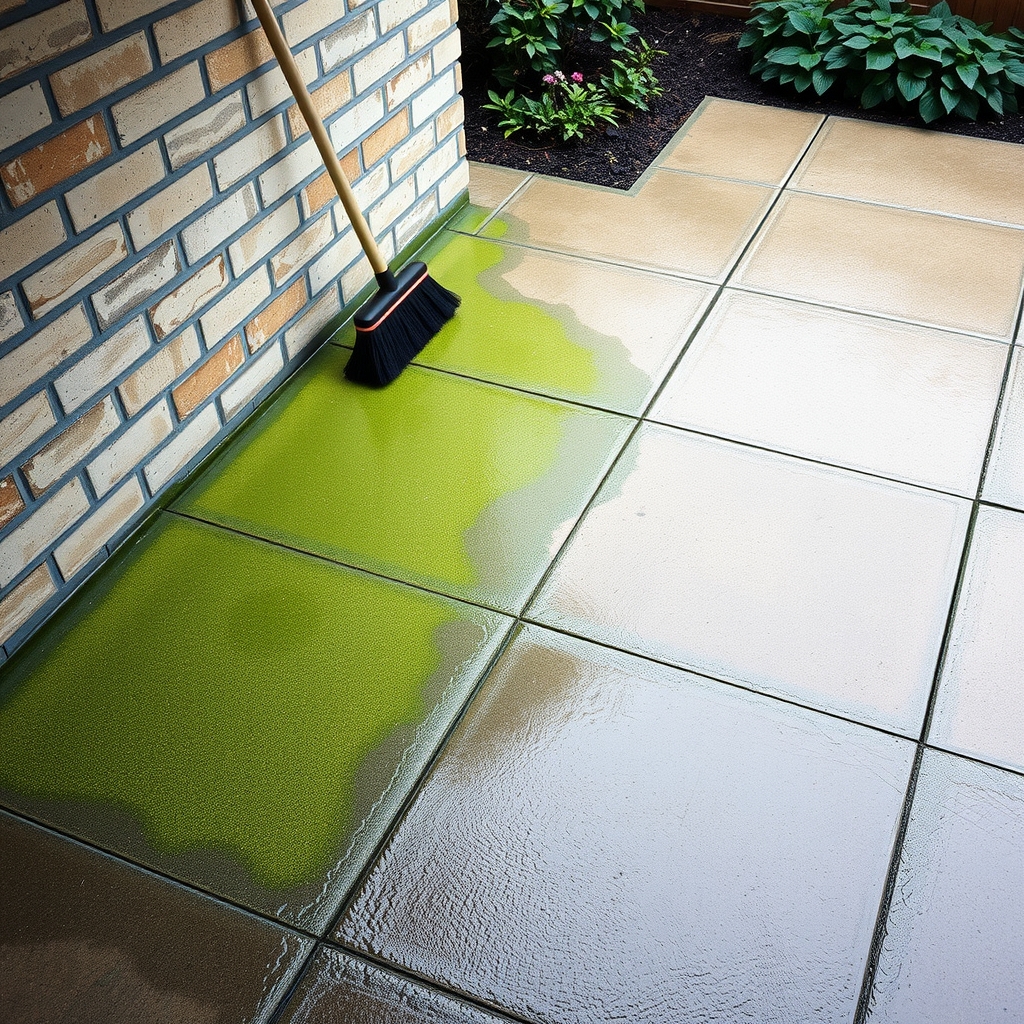
Algae thrive on damp, shaded, porous patio stone. Scrub the surface clean, then use a leave-on algae cleaner to deal with the rest.
By Jamilur Rahman Updated November 5, 2026 · 6 min read
- Time
- 2 hours
- Cost
- $20-$50
- Difficulty
- Easy
In this guide
Quick answer
Why does my patio keep going green? Algae grow wherever concrete, pavers or stone stay damp and shaded, and a quick scrub removes only the top layer. Sweep, scrub with a stiff brush and a mild cleaner, then apply a patio algae and mildew cleaner that kills what is left. That is what keeps the green from returning in a few weeks.
Free fix vs. permanent fix
Sweep, soapy scrub and rinse
- Sweep away leaves and soil
- Scrub with dish soap and water or an oxygen bleach mix
- Rinse well and let it dry
- Do not use vinegar on limestone or travertine
How long it lasts: Weeks to a couple of months. Shade and rain bring the green back.
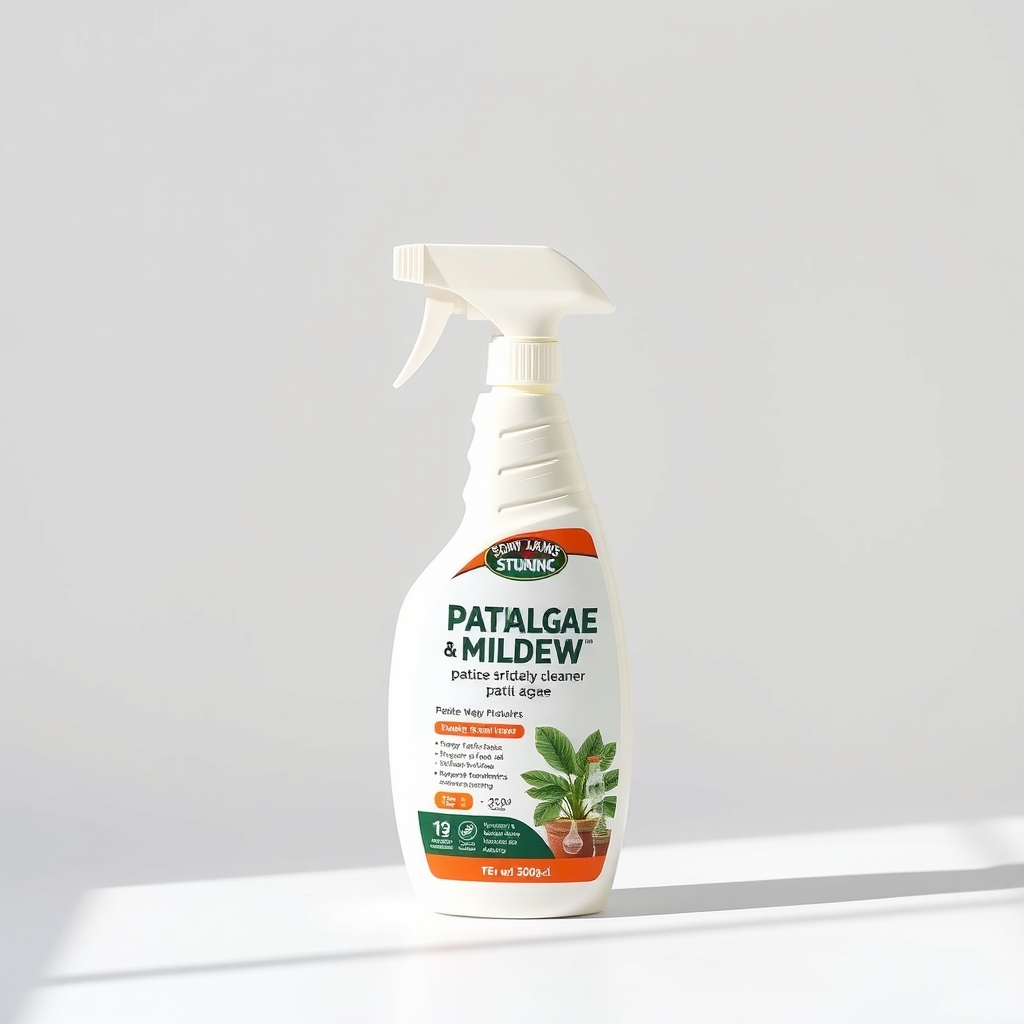
A patio algae and mildew cleaner
Scrubbing removes what you can see and leaves algae rooted in the surface pores. A cleaner made to kill algae and mildew reaches into the pores, so the patio stays clear longer and takes less scrubbing next time.
What to get: Patio algae and mildew cleaner
How long it lasts: Often a season or more where the patio stays damp, when used as directed.
As an Amazon Associate I earn from qualifying purchases.
What you'll need
-
Stiff push broom
For sweeping and for scrubbing in sections
You have it -
Garden hose
To wet and rinse the surface
You have it -
Gloves and eye protection
For mixing and applying cleaner
You have it - Our pick Illustration
Patio algae and mildew cleaner
Pick one that is labeled for your surface
- Illustration
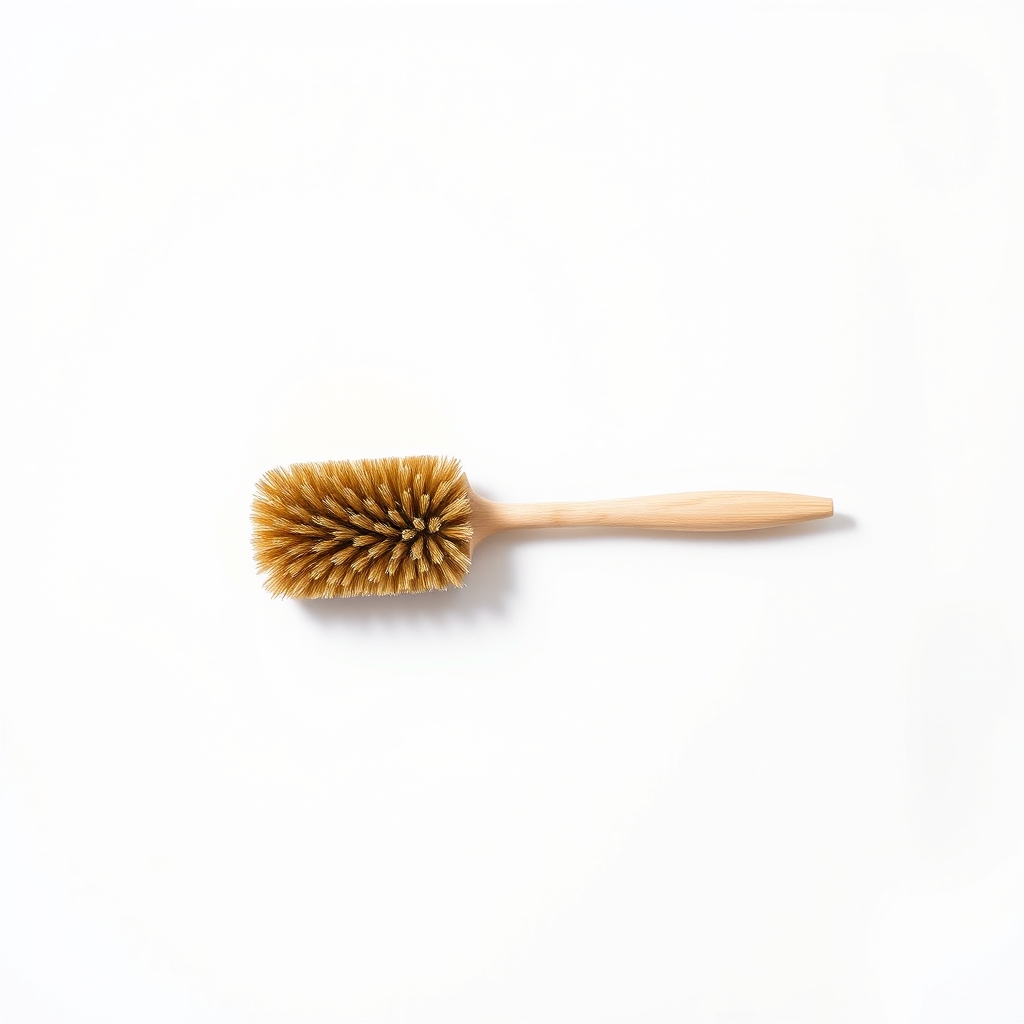
Long-handled stiff scrub brush
Gets into texture a broom skips
- Illustration
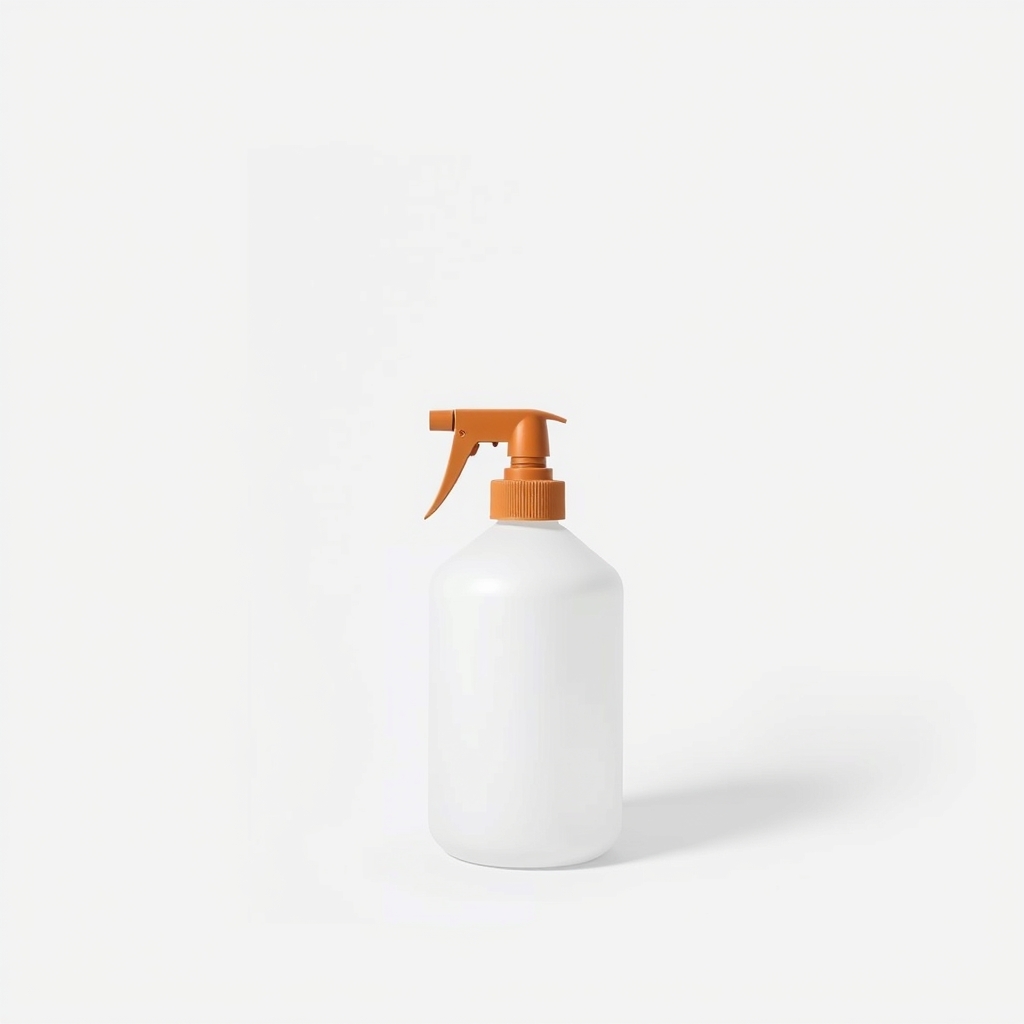
Pump garden sprayer
Applies cleaner evenly over a big patio
Why it happens
Shade and standing damp
Algae need moisture. Patios shaded by walls, fences and trees dry slowly and turn green first.
Porous surfaces
Concrete, pavers and stone have tiny pores that hold water and give algae something to root in.
Slow drainage
A flat patio, one that slopes toward a wall or one that gets runoff from a downspout stays wet longer.
Leaves, soil and pollen
Organic debris feeds algae and mildew, and also makes the patio look dirty.
Try this first (free)
Do these in order, starting with the simplest.
-
Clear and sweep
Tool used: Stiff push broomMove furniture and planters. Sweep leaves and soil, and pull weeds from the joints.
-
Wet and scrub in sections
Tool used: Stiff push broomWet the surface and mix dish soap and warm water, or oxygen bleach per its label. Scrub a few square feet at a time with a stiff brush, then move on.
-
Rinse and check
Tool used: Garden hoseRinse until the water runs clear and let the surface dry. Whatever still looks green or dark is the algae that soap did not reach.
-
Treat what is left with a cleaner
Tool used: Gloves and eye protectionApply a patio algae and mildew cleaner as the label says. Many are sprayed on and left to work, and some are rinsed off while others are left for the rain.
-
Cut the damp
Trim branches that shade the patio, redirect downspouts away from it and sweep weekly. Keep planters on feet so water does not pool underneath.
When free fixes aren't enough
If you scrub every spring and the green is back within a month, the algae are living in the pores and shade. A cleaner that kills the growth lasts longer than soap, and many are no-scrub or low-scrub. If you pressure-wash, use a wide fan tip and keep it moving. A narrow, close jet can etch concrete and blast sand out of paver joints, which then needs polymeric sand. Check any cleaner label for your surface, since acids can etch limestone and travertine.
Buy the fix
Still stuck after the free fixes? These are the products we would look at.
| Pick | Product | Fixes | Who it's for | Buy |
|---|---|---|---|---|
| Best pick | Patio algae and mildew cleaner | algae that scrubbing leaves in the pores of the surface | Anyone whose patio or driveway goes green again every season. | Check price |
| Budget pick | Long-handled stiff scrub brush | scrubbing time and uneven cleaning | Anyone who only needs a seasonal scrub on a small patio. | Check price |
| Upgrade pick | Pump garden sprayer | slow, uneven application on a large patio or driveway | Owners of a big patio, or a patio plus a driveway, who treat large areas. | Check price |
Patio algae and mildew cleaner
Fixes: algae that scrubbing leaves in the pores of the surface
Look for: Labeled for algae, moss and mildew on concrete, pavers or stone; Works with low scrubbing, or no scrubbing at all; Clear coverage area and dwell time; Safe around pets and plants once dry, per the label.
- Who it's for
- Anyone whose patio or driveway goes green again every season.
- Honest downside
- Your surface is delicate natural stone and the label does not list it. Test a small hidden spot first.
Long-handled stiff scrub brush
Fixes: scrubbing time and uneven cleaning
Look for: Stiff bristles in a material that suits your surface; A long handle for scrubbing standing up; A head wide enough to cover ground quickly.
- Who it's for
- Anyone who only needs a seasonal scrub on a small patio.
- Honest downside
- You already own a stiff push broom. A brush alone will not kill algae that has taken root.
Pump garden sprayer
Fixes: slow, uneven application on a large patio or driveway
Look for: Seals that hold up to cleaners, per the maker; An adjustable nozzle with a fan spray; A capacity of one to two gallons.
- Who it's for
- Owners of a big patio, or a patio plus a driveway, who treat large areas.
- Honest downside
- Your patio is small. A watering can or brush does the job.
As an Amazon Associate I earn from qualifying purchases. We don't show prices because they change, so use the button to see today's price.
How we picked: How we picked: this page is based on concrete and paver care guides, algae cleaner labels, and the problems and fixes people report in reviews. We do not test products by hand.
What suits your surface
- Concrete: stiff brush, oxygen bleach or an algae cleaner. Skip a narrow jet.
- Pavers: a gentle scrub and a wide fan tip. Re-fill the joints with polymeric sand if it washes out.
- Natural stone: mild soap and an algae cleaner labeled for stone. Avoid acids such as vinegar on limestone and travertine.
What to skip
Vinegar on natural stone and a narrow-jet pressure washer
Acid can etch limestone, travertine and some concrete. A close, narrow jet can blast sand from paver joints and scar the surface. Use a mild cleaner and a wide fan tip.
Frequently asked questions
Why is my patio green?
Why does my patio go green again right after I clean it?
Why does my patio have black spots?
Why is my driveway turning green, or why is my driveway turning black?
Why does my patio get so dirty?
Related problems
 Free fix inside
Outdoor & Garage · Deck
Deck Turning Green? Clean Off the Algae Before It Stains
Read the fix Free fix inside
Outdoor & Garage · Deck
Decking Slippery When Wet? Anti-Slip Fixes That Last a Season
Read the fix Free fix inside
Outdoor & Garage · Yard Drainage
Patio Flooding When It Rains? Add a Drain Before Water Pools
Read the fix Free fix inside
Outdoor & Garage · Driveway Cleaning
Tire Marks on the Driveway? Cleaners That Lift Them
Read the fixAs an Amazon Associate I earn from qualifying purchases. Affiliate disclosure