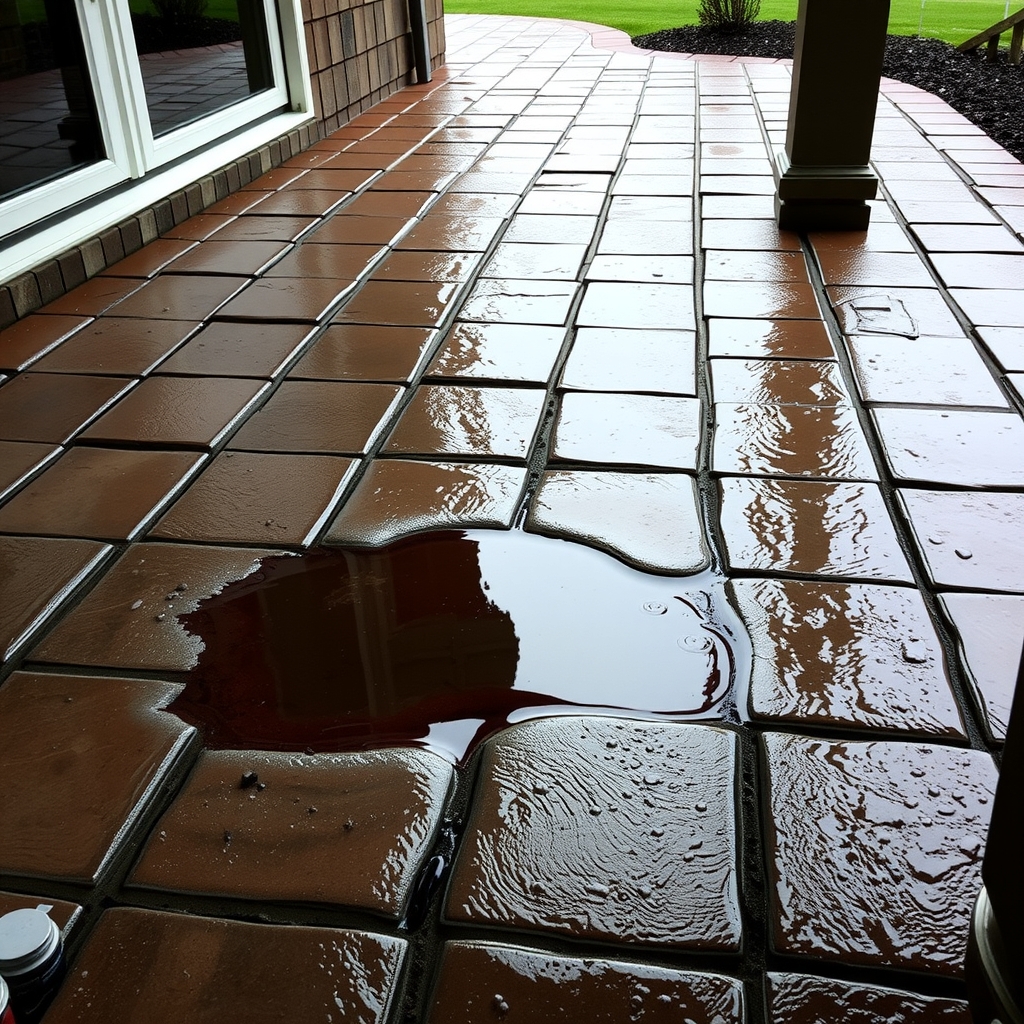
Patio Flooding When It Rains? Add a Drain Before Water Pools
A patio that holds water usually has no slope and no exit. Find the low spot, fix what you can for free, then add a drain that carries the rest away.
By Jamilur Rahman Updated November 5, 2026 · 6 min read
- Time
- Half a day
- Cost
- $50-$150
- Difficulty
- Medium
In this guide
Quick answer
To stop patio flooding, find where the water collects, make sure gutters and downspouts stop dumping on it and level any sunken pavers. If water still pools, set a channel drain along the low edge, or a catch basin at one low spot, and pipe it to a lawn or storm outlet. A patio that keeps flooding has water with no exit, so the drain gives it one.
Free fix vs. permanent fix
Find the low spot and move the roof water
- Run a hose to find where water stops
- Clear leaves and silt off the patio and out of gutters
- Point downspouts onto the lawn, away from the patio
- Relevel any sunken pavers
How long it lasts: Enough for light rain. A patio that sits flat or slopes toward the house will still pool in a heavy storm.
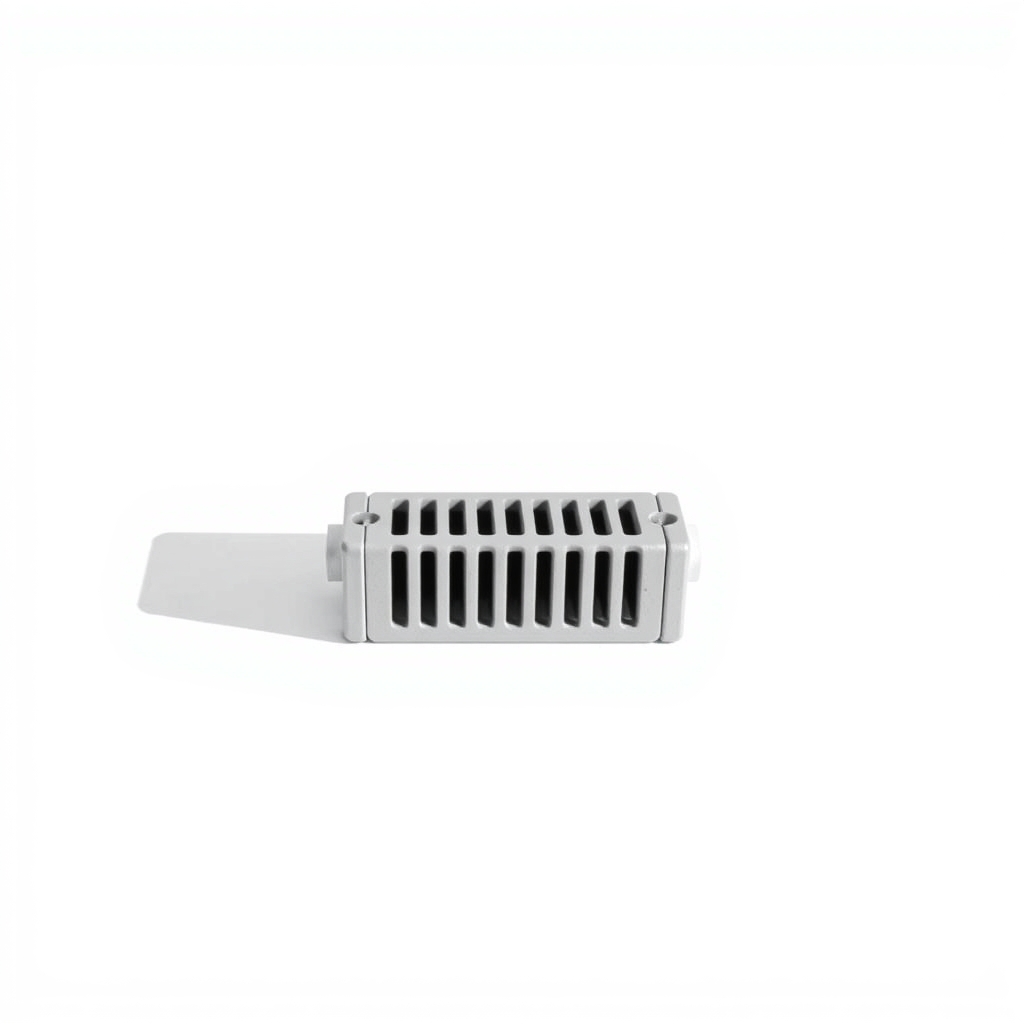
A patio channel drain with a grate
A channel drain is a slim trough with a grate that sits flush with the surface. It catches water across the low edge of the patio and sends it down a pipe to a place it can go. That fixes the cause, no exit, instead of just chasing puddles.
What to get: Patio channel drain with a grate
How long it lasts: Years, if you clear the grate each season.
As an Amazon Associate I earn from qualifying purchases.
What you'll need
-
Garden hose
Run it on the high side to see where the water goes
You have it -
Long level
Checks slope across the patio; use it on a straight board
You have it -
Push broom
Clears leaves, silt and sand from the surface and drain
You have it - Our pick Illustration
Patio channel drain with grate
A slim trough that catches water along the low edge
- Illustration
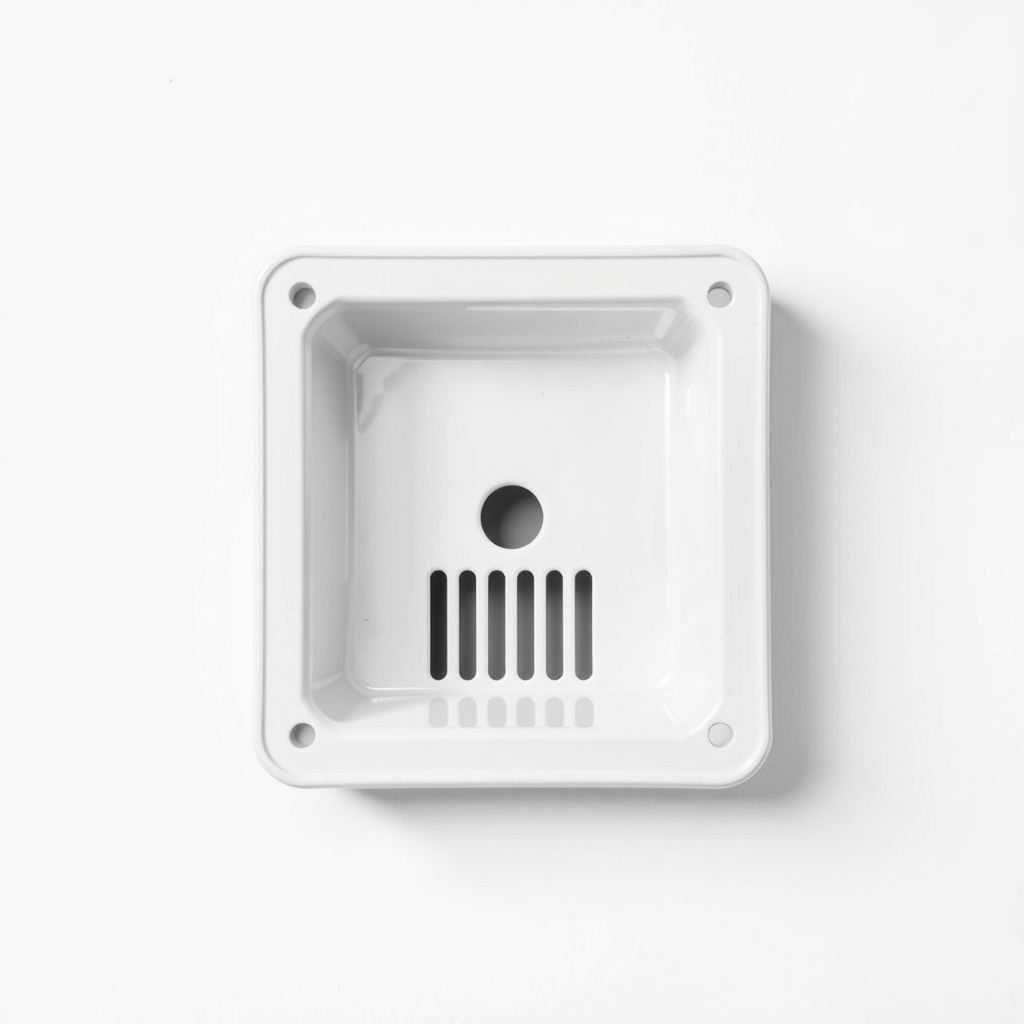
Square catch basin with grate
For one low spot where water sits
- Illustration
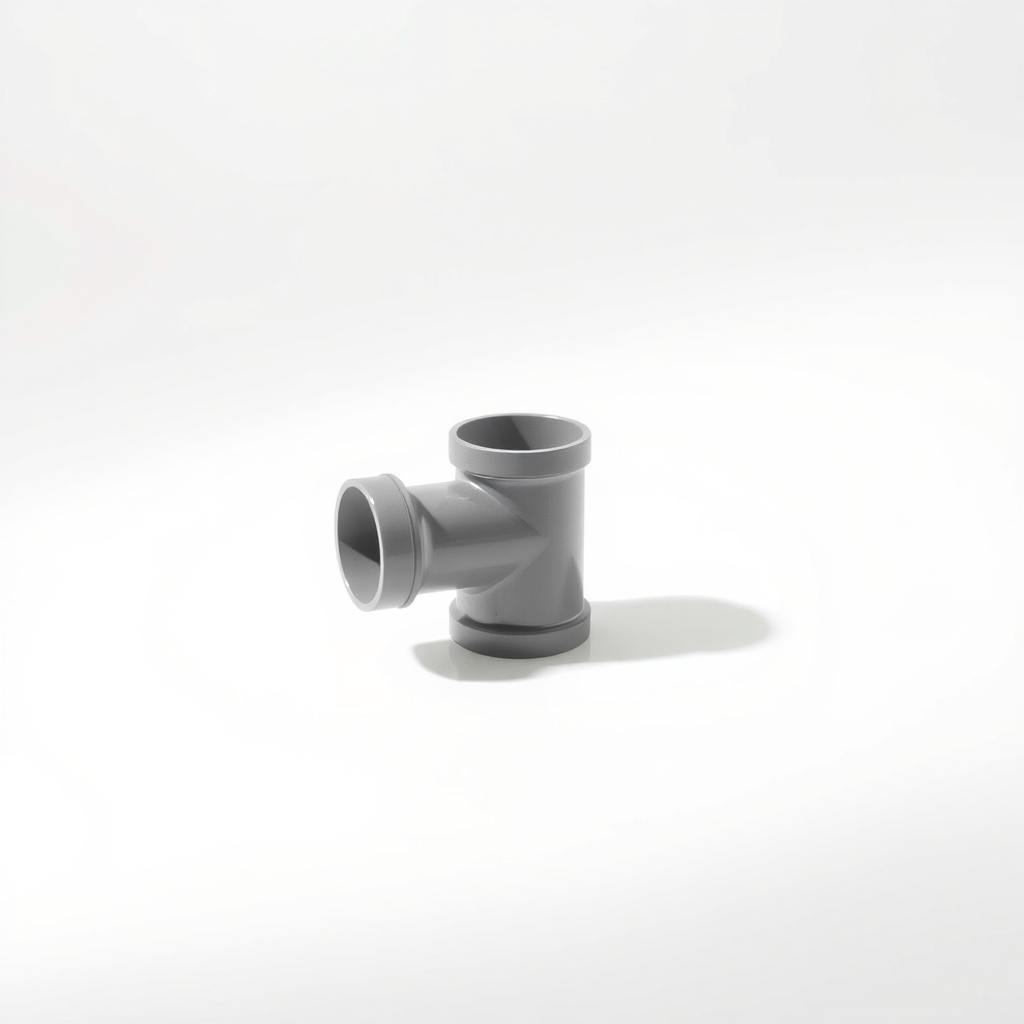
Solid drain pipe and fittings
Carries water from the drain to the outlet
Why it happens
A patio that is flat or slopes toward the house
A patio should fall away from the house by about 1/4 inch per foot. A flat or reversed slope has nowhere to send the water, so it sits.
Settled pavers or slabs
The soil under a few pavers sinks, leaving a dip that fills with water and keeps the stones wet long after rain.
Roof water landing on the patio
A downspout that empties near or onto the patio adds a whole roof's worth of water to the surface.
A blocked or missing drain
An old drain full of leaves, sand and silt cannot take water. In many patios there is no drain at all.
A yard that slopes toward the patio
Higher ground above the patio sends runoff onto it in a hard rain.
Try this first (free)
Do these in order, starting with the simplest.
-
Run the hose test
Tool used: Garden hoseRun a hose on the high side of the patio for several minutes and watch where the water goes. Mark the spot where it stops moving and pools. That is your low spot.
-
Check the slope
Tool used: Long levelLay a long, straight board across the patio and put a level on it. The surface should drop about 1/4 inch per foot away from the house. If it drops toward the wall or sits flat, a drain is the fix.
-
Sweep the patio and clear the drain
Tool used: Push broomSweep leaves, sand and silt toward the lawn, not into a drain. Clear any existing drain and rinse it out, and clean the gutters above the patio.
-
Redirect downspouts
Make sure each downspout ends on the lawn or a garden bed, at least 4 to 6 feet from the patio and the house, using an extension if needed.
-
Relevel sunken pavers
Lift the sunken pavers, add compacted base material and a layer of sand to raise the spot, and set them back. Filling a dip with loose sand on top will wash away.
When free fixes aren't enough
If the patio is a flat slab, slopes toward the house or sits in a low corner of the yard, no amount of sweeping fixes the shape. A channel drain along the low edge handles a wide area, and a catch basin handles one dip. Both need a pipe to a place the water can go. Call 811 before you dig, and never send the water against the house foundation or onto a neighbor's property. If water enters the house or basement, or you see wet foundation walls or new cracks, call a pro. That is a bigger problem than a patio.
Buy the fix
Still stuck after the free fixes? These are the products we would look at.
| Pick | Product | Fixes | Who it's for | Buy |
|---|---|---|---|---|
| Best pick | Patio channel drain with a grate | a patio that floods along a whole edge or at a door threshold | Patios that collect water across a wide area or along the house wall. | Check price |
| Budget pick | Square catch basin with a grate | one low spot where water sits | A single dip, corner or step where water collects. | Check price |
Patio channel drain with a grate
Fixes: a patio that floods along a whole edge or at a door threshold
Look for: Sections long enough to span the low edge; A grate rated for foot traffic and furniture; An end outlet that fits 4-inch pipe; Narrow grate slots that do not catch heels or chair legs.
- Who it's for
- Patios that collect water across a wide area or along the house wall.
- Honest downside
- The water pools in one small dip. A catch basin is cheaper and simpler.
Square catch basin with a grate
Fixes: one low spot where water sits
Look for: A grate that sits flush with the pavers; An outlet that fits 4-inch pipe; A sturdy plastic body.
- Who it's for
- A single dip, corner or step where water collects.
- Honest downside
- Water spreads along the full edge of the patio. A single basin will not catch it all.
As an Amazon Associate I earn from qualifying purchases. We don't show prices because they change, so use the button to see today's price.
How we picked: How we picked: this page is based on patio drainage and paver installation guides, slope recommendations from landscaping extension services, and the pooling problems and fixes people report in owner reviews. We do not test products by hand.
Channel drain or catch basin: pick by the shape of the puddle
- Water along a whole edge or a door threshold: a channel drain.
- One dip or corner: a square catch basin.
- Both a dip and a wide area: a channel drain along the edge, with the dip leveled.
Standing water makes the patio slippery and the yard buggy
Water that sits on a patio grows algae, which makes the surface slick, and it gives mosquitoes a place to breed. Drain it within a day or two. If algae has already formed, scrub it off before you set any drain.
What to skip
Sealers, and drains that dump at the foundation
A surface sealer does not move water, and a puddle will still form. A drain that empties against the house wall or into a neighbor's yard just moves the flooding to a worse place.
Frequently asked questions
Why does my patio keep flooding?
How much slope should a patio have?
Where should a patio drain empty?
Can I add a drain to an existing patio?
Do I need a permit for a patio drain?
Related problems
 Free fix inside
Outdoor & Garage · Yard Drainage
Garden Flooding After Every Rain? Drainage Fixes That Work
Read the fix Free fix inside
Outdoor & Garage · Driveway Upkeep
Driveway Flooding? A Channel Drain Moves the Water Away
Read the fix Free fix inside
Outdoor & Garage · Garage Flooding
Garage Floods When It Rains? A Threshold Seal Is Step One
Read the fix Free fix inside
Outdoor & Garage · Patio
Patio Keeps Going Green? Kill the Algae So It Stays Gone
Read the fixAs an Amazon Associate I earn from qualifying purchases. Affiliate disclosure