Driveway Flooding? A Channel Drain Moves the Water Away
Water that pools at the foot of a driveway needs somewhere to go. Check the usual causes first, then add a channel drain that carries it off.
By Jamilur Rahman Updated November 5, 2026 · 7 min read
- Time
- 1 weekend
- Cost
- $150+
- Difficulty
- Hard
In this guide
Quick answer
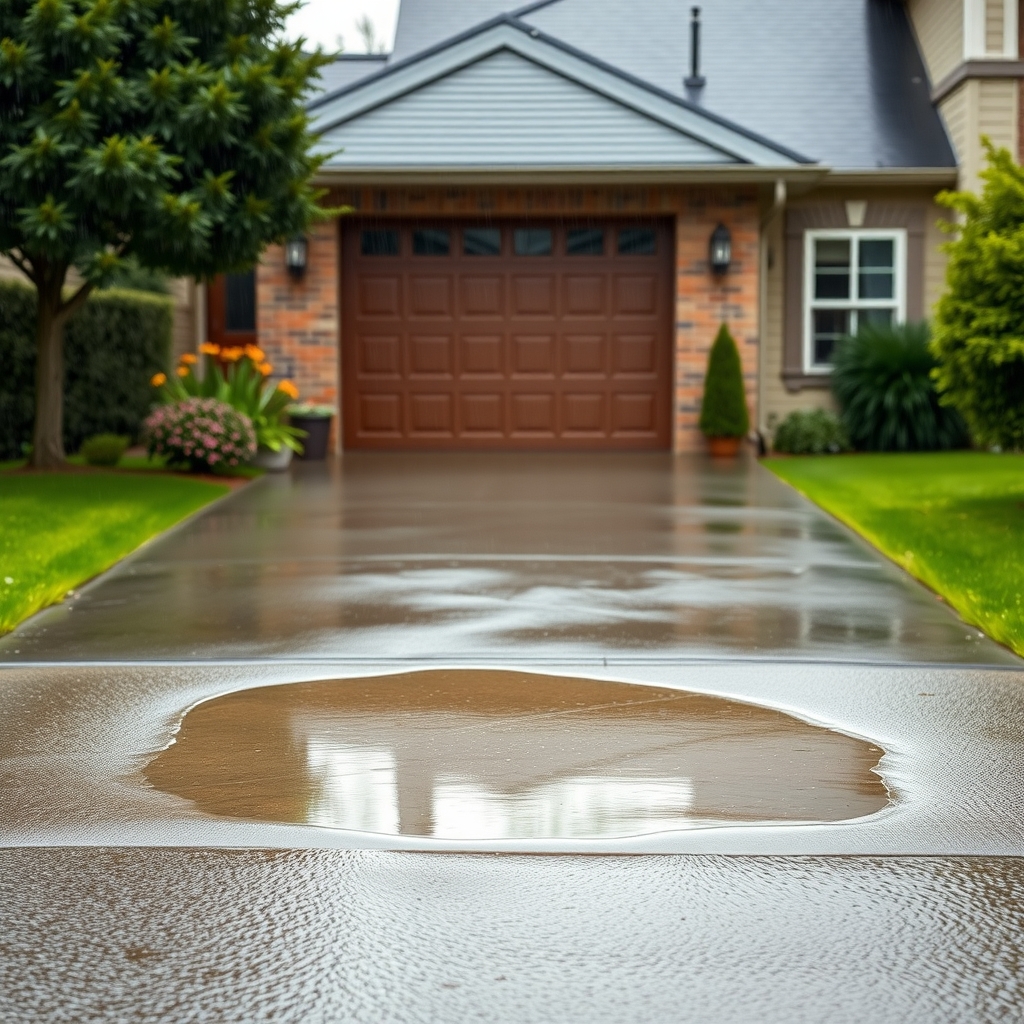
To stop a driveway from flooding, first find where the water comes from and clear it: blocked drains, a downspout that empties onto the pavement and low spots. If it still pools, a channel drain set across the low point catches the water and carries it to a safe outlet. A driveway that keeps flooding usually has water with nowhere to go, and a drain is what gives it somewhere.
Free fix vs. permanent fix
Clear, redirect and re-grade the water
- Clear leaves and silt from any drain, curb inlet or gutter
- Point downspouts onto a lawn, not the pavement
- Rake gravel or soil so it falls away from the garage
- Watch where the water goes during the next rain
How long it lasts: Handles light rain and leaf-clogged drains. In a heavy storm, a low spot at the bottom of a slope will still fill.
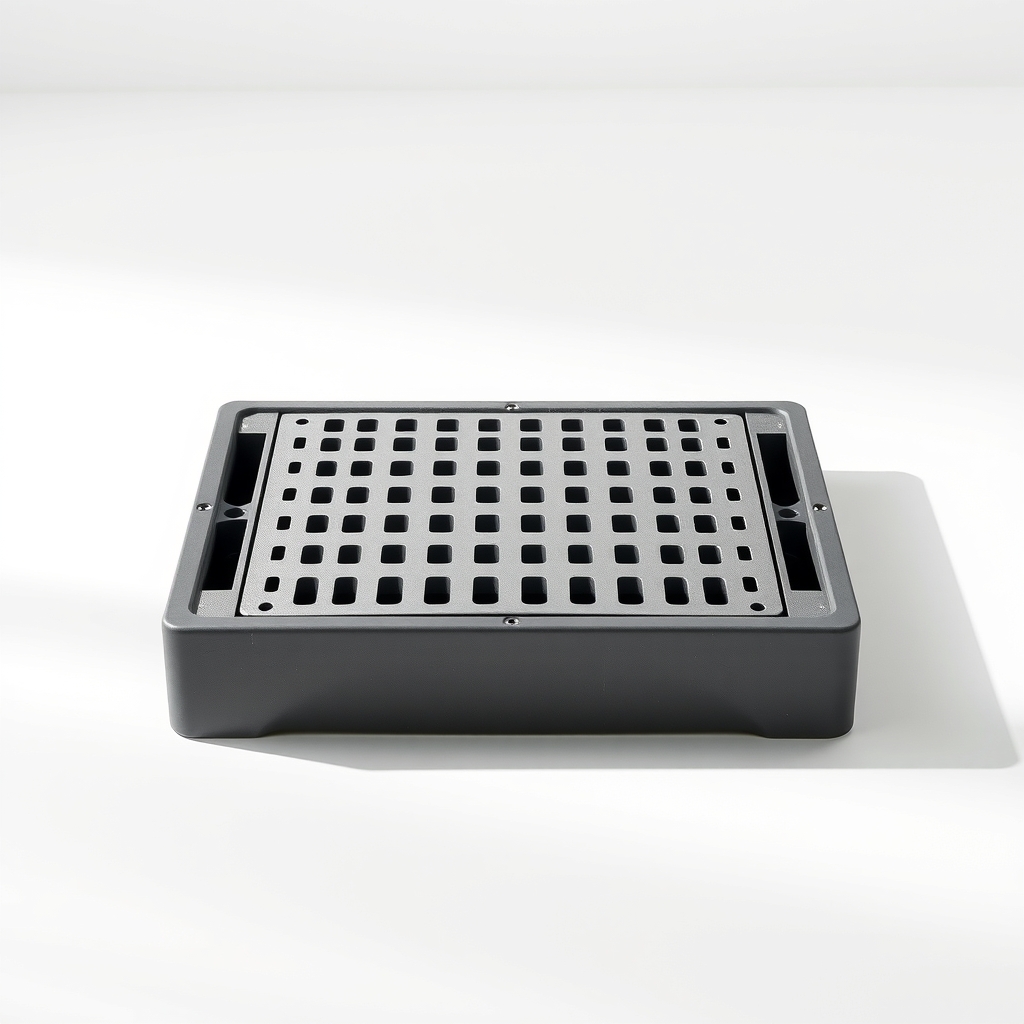
A channel drain across the low spot
A channel drain is a long, narrow trough with a grate that sits flush with the pavement. It catches water across the whole width of the driveway and sends it down a pipe to a safe outlet. It treats the cause, water with no exit, rather than just the puddle.
What to get: Channel drain system with a vehicle-rated grate
How long it lasts: Decades, if you clear the grate a couple of times a year.
As an Amazon Associate I earn from qualifying purchases.
What you'll need
-
Garden hose
Run it to test where water flows and where it stops
You have it -
Level and a long straight board
Shows where the surface slopes toward the garage
You have it -
Tape measure
Measure the width of the driveway and the run to the outlet
You have it - Our pick Illustration
Channel drain system with vehicle-rated grate
Joins in sections across the width of the drive
- Illustration
Downspout extension
Moves roof water off the pavement for a small cost
- Illustration
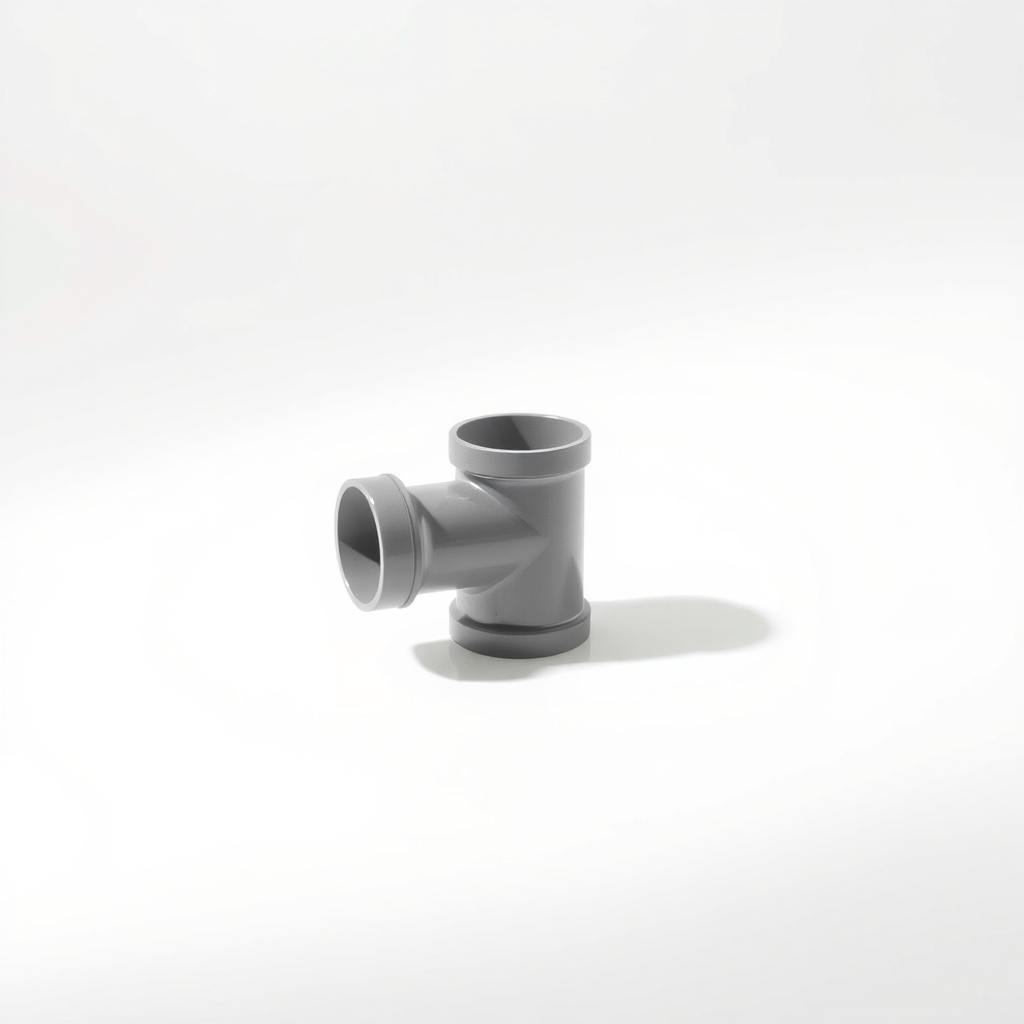
Solid drain pipe and fittings
Carries the water from the drain to the outlet
Why it happens
A low spot at the bottom of a slope
Water runs to the lowest point and stops there if nothing carries it away. Many driveways slope toward the garage or the street, so the low spot is right where you park.
Roof water dumped on the pavement
A downspout that ends on the driveway adds the runoff from a whole roof to the puddle in a storm.
Blocked drains and curb inlets
Leaves, mulch and silt clog grates, so water backs up instead of draining.
Settled or cracked pavement
Sunken slabs, ruts and potholes hold water long after the rest has dried.
A yard that slopes toward the drive
Runoff from higher ground or beds beside the driveway flows onto it during heavy rain.
Try this first (free)
Do these in order, starting with the simplest.
-
Watch the water move
Tool used: Garden hoseRun a hose at the top of the driveway for 10 minutes, or watch during the next rain. Note where the water goes, where it pools and whether any reaches the garage door.
-
Check the slope
Tool used: Level and a long straight boardLay a straight board down the slope with a level on top. Water should fall away from the garage and house by at least about 1/8 inch per foot. If it slopes toward the building, a drain across the bottom is the fix.
-
Clear every inlet and gutter
Scoop leaves and silt from grates, curb inlets and gutters, and rinse them out. Do it before every rainy season. If the curb inlet belongs to the city, report a blockage.
-
Move roof water off the pavement
Tool used: Downspout extensionFit an extension so each downspout empties onto a lawn or garden bed at least 4 to 6 feet away from the driveway and the house.
IllustrationCheck price on AmazonTool for this step
Downspout extension · Moves roof water off the pavement for a small cost
-
Fill the small low spots
Fill dips in a gravel drive with compacted gravel. For a dip in asphalt or concrete, use a patch product made for it, so the surface sheds water.
When free fixes aren't enough
If water still pools at the low end after the inlets are clear and the downspouts are moved, the problem is the shape of the site, not neglect. A channel drain across the lowest point, running the full width, catches the sheet of water and pipes it to a safe place. Call 811 before digging, and check local rules on where you may send the water, since a neighbor's yard or a sanitary sewer is usually not allowed. If water gets into the garage, runs against the foundation or you see cracks in the foundation, call a drainage contractor. Cutting concrete or asphalt is heavy, dusty work, so many people hire it out.
Buy the fix
Still stuck after the free fixes? These are the products we would look at.
| Pick | Product | Fixes | Who it's for | Buy |
|---|---|---|---|---|
| Best pick | Channel drain system with a vehicle-rated grate | water pooling or running across the driveway toward the garage | Most homes where water collects at the foot of the driveway or across the garage door. | Check price |
| Budget pick | Downspout extension or drain pipe | roof water pouring onto the driveway | A downspout empties on or near the pavement and the rest of the driveway drains well. | Check price |
| Upgrade pick | 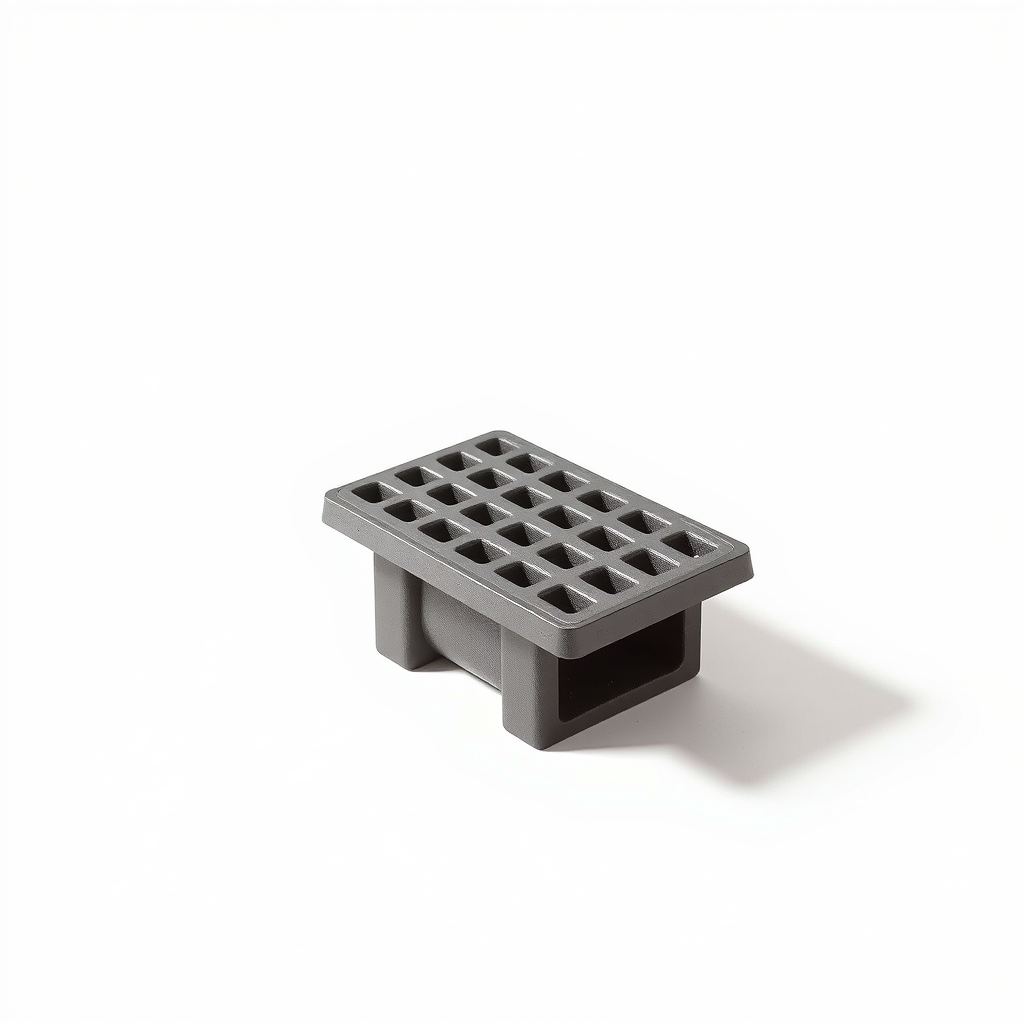 Heavy-duty channel drain with a cast iron or ductile iron grate | flooding on a driveway that carries heavy vehicles | People with an RV, a work truck or a shared drive that sees heavy loads. | Check price |
Channel drain system with a vehicle-rated grate
Fixes: water pooling or running across the driveway toward the garage
Look for: A load rating that covers cars, and trucks if they pull in; Sections that join together, plus an end outlet that fits 4-inch pipe; Enough length to span the part of the driveway where water flows; A grate that locks or bolts down.
- Who it's for
- Most homes where water collects at the foot of the driveway or across the garage door.
- Honest downside
- Your water comes only from a downspout, where an extension may be enough. Also skip it if you cannot send the water anywhere legal.
Downspout extension or drain pipe
Fixes: roof water pouring onto the driveway
Look for: Long enough to move water 4 to 6 feet clear; Sized to fit your downspout; Sturdy enough to survive a lawn mower.
- Who it's for
- A downspout empties on or near the pavement and the rest of the driveway drains well.
- Honest downside
- A puddle remains after the downspout is moved. Then you need a channel drain.
Heavy-duty channel drain with a cast iron or ductile iron grate
Fixes: flooding on a driveway that carries heavy vehicles
Look for: A higher load rating for trucks, RVs or delivery vehicles; A concrete or reinforced channel body; A grate that locks in place.
- Who it's for
- People with an RV, a work truck or a shared drive that sees heavy loads.
- Honest downside
- Only cars use the drive. A standard vehicle-rated channel is enough.
As an Amazon Associate I earn from qualifying purchases. We don't show prices because they change, so use the button to see today's price.
How we picked: How we picked: this page is based on drainage guides from channel drain makers and extension services, load rating charts, and the flooding problems and fixes people report in owner reviews. We do not test products by hand.
Where to put the drain
- Across the lowest point of the driveway, where the hose test shows water stopping.
- Just before the garage door, if the slope runs toward it.
- Long enough to cover the width where water flows, not necessarily the whole drive.
- With a clear run to an outlet that is lower than the drain.
Roof water or runoff: how to tell
If the puddle fills quickly in the first minutes of a storm and your downspout empties onto the drive, roof water is the main cause, and an extension may fix most of it. If the puddle grows slowly and covers the low end after hours of rain, it is surface runoff, and a channel drain is the right tool.
What to skip
Sandbags, gravel piles and decorative grates
A pile of gravel or a row of sandbags moves water around and does not take it away, and sandbags break down. A grate rated only for foot traffic will crack under a car, so check the load rating.
Frequently asked questions
Why does my driveway keep flooding?
Will a channel drain stop water getting into my garage?
Where does the water go from a driveway drain?
Can I install a channel drain myself?
Do I need a permit for driveway drainage?
Related problems
 Free fix inside
Outdoor & Garage · Garage Flooding
Garage Floods When It Rains? A Threshold Seal Is Step One
Read the fix Free fix inside
Outdoor & Garage · Yard Drainage
Garden Flooding After Every Rain? Drainage Fixes That Work
Read the fix Free fix inside
Outdoor & Garage · Yard Drainage
Patio Flooding When It Rains? Add a Drain Before Water Pools
Read the fix Free fix inside
Outdoor & Garage · Gutters
Gutters Clogging Every Fall? Which Gutter Guards Are Worth It
Read the fixAs an Amazon Associate I earn from qualifying purchases. Affiliate disclosure