Tire Marks on the Driveway? Cleaners That Lift Them
Dark tire streaks are rubber and tire oil pressed into the surface. Fresh scuffs scrub off with dish soap. Old ones need a degreaser made for driveways.
By Jamilur Rahman Updated November 5, 2026 · 7 min read
- Time
- 45 min
- Cost
- $20-$50
- Difficulty
- Easy
In this guide
Quick answer
Why does your driveway have tire marks? Hot tires, sharp turns and tire oils leave rubber and stain on the surface, most often on concrete. Fresh scuffs usually scrub off with hot water, dish soap and a stiff nylon brush. Old marks that have set into the pores need a concrete degreaser and driveway cleaner, which breaks down the oil and rubber so rinsing lifts them out.
Free fix vs. permanent fix
Hot water, dish soap and a brush
- Wet the marks and spread hot, soapy water over them
- Scrub hard with a stiff nylon brush
- Rinse with a hose and let it dry to judge the result
- Repeat once or twice before giving up on it
How long it lasts: Works on fresh scuffs. Older marks, and any with oil in them, may only lighten.
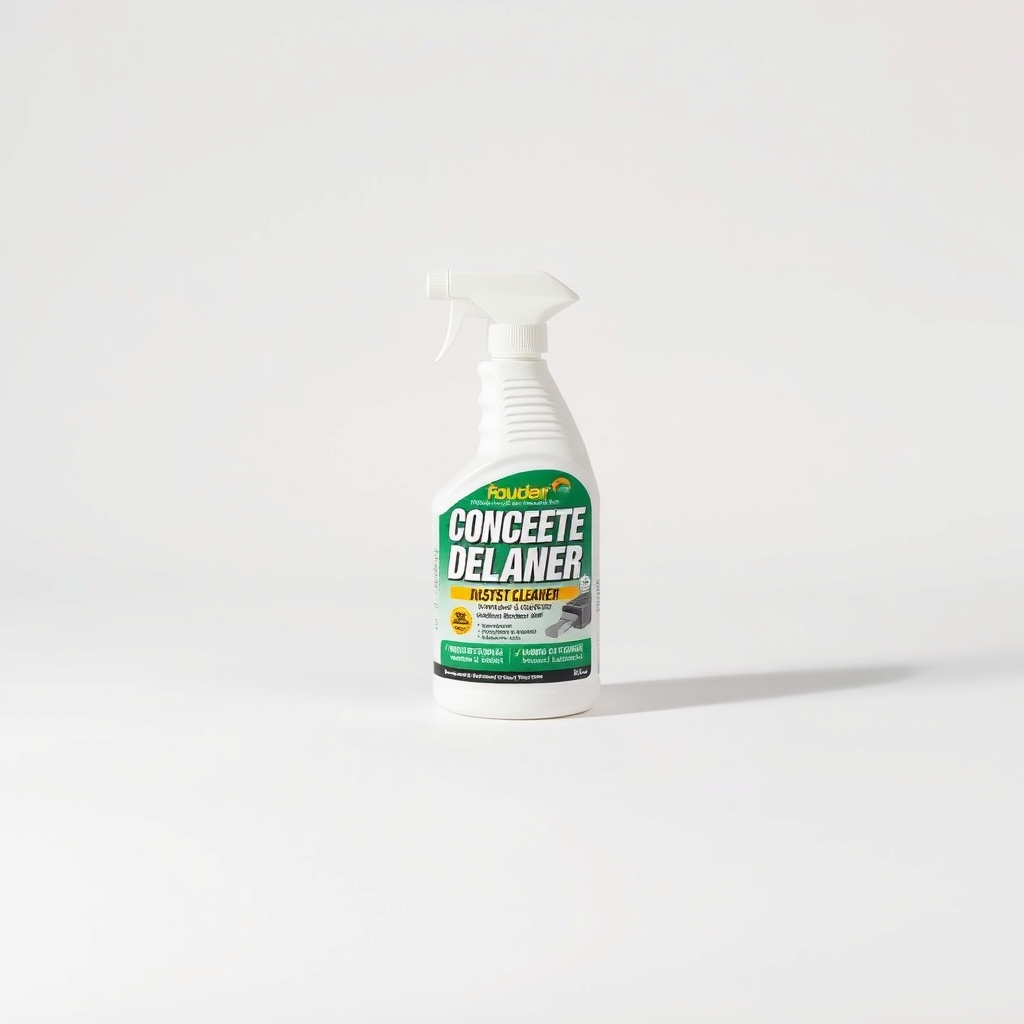
A concrete degreaser and driveway cleaner
Set-in tire marks are rubber and oil in the pores of the surface. Dish soap cannot break that down. A degreaser is built to dissolve oil, so it loosens the mark instead of only scrubbing the top.
What to get: Concrete degreaser and driveway cleaner
How long it lasts: The marks are gone once they are lifted. New ones will form if you scuff, but they clean easily if you act soon.
As an Amazon Associate I earn from qualifying purchases.
What you'll need
-
Dish soap and a bucket
A squirt in a bucket of hot water
You have it -
Garden hose with a spray nozzle
For wetting and rinsing
You have it -
Rubber gloves and safety glasses
Needed when you use a degreaser
You have it - Illustration
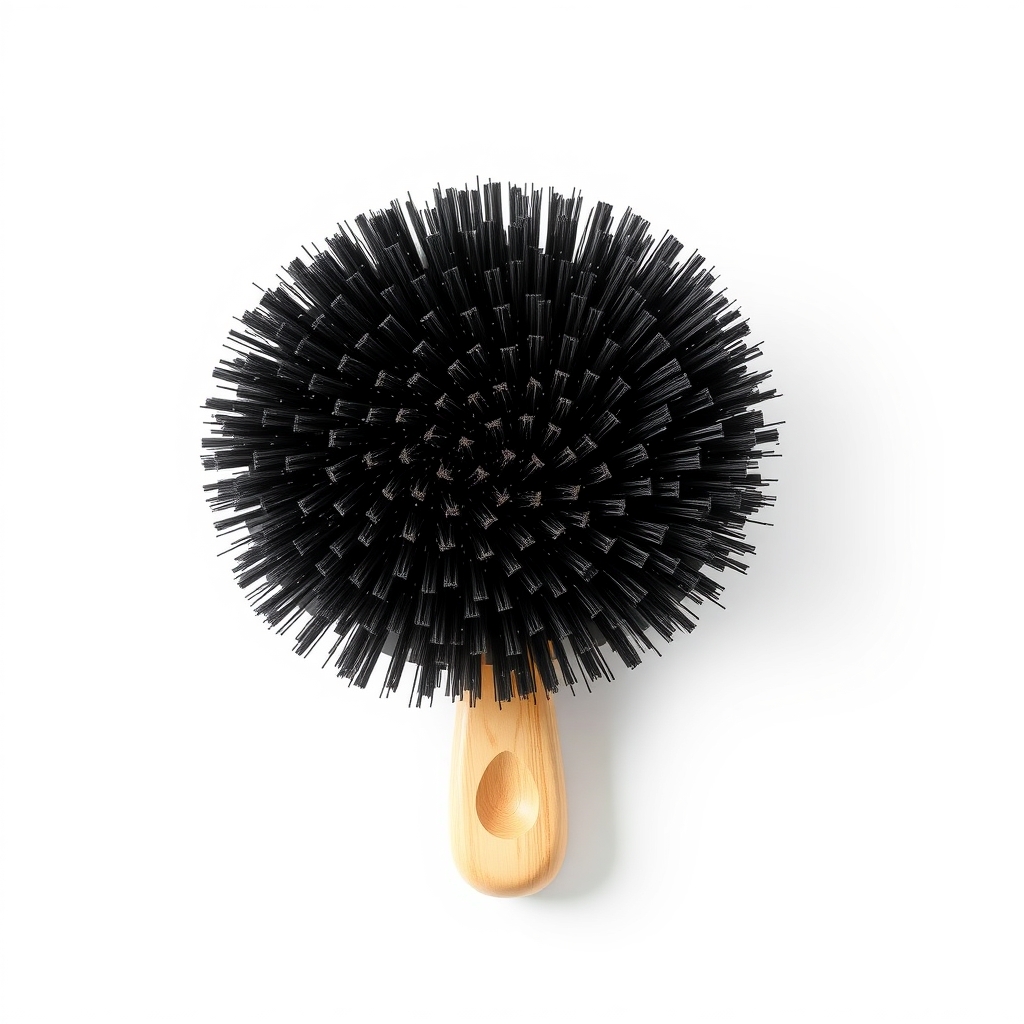
Stiff nylon scrub brush
Push-broom style saves your back
- Our pick Illustration
Concrete degreaser and driveway cleaner
For marks that dish soap will not lift
- Illustration
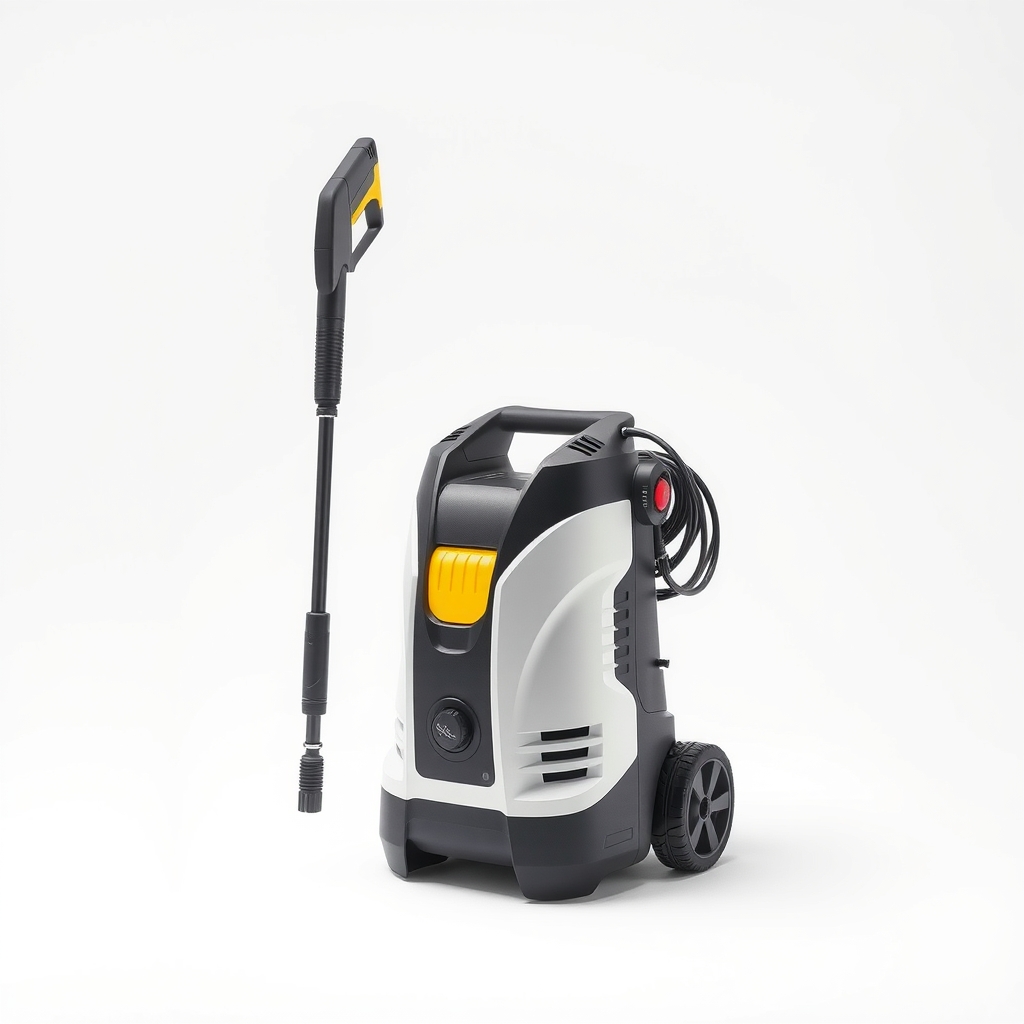
Electric pressure washer
For large areas, used carefully
Why it happens
Turning the wheel while stopped
Turning the steering wheel on a stationary car drags the tire across the surface. That grinds off a thin layer of rubber, which smears as a dark curved mark.
Hot tires and hot pavement
Warm rubber softens and transfers more easily, especially in summer or right after a drive.
Tire oils and dressings
Tires can leach oils, and shiny tire dressing can drip onto the driveway. Porous concrete soaks them up, and they show as a darker stain.
Fresh sealer or a soft surface
Newly sealed driveways are soft for days, and tires leave marks easily. Check the can for how long to wait before driving on it.
Try this first (free)
Do these in order, starting with the simplest.
-
1. Sweep and wet the area
Tool used: Garden hose with a spray nozzleSweep off grit first, since it scratches. Wet the marks with the hose so the soap works on the surface and not on dry dust.
-
2. Scrub with hot soapy water
Tool used: Stiff nylon scrub brushMix a good squirt of dish soap into a bucket of hot tap water, pour it on the marks and scrub with a stiff nylon brush for several minutes. Do not use a wire brush, which scratches concrete and leaves steel bits that rust.
IllustrationCheck price on AmazonTool for this step
Stiff nylon scrub brush · Push-broom style saves your back
-
3. Rinse and let it dry
Rinse well and let the patch dry. Wet concrete looks darker, so judge the result when it is dry.
-
4. Test a degreaser on a hidden spot
Tool used: Rubber gloves and safety glassesIf marks remain, put on gloves and glasses and test the degreaser on a small patch at the edge. Check the label for your surface and make sure it does not discolor or soften it.
-
5. Apply the degreaser, wait and scrub
Tool used: Concrete degreaser and driveway cleanerWet the surface, apply the cleaner as the label directs, and leave it for the stated time without letting it dry. Scrub with the brush and rinse thoroughly, keeping runoff away from plants and storm drains.
IllustrationCheck price on AmazonTool for this step
Concrete degreaser and driveway cleaner · For marks that dish soap will not lift
-
6. Repeat on the worst spots
Stubborn marks may take two rounds. Let each round dry before judging the result.
When free fixes aren't enough
Dish soap and a brush often take off fresh scuffs. Marks that have set for weeks, have oil in them or sit on porous concrete usually only fade, and you can scrub for an hour and see little change. A degreaser is made for that oil. Be careful with the surface. Many degreasers are for concrete only, and strong cleaners can soften or strip asphalt and sealer, so read the label. If the marks are really a deep oil stain, or you see cracking or crumbling, see the related page on resurfacing.
Buy the fix
Still stuck after the free fixes? These are the products we would look at.
| Pick | Product | Fixes | Who it's for | Buy |
|---|---|---|---|---|
| Best pick | Concrete degreaser and driveway cleaner | set-in tire marks and oil that dish soap cannot lift | Anyone with an unsealed concrete driveway and old tire marks that scrubbing barely lightens. | Check price |
| Budget pick | Stiff nylon scrub brush | fresh scuffs and surface dirt that need elbow grease | Anyone who wants to try the soap method properly before spending on a cleaner. | Check price |
| Upgrade pick | Electric pressure washer | rinsing a large driveway quickly after a degreaser has loosened the marks | Anyone with a large driveway who also needs to clean the patio and siding each year. | Check price |
Concrete degreaser and driveway cleaner
Fixes: set-in tire marks and oil that dish soap cannot lift
Look for: A label that names concrete driveways and tire marks or oil; Clear dwell time, dilution and rinse instructions; Clear notes on which surfaces it is not safe for, such as asphalt or sealed concrete; A size that covers your driveway.
- Who it's for
- Anyone with an unsealed concrete driveway and old tire marks that scrubbing barely lightens.
- Honest downside
- Your driveway is asphalt or freshly sealed, and the label does not list it. Choose an asphalt-safe cleaner or wait.
Stiff nylon scrub brush
Fixes: fresh scuffs and surface dirt that need elbow grease
Look for: Stiff nylon bristles, not steel; A long handle so you do not stoop; A wide head that covers a large area.
- Who it's for
- Anyone who wants to try the soap method properly before spending on a cleaner.
- Honest downside
- You already own a stiff brush. The marks are old and oily, so go straight to a degreaser.
Electric pressure washer
Fixes: rinsing a large driveway quickly after a degreaser has loosened the marks
Look for: A rated pressure suitable for concrete and an adjustable or 25-degree nozzle; A hose and cord long enough to reach the whole driveway; A detergent tank for degreaser.
- Who it's for
- Anyone with a large driveway who also needs to clean the patio and siding each year.
- Honest downside
- You only have a few marks. A hose and brush are enough, and a washer can etch the surface if used too close.
As an Amazon Associate I earn from qualifying purchases. We don't show prices because they change, so use the button to see today's price.
How we picked: How we picked: this page is based on concrete and asphalt care guidance, label directions from cleaner makers, and what owners report in reviews of driveway degreasers. We do not test products by hand.
Concrete or asphalt? Pick the safe cleaner
- Bare concrete: dish soap first, then a concrete degreaser.
- Sealed concrete: dish soap only at first. Test a degreaser on a hidden spot, since it can dull the sealer.
- Asphalt: mild soap and water. Avoid solvents and most degreasers.
- Fresh sealer: wait the full cure time, then clean.
Stop new marks forming
Avoid turning the wheel while the car is stopped, and roll as you steer. Wipe up drips as soon as they land. If your concrete is unsealed and soaks up oil, a penetrating sealer helps keep stains out. See the related page on resealing.
What to skip
Wire brushes, solvents and mixed cleaners
Skip the wire brush, since it scratches and leaves rust specks. Gasoline, paint thinner and brake cleaner are a fire risk and push oil deeper into concrete. And never mix cleaners, especially bleach with anything else.
Frequently asked questions
Why does my driveway have tire marks?
Will tire marks on a driveway go away on their own?
Can I use a pressure washer on tire marks?
Will a degreaser damage my asphalt driveway?
Related problems
 Free fix inside
Outdoor & Garage · Driveway Repair
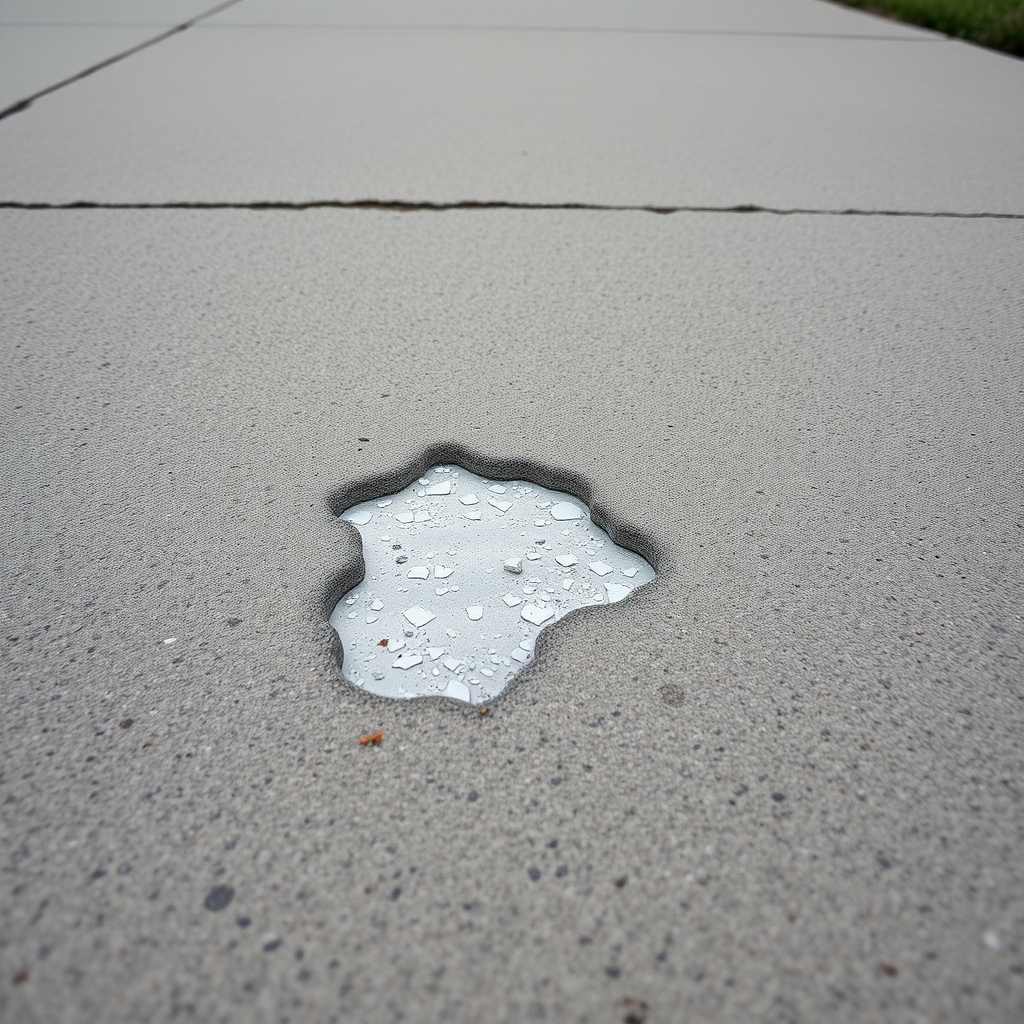
Driveway Pitting? A Resurfacer Can Make Concrete Smooth Again
Read the fix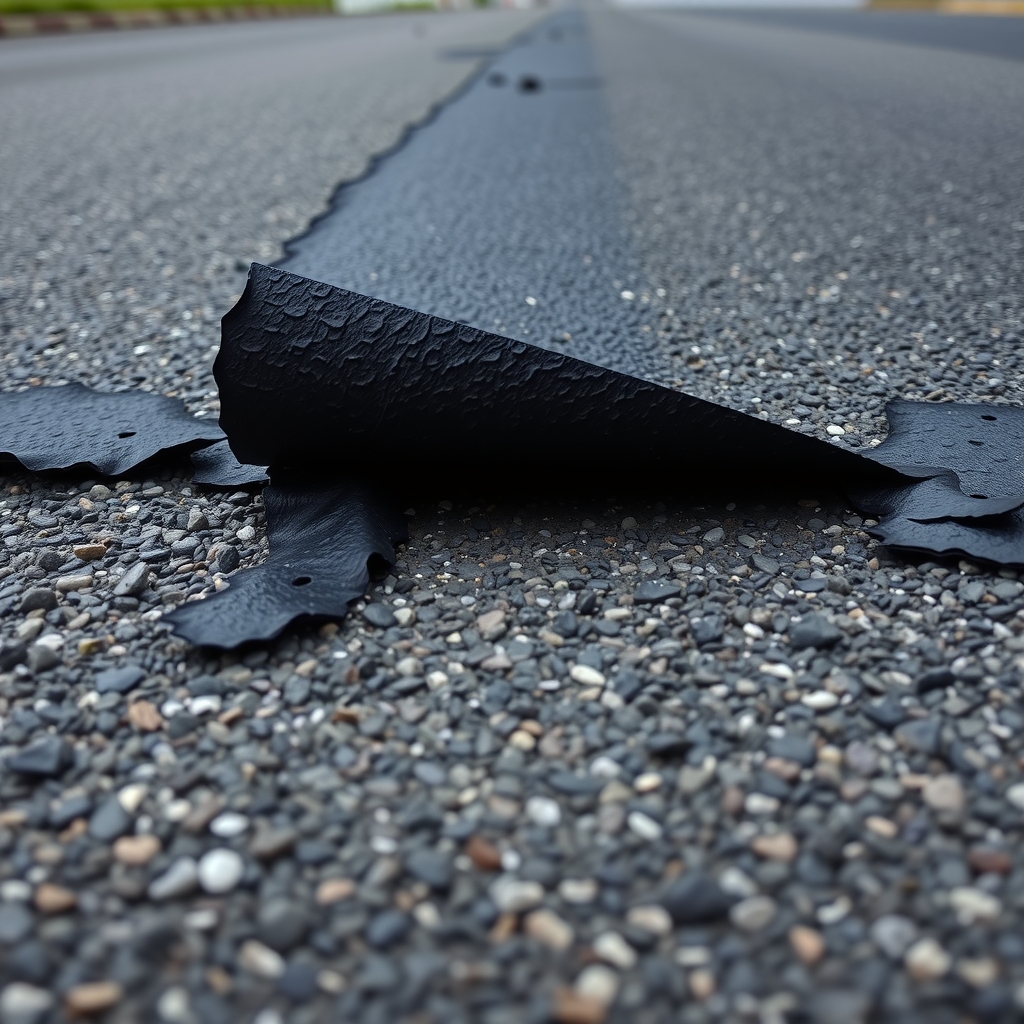 Free fix inside
Outdoor & Garage · Driveway Sealing
Driveway Sealer Peeling? Strip It and Reseal the Right Way
Read the fix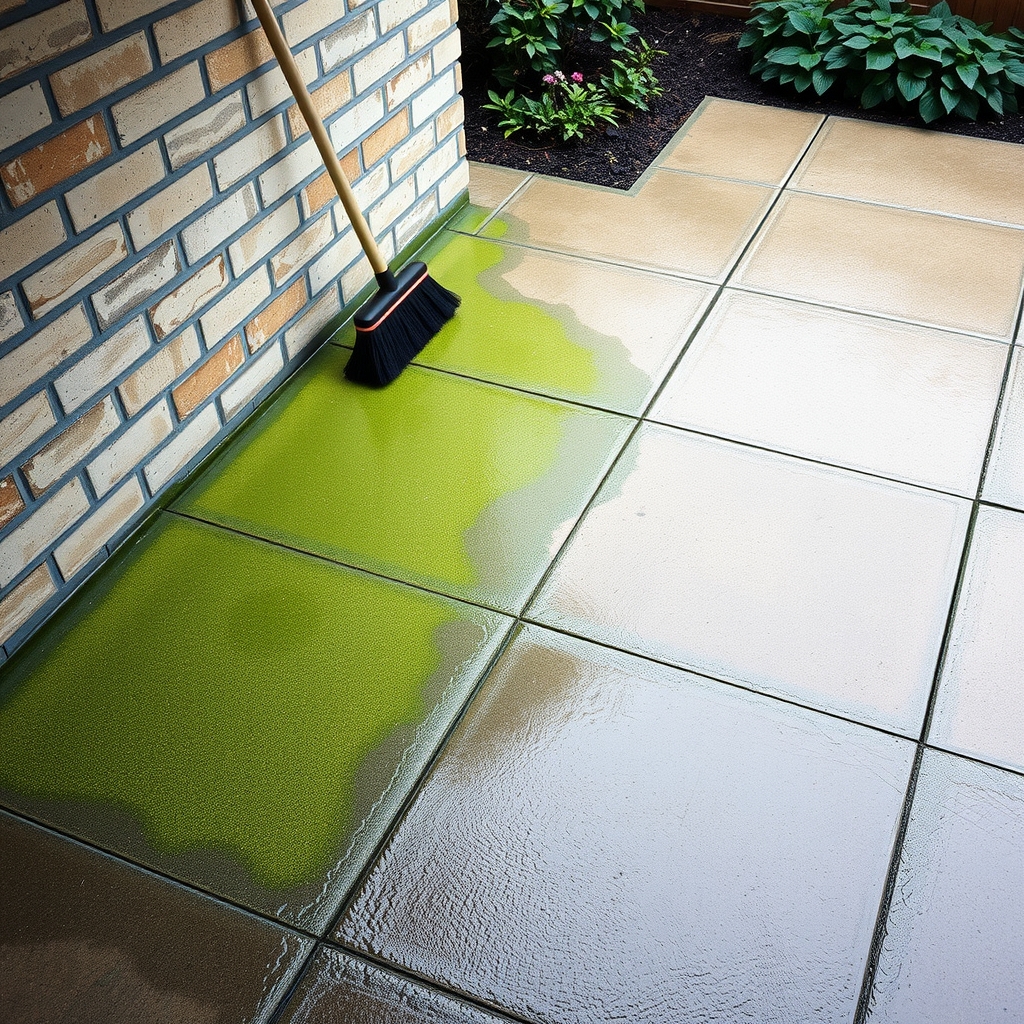 Free fix inside
Outdoor & Garage · Patio
Patio Keeps Going Green? Kill the Algae So It Stays Gone
Read the fix Free fix inside
Outdoor & Garage · Driveway Upkeep
Weeds in Driveway Cracks? What Kills Them and Keeps Them Gone
Read the fixAs an Amazon Associate I earn from qualifying purchases. Affiliate disclosure