Weeds in Driveway Cracks? What Kills Them and Keeps Them Gone
Pulling clears the top, but roots and seed in the crack bring weeds back. Clear them by hand, kill the roots, then fill the crack so nothing can grow.
By Jamilur Rahman Updated November 5, 2026 · 6 min read
- Time
- 30 min
- Cost
- $20-$50
- Difficulty
- Easy
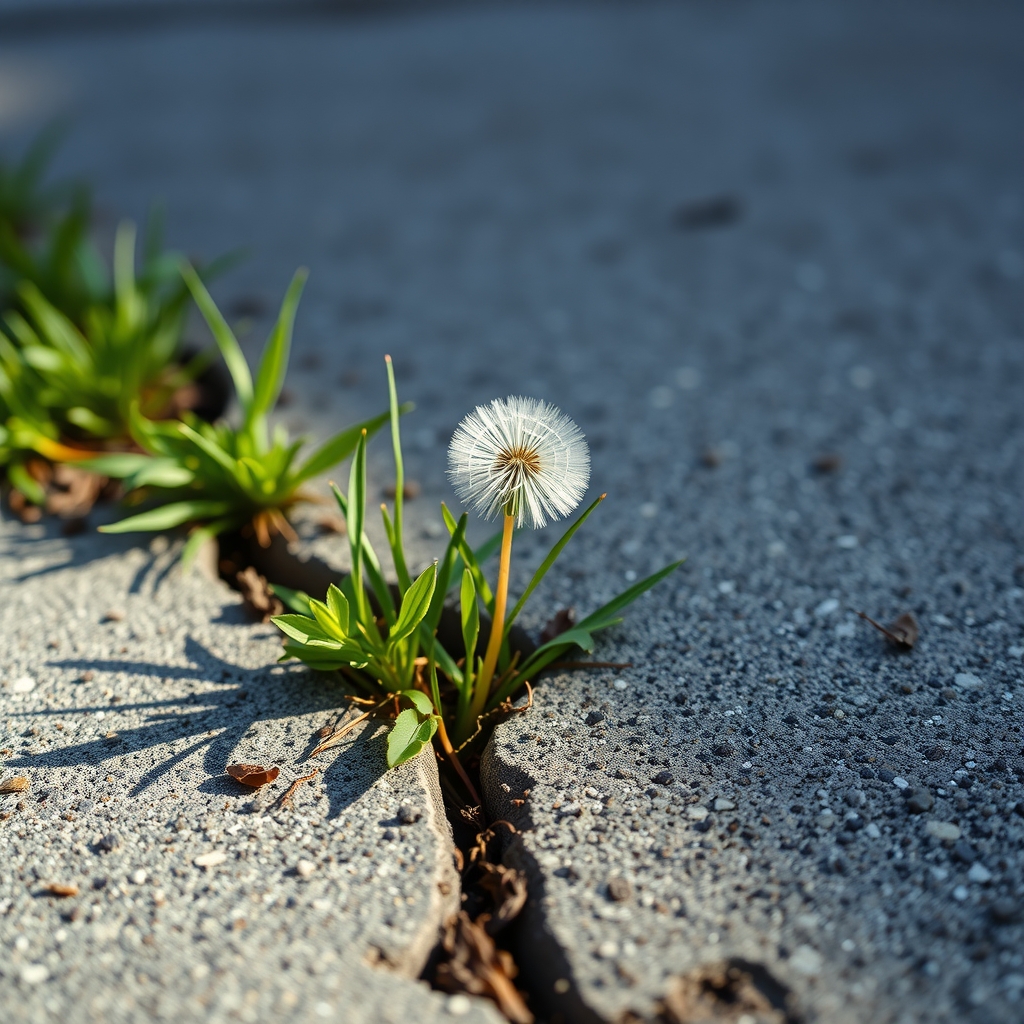
In this guide
Quick answer
To get rid of weeds in driveway cracks, pull them after a rain with the root, then kill what is left and stop new seed from sprouting. Pulling works, but weeds regrow from broken roots and windblown seed. A driveway weed killer is the faster, longer-lasting fix, and filling the crack afterward takes away the soil they grow in.
Free fix vs. permanent fix
Pull, scrape and scald
- Pull after rain, when the soil is soft
- Scrape out roots and packed dirt with a crack weeder or old screwdriver
- Pour just-boiled water on what is left
- Sweep the crack clean so seeds have no soil to land in
How long it lasts: Four to eight weeks in the growing season. Leftover root and new seed bring the weeds back.
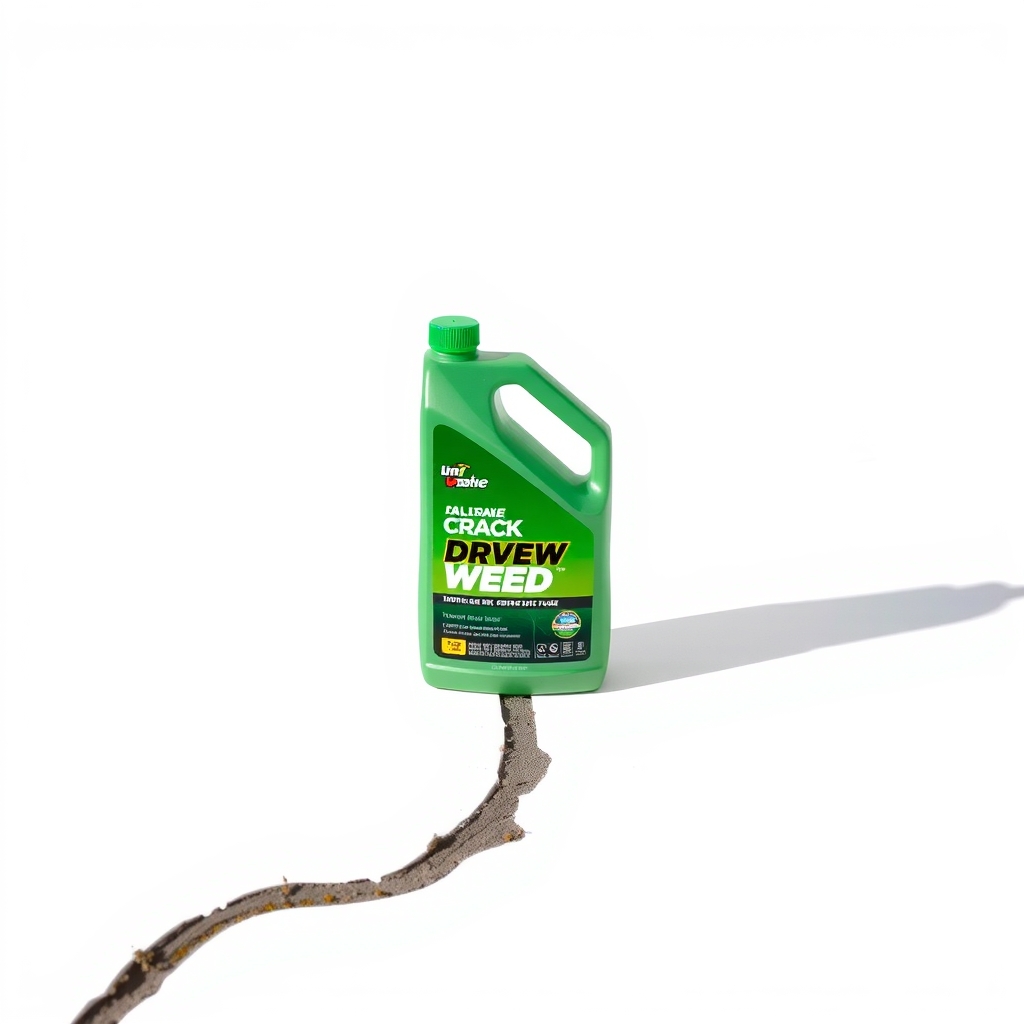
A driveway weed killer that reaches the roots
Pulling leaves root pieces behind, and a crack always holds enough dirt for new seed. A weed killer that moves down into the roots clears what you cannot reach. Sealing the crack afterward closes the door on the next batch.
What to get: Driveway and crack weed killer
How long it lasts: Most of a season. Longer if the crack is also filled, because there is no soil left to sprout in.
As an Amazon Associate I earn from qualifying purchases.
What you'll need
-
Work gloves
For pulling and handling the tool
You have it -
Kettle or pot
Just-boiled water scalds small weeds in cracks
You have it - Illustration
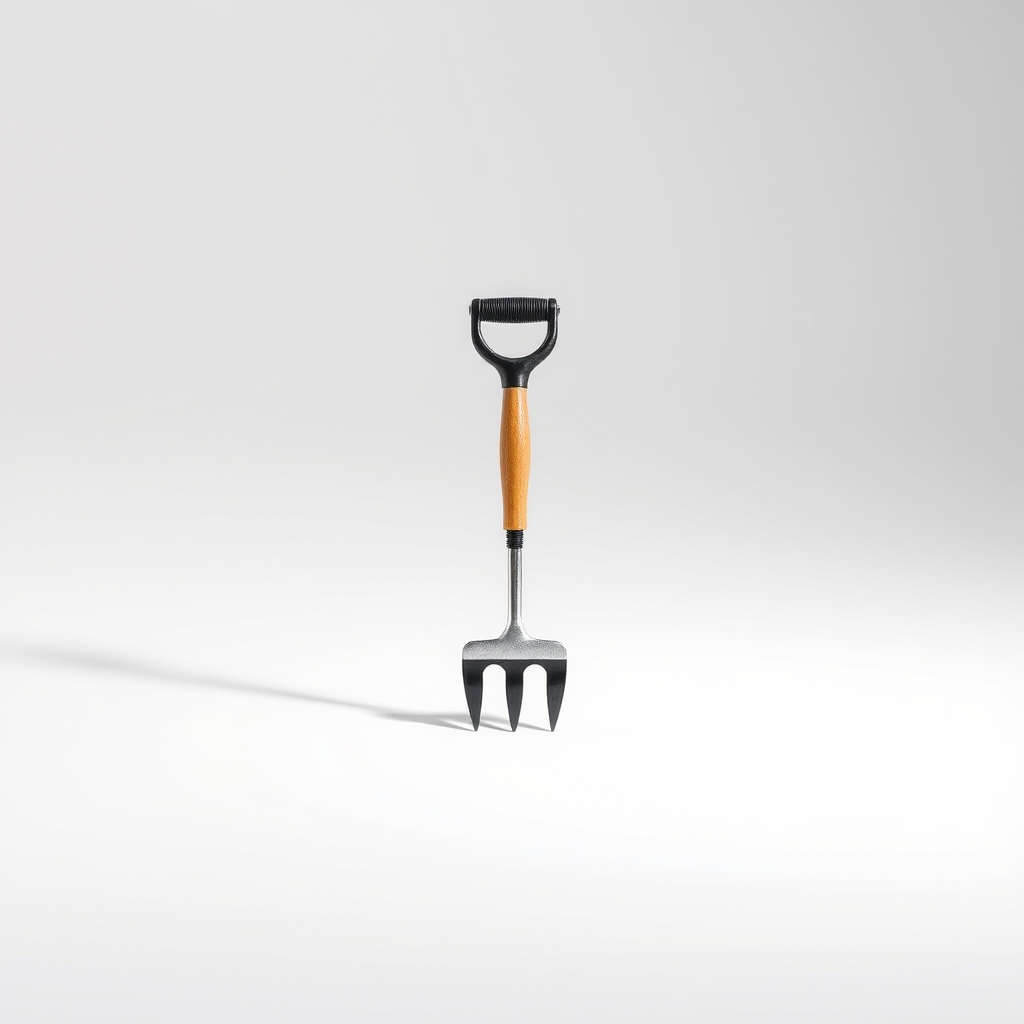
Crack weeder tool
A hooked blade that scrapes roots and packed soil out of narrow gaps
- Our pick Illustration
Driveway weed killer
For the roots you cannot reach by hand
- Illustration
Crack filler or sealant
Closes the gap once it is clean and dry
Why it happens
Soil packs into every crack
Wind, rain and tires push dirt into the gaps. A thin line of soil is all a weed seed needs.
Deep roots that survive pulling
Dandelions and plantain send a taproot down the crack. Pulling snaps off the top and leaves the root, which regrows.
Seed that keeps arriving
Birds, wind and the neighbor's lawn drop new seed all season. A sunny, warm driveway edge makes it sprout fast.
Cracks that keep widening
Water seeps in and freezes, and roots pry the gap wider. A wider crack holds more soil and more moisture.
Try this first (free)
Do these in order, starting with the simplest.
-
Pull after a rain, root and all
Tool used: Work glovesWet soil lets roots slide out. Grab each weed at the base, twist and pull slowly so the root comes with it.
-
Scrape the crack clean
Tool used: Crack weeder toolRun a crack weeder or a flat screwdriver along the gap to lift roots and packed soil. Sweep it all out and bag it.
IllustrationCheck price on AmazonTool for this step
Crack weeder tool · A hooked blade that scrapes roots and packed soil out of narrow gaps
-
Scald what is left
Tool used: Kettle or potPour just-boiled water slowly onto any green growth. It kills the top of small weeds on contact. Keep it away from lawn and plant roots.
-
Treat the roots on a dry, calm day
Tool used: Driveway weed killerSpray a driveway weed killer on the weeds and into the crack, following the label. Skip it if rain is due within the label's rain-free time. Keep kids and pets off until it dries.
IllustrationCheck price on AmazonTool for this step
Driveway weed killer · For the roots you cannot reach by hand
-
Fill the crack once it is dry
Tool used: Crack filler or sealantSweep out the dead weeds, then fill the gap with a crack filler made for your surface. Follow the label for dry time and temperature.
IllustrationCheck price on AmazonTool for this step
Crack filler or sealant · Closes the gap once it is clean and dry
When free fixes aren't enough
If the weeds return within a few weeks, the roots are deeper than your tool reaches. Boiling water kills the top growth of small weeds, but it does not reach a taproot that runs under the slab. A weed killer that travels down to the root is what ends the cycle, and filling the crack stops new seed from rooting. If the slab is sinking, crumbling or shifting, water is getting under it, and a paving pro should look at the base.
Buy the fix
Still stuck after the free fixes? These are the products we would look at.
| Pick | Product | Fixes | Who it's for | Buy |
|---|---|---|---|---|
| Best pick | Driveway and crack weed killer | weeds that regrow from roots after pulling | Anyone who has pulled the same cracks more than once this season. | Check price |
| Budget pick | Crack weeder tool | roots and packed soil you cannot pull by hand | Anyone who prefers no chemicals, or has only a few cracks. | Check price |
| Upgrade pick | Driveway crack filler or sealant for your surface | the open gap that lets soil and seed settle | Anyone with narrow cracks who wants them to stay clean after clearing. | Check price |
Driveway and crack weed killer
Fixes: weeds that regrow from roots after pulling
Look for: Label lists driveways, walkways and cracks; Kills the roots, not just the leaves; A rain-free time that fits your forecast; Optionally, a residual that blocks new seed for weeks.
- Who it's for
- Anyone who has pulled the same cracks more than once this season.
- Honest downside
- The crack runs beside a lawn, flower bed or tree roots. Overspray and runoff can harm them. Pull or scald those spots instead.
Crack weeder tool
Fixes: roots and packed soil you cannot pull by hand
Look for: A hooked or flat blade that fits narrow cracks; A long handle so you do not stoop; Sturdy steel that will not bend on stone.
- Who it's for
- Anyone who prefers no chemicals, or has only a few cracks.
- Honest downside
- The driveway has long cracks full of matted roots. Scraping every one by hand will wear you out.
Driveway crack filler or sealant for your surface
Fixes: the open gap that lets soil and seed settle
Look for: Made for your surface, asphalt or concrete; A pourable or caulk-tube form that fits the crack width; Dry time and temperature range stated on the label.
- Who it's for
- Anyone with narrow cracks who wants them to stay clean after clearing.
- Honest downside
- The crack is wider than the label allows, or the slab around it is sunken or crumbling. That needs a patch or a pro.
As an Amazon Associate I earn from qualifying purchases. We don't show prices because they change, so use the button to see today's price.
How we picked: How we picked: this page is based on weed-control and driveway care guides from extension offices, product labels from weed killer and crack filler makers, and the problems and fixes owners report in reviews. We do not test products by hand.
Weeds in a driveway of pavers, gravel, stone or rock: what changes
- Pavers: sweep out the joints, pull and treat the weeds, then refill the joints with polymeric sand so seed cannot settle in again.
- Gravel, stone or rock driveway: weeds root in the dirt that builds up between the stones. Rake first, treat with a weed killer labeled for gravel, and top up the stone. A weed barrier fabric under new gravel slows regrowth.
- Concrete or asphalt: follow the steps above. Fill the crack so there is nothing left to grow in.
What to skip
Salt and bleach
Rock salt kills weeds for a while, but it washes into lawns and garden beds and can damage concrete. Bleach is not made for weeds, harms soil and is not safe to pour outdoors. Skip both.
Frequently asked questions
How to get rid of weeds in driveway cracks naturally?
How to get rid of weeds in driveway permanently?
How to stop driveway weeds from coming back?
Is driveway weed killer safe for pets?
Related problems
 Free fix inside
Outdoor & Garage · Driveway Repair
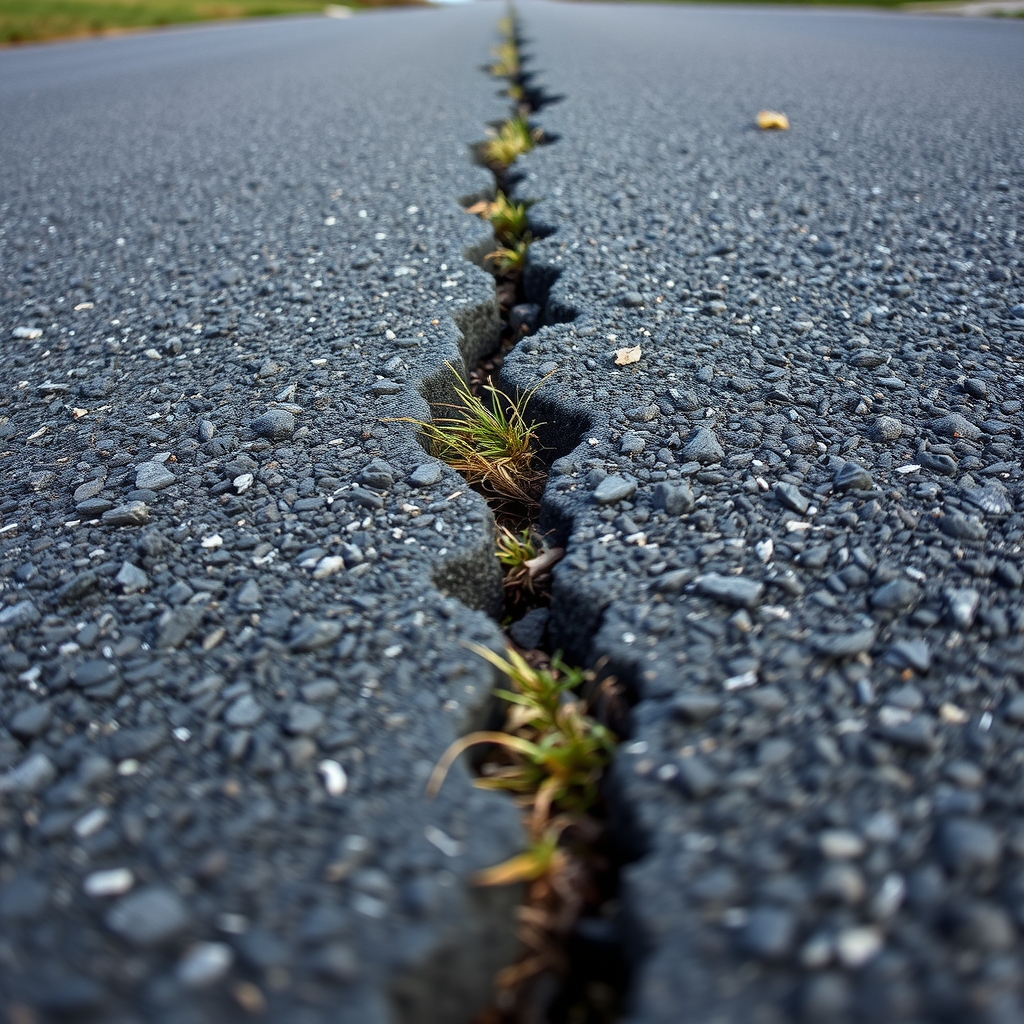
Asphalt Driveway Cracks: Fill Them Before Winter Widens Them
Read the fix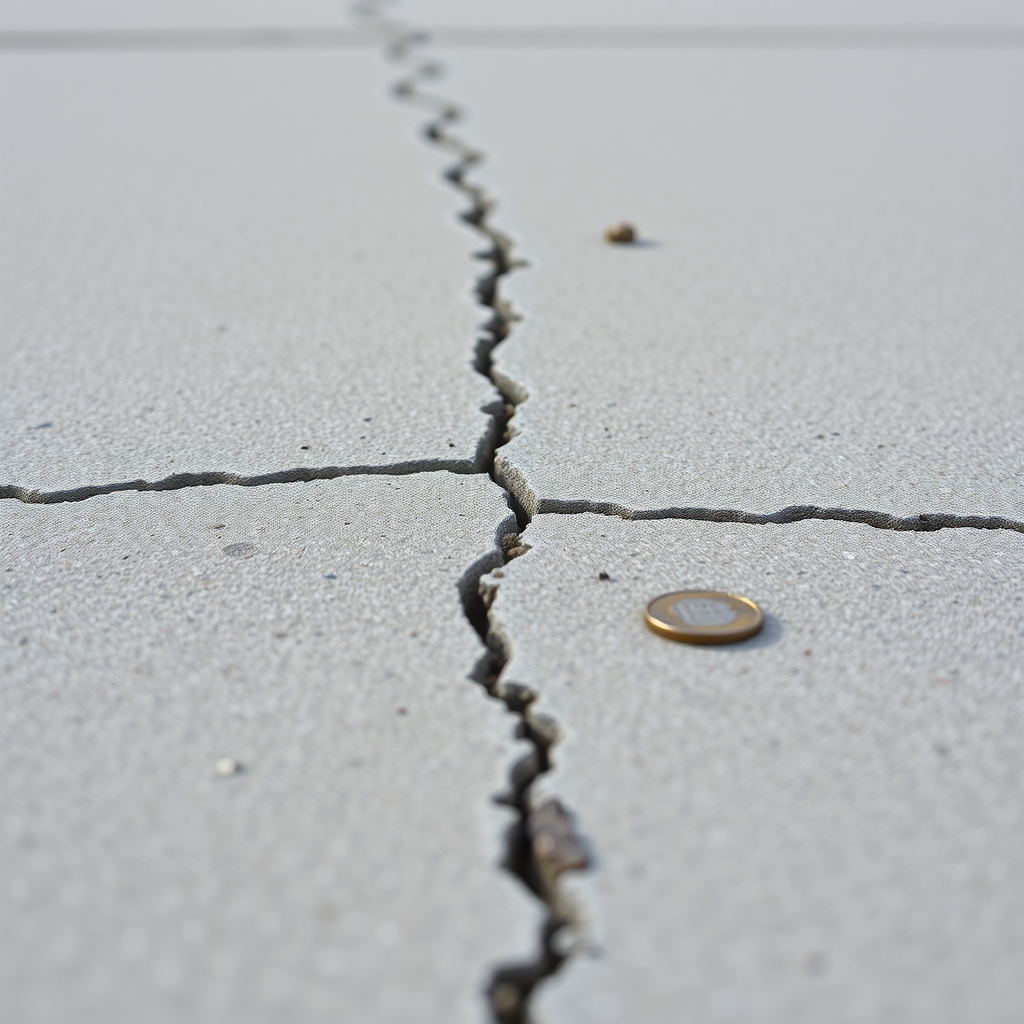 Free fix inside
Outdoor & Garage · Driveway Repair
Concrete Driveway Cracks: Which Ones to Fill and Which to Watch
Read the fix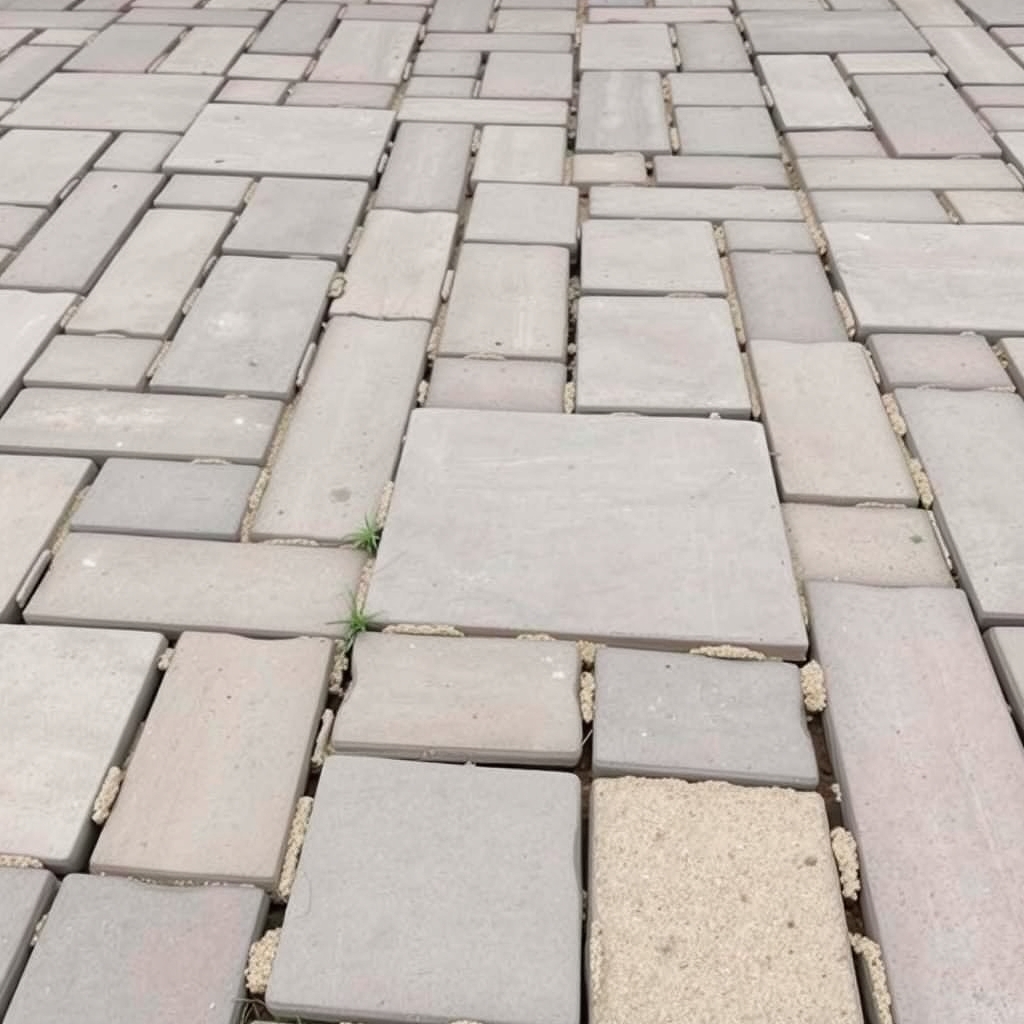 Free fix inside
Outdoor & Garage · Driveway Upkeep
Driveway Pavers Shifting? Polymeric Sand Locks Them In
Read the fix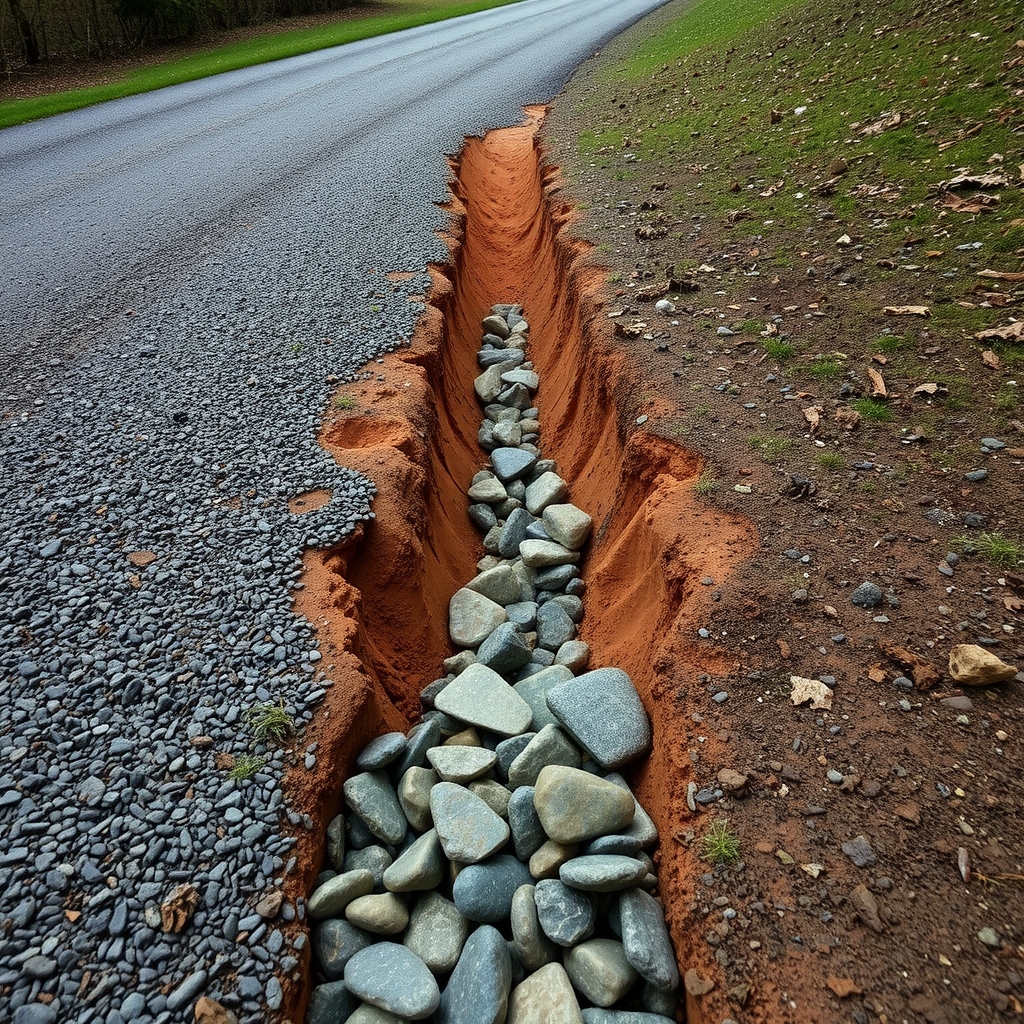 Free fix inside
Outdoor & Garage · Driveway Upkeep
Gravel Driveway Keeps Washing Out? Grids Hold It in Place
Read the fixAs an Amazon Associate I earn from qualifying purchases. Affiliate disclosure