Mushrooms in the Lawn? Why They Pop Up and What Clears Them
Lawn mushrooms are fungi feeding on buried wood and damp thatch. Pick them, dry the lawn out and rake the thatch, and they stop returning.
By Jamilur Rahman Updated November 5, 2026 · 6 min read
- Time
- 1 hr
- Cost
- $20-$50
- Difficulty
- Medium
In this guide
Quick answer
Why does your lawn have mushrooms? They are the fruit of fungi that feed on dead organic matter in damp soil, such as thatch, buried wood and pet waste. They are harmless to grass, and they fade on their own in dry weather. Pick them, cut back on watering and clear the thatch that holds moisture. A dethatching rake handles the thatch, and is optional if your lawn is thin on thatch.
Free fix vs. permanent fix
Pick them and dry the lawn
- Pick or rake the mushrooms and bag them
- Water deeply but less often, in the morning
- Remove buried wood, stumps and pet waste
- Trim branches that shade the lawn
How long it lasts: Until the next wet spell, if the food source is still there.
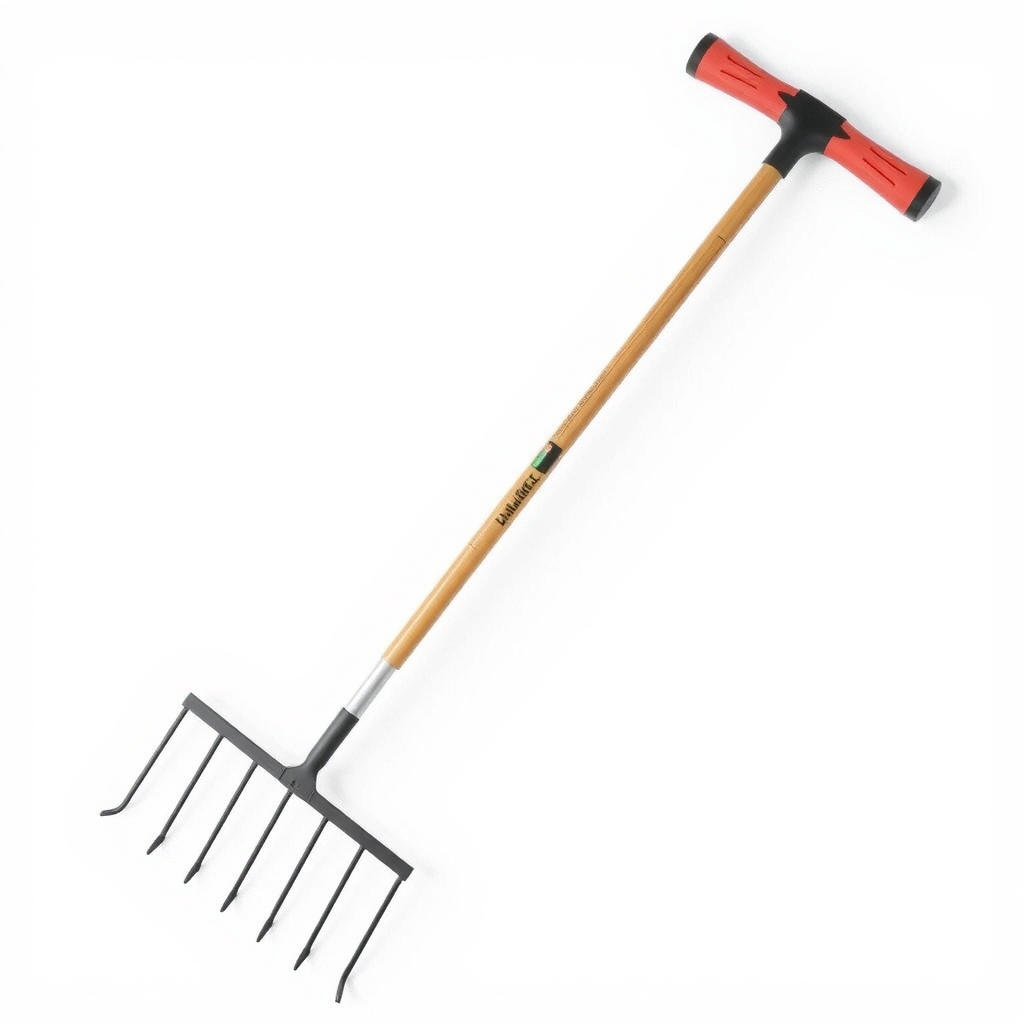
A dethatching rake
A thick thatch layer holds water against the soil and feeds the fungus. Raking it out opens the surface so the lawn dries between rains. Mushrooms fade by themselves, so the rake is for lawns where they keep coming back.
What to get: Dethatching rake
How long it lasts: A season or more. Clearing the thatch removes the damp layer the fungi feed on.
As an Amazon Associate I earn from qualifying purchases.
What you'll need
-
Gardening gloves
For picking the mushrooms
You have it -
Trash bag or bucket
Bin the mushrooms; do not compost them
You have it -
Garden rake
Gathers loose debris and cuttings
You have it - Our pick Illustration
Dethatching rake
Pulls the thatch layer out for small and medium lawns
- Illustration
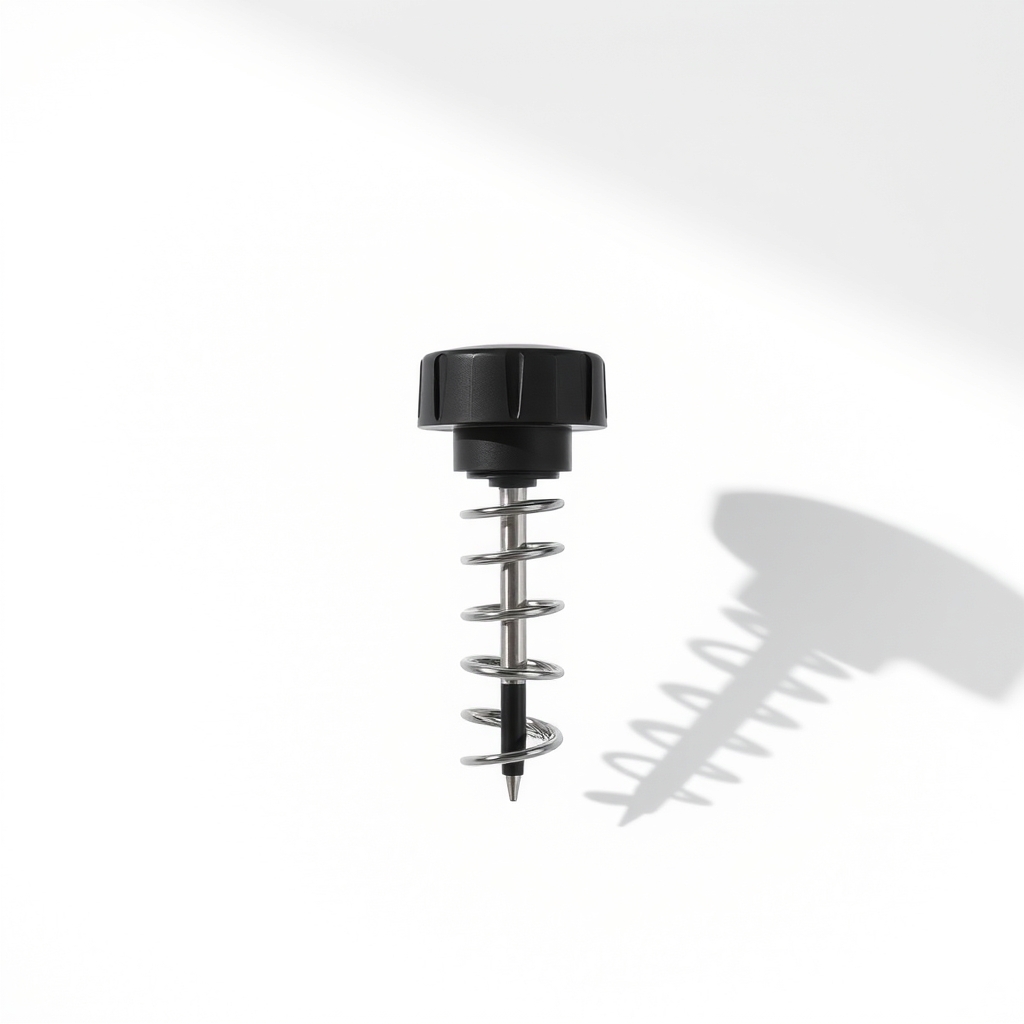
Manual core aerator
For soil so compacted that water sits on top
Why it happens
Buried wood, stumps and roots
Old tree roots, a stump or builders' scraps left under the turf feed fungi for years. Mushrooms in a cluster often mark the spot.
A thick thatch layer
Thatch is the spongy brown layer of dead grass between the green blades and the soil. More than about half an inch holds moisture and gives fungi a place to feed.
Too much water or shade
Frequent light watering, poor drainage and shady spots keep the lawn damp. Mushrooms pop up after rain or a stretch of wet weather.
Pet waste and heavy clippings
Dog waste and thick piles of grass clippings break down on the surface and feed fungi.
Try this first (free)
Do these in order, starting with the simplest.
-
Remove the mushrooms
Tool used: Gardening glovesWear gloves and pick them as soon as you see them, before the caps open and spread spores. Put them in a bag and in the trash. Wash your hands.
-
Find and remove the food source
Tool used: Trash bag or bucketLook for a stump, wood scraps or a pile of clippings near a cluster. Dig out what you can reach. Pick up dog waste every day.
-
Dry the lawn out
Water once or twice a week, deeply, in the morning so the grass dries during the day. Trim low branches and shrubs to let in more sun and air.
-
Check the thatch
Cut a small wedge of turf and measure the brown, spongy layer above the soil. If it is thicker than half an inch, dethatch.
-
Rake out the thatch
Tool used: Dethatching rakePull a dethatching rake across the lawn in two directions at right angles, and gather what comes up with a garden rake. Dethatch when the grass is growing. For cool-season grass that is early fall or spring, and for warm-season grass it is late spring to early summer.
IllustrationCheck price on AmazonTool for this step
Dethatching rake · Pulls the thatch layer out for small and medium lawns
When free fixes aren't enough
If the mushrooms return after a season of drier habits, the thatch or the soil is the cause. A dethatching rake fixes the thatch on lawns up to a few thousand square feet. Larger lawns may need a rented power dethatcher. If water pools on top of hard, compacted soil, core aeration lets it drain. If mushrooms form a ring or arc, with dark green or dead grass around it, that is a fairy ring and needs a lawn care professional. Fungicide sprays do not remove mushrooms, because the fungus lives underground.
Buy the fix
Still stuck after the free fixes? These are the products we would look at.
| Pick | Product | Fixes | Who it's for | Buy |
|---|---|---|---|---|
| Best pick | Dethatching rake | the damp thatch layer that feeds lawn fungi | Owners of small and medium lawns whose mushrooms keep coming back and who measure thatch over half an inch. | Check price |
| Upgrade pick | Manual core aerator | compacted soil that stays wet and feeds fungi | Lawns on clay or on ground that is walked on a lot, where water sits on top after rain. | Check price |
Dethatching rake
Fixes: the damp thatch layer that feeds lawn fungi
Look for: Sharp, sturdy tines made for pulling thatch; A wide head with a long handle that suits your height; A solid metal head, not thin plastic.
- Who it's for
- Owners of small and medium lawns whose mushrooms keep coming back and who measure thatch over half an inch.
- Honest downside
- Your thatch is thin, which is under about half an inch. The mushrooms will fade on their own. Also skip it for a very large lawn, where a rental power dethatcher is less work.
Manual core aerator
Fixes: compacted soil that stays wet and feeds fungi
Look for: Hollow tines that pull out plugs of soil, not solid spikes; A foot plate and a firm handle; A size suited to your lawn.
- Who it's for
- Lawns on clay or on ground that is walked on a lot, where water sits on top after rain.
- Honest downside
- Your soil drains well. Aeration will not help it, and a manual tool is hard work on a big lawn.
As an Amazon Associate I earn from qualifying purchases. We don't show prices because they change, so use the button to see today's price.
How we picked: How we picked: this page is based on university extension lawn-care guidance on thatch and lawn fungi, pet-safety advice, and what owners report about dethatching rakes in reviews. We do not test products by hand.
Mushrooms do not mean a sick lawn
Most lawn mushrooms mean the soil holds plenty of organic matter that the fungi are breaking down, which is a normal and even useful job. They are mostly an eyesore and a pet risk. You only need to act if they bother you or keep coming back.
Fairy rings: when to call a pro
A ring or arc of mushrooms with a band of darker or dead grass is a fairy ring. The fungus spreads in a circle underground and can dry out the soil. Aerating and watering deeply can help, but a stubborn ring is a job for a lawn care professional.
What to skip
Fungicides, bleach and cutting them down with the mower
Fungicide does not remove mushrooms, since the fungus lives in the soil, and it adds cost for no result. Pouring bleach in the ground harms the grass. Mowing over mushrooms just scatters spores, so pick them first.
Frequently asked questions
Why does my lawn have so many mushrooms?
Why is my lawn growing mushrooms after rain?
Why does my lawn keep growing mushrooms?
How do I stop lawn mushrooms?
Are lawn mushrooms dangerous to dogs and kids?
Related problems
 Free fix inside
Outdoor & Garage · Lawn Disease
How to Stop Lawn Fungus Before It Spreads Across the Yard
Read the fix Free fix inside
Outdoor & Garage · Lawn
Lawn Not Absorbing Water? Aerating Opens Up Compacted Soil
Read the fix Free fix inside
Outdoor & Garage · Lawn
Why Your Lawn Has Brown Patches: Match the Fix to the Pattern
Read the fix Free fix inside
Outdoor & Garage · Garden Soil
Garden Soil Getting Hard? What to Mix In to Loosen It
Read the fixAs an Amazon Associate I earn from qualifying purchases. Affiliate disclosure